
Bedroom safety is about reducing the risk of falls, injuries, and health emergencies in the space where you spend a third of your life. A safe bedroom for aging adults or those with mobility concerns combines good lighting, clear pathways, stable furniture, accessible bathroom access, and emergency communication options. Most bedroom injuries happen at night when visibility is poor and balance is compromised—a common scenario is an older adult reaching for the light switch in darkness, losing balance, and falling before they can stabilize themselves. The stakes are high. According to the CDC, one in four Americans aged 65 and older fall each year, and falls are the leading cause of both fatal and nonfatal trauma among older adults.
Many of these falls happen in bedrooms and bathrooms during nighttime bathroom trips. The good news is that most bedroom hazards are preventable with thoughtful design and strategic modifications. A truly safe bedroom doesn’t feel institutional or depressing. It means you can move freely, respond to emergencies, and maintain your independence. This guide walks through the practical changes that matter most, the tradeoffs you’ll need to consider, and the common problems people overlook.
Table of Contents
- What Are the Most Common Bedroom Hazards for Older Adults?
- Why Lighting and Pathway Design Matter More Than You’d Think
- Grab Bars, Bed Rails, and Transfer Equipment
- Making Your Bedroom Accessible Without Major Renovation
- Medication Management and Night-Time Emergencies
- Environmental Controls and Comfort Technology
- The Role of Regular Assessment and Adaptation
- Conclusion
What Are the Most Common Bedroom Hazards for Older Adults?
The biggest bedroom hazard is the nighttime journey to the bathroom. When someone wakes to use the toilet at 2 a.m., they’re often disoriented, their balance is compromised, and they may not turn on lights to avoid waking others or out of habit from years of doing it in the dark. Throw in a loose rug, furniture that has drifted into the pathway, or clutter on the floor, and a fall becomes likely. The second major hazard is falling during transfer—getting in and out of bed becomes harder with age or injury, and many people rely on furniture (nightstands, dressers) to pull themselves up, not realizing that lightweight furniture will tip rather than support.
A third hazard is poor lighting. Many people still use only a ceiling light controlled by a wall switch at the door, meaning you’re walking in near-darkness to reach it. Bedside lamps require reaching across or fumbling in the dark. Low-level lighting—footlights, under-bed strips, or motion-activated lights—prevents this common scenario but few bedrooms have them. The fourth hazard is that older adults often take medications at night or store them bedside, increasing the risk of overdose, wrong medication, or confusion about whether a dose was taken.

Why Lighting and Pathway Design Matter More Than You’d Think
Good lighting is not just about preventing falls—it’s about maintaining dignity and independence. Poor lighting forces you to shuffle, hold onto walls, or wait for someone to turn on lights for you. The limitation here is that what feels bright enough during the day feels like a different room at night; your pupils are dilated, your color perception is reduced, and contrast becomes crucial. A room that’s well-lit at 8 p.m.
when you’re getting ready for bed may feel pitch-black at 3 a.m. when your eyes are adjusted to sleep. Pathways matter because one of the most disabling outcomes of a bedroom fall is not just the immediate injury but the psychological impact—the fear of falling again can lead people to restrict their movement, call for help for tasks they could do themselves, and lose independence faster than the injury itself would cause. If you have to walk past a dresser to reach the door, and that dresser has a sharp corner or items stacked on top, you’ve created an obstacle course. The tradeoff is that a completely clear, minimalist bedroom can feel cold and institutional, so many people live with some clutter rather than accepting a bedroom that feels like a hospital room.
Grab Bars, Bed Rails, and Transfer Equipment
Grab bars are not optional if you have balance issues or mobility limitations. A properly installed grab bar in a bathroom that adjoins the bedroom, near the toilet, is one of the highest-impact safety measures you can make. The limitation is that many people resist grab bars because they signal aging or disability, and they worry about aesthetics. Modern grab bars come in various finishes—matte black, stainless steel, white—and can look more like modern fixtures than medical equipment, but this remains a psychological hurdle for some.
Bed rails serve a specific purpose: they help you pull yourself up from a lying position and can prevent you from rolling out of bed if you’re at risk. However, bed rails have been linked to entrapment deaths in some cases, so if you use one, it must be properly installed and regularly checked. A simpler alternative is a bed wedge or inclined bed, which uses gravity to help you sit up and exit the bed more easily. Transfer bars that clamp to the bed frame or stand beside it offer support without the entrapment risk. For many people, the tradeoff between independence (using the bed rail to transfer) and safety (avoiding entrapment) means selecting a model designed for modern safety standards and checking it regularly.
Making Your Bedroom Accessible Without Major Renovation
You don’t need to gut your bedroom to make it safer. Start with the easiest, highest-impact changes: install motion-activated nightlights that turn on automatically when you get out of bed, place a cordless phone or mobile device on your nightstand with emergency numbers programmed, remove throw rugs or secure them with non-slip pads, and move frequently-used items to waist height so you’re not bending or reaching excessively. A nightlight at floor level—not at eye level—prevents you from looking down at bright light and losing your night vision. The tradeoff between comfort and safety often comes down to furniture placement.
Ideally, there’s a clear path from your bed to the door and from the door to the bathroom, with a minimum width of 30 inches. That means moving the dresser, nightstand, or other pieces. If you can’t or won’t, at least ensure the path is stable and that any furniture you might touch while walking is sturdy enough to support your weight. Test it: lean on your nightstand with your full weight. If it slides, tips, or feels unstable, it cannot be a safety prop.
Medication Management and Night-Time Emergencies
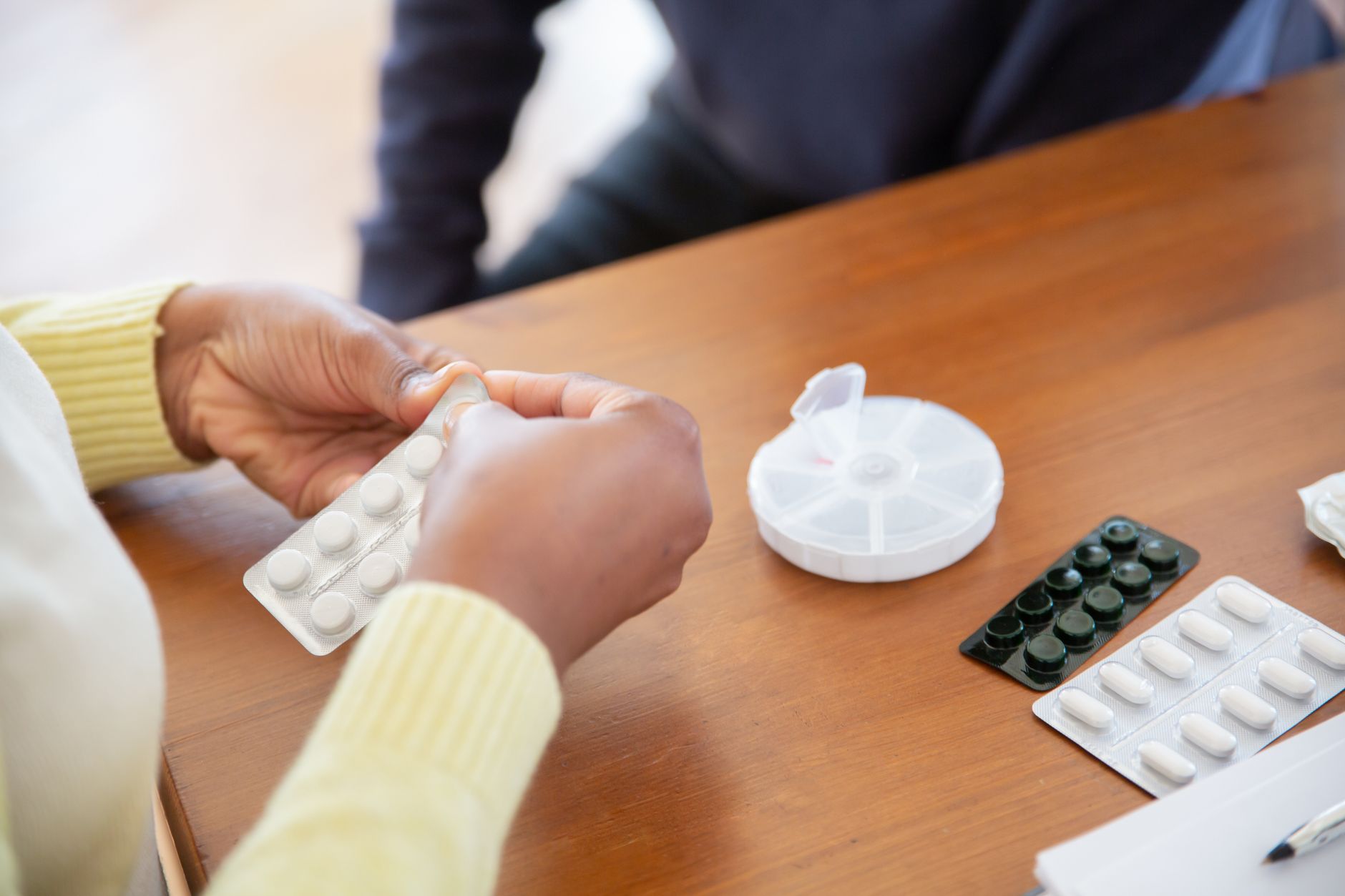
Keeping medications bedside is convenient but risky. People take the wrong dose, forget whether they took a dose and take it again, or in darkness reach for the wrong medication. Organizers that light up, app reminders, or automated dispensers reduce confusion, but they add cost and complexity. The reality is that many older adults do keep medications on their nightstand—aspirin, antacids, sleep aids—and the risk-benefit calculation leans toward having them accessible if you have heart symptoms or other nighttime concerns.
The solution is a labeled, organized system: use a pill organizer clearly marked with time of day, keep a written log next to it, and use adequate lighting when taking anything. Night-time emergencies—chest pain, difficulty breathing, severe confusion—require communication. If you live alone or sleep separately from your caregiver, you need a way to call for help that doesn’t require getting out of bed or finding a phone in the dark. A bedside phone (landline or mobile), a medical alert system with a wearable button, or even a smart speaker (Alexa, Google Home) that you can voice-activate can be lifesaving. The warning here is that these systems only work if they’re charged, tested regularly, and you know how to use them.
Environmental Controls and Comfort Technology
Temperature control affects both comfort and safety. A bedroom that’s too cold slows your reaction time and makes joints stiffer, increasing fall risk. A room that’s too warm can cause dizziness or disorientation. Maintaining a consistent, comfortable temperature—typically 65-68°F for sleep—supports both safety and sleep quality.
If you have limited mobility, consider a programmable thermostat or space heater (with automatic shut-off) so you’re not trying to adjust temperature manually or leaving the room to reach a wall thermostat. Smart home devices can enhance safety: motion sensors that turn on lights, voice commands that control lights without reaching for switches, and even fall-detection wearables that alert emergency contacts. An example is a pressure-sensitive mat placed beside the bed that turns on lights when you step out of bed, or a wearable device that detects unusual patterns of movement and alerts family members. The limitation is cost and the learning curve, but for people at high fall risk, these tools provide both safety and peace of mind.
The Role of Regular Assessment and Adaptation
Bedroom safety isn’t a one-time project—it requires regular assessment. Ask yourself every few months: Are there new hazards I’ve introduced (new furniture, accumulated clutter)? Has my mobility changed, requiring new supports? Are grab bars still securely installed? Is my lighting still adequate? This ongoing mindset prevents the slow drift toward an unsafe environment that happens when you don’t actively maintain safety. As you age or your needs change, your bedroom will need to evolve.
What works at 65 may not work at 75 or after an injury or surgery. Accepting this means viewing bedroom modifications not as permanent solutions but as tools you upgrade as needed. Many people wait until after a fall or hospitalization to make changes, but at that point, recovery is at stake. Proactive adjustment—adding a bed rail before you need it, installing lighting before a fall happens—is far more effective than reactive modification.
Conclusion
A safe bedroom combines clear pathways, adequate lighting, stable furniture, accessible emergency communication, and organized systems for medication and health management. The most important change is often the simplest: ensuring you can get from bed to bathroom and back without tripping, losing balance, or fumbling in the dark. These changes require some investment and sometimes a shift in mindset—accepting that safety features are tools for independence, not signs of decline.
The next step is to walk through your bedroom at night, in dim light, and honestly assess what hazards you encounter. Notice where you reach for support, where you shuffle, where you move cautiously. That’s where to start. Don’t wait for a fall to motivate change; the time to build a safe bedroom is now, while you can make decisions clearly and implement them thoughtfully.