
You can stay safe living alone in bad weather by preparing essential supplies in advance, knowing where to shelter when storms arrive, and maintaining communication with outside help. The key is not waiting until dangerous weather is in your area—preparation must happen during calm weather. Consider the case of Margaret, a 72-year-old living alone in Arkansas, who survived a sudden flooding event because she had filled a bathtub with water the moment she heard the warning and kept a battery-powered radio on her kitchen counter. She was able to move to her upstairs bedroom before water entered the first floor, and her pre-recorded emergency contact list let neighbors know she needed help after the flood waters receded. Living alone during severe weather carries genuine risks.
Extreme heat is the leading cause of weather-related deaths in the United States, with over 20,000 heat-related deaths officially reported between 1999 and 2023—more deaths than hurricanes, floods, and tornadoes combined. Flooding kills more than 100 people annually, making it the most deadly single weather hazard. For people living alone, these statistics matter because there is no one else to check on you, no one to help you move heavy items or adjust thermostats, and no one to call for help if you fall while responding to a weather emergency. The good news is that staying safe living alone in bad weather is possible and does not require expensive equipment or extensive construction. It requires a realistic understanding of the weather threats in your area, basic supplies stored ahead of time, knowledge of where to shelter, and working communication tools.
Table of Contents
- Understanding the Real Weather Risks for People Living Alone
- Creating an Emergency Preparedness Plan Before Bad Weather Strikes
- Building Your Emergency Supply Kit for Severe Weather
- Taking Shelter When Severe Weather Arrives
- Staying Connected When Storms Hit
- Heat Safety and Extreme Temperature Threats
- Using Modern Weather Technology to Stay Ahead of Storms
- Conclusion
- Frequently Asked Questions
Understanding the Real Weather Risks for People Living Alone
Weather-related deaths in the United States follow a clear pattern, and knowing the actual numbers helps you prioritize your preparation. Extreme heat kills more people than any other weather hazard—between 1999 and 2023, official counts recorded over 20,000 heat-related deaths, and actual numbers are likely higher because heat deaths are often attributed to other causes. Flooding is the next major threat, killing more than 100 people annually, followed by tornadoes and hurricanes. For someone living alone, these hazards are particularly serious because you cannot rely on another person to notice if you are getting too hot, to help you move away from a window during a storm, or to wake you up if there is danger.
The risk increases with age and with certain health conditions. People living alone without regular check-in contact are at highest risk because no one will know if something goes wrong. If you live alone and have neighbors, friends, or family who check on you regularly, make sure they know how to reach you and what your emergency plans are. If you do not have regular check-in contacts, consider joining a community wellness program where staff call you daily or arrange for neighbors to watch for signs of trouble during severe weather.
Creating an Emergency Preparedness Plan Before Bad Weather Strikes
The gap between knowing you should prepare and actually being prepared is enormous. Only 44.4 percent of people have prepared emergency supplies in preparation for severe storms, and only 35.4 percent have stored copies of important documents and contact information in a safe or waterproof place. This means more than half of all Americans—and likely a higher percentage of people living alone—are unprepared when a storm arrives. The time to prepare is not when you see dark clouds forming or hear a weather alert. The time to prepare is weeks or months before storm season arrives in your area. Start by identifying what weather threats are most common where you live. If you live in a region prone to severe thunderstorms, your priorities will be different from someone in a flood-prone area or an area where heat waves are frequent.
check the National Weather Service website for your region and look at the hazard statistics. Talk to local fire departments or emergency management offices about what they see most often. Once you know your threats, you can create a specific plan that addresses them. A written plan is more useful than a general one because you can refer to it during an actual emergency when adrenaline and fear might make you forget important steps. A critical limitation of planning is that plans only work if you have practiced them. If you plan to move to your basement during a tornado but have never gone to your basement in several years, you may not remember that the basement is cluttered and hard to reach in a storm. Walk through your plan once a season. Know exactly where you will shelter, how you will turn off utilities if needed, how you will charge your phone, and who you will call for help.
Building Your Emergency Supply Kit for Severe Weather
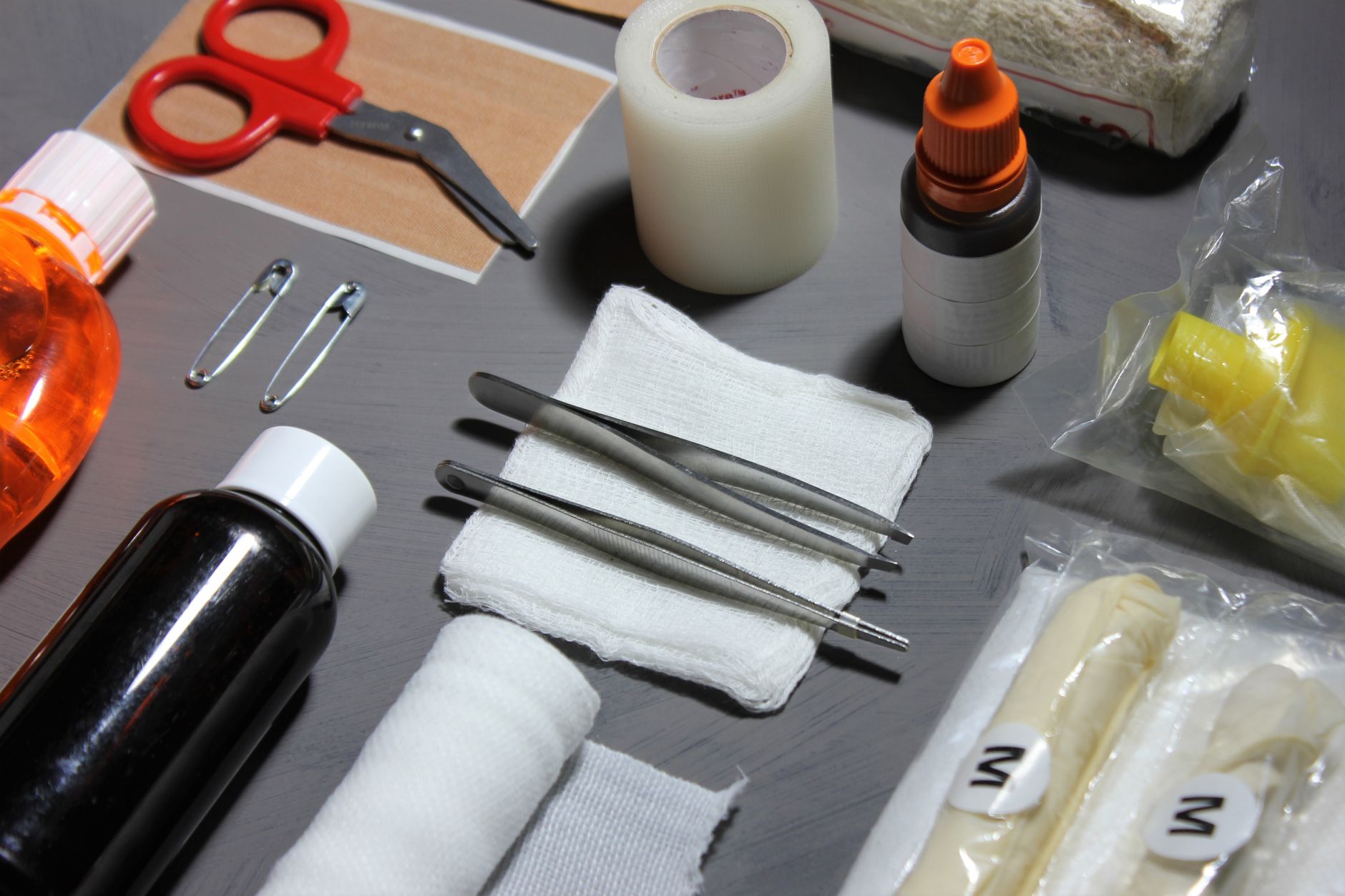
Your emergency supply kit should be stored where you can reach it in the dark and where it will not be damaged by the threat you are preparing for. If you are preparing for flooding, do not store supplies in your basement. If you are preparing for tornadoes, keep supplies on the lower floor of your home. A basic kit should include a battery-powered or hand-crank radio, a flashlight with extra batteries, a first aid kit, prescription medications in original containers (at least a week’s supply), drinking water (one gallon per person per day for several days), non-perishable food that requires no cooking, a manual can opener, and a waterproof container with copies of important documents and contact information. For someone living alone, the kit should also include items that make it possible to care for yourself without help. Include pain relievers, antacids, anti-diarrheal medication, antihistamines, and any other over-the-counter medications you use regularly. If you use a walker, cane, or other mobility aid, make sure you can reach it quickly if you need to shelter in place.
If you use a medical device that requires electricity, discuss backup power options with your doctor before an emergency. A portable battery bank or power station that you can charge before a storm arrives may allow you to keep a CPAP machine, nebulizer, or other critical device running during a power outage. Keep your kit in a specific, labeled location that you check twice a year. When you change your clocks for daylight saving time, review your kit. Check that batteries still work, that water has not leaked into other supplies, and that medications have not expired. Rotate water and food supplies every six months. Replace any items you have used or that have become damaged.
Taking Shelter When Severe Weather Arrives
When dangerous weather arrives, you need to know exactly where to shelter in your home. For tornadoes and severe thunderstorms, move to the middle of your home or the lowest floor, away from windows and glass doors. The best shelter spaces are in a bathroom, a closet, or under a staircase because these locations have the most structural support. If you live in a mobile home, the safest action is to leave and go to a designated shelter in a sturdy building. Mobile homes cannot be made safe during tornadoes, and staying in one puts your life at risk. During a thunderstorm, avoid using electrical devices and avoid running water. This is not an old superstition—lightning can travel through plumbing and electrical lines into your home.
People have been struck by lightning while talking on a landline phone during a storm, while standing at a sink running water, and while using electrical appliances. If the storm is directly overhead and lightning is striking nearby, the safest action is to stay away from anything that is connected to the outside world through metal—plumbing, electrical wiring, phone lines, and antenna cables. A key limitation of sheltering in place is that you must act immediately when you hear a warning. If you wait to move to shelter until you see the storm, you may not have time. Keep a battery-powered weather radio in your bedroom, kitchen, and living room so you can hear warnings immediately. Many people delay moving to shelter because they are comfortable where they are, are in the middle of a task, or do not believe a warning applies to them. Trust the warning. Move to shelter immediately.
Staying Connected When Storms Hit
Communication is where people living alone are most vulnerable. If you are injured during a storm, if you lose power, or if you become trapped or disoriented, you need a way to reach help. This means you need backup power to keep your phone charged and a way to communicate if cell towers are damaged. A battery-powered radio lets you hear official weather updates and emergency instructions even if power is out and cell service is down. A portable battery bank or power station charged before the storm arrives can keep your phone running for days. Small portable chargers designed for phones are inexpensive and should be in your emergency kit. Have a written list of emergency contacts stored in a waterproof container in your kit.
This means you can call for help even if your phone is dead and you cannot access your contact list. Include your doctor, a neighbor who knows you, a family member, and your local emergency services non-emergency number (which you can call if 911 is overloaded). Make sure trusted friends or family members know that you live alone and have a plan to check on you if a storm hits your area. A common problem is that people assume they will have cell service or that someone will find them if something goes wrong. After major storms, cell towers are often damaged and emergency services are overwhelmed. If you live alone and no one checks on you, you might wait days before someone realizes you need help. Talk to at least two neighbors about checking on you if severe weather hits. Tell them your shelter location and what warning signs to look for if they cannot reach you by phone.
Heat Safety and Extreme Temperature Threats
Because extreme heat is the leading cause of weather-related deaths, heat safety deserves specific attention if you live alone. High temperatures are dangerous because the human body has a harder time cooling itself as we age, and people living alone may not notice early warning signs like confusion or dizziness until heat exhaustion or heat stroke is severe. Heat waves often last several days, and if you do not have air conditioning, the risk rises dramatically. If you do not have air conditioning, identify a place where you can go during a heat wave—a library, a community center, a mall, or a friend’s house with air conditioning. Plan this in advance, not during the heat wave.
Know the address and hours of operation. If you have limited mobility, know whether the location is accessible. Keep the address written down in your wallet. During a heat wave, go to this cool location for at least part of each day, drink water even if you do not feel thirsty, and check in with someone who knows you are vulnerable to heat. Never assume you can manage a heat wave alone—the temperature may remain dangerously high for days, and your body’s thirst mechanism may not work properly if you are older or on certain medications.
Using Modern Weather Technology to Stay Ahead of Storms
The National Weather Service improved severe weather forecasting in 2026 by adding a “Conditional Intensity” feature to the Storm Prediction Center’s outlooks. This feature provides more detailed information about where violent storms are most likely to develop, allowing you to make more informed decisions about when to prepare, when to move supplies to higher ground, and when to travel if you need to do so. If you have a smartphone, you can set up automatic weather alerts from your local National Weather Service office or your local government. These alerts will notify you of severe weather, floods, heat warnings, and other threats specific to your area. A NOAA Weather Radio is the most reliable way to receive storm warnings if you lose power or cell service.
These radios are battery-powered or hand-crank powered and receive official warnings directly from the National Weather Service. Modern NOAA Weather Radios can be set to alert you only for warnings in your specific county, so you will not be awakened by warnings for counties far from your home. Buy one before storm season and keep it with fresh batteries in a place where you will hear it. Sign up for free emergency alerts from your local government through their official website. Many cities and counties have alert systems that send text messages, emails, or phone calls when dangerous weather is in your area.
Conclusion
Staying safe living alone in bad weather requires preparation, knowledge, and communication. The specific actions that protect you are simple: an emergency kit stored in an accessible location, a shelter plan you have practiced, backup power to keep your phone charged, and trusted contacts who know your situation and how to reach you. These preparations should be in place before dangerous weather arrives, not during a storm.
Your next step is to identify the weather threats in your area, assemble your emergency kit, and talk to someone—a neighbor, friend, or family member—about your plan. Write down where you will shelter, what supplies you have, and who will check on you if a storm arrives. Review this plan twice a year. Staying safe living alone in bad weather is possible when you prepare now for the storms that will come later.
Frequently Asked Questions
I rent my home and cannot make changes like a basement shelter. What can I do?
Talk to your landlord about allowing you to reinforce an interior bathroom or closet with mattresses or cushions for storm shelter. For heat emergencies, know the location of nearby places with air conditioning. For flooding, know in advance that you may need to leave quickly and have a bag packed with important documents, medications, and a change of clothes.
What should I do if I cannot afford a generator or expensive backup power?
A portable battery bank costs $20-40 and can keep a smartphone charged for 1-2 days. A battery-powered NOAA Weather Radio costs about $30. These two items give you weather warnings and the ability to call for help. Start there and add other supplies as your budget allows.
If I live alone and lose power during an ice storm, when should I leave my home?
Leave immediately if you have no heat and the temperature inside falls below 55 degrees, if you have a gas stove and cannot use it safely for heat, or if pipes have frozen and burst. Do not wait. Go to a friend’s house, a shelter, or a hotel if necessary. Do not try to survive without heat alone.
I have mobility limitations. How can I prepare my shelter location?
Remove obstacles between where you spend most time and your shelter location. If you use a walker or cane, practice getting to shelter. If you have stairs, identify a shelter on the same floor as where you spend most time. If stairs are your only option, talk to your doctor or physical therapist about whether shelter in place in your bedroom or bathroom is safer than trying to navigate stairs during an emergency.
Should I turn off utilities during a storm?
Do not turn off utilities during a storm unless you smell gas or see water damage to electrical outlets. Turning off gas or electricity during an emergency can be dangerous, and you may not be able to turn them back on safely. Emergency responders or utility workers will assess utilities after the storm passes.
What is the best weather radio to buy?
Any NOAA Weather Radio that operates on batteries or hand crank and has a specific county alert feature will work. Midland, Sangean, and Emerson are brands commonly recommended. Do not wait for the “perfect” radio—buy one this week and keep fresh batteries with it.