
An in-home safety assessment is a systematic walkthrough of your home by a trained professional—often an occupational therapist, physical therapist, or certified aging-in-place specialist—who identifies hazards and barriers that could prevent you from living independently. The assessor evaluates every room and the transitions between them, looking for fall risks, mobility obstacles, poor lighting, slippery surfaces, inadequate grab bars, and anything else that could cause injury or limit your ability to perform daily activities. This isn’t just a checklist inspection; it’s a detailed examination that results in specific, prioritized recommendations for modifications, equipment, or behavioral changes. For example, during an assessment of a 72-year-old’s home, an occupational therapist might notice that while the bathroom has grab bars, they’re installed at standard heights and in locations that don’t match how this particular person moves—perhaps they’re shorter and need support lower down, or they prefer to use the side of the tub instead.
The assessor would note this discrepancy and recommend repositioned or additional grab bars based on observed movement patterns. This level of specificity is what separates a useful assessment from a superficial one. Many families assume an in-home safety assessment is optional or “nice to have.” In reality, it’s often the difference between a senior aging in place safely and spending the next year visiting the emergency room. The assessment identifies both the obvious hazards everyone worries about and the subtle ones that lead to injury—the ones you wouldn’t notice until someone falls.
Table of Contents
- WHAT FALLS REALLY LOOK LIKE—TRIP HAZARDS AND MOBILITY OBSTACLES
- BATHROOM AND BEDROOM SAFETY—WHERE MOST INJURIES OCCUR
- LIGHTING, CONTRAST, AND VISIBILITY—THE INVISIBLE HAZARD
- STAIRS, RAMPS, AND TRANSITIONS—NAVIGATING VERTICAL SPACES
- KITCHEN SAFETY AND APPLIANCE ACCESS—OFTEN OVERLOOKED
- DOOR HANDLES, THRESHOLDS, AND FINE MOTOR DEMANDS
- TECHNOLOGY, MONITORING, AND ONGOING ASSESSMENT—THE EVOLVING HOME
- Conclusion
- Frequently Asked Questions
WHAT FALLS REALLY LOOK LIKE—TRIP HAZARDS AND MOBILITY OBSTACLES
Fall risk is the primary focus of any in-home safety assessment, but assessors look beyond just “slippery floors.” They examine trip hazards like electrical cords, area rugs without grips, clutter pathways, and uneven flooring transitions. They observe how you navigate stairs, hallways, and doorways, and they note where lighting is inadequate because many falls happen not from visible obstacles but from poor visibility. A 68-year-old getting up at 2 a.m. to use the bathroom in darkness is at much higher risk than someone with a well-lit path, even if the bedroom itself is perfectly safe. Assessors also evaluate whether furniture arrangement allows for safe movement, especially for people using walkers or wheelchairs.
They look at the height and placement of stairs—whether handrails are present, secure, and continuous. In one real assessment, a therapist discovered that a client was navigating around a dining table to reach the kitchen instead of using a direct route, adding unnecessary steps and fall risk. Simply rearranging furniture cut the hazard in half. Many homes have narrow hallways, low-hanging light fixtures, or door frames that are too narrow for mobility aids, and these structural issues often require recommendations for modifications or alternative routes. The limitation here is that some homes simply can’t be made perfectly safe—older row houses with narrow stairs, tight bathrooms, or tight hallways may have inherent constraints that assessors can only partially address. In these cases, the assessment might recommend that the person avoid using certain spaces independently or that equipment be rearranged regularly to maintain the safest possible layout.

BATHROOM AND BEDROOM SAFETY—WHERE MOST INJURIES OCCUR
The bathroom and bedroom are where most fall injuries happen for older adults, so assessors spend considerable time examining these spaces. They check for adequate lighting around the toilet, tub, and sink; they look for slip hazards on tile or tub surfaces; they evaluate whether grab bars are positioned correctly and whether the toilet height is appropriate for the person’s mobility level. Many older adults struggle to transfer on and off a standard-height toilet, and raised toilet seats are one of the most common and effective recommendations. In the bedroom, assessors look at bed height, mattress stability, and nighttime lighting. They evaluate access from bed to bathroom and whether the path is clear and well-lit. They also consider whether the person can safely get out of bed on their own—if not, they might recommend rails, non-skid surfaces, or alarm systems.
A common finding is inadequate lighting on the path to the bathroom at night, which leads to seniors walking in darkness because they don’t want to turn on bright overhead lights that might wake a spouse. Motion-activated night lights are a frequent recommendation for this exact reason. A significant limitation is that some recommendations cost money and may not be affordable for everyone. A full walk-in tub might cost $5,000–$15,000, and many older adults on fixed incomes can’t manage that expense. Assessors should prioritize recommendations by both safety impact and cost, but it’s important to know that an assessment might uncover safety needs that can’t immediately be addressed. In these cases, the assessment should include interim recommendations—things you can do now for free or cheaply while saving for larger modifications.
LIGHTING, CONTRAST, AND VISIBILITY—THE INVISIBLE HAZARD
One of the most overlooked aspects of home safety is lighting quality. Assessors evaluate not just whether lights exist but whether they’re bright enough, whether they create glare or shadows, and whether light switches are accessible and in logical locations. For someone with vision changes due to age, diabetes, or macular degeneration, poor lighting isn’t just an inconvenience—it’s a fall risk. A staircase with one bright step and one shadowed step confuses depth perception and causes falls. Assessors also evaluate color contrast and visibility of hazards. Dark stairs on dark carpet are a falls waiting to happen.
A white toilet on a white bathroom wall is invisible to someone with low vision. Many assessors recommend high-contrast edge markers on stairs, adequate lighting at the base of stairs, and consideration of paint colors that provide visual contrast between walls, trim, and floors. In a real assessment, a physical therapist noticed that a client was missing the edge of a step because the stair edge was the same color as the riser. Adding a contrasting tape strip to the edge was a simple $20 fix that significantly improved safety. One warning: excessive or poorly positioned lighting can also create hazards. Bright overhead lights can cause glare on tile or wood floors, creating the illusion of wetness and causing someone to slow down or alter their gait—which itself increases fall risk. Some assessors recommend layered lighting with task lights in specific areas rather than bright overhead lighting throughout.

STAIRS, RAMPS, AND TRANSITIONS—NAVIGATING VERTICAL SPACES
How a home handles transitions between levels is crucial. Assessors examine staircase width, step height consistency, handrail placement and security, and whether a handrail runs the full length of the staircase on both sides. They evaluate whether the basement stairs are safe for someone with mobility limitations or whether those stairs should be avoided entirely. For homes with outdoor steps, they check for handrails, adequate lighting, and weatherproofing to prevent ice buildup. If a home has a ramp (either existing or recommended), the assessor checks the slope, surface, and handrails.
A ramp that’s too steep—over the recommended 1:12 slope ratio—is actually harder to navigate than intended and can cause someone in a wheelchair to lose control. A ramp that’s only 4 inches wide but 25 feet long is also problematic because there’s nowhere to rest safely. Assessors look at the real-world use case: How will this specific person actually use this transition? An 85-year-old who uses a walker has very different needs than a 55-year-old recovering from surgery. The tradeoff many families face is between safety and accessibility. A home might need both a ramp and widened doorways to accommodate a wheelchair, but the ramp takes up yard space and the doorway widening requires structural work. Assessors help prioritize these changes based on how often the person actually needs the accommodation and what the immediate barriers are to independence.
KITCHEN SAFETY AND APPLIANCE ACCESS—OFTEN OVERLOOKED
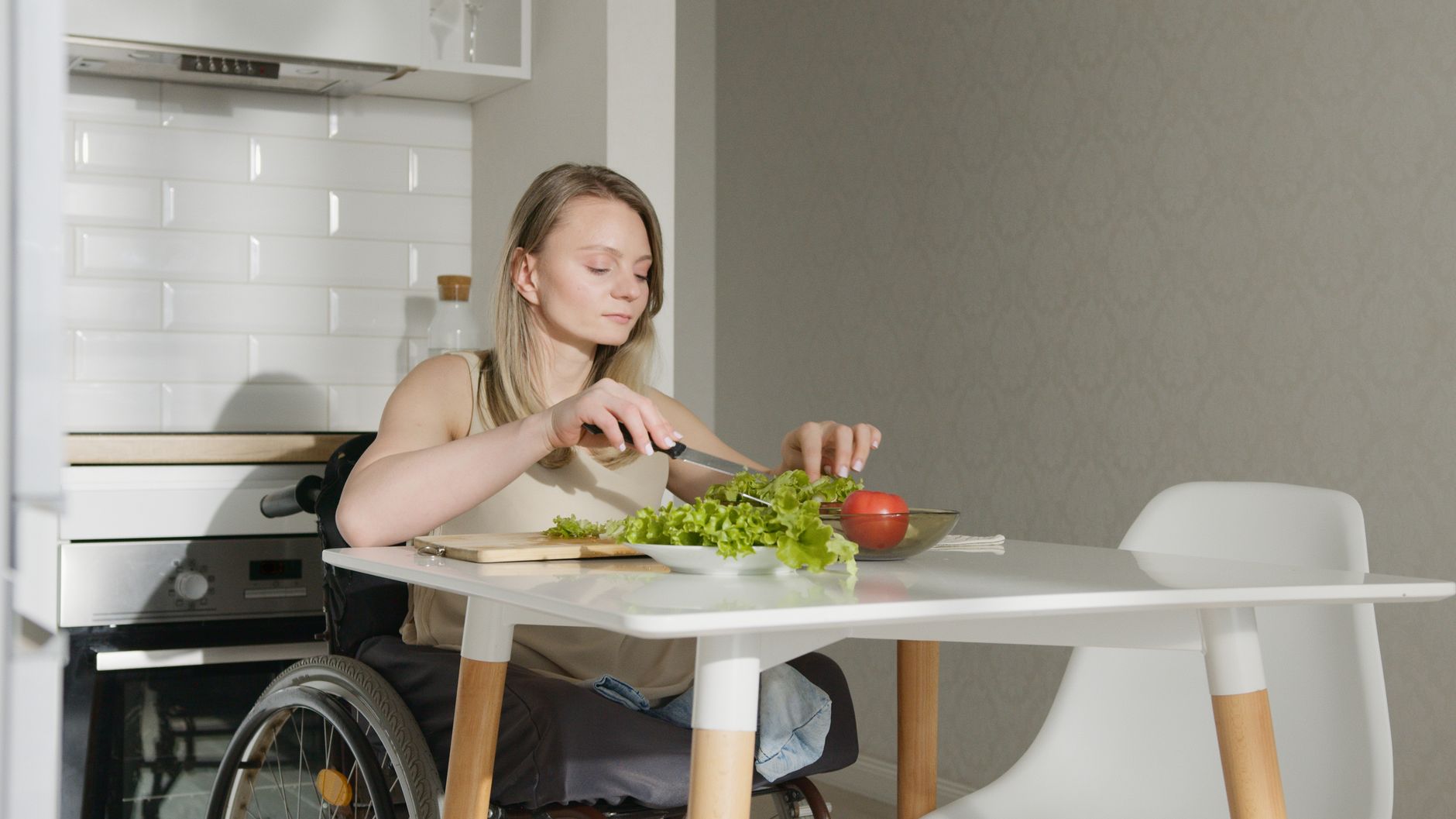
Kitchens present unique hazards that assessors often find people overlooking. They evaluate whether frequently used items are within comfortable reaching distance or whether reaching for pots and pans from high shelves creates balance challenges. They check that appliances are easy to operate—many older adults struggle with modern stove knobs that require fine motor control or oven doors that open too stiffly. They look for adequate counter space to rest a walker while cooking, whether flooring is slip-resistant, and whether the refrigerator door is easy to open for someone with arthritis. A common finding is inadequate clearance around the kitchen island or counter for someone using a walker or wheelchair.
The kitchen was designed when the person moved freely, but now with mobility aids, that space creates a trap where they can’t turn around easily. Some kitchens have adequate lighting for general cooking but poor lighting directly over the stove or sink, leading to burns or dropped items. One real assessment revealed that a client couldn’t see the stovetop properly and had begun using the oven instead for all cooking, which wasn’t sustainable. A warning here: kitchens with multiple fall hazards (wet floors, obstacles, limited lighting) can be the site of serious accidents while cooking. If an assessment identifies significant kitchen hazards but cooking is important to the person’s independence and mental health, the recommendation might not be to avoid cooking but to modify the space—installing lever-handle faucets instead of knobs, adding under-cabinet lighting, removing the island, or installing a stool that provides both seating and support.
DOOR HANDLES, THRESHOLDS, AND FINE MOTOR DEMANDS
Assessors examine how easy it is to open and close doors throughout the home. Standard doorknobs require twisting and gripping—difficult for someone with arthritis. Lever handles are easier, and assessors often recommend this upgrade.
They evaluate thresholds at doorways and sliding glass doors—a threshold that’s half an inch high might seem insignificant until someone using a walker hits it and loses balance. One specific example: a client with moderate arthritis couldn’t easily open bathroom doors with standard knobs and began leaving the door open or not using that bathroom, creating an unnecessary barrier to independence. Changing four doorknobs in the home to lever handles cost about $200 but restored access that medication and physical therapy hadn’t improved. Thresholds are sometimes removable or can be beveled, and many assessors recommend these modifications as part of a comprehensive plan.
TECHNOLOGY, MONITORING, AND ONGOING ASSESSMENT—THE EVOLVING HOME
In-home safety assessments increasingly include technology recommendations—motion-activated lights, door sensors that alert caregivers if a wandering senior leaves the home, fall detection devices, or smart home systems that turn on lights when someone gets out of bed at night. However, assessors need to understand the person’s comfort with technology and whether they’ll actually use a recommended device. A $500 fall pendant is useless if the person finds it uncomfortable and leaves it on the nightstand.
Modern assessments also consider future needs. A 72-year-old who’s currently mobile might benefit from recommendations they can implement now to avoid a crisis later—installing grab bars before a fall, widening doorways before a mobility device becomes necessary, or adding accessible storage before arthritis makes reaching difficult. The best assessments don’t just solve today’s problems; they anticipate tomorrow’s predictable challenges based on the person’s age, health status, and living situation.
Conclusion
An in-home safety assessment is a detailed evaluation of your home’s actual hazards—not theoretical risks but real problems that could cause injury or limit independence. The assessor looks at falls, stairs, lighting, bathrooms, kitchens, and every transition point, offering specific recommendations based on your age, mobility, and how you actually move through the space. The assessment identifies both expensive modifications and free or low-cost changes, letting you prioritize based on budget and urgency.
Taking an assessment seriously—especially if someone recommends it after a fall, surgery, or diagnosis—often prevents crisis situations that force immediate, expensive changes or move someone out of their home. If you’re aging in place or supporting an older adult, an assessment is a practical investment in independence and safety. It’s not about making the home perfect; it’s about making it livable for the person who actually lives there.
Frequently Asked Questions
How long does an in-home safety assessment take?
Most assessments take 60–90 minutes, though complex homes or people with multiple mobility concerns might take 2 hours. The assessor walks through each room, observes movement patterns, discusses daily routines, and documents findings.
Do I need a doctor’s referral to get an assessment?
Not always. Some insurance plans cover assessments only with a referral from a physician or after hospitalization, but many people pay out-of-pocket for private occupational therapist assessments. Some senior centers and aging services also offer low-cost or free assessments.
What if the assessment recommends expensive changes I can’t afford?
Good assessors prioritize recommendations by urgency and cost. They can often suggest interim solutions or phased approaches. Some nonprofits and government programs assist with home modifications for older adults or people with disabilities; your assessor can point you toward these resources.
Will an assessment find everything wrong with my home?
An assessment identifies real hazards based on your specific situation and abilities. It won’t uncover every possible risk, but it will focus on the most important ones for you—the ones most likely to cause falls or limit independence.
What happens after the assessment?
You receive a written report with prioritized recommendations. You can implement these yourself, hire contractors, or work with your occupational therapist on modifications. Some therapists offer follow-up visits to ensure recommendations are working in practice.
How often should I have a home reassessed?
If your mobility or health status changes significantly—after a fall, surgery, or diagnosis—a new assessment makes sense. Otherwise, reassessment might be warranted every 2–3 years as you age, or if you notice new hazards or challenges.