
Senior skin tears easily because age naturally depletes collagen, elastin, and subcutaneous fat that keep skin supple and protective. As we reach our 70s and 80s, the skin becomes thinner and more fragile—a condition called fragile skin or senile skin—and loses its ability to bounce back from minor trauma that younger skin would shrug off. A simple bump against a doorframe, a tug while removing clothing, or even scratching an itch can cause a sudden tear that bleeds and takes weeks to heal. This isn’t a sign of carelessness; it’s a predictable consequence of aging skin that every older adult and their caregivers should understand and plan for.
Beyond the normal aging process, medications, sun damage accumulated over decades, nutritional deficiencies, and certain medical conditions all accelerate skin fragility. A 78-year-old might develop a deep skin tear on her forearm simply from bumping against a counter while reaching for a coffee mug—something she did thousands of times without injury when she was 50. The tear isn’t minor; it requires wound care, bandaging, and monitoring for infection, turning a small accident into a real health concern. Protecting aging skin requires both proactive measures—moisturizing, sun protection, careful handling—and environmental adjustments to prevent the injuries that trigger tears in the first place. Understanding the mechanics of why this happens helps caregivers and seniors make practical choices that reduce risk and keep skin intact.
Table of Contents
- Why Does Aging Cause Skin to Tear More Easily?
- How Nutritional Deficiencies and Chronic Conditions Worsen Skin Fragility
- Where Skin Tears Happen Most Often and Why
- Practical Steps to Reduce Skin Injury and Tears
- Blood Thinners, Medication Interactions, and Bleeding from Skin Tears
- Wound Care and Infection Prevention After a Skin Tear
- The Role of Nutrition and Preventive Care in Long-Term Skin Health
- Conclusion
- Frequently Asked Questions
Why Does Aging Cause Skin to Tear More Easily?
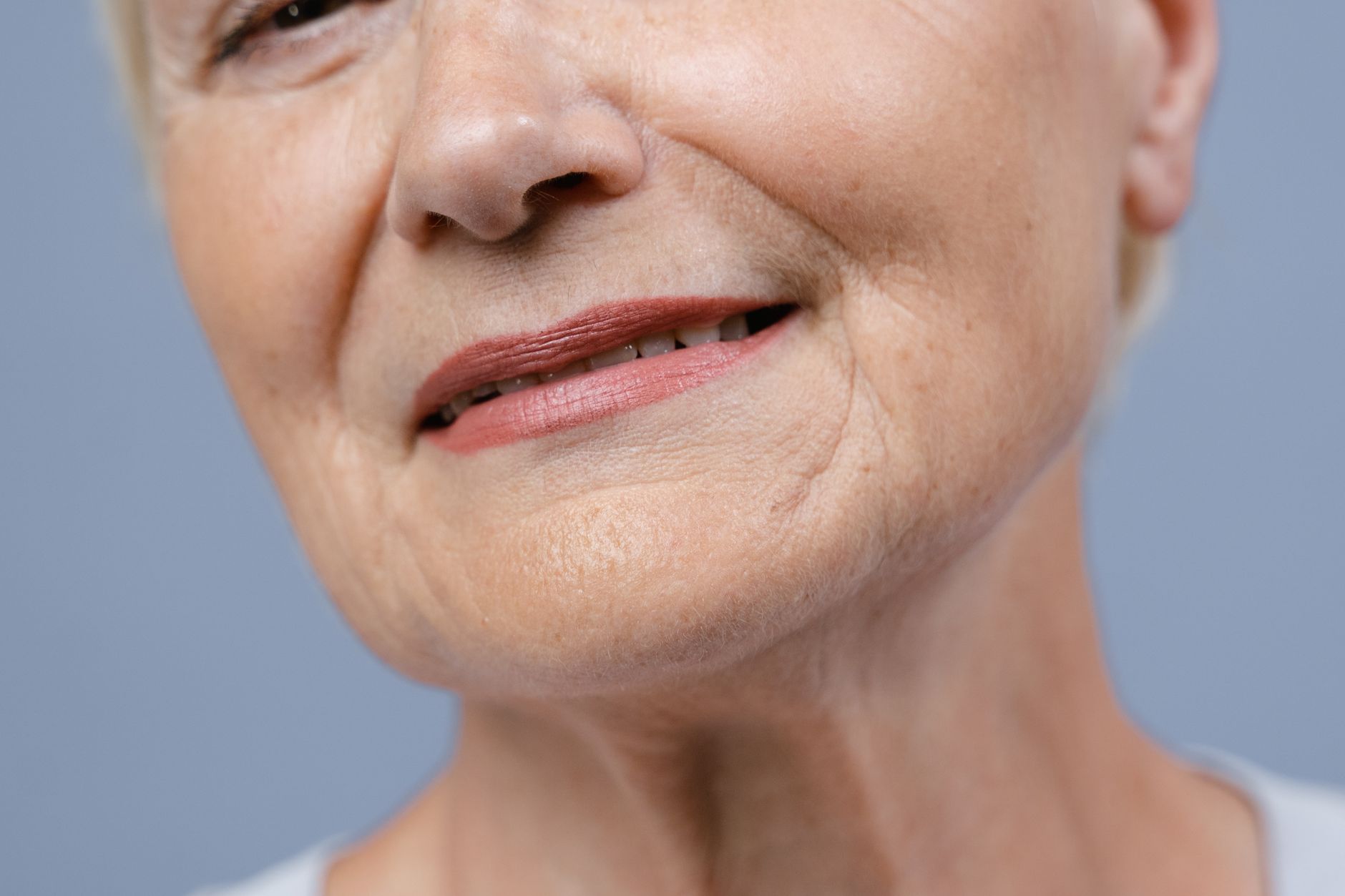
The biological changes that make senior skin fragile start at the cellular level. Collagen, the structural protein that gives skin its firmness, begins declining after age 30 at a rate of about 1% per year, accelerating after 60. Elastin, which allows skin to stretch and return to its original shape, degrades similarly. The result is visible: skin becomes thinner, less elastic, and more prone to splitting under pressure. Add in the thinning of the hypodermis—the fatty layer beneath the dermis—and you have skin that lacks both cushioning and structural integrity. Sun exposure over a lifetime also weakens skin significantly. Ultraviolet rays break down collagen and elastin fibers and damage skin cells’ ability to repair themselves.
This is why the backs of the hands, forearms, neck, and face—areas exposed to the sun—are often the sites of the worst skin tears and bruising in older adults. Someone who spent decades gardening, working outdoors, or simply living in a sunny climate may have skin on their arms and legs that’s significantly more fragile than someone who avoided sun exposure. Medications further complicate matters. Blood thinners like warfarin or apixaban increase bleeding from even minor skin tears, making wounds look far worse and slower to stop. Corticosteroid creams, while helpful for conditions like eczema, can thin the skin when used long-term, increasing fragility. Topical retinoids, often used for age spots, can also cause temporary thinning. Even common medications like NSAIDs interfere with clotting, turning a small tear into an urgent situation.
How Nutritional Deficiencies and Chronic Conditions Worsen Skin Fragility
Protein malnutrition is a hidden driver of skin tears in seniors. Collagen is made of amino acids, and without adequate protein intake, the body cannot repair or maintain skin structure. A senior eating less than 1.0 grams of protein per kilogram of body weight daily—which many older adults do as appetite declines—will have noticeably more fragile skin than one eating enough protein. This is a limitation many caregivers don’t consider: a person living on toast, yogurt, and soup might be eating plenty of calories but not enough protein to support skin health. Vitamin C and zinc deficiencies specifically impair wound healing and collagen formation.
Many seniors, particularly those with limited diets or absorption issues, have subclinical deficiencies in these nutrients that manifest as slower healing from even minor injuries. Vitamin B12 deficiency, common in older adults, also delays healing and can increase the risk of infection in any wound. Diabetes, especially poorly controlled diabetes, damages small blood vessels and nerve endings, further reducing skin’s ability to sense injury, maintain circulation, and heal. A diabetic senior may develop a skin tear and not realize it, allowing infection to set in. Chronic kidney disease impairs collagen synthesis. Liver disease reduces the production of clotting factors and proteins needed for healing. These aren’t rare conditions—roughly 37% of adults over 60 have diabetes, and many have mild kidney or liver disease that goes undiagnosed.
Where Skin Tears Happen Most Often and Why
Skin tears occur most frequently on the forearms, shins, and hands—areas exposed to injury and often overlooked during daily care. These areas have thinner skin and are prime targets for bumps against furniture, bed rails, doorways, and even the edges of tables. A senior reaching into a cabinet and brushing their arm against the corner develops a tear before they even register pain. The injury happens fast, often while doing something routine. The lower legs are particularly vulnerable because seniors often have reduced circulation in their extremities, making these areas slower to heal once injured.
Bed rails, while intended to provide safety, are ironically common sources of skin tears when seniors transfer in and out of bed or turn during sleep. A careless movement or a sharp edge on a bed rail can cause a tear that bleeds significantly due to poor clotting, then takes weeks to fully heal. Hands and fingers get injured during everyday tasks: opening jars, handling paper, adjusting clothing, or manipulating objects in containers. The skin on the hands is already thinner than on the torso, and constant exposure to sun and frequent washing strips away protective oils. A senior handling a sharp-edged plastic container while reaching into a pantry might develop a tear without realizing how it happened.
Practical Steps to Reduce Skin Injury and Tears
The most effective prevention strategies involve modifying the environment and changing daily habits. Remove sharp furniture edges by installing foam corner guards and edge bumpers—the kind used for child safety work equally well for seniors. Secure bed rails so they don’t have exposed bolts or sharp corners, and pad them with foam if needed. Remove clutter, secure throw rugs that catch feet or cause trips, and ensure adequate lighting so seniors see obstacles. These changes feel minor but collectively reduce the small injuries that trigger tears. Clothing and personal care matter more than many realize. Dressing should be done gently; pulling clothes over delicate skin or fastening buttons roughly can cause tears.
Use loose-fitting clothing that doesn’t bind or create friction. When bathing, use warm (not hot) water, as hot water dries skin further, and pat dry gently rather than rubbing. Keep skin lubricated with fragrance-free moisturizer applied while skin is still damp from bathing—this traps moisture and is far more effective than applying lotion to dry skin. The tradeoff is time and consistency; this approach requires caregivers and seniors to prioritize daily moisturizing, which isn’t glamorous but prevents injury. Protecting from sun damage requires sunscreen (SPF 30 or higher) on exposed areas year-round, and protective clothing when outdoors. Lightweight long sleeves and wide-brimmed hats are practical and effective. This recommendation may feel excessive for seniors, but given that sun damage accounts for much of skin fragility, it’s worth the minor inconvenience.
Blood Thinners, Medication Interactions, and Bleeding from Skin Tears
For seniors on blood thinners, even a minor skin tear can bleed heavily and be alarming. A small scrape might bleed for 10 to 15 minutes instead of stopping naturally in seconds. Caregivers should know how to respond: apply direct pressure with a clean cloth for 10 to 15 minutes without peeking, then assess the wound. Elevate the injured area if possible. If bleeding doesn’t stop after 15 to 20 minutes of pressure, or if the tear is deep or gaping, seek medical care. A significant limitation of blood thinner use is the psychological impact on seniors: they become anxious about injury and may avoid normal activities or become overly cautious.
This isn’t irrational—their concern is valid—but caregivers should balance safety with quality of life. The bleeding, while dramatic-looking, is usually manageable at home with proper wound care. Communicating this to seniors can reduce anxiety. Corticosteroid medications, whether taken by mouth for conditions like COPD or polymyalgia rheumatica, or applied topically for skin conditions, thin the skin over time. If a senior is on long-term oral steroids, their skin fragility is significantly increased. Caregivers should be especially vigilant about preventing injuries in these patients and should discuss with the doctor whether the medication dose can be minimized or whether supportive measures like moisturizing or protective padding are needed.
Wound Care and Infection Prevention After a Skin Tear
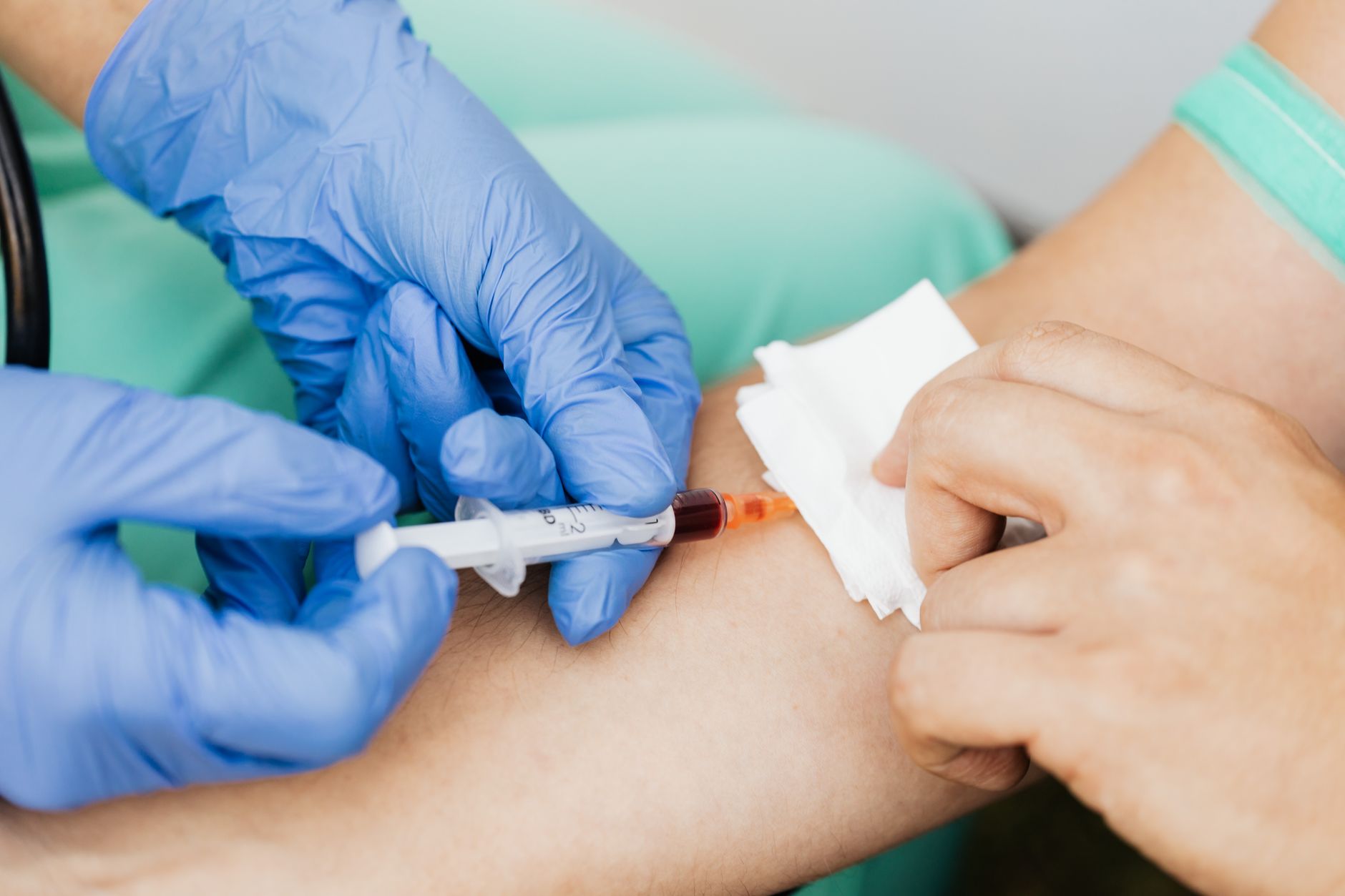
Once a skin tear occurs, proper wound care is essential. Gently clean the wound with mild soap and water or saline solution—avoid hydrogen peroxide or iodine, which can damage new skin cells. Apply an antibiotic ointment like bacitracin and cover with a non-stick bandage or gauze pad secured with tape. Change the dressing daily or whenever it becomes wet or soiled.
For larger tears, particularly those that won’t stop bleeding or are deep, medical evaluation is warranted. Signs of infection—increasing redness, warmth, swelling, drainage, or pus—require prompt medical attention, especially in diabetics or seniors with compromised immune systems. An infection in an older adult can quickly become serious, leading to cellulitis or worse. Keep the wound clean, dry, and monitored. Healing in seniors takes longer than in younger people; expect a small tear to take 2 to 3 weeks to heal, and larger tears may take 6 to 8 weeks or more.
The Role of Nutrition and Preventive Care in Long-Term Skin Health
Long-term skin health in seniors requires consistent attention to protein and micronutrient intake. A diet with adequate protein (1.0 to 1.2 grams per kilogram of body weight), sufficient vitamin C (75 to 90 mg daily), and adequate zinc (11 mg daily for men, 8 mg for women) supports collagen maintenance and wound healing. For seniors who struggle to eat enough, protein supplements, fortified foods, or consultation with a nutritionist can make a real difference.
Regular check-ups with primary care doctors should include discussion of skin fragility, medication review, and assessment of nutritional status. Dermatologists can evaluate chronic skin conditions and recommend treatments that balance benefit with skin safety. As seniors age and accumulate multiple medications and health conditions, the cumulative effect on skin health is often overlooked—but preventive attention now reduces injuries and complications later.
Conclusion
Skin tears in seniors are neither inevitable nor minor; they’re a predictable consequence of aging skin that can be significantly reduced through understanding and practical action. The combination of reduced collagen and elastin, cumulative sun damage, nutritional factors, and environmental hazards creates perfect conditions for injury, but each of these factors is addressable. Caregivers who modify the home environment, prioritize gentle handling and moisturizing, ensure adequate nutrition, and understand medication effects can dramatically reduce the frequency and severity of skin tears.
Taking action now—whether it’s padding sharp edges, establishing a moisturizing routine, reviewing medications with a doctor, or improving nutrition—pays dividends in preventing painful injuries and complications. Seniors who work with caregivers to implement these strategies maintain healthier skin, heal faster when injuries do occur, and avoid the infections and complications that can arise from poor wound care. The goal isn’t to eliminate all risk, but to make aging skin as resilient as possible within the constraints of physiology.
Frequently Asked Questions
How can I tell if my aging parent’s skin tear needs medical attention?
Seek medical care if the tear is deep, longer than half an inch, won’t stop bleeding after 15 minutes of pressure, has gaping edges that won’t close, shows signs of infection (increasing redness, warmth, swelling, pus), or if your parent is on blood thinners and you’re unsure how to manage bleeding. Minor tears can usually be managed at home with cleaning, antibiotic ointment, and bandaging.
Why does my mother’s skin bruise so easily even without visible injury?
Fragile skin in seniors bruises easily due to reduced collagen, thinning skin, and often reduced fat padding beneath the skin. Blood thinners and medications that affect clotting worsen bruising. Reduced collagen also means tiny blood vessels beneath the skin are more prone to breaking from minor pressure or bumps that wouldn’t cause bruising in younger people.
Can moisturizing really prevent skin tears?
Moisturizing reduces the brittleness and dryness that make skin more prone to cracking and tearing, but it cannot prevent all tears. It’s one part of a larger prevention strategy that also includes environmental modifications, careful handling, sun protection, and adequate nutrition. Think of moisturizing as reducing risk, not eliminating it.
What should I do if my senior parent refuses to wear protective clothing in the sun?
Start by explaining the connection between sun damage and skin fragility in terms they understand: sun exposure damages the collagen that keeps skin strong, making tears more likely. Offer alternatives like lightweight, attractive long-sleeve shirts, UPF-rated clothing, or stylish hats. Some seniors respond better to recommendations from their doctor. The goal is reducing exposure, not forcing compliance, as stress and loss of autonomy create their own health problems.
Is there a vitamin or supplement that can improve skin strength in seniors?
While adequate protein, vitamin C, and zinc are essential for skin health, there’s no magic supplement that reverses skin aging. Meeting daily nutritional needs through diet is ideal, but seniors who struggle with eating may benefit from protein shakes, collagen supplements (though evidence is limited), or multivitamins. Discuss supplementation with a doctor, as some supplements interact with medications.
How long does a skin tear typically take to heal in an older adult?
Small, shallow skin tears typically heal in 2 to 3 weeks. Deeper tears or those requiring stitches may take 4 to 8 weeks or longer, depending on the senior’s overall health, nutrition, circulation, and whether infection occurs. Diabetics and those on medications affecting clotting often heal more slowly. Consistent wound care and monitoring for infection speed healing.