
Single-story living after age 70 isn’t just a nice-to-have—it’s one of the most effective ways to stay independent and reduce your risk of falls, injury, and the eventual need for full-time caregiving. When you eliminate stairs from your daily routine, you remove one of the leading causes of accidents for older adults, while making basic tasks like laundry, cooking, and sleeping far less exhausting. A 75-year-old who moves from a two-story home with a master bedroom upstairs to a single-story layout often experiences an immediate improvement in mobility, energy levels, and confidence. The difference isn’t cosmetic; it’s the difference between managing your own home and needing help for things you’ve always done yourself.
The challenge isn’t the concept—it’s the execution. You need to think beyond just avoiding stairs. A truly functional single-story home for someone over 70 requires thoughtful floor plan changes: wider hallways for walkers or mobility aids, bathrooms redesigned for safety and accessibility, kitchen layouts that don’t require bending or reaching, and bedrooms positioned near bathrooms to minimize nighttime falls. These aren’t retrofit afterthoughts; they’re the foundation of aging in place safely. This article walks you through the floor plan changes that actually work, what they cost, and how to prioritize them based on your real situation.
Table of Contents
- Why Single-Story Living Becomes Critical as You Age
- Essential Floor Plan Changes for Aging in Place
- Kitchen Layout and Functionality for Independence
- Bedroom Placement and Sleep Safety
- Flooring, Accessibility, and Fall Prevention
- Lighting, Visibility, and Psychological Independence
- Resale Value and Long-Term Financial Considerations
- Conclusion
Why Single-Story Living Becomes Critical as You Age
The human body doesn’t age evenly. Your balance, strength, and reaction time all decline gradually, but stairs remain unforgiving. Falls on stairs account for over 10,000 deaths annually among people over 65, and many more result in broken hips, hospitalization, or loss of independence. The physical toll of climbing stairs daily—even for someone who’s managed it their whole life—becomes a hidden drain on energy and health. You’re not just moving your body weight up and down; you’re managing balance on a narrow footway, gripping a rail, and recovering from the exertion. By 70 or 75, this accumulates.
A single-story home eliminates that daily repetitive strain and the risk of a catastrophic fall. Beyond safety, there’s the practical issue of wear and tear. An older adult living in a two-story home often avoids trips upstairs, leaving closets and storage unusable, or makes fewer trips up and down, which disrupts normal routines. You might skip changing sheets as often, avoid going to a guest room, or stop using upstairs storage. Single-story living means everything you use regularly is on your level. For someone who wants to remain independent—managing their own household, not relying on family to fetch things from another floor—this matters enormously.

Essential Floor Plan Changes for Aging in Place
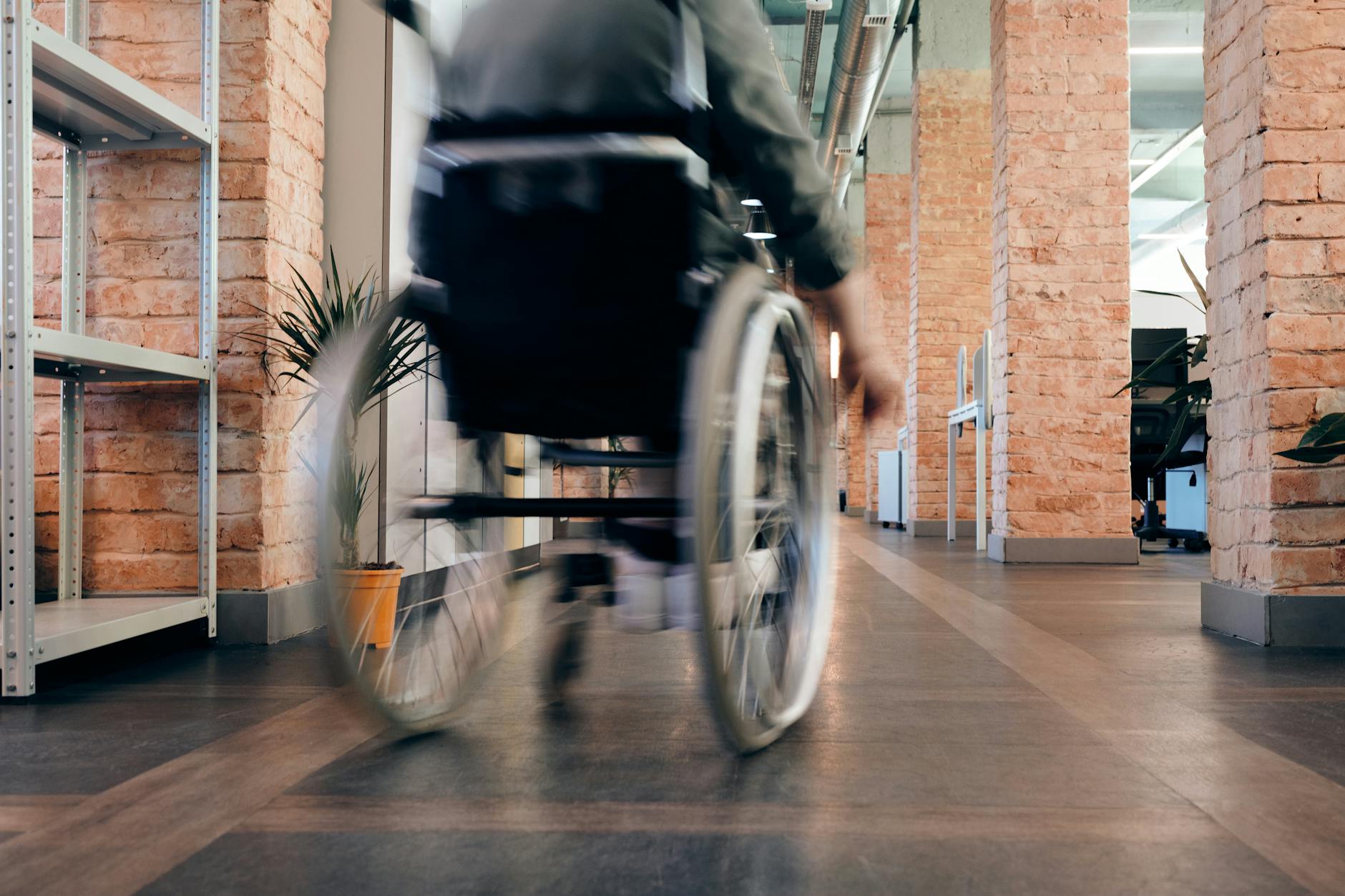
A truly accessible single-story layout requires at least three critical changes: hallways and doors wide enough for mobility aids (at least 36 inches for hallways, 32-36 inches for doorways), an accessible bathroom with a walk-in shower or tub with a bench seat, and a master bedroom on the main level positioned close to that bathroom. These aren’t luxury upgrades; they’re the minimum standard for functional independence. Without them, you’re creating a trap: you have a single-story home, but you still can’t safely get where you need to go. The bathroom is where most safety improvements must happen. A standard bathroom with a high step into the tub and a slippery floor is a fall waiting to happen.
You need a zero-threshold shower (no lip to step over), grab bars at the right heights (18 inches above the floor for the toilet grab bar, 33-36 inches above the bathroom floor for shower bars), and good lighting. Some people resist these changes because they look “medical,” but this is where actual function comes first. Many older adults who resist these changes report—after they have been installed—that they wish they’d done it sooner. A major limitation to keep in mind: even with these changes, a single-story home requires enough square footage to accommodate wider hallways and larger bathrooms without eating up usable living space. A home that’s only 1,200-1,400 square feet on one floor can feel cramped if you add accessible bathrooms and wider corridors. You may need more space than you initially expected, which affects both the initial cost and the long-term resale value.
Kitchen Layout and Functionality for Independence
The kitchen is where you spend significant time, and a poor layout can force you into unsafe positions or make cooking impossible without help. In an aging-friendly single-story kitchen, key appliances and frequently used items should be at waist to eye level—not reaching up to high cabinets or bending down low to access pots. A woman in her 80s might decide to stop cooking altogether if the kitchen layout requires too much bending, climbing a step stool, or using both hands to reach a heavy pan. That’s when independence starts to slip away. An ideal layout includes lower cabinets for daily-use items, accessible counter space near the stove and sink (with open knee space beneath so you can sit if you need to), and a refrigerator positioned so the freezer isn’t at ankle height.
Side-by-side refrigerators or models with freezer-on-top are often better choices than traditional freezer-below designs. Counters should be at about 34-36 inches high, which is lower than standard (36 inches) to accommodate people of smaller stature or those using wheelchairs. An example: a 72-year-old man who switched from a high counter to a lower, more accessible kitchen found he could prepare meals without his wife’s help for the first time in three years. A practical limitation: fully accessible kitchens cost significantly more than standard renovations. You’re not just moving appliances; you might be relocating plumbing, adding custom cabinetry, and installing islands with overhang space. Budget $15,000-$30,000 for a quality accessible kitchen renovation, depending on size and local labor costs.

Bedroom Placement and Sleep Safety
In a single-story home, your bedroom location matters as much as its size. It should be close to a bathroom—ideally with a door connecting directly or just a few steps away—because nighttime bathroom trips are when many falls occur. When someone is groggy, rushing, and navigating in low light, distance and obstacles become serious hazards. An older adult sleeping in a bedroom at the far end of a home, far from the nearest bathroom, is at constant risk. The bedroom itself should be designed for safety during nighttime mobility.
That means clear pathways to the bathroom (no cords, rugs, or clutter), nightlights at floor level every few feet, and ideally a bathroom light that comes on automatically when you enter. Some people install medical alert systems or wearable alert buttons in the bedroom. A 74-year-old woman who had her bedroom relocated from a second floor to the main level, directly adjacent to an accessible bathroom, reported fewer falls and better sleep because she no longer worried about navigating stairs in the dark. A comparison: a master bedroom on the far side of a 2,000-square-foot single-story home might require a walk of 40-50 feet to the nearest bathroom, while a well-planned layout keeps that distance under 20 feet. That difference translates to fewer falls, better sleep quality, and less anxiety about nighttime emergencies.
Flooring, Accessibility, and Fall Prevention
The flooring throughout a single-story home designed for aging should be slip-resistant without being so textured that it catches on canes or wheelchairs. Many people assume hardwood is best, but hardwood is slippery when polished and dangerous for someone using a mobility aid. Non-slip ceramic tile, luxury vinyl, or engineered wood with a matte finish are better choices. Transition strips between rooms should be minimal or beveled to prevent trips. A common mistake is installing large-format tile with narrow grout lines to reduce trip hazards, without accounting for the surface being too slippery when wet.
The ideal bathroom flooring is non-slip tile, but the ideal living area flooring might be different. You’re often making tradeoffs between trip hazards and slip hazards. Avoid loose rugs entirely; if you want a rug, use one with a non-slip pad underneath, and keep it away from high-traffic areas. A warning: if you’re retrofitting an existing single-story home, be careful about floor level changes that create lips or shallow steps. Even a 1/2-inch difference can trip someone with a shuffling gait or reduced proprioception. If you’re renovating, ensure all floor transitions are beveled or ramped smoothly.
Lighting, Visibility, and Psychological Independence
Older eyes need more light, but the right kind. A home with dim ambient lighting creates hazards and can also worsen depression and cognitive function. The best approach uses layered lighting: ambient lighting throughout, task lighting at work areas (kitchen, bathroom, reading spaces), and accent lighting that’s indirect and doesn’t create glare. Motion-sensor lights in hallways and bathrooms prevent fumbling for switches in the dark.
An example: a 78-year-old man moved from a dimly lit colonial home to a single-story home with bright LED lighting throughout, including nightlights in hallways. He reported that the improved lighting alone made him feel more confident moving around his home, and his family noticed he seemed less anxious overall. This is worth emphasizing: physical safety and psychological independence are inseparable. When you feel confident in your home, you move more carefully, you’re more willing to attempt tasks, and you’re less likely to withdraw socially.
Resale Value and Long-Term Financial Considerations
A well-designed single-story home with accessibility features maintains value better than homes with major mobility barriers, but the return on investment for accessibility modifications is modest—typically 50-70% recovery on renovation costs. This shouldn’t discourage you from making these changes if you plan to age in place; the return is measured in independence and safety, not just dollars. However, if you might move in 5-10 years, the financial case is weaker.
The broader trend is clear: as the population ages, demand for accessible single-story homes is increasing. A home built with aging in place in mind is increasingly attractive to a broader buyer pool, making these changes an investment in future marketability. The key is ensuring changes are well-executed and attractive, not slapped on as afterthoughts.
Conclusion
Single-story living after 70 pays off when the floor plan is designed for function, not just checked as single-story on a listing. Hallway widths, bathroom accessibility, kitchen reach, bedroom placement relative to bathrooms, flooring, and lighting all work together to determine whether you can live independently or whether you’ll gradually need more help. The cost of making these changes in a home you choose, on your schedule, is far lower than the cost of caregiving, modifications made in crisis, or relocating after a fall. Start by auditing your current home (or any home you’re considering).
Walk through it at night with your eyes slightly closed to simulate low-light conditions. Note every place where you’d struggle to fit a walker or reach something you use daily. Then prioritize: bathroom accessibility and bedroom placement near a bathroom come first, followed by kitchen accessibility and hallway width. You don’t have to do everything at once, but you do need to think intentionally about these elements before you’re forced to.