
After age 50, most adults lose about 1% of their grip strength each year—a seemingly small number that researchers have found to be a powerful predictor of how long a person will live. A person with weak grip strength is significantly more likely to face mortality from all causes over the next decade compared to someone with stronger hands. This isn’t because handgrip itself keeps you alive; rather, grip strength reflects the overall muscle health, cardiovascular fitness, and metabolic function of your entire body. When a 65-year-old man can no longer open a jar without asking for help, or when a woman in her 70s feels her hands weaken while carrying groceries, they’re experiencing a measurable decline that correlates with broader health outcomes. The discovery that grip strength predicts survival has reframed how doctors and researchers think about aging.
It’s not mystical—the same muscles in your hands that decline are declining everywhere in your body. Your legs weaken. Your heart works less efficiently. Your bones become more fragile. This decline starts around age 50 and accelerates, but the rate matters. Someone who maintains relatively strong hands often maintains relatively strong overall function, while someone experiencing rapid grip loss may be experiencing rapid loss everywhere, signaling health problems that need attention now.
Table of Contents
- Why Does Grip Strength Predict How Long People Live?
- The Timeline of Grip Strength Decline and What the Numbers Mean
- Grip Strength as a Red Flag for Hidden Health Problems
- Measuring Grip Strength and Understanding Your Baseline
- Sarcopenia and the Bigger Picture of Muscle Loss
- Strength Training and Nutrition for Grip Preservation
- The Future of Grip Strength Screening and Prevention
- Conclusion
- Frequently Asked Questions
Why Does Grip Strength Predict How Long People Live?
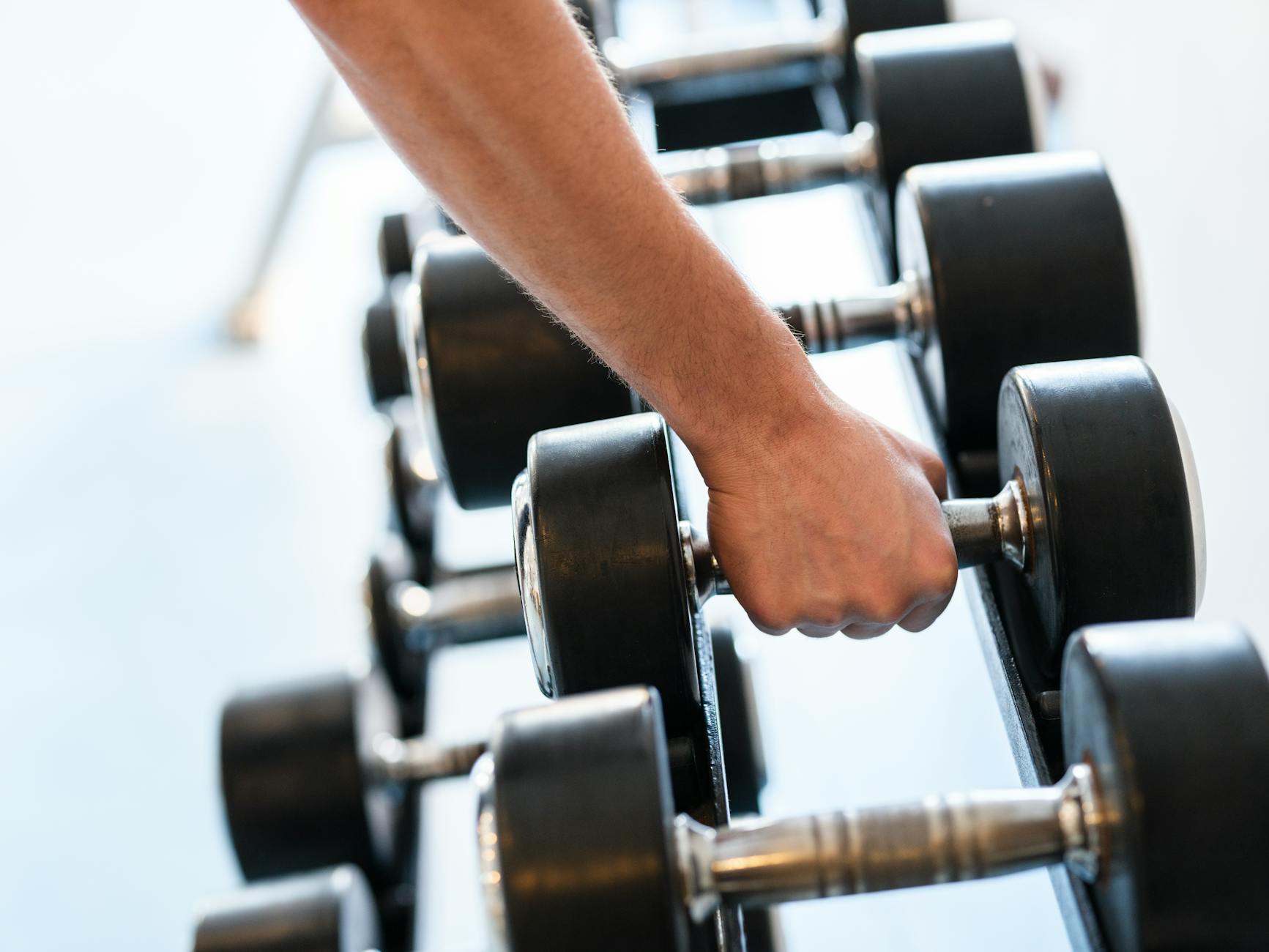
Grip strength is a window into your entire muscular system and metabolic health. Muscle tissue is metabolically active—it burns calories, regulates blood sugar, maintains bone density, and supports cardiovascular function. When you lose muscle grip, you’re typically losing muscle everywhere. A 2015 study published in the Lancet found that weak grip strength was associated with increased risk of death from all causes, even after controlling for body mass index and other factors. The decline in muscle mass and strength that starts around 50 accelerates in your 70s and 80s, and the speed of that decline varies enormously from person to person. What makes grip strength unique as a predictor is that it’s easy to measure objectively and quantitatively. A doctor can use a dynamometer to get a number: 40 pounds of force, or 25 pounds of force.
That number tells them something concrete about your systemic health. Contrast this with subjective assessments like “I feel okay” or “I get tired easily.” The number doesn’t lie. Someone with grip strength below the 25th percentile for their age has significantly elevated risk across multiple causes of death: cardiovascular disease, cancer, respiratory disease, and accidents (including falls). The relationship between grip strength and survival holds even for people who seem otherwise healthy. A 72-year-old who walks three miles a week but has very weak grip strength is still at elevated risk compared to a 72-year-old who walks the same distance with normal grip strength. This is why your doctor increasingly may ask you to squeeze their hand during a checkup. They’re not making casual conversation—they’re checking whether the overall machinery is aging on the typical curve or degrading faster.
The Timeline of Grip Strength Decline and What the Numbers Mean
The 1% annual decline after age 50 is an average, and this is important. Some people decline slower, some faster. A person who has been sedentary and is also dealing with diabetes, arthritis, or heart disease may lose 2% or more per year. Someone who exercises regularly and maintains good nutrition might lose only 0.5% per year. The 1% figure represents a typical trajectory, but your personal trajectory depends entirely on your choices and health status. The absolute numbers matter too. A 55-year-old man might have normal grip strength around 90-110 pounds.
If he declines at 1% per year, by age 75 (20 years later) he’s lost about 18% of his grip strength, putting him at perhaps 74 to 90 pounds—still functional for most activities, but noticeably weaker. However, if that same man had been sedentary and declined at 2% per year, he’d be at 60-70 pounds by 75, struggling with basic household tasks. For women, whose baseline grip is typically lower (around 60-70 pounds at age 55), the same percentage loss means hitting functionally critical thresholds earlier. One limitation of the grip strength research is that it’s observational—scientists measured grip, then followed people to see who died, but they can’t prove grip strength itself determines survival. What they can say is that grip strength reflects a cluster of health factors. The person with weak grip often also has weak legs, poor cardiovascular fitness, malnutrition, or undiagnosed disease. Improving grip strength alone without addressing these other factors won’t save your life. But improving grip strength often means you’ve improved these other factors too.
Grip Strength as a Red Flag for Hidden Health Problems
When someone’s grip strength drops faster than expected, it often indicates something else is going wrong. Rheumatoid arthritis, thyroid disease, nutritional deficiencies, depression, and early-stage neurological disease all show up in rapid grip loss before other obvious symptoms appear. A 68-year-old woman whose grip strength was measured at 65 pounds last year and 59 pounds this year has experienced a 9% decline in a single year—well above the typical 1% rate. This should prompt investigation: Is she eating enough protein? Is her thyroid functioning normally? Does she have early Parkinson’s disease or another motor neurosis? Grip strength decline also accelerates when someone becomes sedentary. Retirement, illness, or loss of a spouse sometimes triggers withdrawal from physical activity. Within months, grip strength can drop noticeably.
A 72-year-old man who stopped going to his workshop after his wife died might find his grip declining from 70 pounds to 62 pounds within six months—not from aging, but from disuse and depression. This is actionable: resuming activity and addressing mood can reverse some of that loss. The warning here is not to ignore rapid changes. If someone close to you—a parent, an aging friend—suddenly seems to have much weaker hands, or struggles with tasks they handled easily a year ago, that’s worth a medical conversation. It could be nothing, or it could be early diabetes, heart disease, cancer, or cognitive decline. Grip strength is a canary in the coal mine.

Measuring Grip Strength and Understanding Your Baseline
If you’re over 50, knowing your grip strength baseline is worth doing. Many primary care doctors now measure it routinely, but you can ask specifically. A simple hand dynamometer costs $20-50 and provides an objective number you can track year to year. Normal grip strength for men over 50 ranges from about 75-110 pounds depending on age and body size; for women, 50-75 pounds is typical. Anything below the 25th percentile for your age is considered weak and warrants attention. The limitation is that grip strength is task-specific. Someone might have weak hand grip but maintain strong leg strength, or vice versa. A guitarist might have strong hands but poor overall fitness.
An athlete might be strong everywhere. Grip strength is one useful measurement among several—doctors also assess walking speed, ability to rise from a chair, and balance. But for simplicity and cost, grip strength beats all the others. It takes 30 seconds to measure and costs nothing beyond a device you’ll use repeatedly. Comparing yourself to norms matters less than tracking your personal trend. If you’re at 70 pounds at age 62 and 68 pounds at age 63, you’re declining, and that’s worth addressing. If you’re at 60 pounds at age 62 and still at 60 at age 63, you’ve arrested decline, which is a win. Most people can’t reverse years of loss, but they often can stop the acceleration.
Sarcopenia and the Bigger Picture of Muscle Loss
Grip strength decline is the visible part of a larger condition called sarcopenia—age-related muscle loss. Everyone loses muscle after 30, but the rate accelerates around 50 and becomes dramatic by 70 and 80. You can lose 30% or more of your muscle mass between age 50 and 80. Sarcopenia increases fall risk, fracture risk, disability, and mortality. Grip strength is simply the easiest muscle loss to measure. The warning is that waiting until grip is weak to act guarantees some muscle is already gone. Muscle takes years to build but can disappear in weeks of inactivity.
Someone recovering from surgery, a hospital stay, or bed rest can lose 1% of muscle per day. This is why early mobilization after illness matters so much. A 75-year-old who spends 10 days in the hospital after a fall might return home with 10% less muscle mass, their grip weaker, their risk of future falls higher, despite being medically recovered. Prevention beats reversal. Starting strength training at 60 works. Starting at 70 works but takes longer. Starting at 80 is possible but requires more caution and supervision. The best time to prevent grip strength decline is now, whatever your age.
Strength Training and Nutrition for Grip Preservation
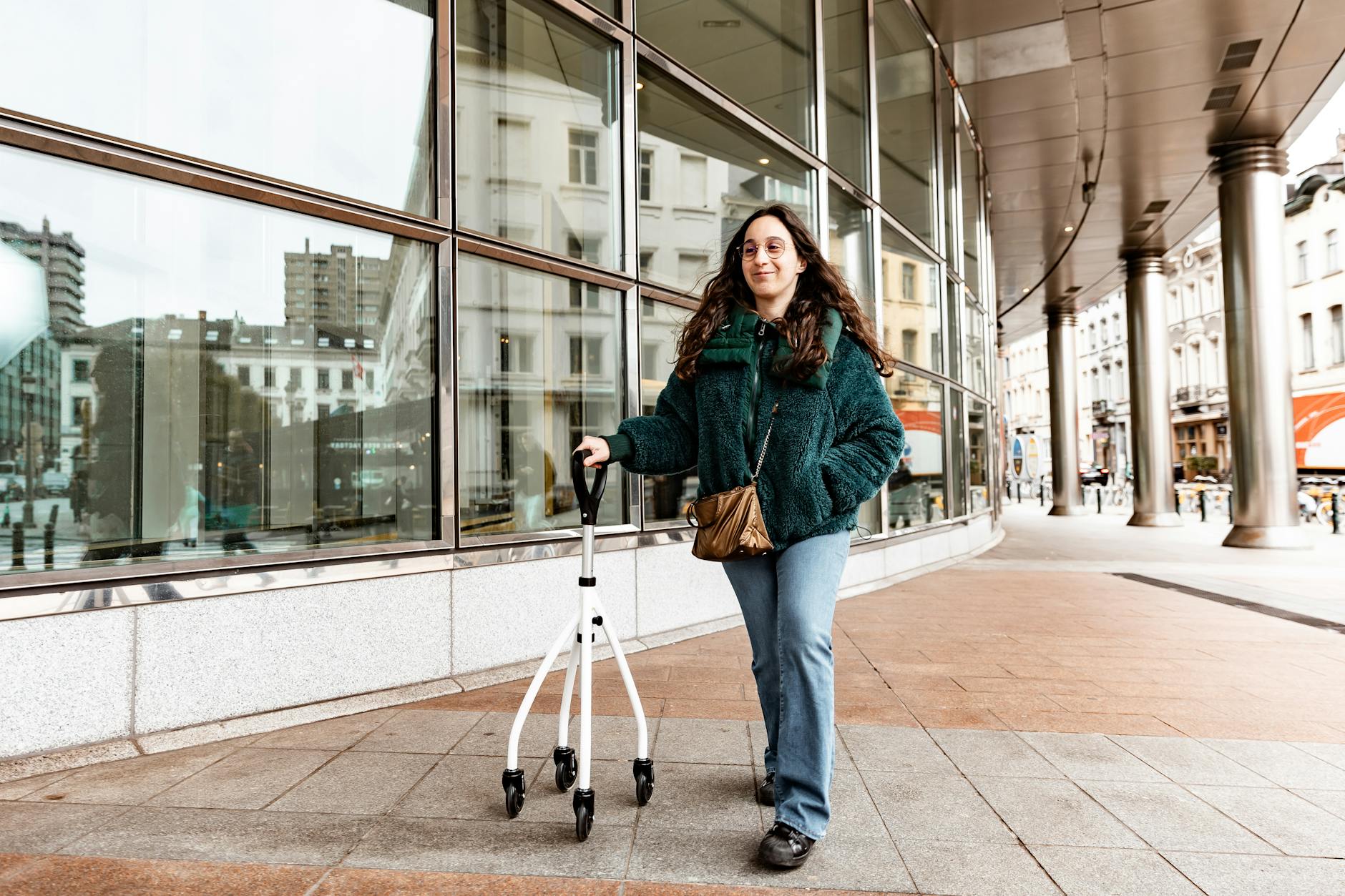
The most direct way to maintain or improve grip strength is progressive resistance training. This doesn’t mean you need to join a gym. Squeezing a hand gripper, carrying heavy bags, wringing out wet towels, or digging in soil all build grip. More broadly, doing any resistance training—weight lifting, bands, bodyweight exercises—maintains the muscle throughout your body, including your hands. Studies show that older adults who engage in resistance training twice weekly maintain grip strength significantly better than sedentary peers.
Nutrition is equally important. Grip strength declines faster in people who don’t eat enough protein. After 50, many people eat the same amount of protein as they did at 30, but their body absorbs it less efficiently and needs more to maintain muscle. Most people over 70 should aim for 1.2-1.5 grams of protein per kilogram of body weight daily—a 150-pound person needs about 80-100 grams per day. A 67-year-old woman who eats cereal for breakfast and chicken salad for lunch but then skips dinner has fallen short. One example: adding a protein-rich Greek yogurt, a hand of almonds, or a glass of milk in the evening often makes a measurable difference in grip strength within months.
The Future of Grip Strength Screening and Prevention
As the relationship between grip strength and mortality has solidified in research, it’s entering mainstream medicine. More clinics are measuring it. Some insurance companies are starting to recognize weakness early and encouraging intervention—physical therapy, nutrition counseling—before disability occurs. This is a shift from waiting for someone to fall, get injured, and then rehabbing them, to identifying decline proactively.
The outlook for someone who learns their grip is weak is not grim. Unlike some aging changes, grip strength is modifiable. People in their 70s and 80s who start resistance training show measurable improvement within 6-12 weeks. A 76-year-old who learns her grip at 45 pounds (weak for her age) can realistically build it to 55 pounds through consistent effort, reducing her risk and improving her functional capacity. The challenge is that it requires sustained effort—this isn’t a medication you take once and forget.
Conclusion
Grip strength’s 1% annual decline after age 50 is real, but it’s not destiny. It’s a window into your overall muscle health and metabolic state. A weak or weakening grip often signals broader health decline, but it can also signal that action is needed now, when intervention is most effective. Your hands don’t have to follow the typical trajectory.
The practical next step for anyone over 50 is simple: ask your doctor to measure your grip strength and give you the number. If it’s low or declining, start moving and eating more protein. If it’s normal, keep doing whatever you’re doing. Grip strength won’t make you immortal, but maintaining it buys you function, independence, and years when your body feels capable of the life you want to live.
Frequently Asked Questions
Can you reverse grip strength loss once it happens?
Yes, partially. People who start resistance training show measurable improvement in grip within weeks to months. However, you can’t recover all lost muscle instantly. Someone who lost grip strength over five years can improve significantly in six months but probably won’t return to baseline without sustained effort. The sooner you start, the more you recover.
Is a hand gripper enough to maintain grip strength?
Hand grippers help, but they’re not sufficient alone. They isolate the hand and forearm but don’t work your legs, back, or core—the large muscle groups that contribute to overall mortality risk. Use a gripper as a supplement, not a replacement for broader resistance training.
If I’m already weak at 60, is it too late?
No. Research shows that people starting strength training even in their 70s and 80s build muscle and reduce mortality risk. You won’t return to your 40-year-old capacity, but you can be significantly stronger and more functional at 75 than if you never trained.
Why does grip strength matter more than other measures of fitness?
It doesn’t necessarily matter more. Walking speed, ability to rise from a chair, and balance are also predictive. But grip is objective, quick, cheap to measure, and highly predictive. It’s a convenient marker of overall health, not the only marker.
What if I have arthritis and can’t improve my grip?
Arthritis limits grip, but underlying muscle strength still matters. Ask your doctor about adapted exercises that work muscle without aggravating joints. In some cases, physical therapy can improve function within arthritis limitations.
Does hand strength alone predict mortality, or is it the overall muscle loss?
It’s the overall muscle loss. Grip is just the easiest thing to measure. Someone with weak hands but somehow strong legs still has elevated mortality risk because the condition that weakened their hands likely weakened their legs too.