

How to Find Help That Keeps You in Your Own Home
Finding help that allows you to stay in your own home starts with knowing what types of services exist and being honest about what you actually need.
Finding help that allows you to stay in your own home starts with knowing what types of services exist and being honest about what you actually need.

Many seniors are leaving thousands of dollars on the table each year through unclaimed tax credits, overlooked government benefits, and assistance...

Community resources extend senior independence by providing practical support systems that help older adults remain in their homes and maintain control...

Age-friendly design is the future of independence because it directly removes the physical and cognitive barriers that force older adults into unnecessary...
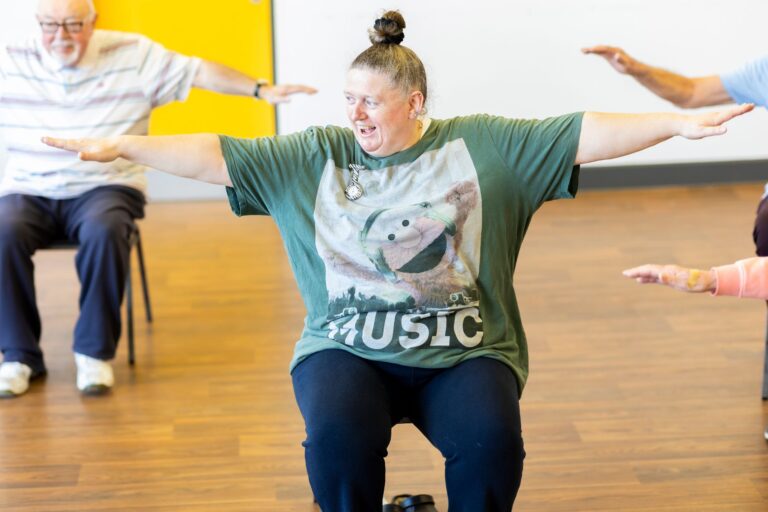
Local programs designed to help older adults stay home combine practical services, community support, and professional care to make aging in place both...

Age-friendly communities keep seniors self-sufficient by removing the barriers that force dependence.

The 2026 focus on aging is reshaping how older adults can live independently by recognizing a demographic reality: the oldest baby boomers are turning 80...

New federal policies and legislative expansions in 2026 are directly addressing seniors' desire to age in place by increasing funding for in-home support...

The Older Americans Act (OAA), passed in 1965 and reauthorized most recently in 2020, establishes your federal right to access services and support that...

Dignity should drive every aging-in-place decision because the way we live at home—how we maintain our autonomy, make our own choices, and remain engaged...