
A dementia-friendly home reduces confusion and hazards by modifying each room to match how a person with dementia actually lives and moves through space. Rather than buying assistive equipment or making one-time safety fixes, this approach organizes the home so daily routines—getting dressed, eating meals, using the bathroom—become easier and safer without constant supervision. The room-by-room strategy works because dementia affects how people navigate and understand their environment. A person may forget where the bathroom is, become confused by too many visual choices, or wander into the kitchen at 3 a.m. looking for breakfast. By making each space clearer and removing obstacles, you reduce the moments where confusion turns into injury, anxiety, or exhaustion.
Consider a real example: Margaret, who had moderate Alzheimer’s disease, lived with her adult daughter. After wandering out the front door in winter at midnight and getting lost, the family installed motion-sensor lighting above the main door, removed decorative rugs that could trip her, and hung large labels (“BATHROOM,” “KITCHEN”) on doorways. These changes didn’t cure her disease, but they gave her more independence and reduced her family’s need to hover or restrict her movement. Margaret could still live her life—she just did so in an environment built for how her brain now worked, not how it used to. This article walks through each main room of a home and explains what changes work, why they work, and what trade-offs you’ll face. You’ll find that some changes are free (removing clutter), some are cheap (adding labels), and some cost more (professional lighting design or bathroom remodeling). The goal is to help you decide what matters most for your loved one and your family’s situation.
Table of Contents
- Why Room-by-Room Planning Matters More Than Generic Safety
- The Living Room—Reducing Confusion and Wandering Triggers
- The Kitchen—Safety Without Eliminating Independence
- The Bedroom—Managing Nighttime Confusion and Sleep Safety
- The Bathroom—Preventing Falls and Drowning While Preserving Dignity
- Hallways, Entryways, and Movement Pathways
- Lighting, Color, and Sensory Environment
- Conclusion
Why Room-by-Room Planning Matters More Than Generic Safety
Dementia affects different people differently and progresses at different speeds. A blanket approach—adding grab bars everywhere, putting locks on all cabinets, removing all furniture—often backfires because it can make the home feel institutional, restrict independence, or alarm the person living there. Instead, a tailored room-by-room assessment lets you focus on the spaces where your loved one actually spends time and faces real hazards. Each room in a home has a specific purpose and a specific set of risks. The kitchen presents burn and poisoning hazards because stoves, knives, and chemicals live there. The bathroom presents falling and drowning hazards because of water, slippery surfaces, and physical vulnerability.
The bedroom is where nighttime confusion often emerges—someone waking in darkness without orientation. By thinking room by room, you can identify which spaces need the most urgent changes and which need none. A person who never cooks might need minimal kitchen modifications, while aggressive kitchen changes make life harder for the primary caregiver who still cooks daily. One common mistake is treating dementia-friendly design as “making the home childproof.” In fact, the opposite is closer to the truth. You’re trying to preserve dignity and independence while removing specific, real hazards. This often means *removing* things (doors, locks, complicated furniture) rather than adding more restrictions. The goal is that a person with dementia can move through the home safely without constantly bumping into barriers, being told “no,” or feeling trapped.
The Living Room—Reducing Confusion and Wandering Triggers
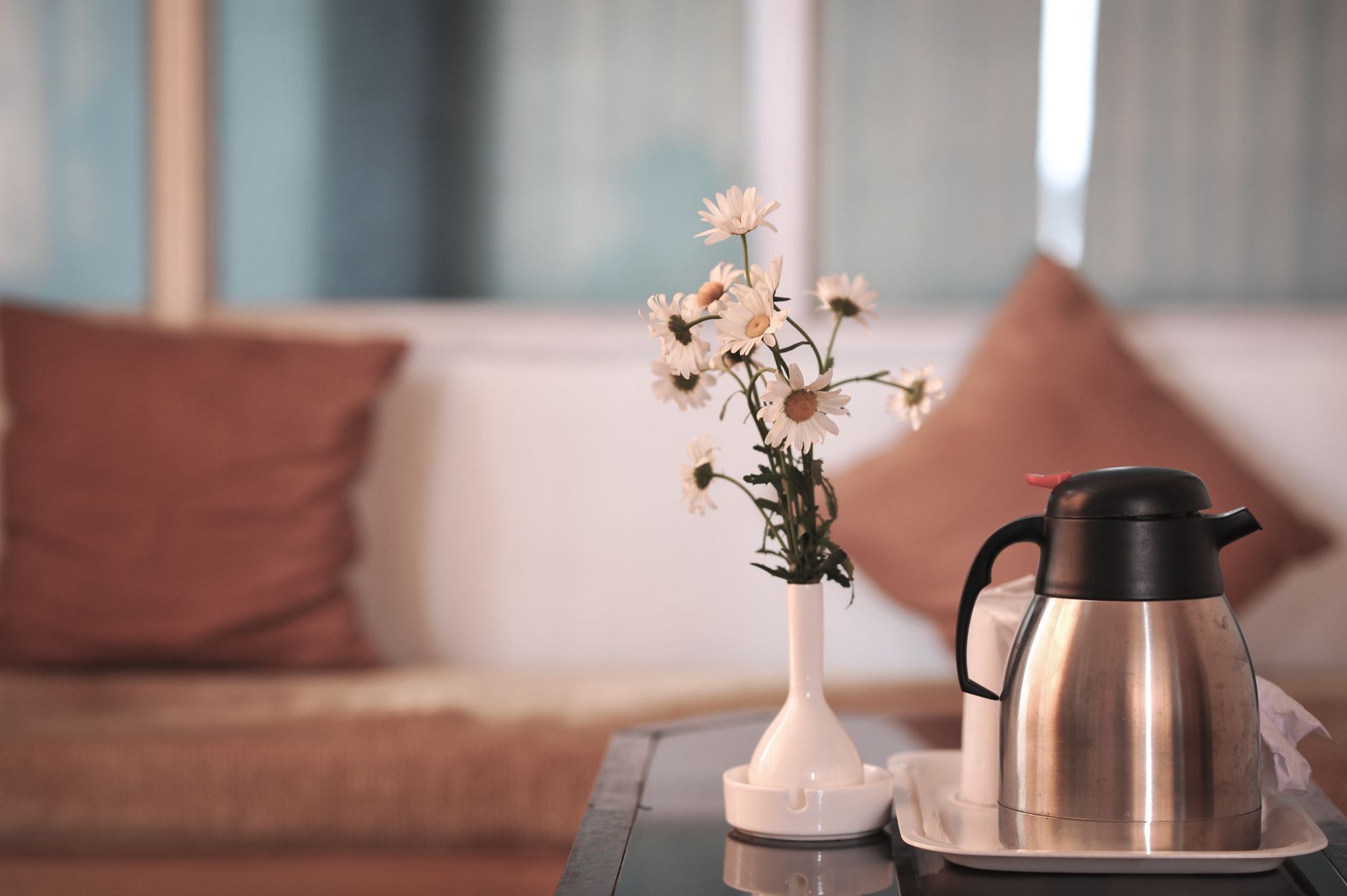
The living room is usually the heart of the home, where people relax, watch television, or move through to other areas. In dementia-friendly design, the living room’s job is to calm and orient, not overstimulate. Too much visual complexity—patterned wallpaper, many framed photos, multiple television or radio sources—can cause agitation and confusion. A person with dementia may become distressed by a flickering television, misinterpret an image on screen as something happening in the room, or feel overwhelmed by too many choices about what to do. Start by simplifying the space. Choose neutral wall colors (soft beige, sage green, pale blue—not busy patterns that look like objects to reach for or threats to avoid). Reduce the number of decorative items, keeping only a few meaningful pieces. Replace recessed lighting (which can seem like holes in the ceiling) with softer, indirect lighting.
Remove throw rugs and any furniture with sharp edges at head height. Arrange seating in a way that encourages natural movement toward other parts of the home—for example, positioning the chair to face a clear path toward the hallway, not toward a locked door that might frustrate someone who tries to leave. A critical limitation of the living room approach is that restrictions backfire. If a person with dementia regularly tries to wander into unsafe areas—the garage, outside—redesigning the living room alone won’t solve the problem. You may need to address doors, locks, or paths separately. Additionally, what feels calm to a caregiver (silence, minimal stimulation) may feel isolating to the person living there. Some people benefit from a familiar television show, music, or gentle activity. The trick is finding the right balance for your specific loved one, not imposing a generic “calm environment” that someone else read about online.
The Kitchen—Safety Without Eliminating Independence
The kitchen is where many families struggle. Kitchens contain sharp objects, heat sources, poisonous chemicals, and foods that spoil. A person with dementia might try to cook without turning off the stove, ingest cleaning products thinking they’re food, or leave food out until it spoils. At the same time, the kitchen is often a place of identity and routine. Many people have cooked for decades; losing access to the kitchen can feel like losing a core part of who they are. There are several practical changes that reduce kitchen danger without a complete lockdown. First, remove or lock away anything genuinely dangerous: cleaning supplies, medications, sharp knives, and alcohol. Move these to a high cabinet with a child-safety lock or, better yet, to a cabinet in another room entirely. Second, make the stove safer by installing a stove knob cover that requires intentional removal before the burners can turn on.
If the person in your life attempts to cook regularly but unsafely, consider an auto-shutoff stove or a stove guard that cuts gas supply after a set time. Third, reduce the number of appliances visible on the counter. A toaster, kettle, and microwave crowded together look chaotic and can prompt someone to try using them unprompted. A major warning: locking cabinets or restricting access entirely can cause severe distress, anger, and obsessive behavior. Someone may spend hours trying to open a locked cabinet, or may become convinced they’re being imprisoned. For many families, a middle path works better—labeling cabinet contents, removing tempting foods that might be eaten raw (especially spoiled food), and preparing simple, safe snacks in a specific, accessible drawer. If your loved one does use the kitchen independently, train them on specific tasks (making tea with a safety kettle, eating a prepared sandwich) rather than trying to prevent all kitchen activity. A caregiver-friend who lost her mother after a kitchen fire caused by a forgotten pot will tell you that some level of monitoring is necessary for anyone cooking unsupervised. There is no design solution that eliminates all cooking risk.

The Bedroom—Managing Nighttime Confusion and Sleep Safety
Nighttime is when dementia often shows its most dramatic behavioral changes. A person might wake at 2 a.m. completely disoriented, not knowing which direction the bathroom is, or confused about what year it is. Some people try to get out of bed multiple times a night, risking falls. Others become frightened and call for help repeatedly. The bedroom design should address these nighttime-specific challenges without making the space feel like a hospital room. Start with lighting. Install a dimmer-controlled overhead light so the space is never pitch-black, and add motion-sensor night lights along the path from the bed to the door and from the door to the bathroom. These prevent the moment of dangerous disorientation when someone wakes and has to locate a light switch in darkness.
Choose a low-platform bed or consider a bed rail on one side, but be cautious—bed rails can cause more injuries if someone tries to climb over them, and they can feel like a cage. Some families find a low futon or floor mattress safer than a traditional bed, especially for someone prone to falling. Simplify bedroom décor. Keep one clear path to the door; remove unnecessary furniture that could cause trips. If the bedroom is on the second floor and bathroom access requires stairs, you may need to relocate sleeping arrangements to a first-floor room or install a portable toilet in the bedroom. This is a major lifestyle change that requires honest assessment—can this person safely navigate stairs at 3 a.m. in a confused state, or are you setting up a fall hazard? One limitation of bedroom design is that if someone’s confusion or aggression is severe, no room design will prevent all incidents. A person may become agitated by the bed itself, or may not remember where they are no matter how well-lit the space is. In these cases, more direct supervision, medication adjustment, or behavioral strategies (a consistent bedtime routine, calming music) may be necessary alongside any physical changes.
The Bathroom—Preventing Falls and Drowning While Preserving Dignity
The bathroom is the most dangerous room in any home for an older adult, and even more so for someone with dementia. Bathing, toileting, and personal hygiene require vulnerability and balance. A person with dementia might forget how to use the toilet, become confused by a shower spray, or slip on wet floors. They might also resist help with bathing, leading to confrontations that escalate their distress. Install grab bars beside the toilet and in the shower or tub—not decorative bars, but bars rated to support body weight, installed into studs. Replace a traditional tub with a walk-in shower if possible, or add a shower chair and a hand-held shower head so bathing can happen seated and controlled. Use non-slip mats on floors and inside the tub. Install a toilet seat riser if the person has trouble standing after sitting (though some people with dementia become confused by an unfamiliar toilet seat). Keep the water heater set to 120°F maximum to prevent scalding if someone turns on hot water unattended. Add a raised toilet seat if bathroom visits are difficult or frequent—easier transfers reduce fall risk.
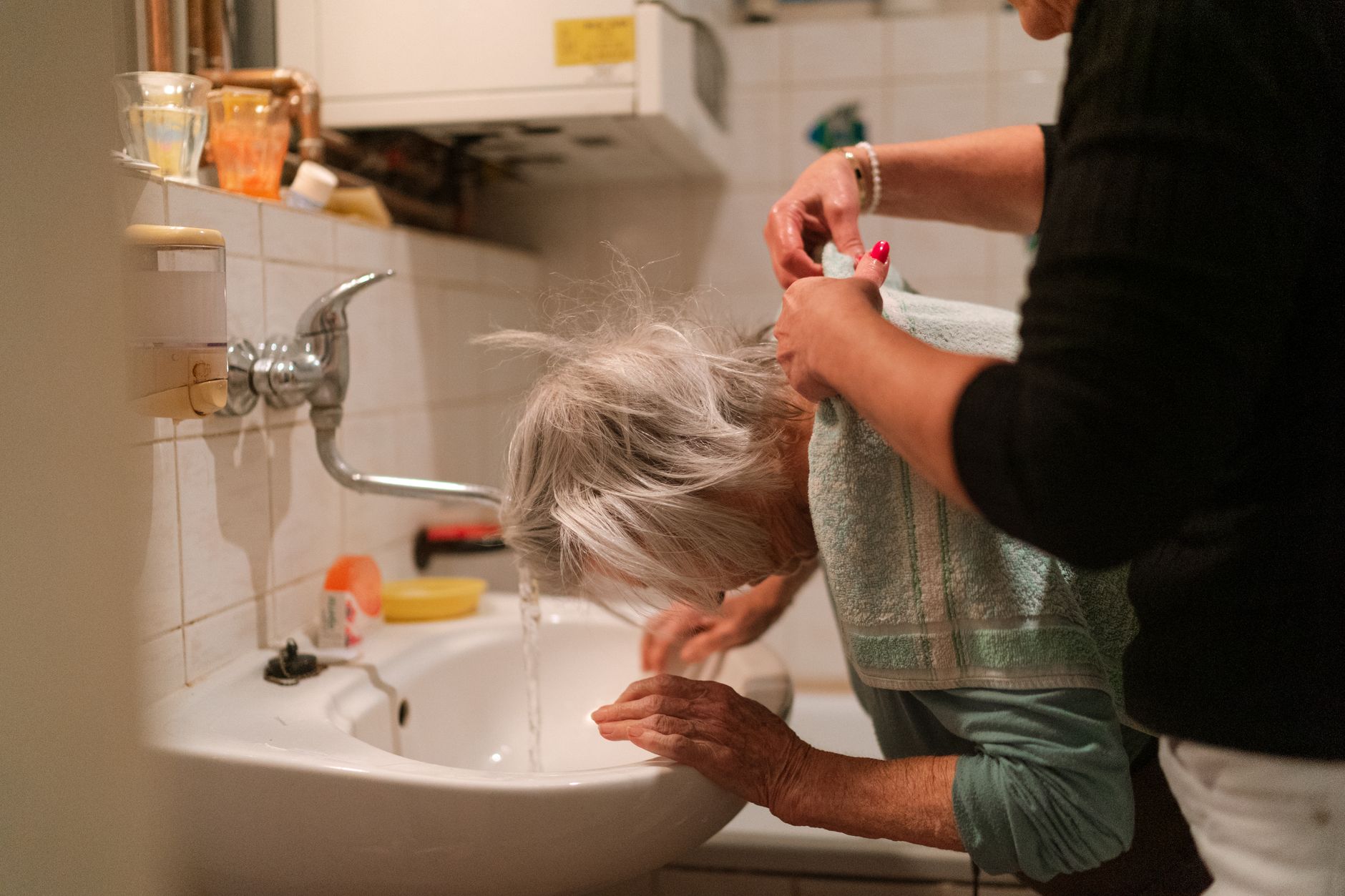
Remove the bathroom door lock or replace it with a lock that can be opened from outside, since a person with dementia might lock themselves in, become distressed, and injure themselves trying to force the door open. A critical limitation: fall prevention in bathrooms always involves trade-offs between safety and privacy. If you remove the lock entirely, the person loses privacy. If you keep a lock and someone gets stuck, you face a crisis. Some families use a hook-and-eye lock that’s harder to turn deliberately but can be opened from outside in an emergency. Another trade-off involves water temperature. Scalding prevention is crucial, but some people prefer very hot showers, and a 120°F limit might feel uncomfortably tepid to them. The best approach is often a shower valve with preset temperatures, so they can turn the handle but can’t access dangerously hot water. Finally, be aware that aggressive bathroom behavior—refusal to bathe, resistance to help—is sometimes rooted in confusion about what’s happening, not defiance. A person might perceive a shower spray as threatening or might not understand why a stranger is in the bathroom. Patience, explanation, and sometimes scheduling baths during their most lucid times of day work better than any physical design.
Hallways, Entryways, and Movement Pathways
How a person moves through a home—from the bedroom to the kitchen, from the front door to the living room—matters as much as individual rooms. Hallways and pathways should be clear, well-lit, and free of obstacles. Remove throw rugs, electrical cords, and any furniture that narrows walkways. If the home has multiple levels, install handrails along stairways on both sides if possible, and consider whether a person with dementia should navigate stairs unsupervised. Many families eventually move bedrooms, bathrooms, or sleeping arrangements to a single floor. Entryways and doors need special attention, especially if wandering is a concern.
A person with dementia might try to leave the home unprompted, unaware of danger or unable to find their way back. Rather than keeping someone constantly locked in—which is restrictive and often illegal without proper guardianship—some families use door knobs that require a specific action to open (a button press rather than a turn), motion sensors that alert them when a door opens, or even GPS tracking on clothing or a watch. If the person’s front door opens onto a porch or fenced yard where they can safely wander, this is often better than keeping them indoors. An example: James had early-stage dementia and a strong urge to walk. His family built a small, fenced garden area outside the front door. He could exit and walk around the garden without getting lost on the street. This preserved his independence and reduced his agitation far more than keeping the door locked.
Lighting, Color, and Sensory Environment
Beyond furniture and safety equipment, the sensory environment of the home affects how someone with dementia navigates and feels. Lighting is especially important because dementia often comes with vision changes—reduced ability to adapt to glare, increased need for brightness, confusion caused by shadows. Fluorescent and recessed lighting can feel harsh and disorienting. Instead, use warm, diffuse lighting throughout the home. Install motion-sensor lights in hallways and bathrooms so the person always has light when moving at night. Avoid skylights or large windows without shades if they cause glare; conversely, ensure windows provide access to natural light, which helps regulate sleep-wake cycles. Color also communicates. Dark-colored doors can seem to disappear into dark walls, leaving someone confused about how to navigate. Paint bedroom and bathroom doors a contrasting color to the walls, or add a brightly colored frame around them.
Use color consistency—if the bathroom is always cool blue, the person’s brain may eventually make the visual-spatial connection and find the bathroom more easily. Avoid bold, clashing patterns that can be visually confusing or even frightening. Some patterns (checks, busy prints) can look like obstacles to the eye or can trigger visual hallucinations. Simple, solid colors and gentle patterns are calmer and easier to navigate. A final sensory consideration is noise. A home with constant background noise—television, radio, multiple conversations—can overwhelm someone with dementia and increase agitation. Creating quiet spaces where the person can retreat is valuable. At the same time, some people become anxious in complete silence. The ideal is often soft, familiar sounds (classical music, nature sounds) or the normal sounds of the household (dishes, footsteps) rather than jarring or unexpected noise.
Conclusion
Creating a dementia-friendly home is not a one-time project. It’s an ongoing process of observing where your loved one struggles, what situations trigger anxiety or unsafe behavior, and what environmental changes actually help. The room-by-room approach gives you a framework for thinking through each space methodically, but the real work is customizing it to this specific person, in this specific home, at this specific stage of their disease. What works for one person with dementia may backfire for another. What is necessary at stage two may become unnecessary or counterproductive at stage three.
Start with the rooms where the person spends the most time and where you’ve noticed the most confusion or danger. Work with their doctor or an occupational therapist if possible—they can identify hazards you’ve missed and suggest modifications tailored to the person’s abilities. Remember that the goal is not to create a sterile, institutional space, but to preserve dignity, independence, and safety as long as possible. A home that feels like a prison, no matter how safe, is not actually a good solution. The best dementia-friendly home is one where the person living in it can still be themselves, but with fewer obstacles and less daily fear.