
The first signs of trouble in a parent’s home often appear as subtle changes that slip past casual visits. You’re looking for evidence that your parent can no longer safely navigate their living space, perform daily tasks independently, or maintain the home itself—things like scattered pill bottles on counters, water stains spreading across ceilings, bathtubs they’ve stopped using, or pathways blocked by accumulated items. These aren’t cosmetic issues; they’re signals that independence is becoming riskier and that either modifications, additional support, or a living situation change may be necessary.
The challenge is that aging adults often hide these problems, and we as adult children sometimes avoid looking closely because we don’t want to acknowledge what we’re seeing. A parent might explain away a broken step as “not a big deal” or insist they don’t need grab bars “yet,” even though they’re visibly unsteady. That gap between what they think they need and what the home actually demands of them is where trouble grows. Walking through a parent’s home with intention—looking at flooring, lighting, storage, and how they actually move through spaces—is one of the most important conversations you can have with them about their future.
Table of Contents
- Are Fall Hazards and Accessibility Problems Making Daily Movement Risky?
- What Do Neglected Maintenance and Deteriorating Conditions Reveal About Capability?
- What Do Bathroom and Kitchen Usage Patterns Signal About Independence?
- How Do You Assess Whether the Home Still Fits Your Parent’s Actual Mobility Level?
- Are Hoarding, Clutter, and Cognitive Changes Creating Safety Blind Spots?
- What Do Heating, Cooling, and Utility Problems Tell You About Adaptation to Change?
- How Do You Know When It’s Time to Bring in Professional Assessment?
- Conclusion
Are Fall Hazards and Accessibility Problems Making Daily Movement Risky?
Falls are the leading cause of injury-related death among older adults, and most of them happen at home. Loose rugs, cords running across hallways, uneven flooring, steep stairs without railings, and poor lighting are the obvious culprits, but equally important are the subtle ones: furniture arranged in ways that force awkward navigation, bathroom floors still slippery after showers, and bedrooms positioned so your parent has to travel far in the dark to reach a toilet. If you notice your parent moving slowly through familiar spaces, holding furniture for balance, or—critically—avoiding certain rooms or tasks, the environment is already demanding more than their body can safely provide.
A parent who used to navigate stairs confidently but now shuffles or grips the bannister tightly, or who suddenly stops using an upstairs bedroom and sleeps downstairs instead, is telling you something. Wet bathroom tiles without textured surfaces or grab bars, hallways with sharp corners and no handholds, and bedside tables positioned too far from the bed all reduce the margin of safety. Unlike other problems, fall risks don’t get better with age; they compound. What feels manageable at 72 feels dangerous at 78.

What Do Neglected Maintenance and Deteriorating Conditions Reveal About Capability?
A parent’s willingness to maintain their home—or their inability to do so—is a clear indicator of both physical capacity and cognitive awareness. Leaking roofs create water damage; deferred roof repairs become structural problems. Peeling paint, sagging gutters, cracked windows, and rotting wooden deck boards aren’t just unsightly; they signal that tasks requiring ladders, contractors, or even phone calls to arrange service aren’t happening.
This matters because unaddressed maintenance issues create hazards (a slippery deck, a flooded basement, mold exposure) and because they’re expensive to fix later. The limitation here is that you need to distinguish between “my parent can’t afford repairs” and “my parent can’t organize or execute repairs.” A parent on a limited income might simply prioritize groceries over gutter cleaning, which is a different problem than one who calls a contractor three times and forgets the appointment. Ask questions: Have they received quotes for major work? Can they explain why repairs haven’t been done? Are unpaid bills sitting on the kitchen counter? The answers tell you whether this is a money problem, a capability problem, or both.
What Do Bathroom and Kitchen Usage Patterns Signal About Independence?
How your parent uses their bathroom and kitchen—or stops using them—is among the most revealing indicators. If a parent has stopped bathing or showering in their own tub and instead uses a sink or basin, or if they’ve moved to wearing adult incontinence products instead of managing toileting independently, these are adaptations to a home that no longer works for them. A non-functioning bathroom isn’t just inconvenient; it directly threatens dignity and health.
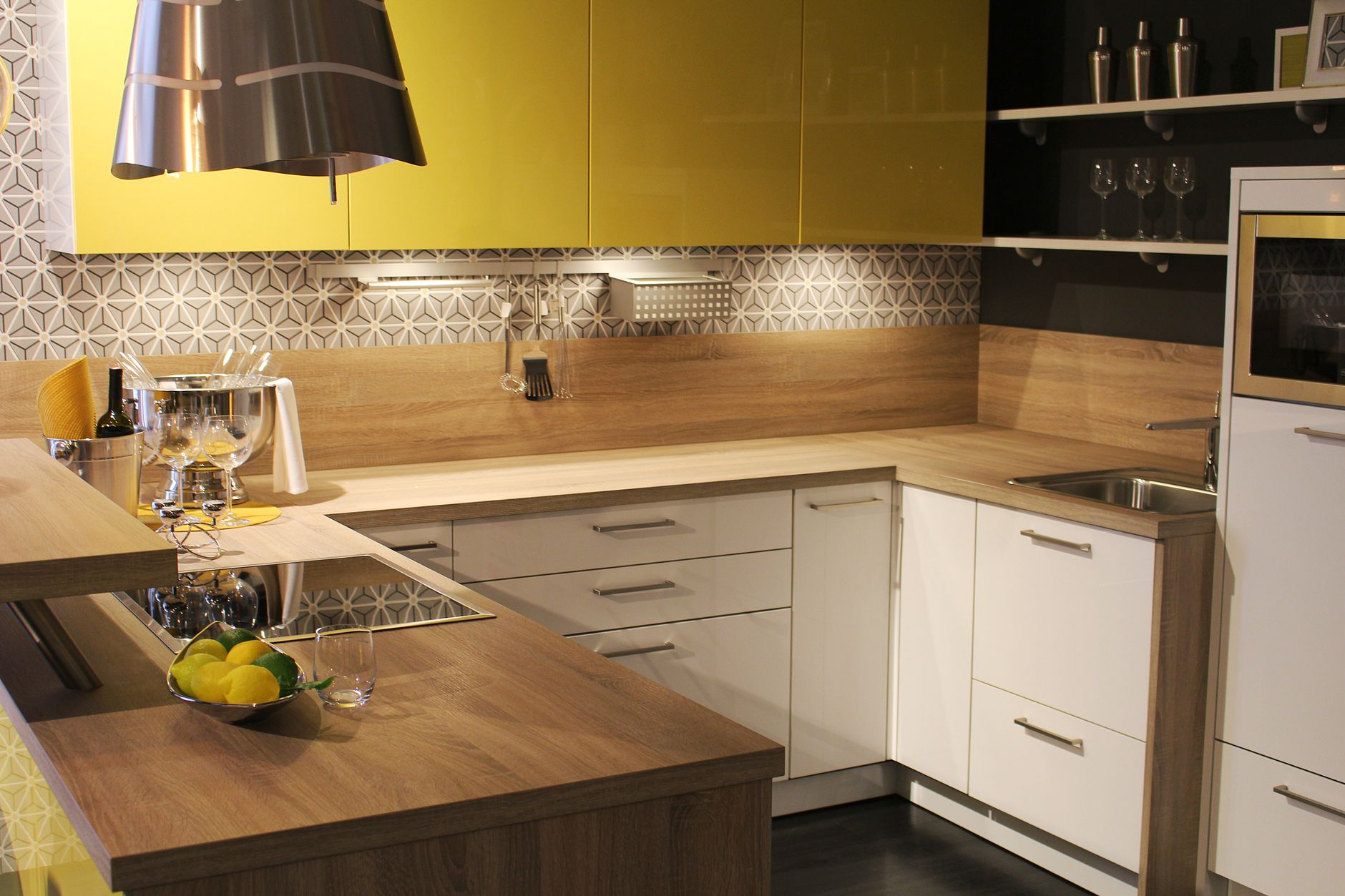
Similarly, the kitchen reveals functional capability. Is your parent eating less or switching to pre-made foods because cooking has become too difficult? Are there burns on the stovetop, forgotten meals, or a refrigerator full of spoiled items? Can they safely reach the stove, turn on the sink, and carry a full plate? If you see Meals on Wheels boxes stacking up or a kitchen that’s becoming increasingly unused, your parent may be losing the ability to feed themselves independently. A working bathroom and functional kitchen are non-negotiable for aging in place; if either is failing, living at home becomes unsustainable.
How Do You Assess Whether the Home Still Fits Your Parent’s Actual Mobility Level?
This requires an honest look at what your parent’s body can actually do versus what the home is demanding. A parent who uses a cane but whose hallways are too narrow, whose bathroom door swings inward (consuming precious space), or whose bedroom requires navigating a steep carpeted staircase is living in a home built for a different version of themselves. Doorways need to accommodate walkers or wheelchairs if there’s any possibility those might be needed soon. Flooring should be even and textured; slippery hardwood and deep carpet pile create hazards.
The tradeoff many families face is between making modifications (installing grab bars, widening doorways, adding ramps) and finding a different living situation. Home modifications can extend independence significantly, but they’re not free, they require permission from landlords or homeowners’ associations, and they take time to arrange. A parent who owns their home has more options than one renting. A single-story home is inherently more accessible than a multi-story one, though vertical space may mean less privacy or less flexibility later. Ask yourself: What’s the single most limiting feature of this home right now? Can it be fixed, and at what cost?.
Are Hoarding, Clutter, and Cognitive Changes Creating Safety Blind Spots?
Hoarding and extreme clutter are often early signs of cognitive decline or depression, not just laziness. If your parent’s home has shifted from lived-in but tidy to pathways narrowed by stacks of newspapers, mail, and possessions, this is worth taking seriously. Clutter blocks emergency exits, creates fire hazards, provides tripping risks, and makes falls more dangerous when they happen. Beyond safety, hoarding is frequently correlated with social isolation—if your parent has stopped inviting people over, that’s a warning sign on its own.
A critical limitation is that you can’t organize your way to a solution here. If a parent has developed hoarding behaviors or is accumulating items in ways they didn’t before, the root cause is usually psychological or cognitive, not organizational. Clearing the house without addressing why they’re accumulating things will result in the clutter returning. Professional assessment from a geriatric care manager or therapist may be necessary. Similarly, if you notice that your parent’s home is filthy despite them having the mobility to clean—stained furniture, food debris, odors—this suggests either depression, cognitive decline, or loss of motivation, all of which warrant a conversation with their doctor.

What Do Heating, Cooling, and Utility Problems Tell You About Adaptation to Change?
An aging parent might avoid using air conditioning to save money, leading to dangerously high indoor temperatures during heat waves, or skip heating in winter and sleep under multiple blankets instead of maintaining the thermostat. Neither of these adaptations is safe, especially if your parent has heart disease, arthritis, or other conditions sensitive to temperature extremes.
If you visit in winter and your parent is wearing a heavy coat indoors, or in summer and they’re sweating in a bedroom despite having an AC unit, the home environment isn’t supporting their health. Utility bills that are unpaid, shut-off notices on the counter, or an older parent simply stating “I don’t use that room anymore” when a power outlet stops working are signs that your parent is managing a home beyond their means or capability. These issues are often financial, but they’re also sometimes signs that your parent has given up on maintaining certain parts of the home and is concentrating their efforts (and their life) into smaller, more manageable spaces.
How Do You Know When It’s Time to Bring in Professional Assessment?
If you’re seeing multiple warning signs—fall hazards, maintenance issues, mobility concerns, bathroom or kitchen problems, and any sign of cognitive change or hoarding—it’s time to move beyond a family conversation. A geriatric care manager or occupational therapist can visit the home, conduct a professional assessment, and recommend specific modifications or changes. They can also help mediate conversations with your parent about what needs to change and why.
A professional assessment carries weight in ways a family member’s observations sometimes don’t. Your parent may dismiss your concerns as overprotective, but they’re more likely to listen to an objective expert who documents specific hazards and explains the safety risks. Professional assessments also help families make decisions about next steps—whether modifications can work, whether downsizing or moving to a different setting is necessary, and how to afford whatever changes are needed. This is an investment that typically costs a few hundred dollars but can prevent catastrophic falls, health crises, or emergency interventions that cost far more.
Conclusion
Your parent’s home should support their independence, not demand capabilities they no longer have. When you visit, look past the clutter or the dated wallpaper and focus on function: Can they safely get to and from bed? Can they use the bathroom and kitchen without risk? Are pathways clear, lighting adequate, and surfaces stable? Are maintenance issues being addressed or ignored? Are there signs of neglect, cognitive change, or adaptation to declining capability? The earlier you notice these signals, the more options you have. A home that needs modifications can often be adapted.
A parent struggling with maintenance can get help organizing repairs or contractors. A parent showing signs of cognitive decline can be evaluated and supported before a crisis forces the issue. But if you wait until a fall happens, a fire starts, or your parent can’t manage basic self-care, your options narrow dramatically and the stakes become much higher. The conversation about whether aging in place still works is one worth having while there’s still time to plan.