
The 8 Daily Rituals of People Independent Into Their 80s

People who remain independent into their 80s share a fundamental difference from those who lose autonomy: they prioritize health-adjusted longevity over...
People who remain independent into their 80s share a fundamental difference from those who lose autonomy: they prioritize health-adjusted longevity over...
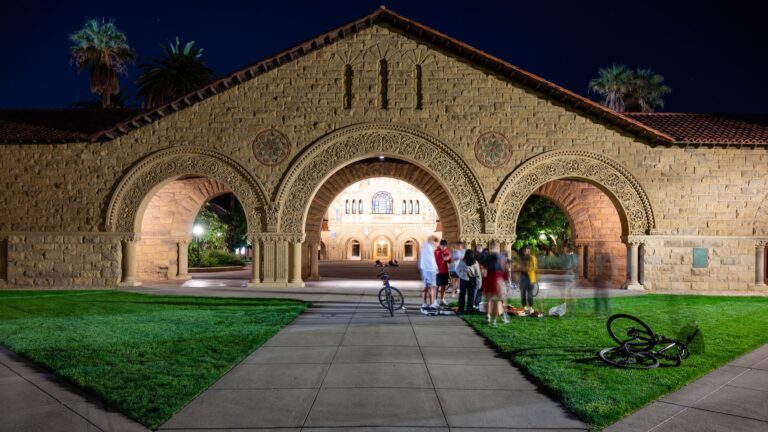
Stanford research centers on aging and longevity studies point to three core pillars for maintaining independence in your 60s and 70s: building and...

People over 70 who maintain independence share ten consistent habits that keep them active, mobile, and living on their own terms.
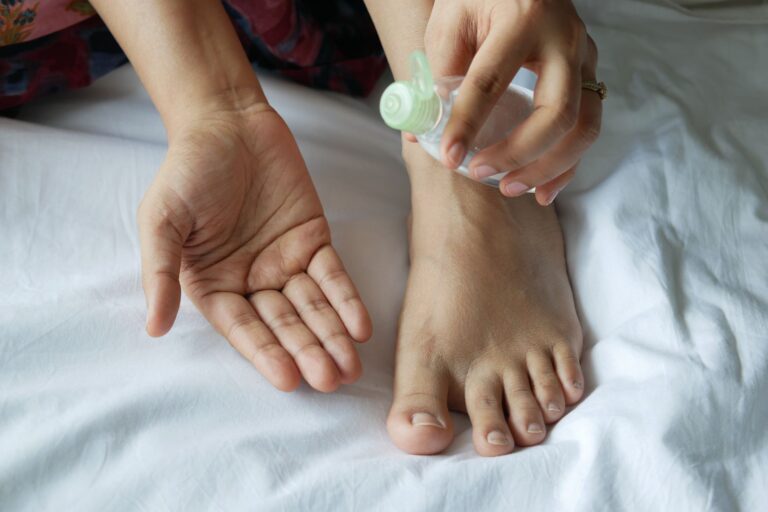
Foot care is underrated because most people don't realize that the health of their feet directly determines whether they can walk with confidence,...
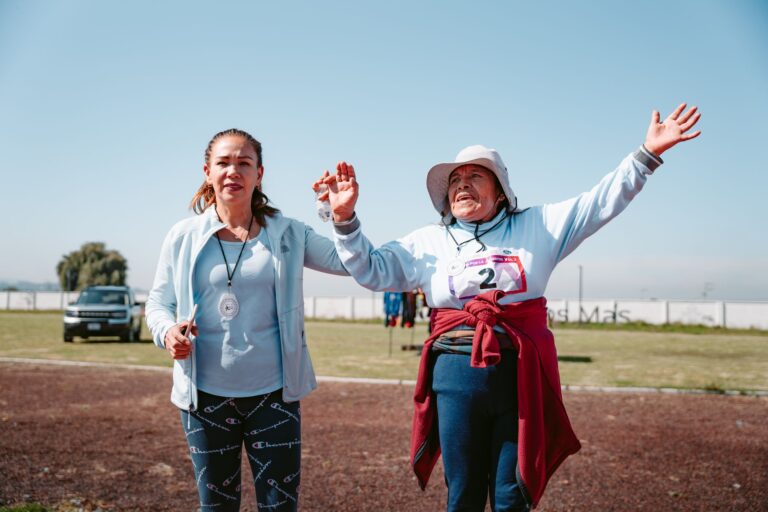
Seniors who remain independent closely monitor five critical health numbers: blood pressure, weight, blood glucose levels, walking speed or balance test...
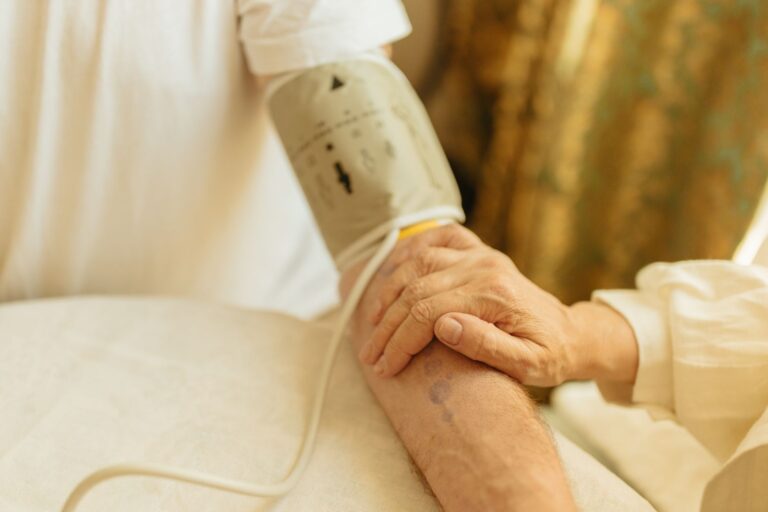
Independent seniors need annual checkups because early detection of health problems is the difference between living freely at home and losing the ability...

Catching health problems early enough to stay home means knowing what "normal" looks like for your own body, then noticing when something changes—before...

Hobbies become a force for staying independent because they maintain the physical abilities, mental sharpness, and social connections that independent...

James Peterson, a 74-year-old former mechanical engineer, made a simple but unconventional choice at retirement age: he didn't retire.
Ikigai—a Japanese concept meaning "reason for being"—keeps Okinawans independent well into their centenary years because the culture simply doesn't...