
The Incontinence Supplies That Actually Prevent Nighttime Accidents

The most effective incontinence supplies for preventing nighttime accidents aren't the ones with the most marketing spend—they're the ones that absorb...
The most effective incontinence supplies for preventing nighttime accidents aren't the ones with the most marketing spend—they're the ones that absorb...
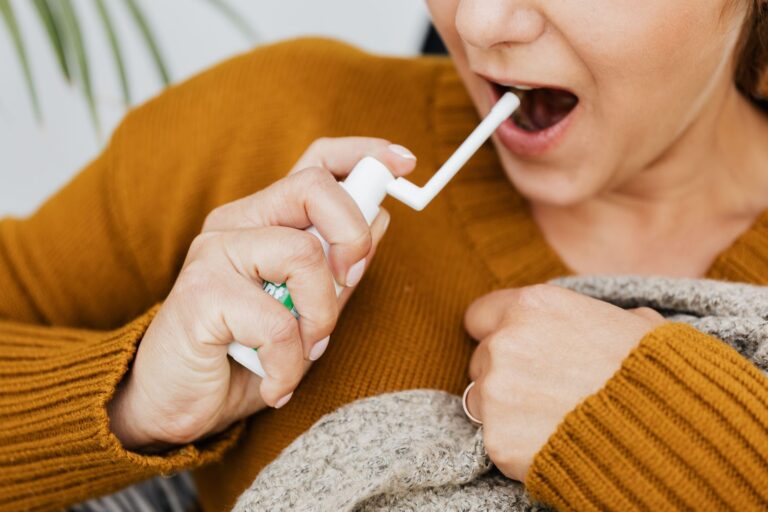
Dry mouth caused by medications is one of the leading causes of rapid tooth decay in older adults, particularly because it strips away the natural...

Overgrown toenails affect balance in older adults by creating micro-instabilities in how weight distributes across the foot—a seemingly small problem that...

Start planning for your parent's care by having an honest conversation about their wishes, their financial situation, and what kind of care they want...

Preventing a second fall after your parent's first one depends on addressing the three main reasons second falls happen: the physical damage from the...

A parent's first serious fall is a turning point that forces you to shift from the assumption of their invulnerability to the reality of their fragility.

Family caregivers miss an average of $2,500 to $5,000 annually in legitimate tax deductions and credits, according to research from caregiving...

Planning for dementia before symptoms appear means creating a legal framework, documenting health preferences, securing finances, and identifying support...

A dementia-friendly home reduces confusion and hazards by modifying each room to match how a person with dementia actually lives and moves through space.

Answering the same question for the hundredth time requires accepting that patience isn't about forcing yourself to smile—it's about reframing the moment...