
Why Losing the Car Keys Doesn’t Mean Losing Freedom
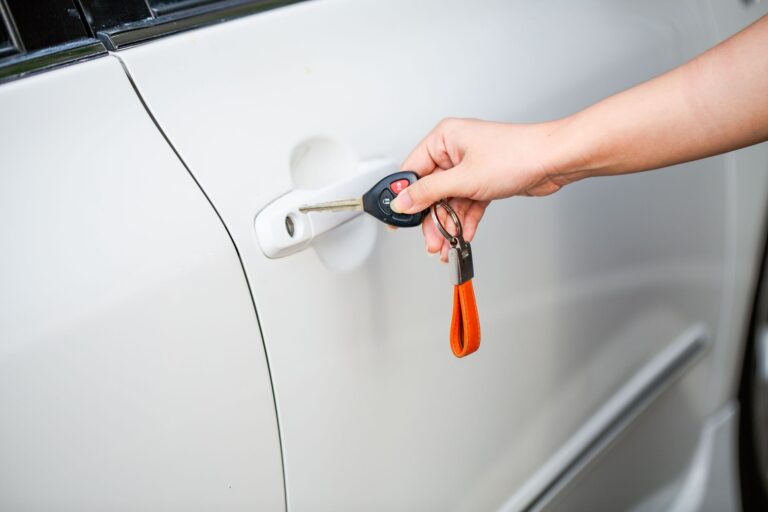
Losing your car keys—or the ability to drive—doesn't have to mean losing your independence or your life outside the home.
Losing your car keys—or the ability to drive—doesn't have to mean losing your independence or your life outside the home.
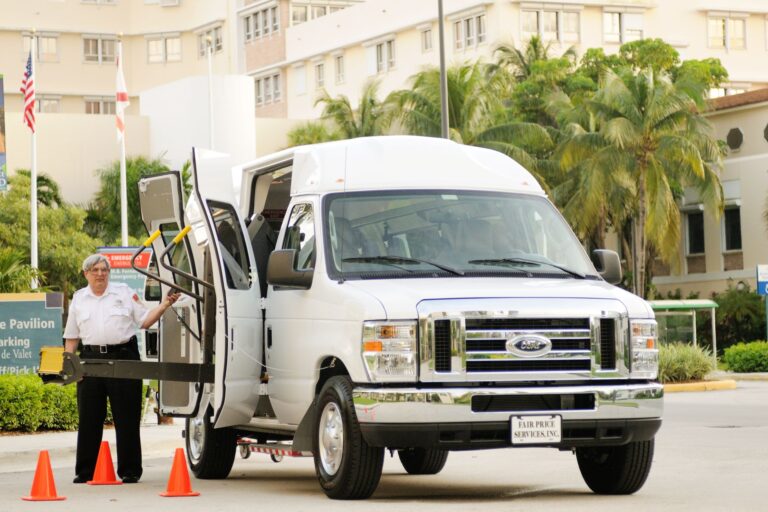
The transportation options that preserve independence are those that allow people to get where they need to go without relying entirely on someone else to...

Future-proofing your home before retirement means making structural, safety, and accessibility modifications now so you can age in place safely and...

A clear path through the house is one of the most overlooked yet powerful tools for protecting independence in older age.

The practical answer to arranging your home so you never have to reach or bend is straightforward: store everything at waist to eye level, organize...

Keeping your daily items waist-high prevents falls because it eliminates the need to reach overhead or climb to access things you use every day.

Organizing your home for long-term independence means deliberately removing obstacles to daily living, positioning frequently used items within easy...

The choices you make today—whether to take the stairs or the elevator, to spend an hour walking outside or streaming at home, to maintain social...

People over 70 who maintain independence share ten consistent habits that keep them active, mobile, and living on their own terms.

Vision and hearing checks prevent falls by identifying sensory deficits that compromise balance, depth perception, and spatial awareness—the three pillars...