
Safe weight lifting is strength training performed with proper form, appropriate loads, and controlled movements that build muscle without causing injury. For anyone over 50 or managing mobility concerns, strength training directly supports independence—it maintains the muscle mass needed to get up from a chair, carry groceries, climb stairs, and stay active. The difference between someone who can lift a moderately heavy bag of soil to plant a garden and someone who cannot comes down to consistent, safe strength work done over months and years.
Weight lifting at any age reduces fall risk, improves bone density, and preserves the muscle that naturally declines as we get older. A 65-year-old who regularly does bodyweight squats and light dumbbell exercises maintains the leg strength needed to recover if they stumble, whereas a sedentary peer may fall and break a hip from the same misstep. The key distinction is that safe lifting is not about competitive weight or ego—it’s about building practical strength through movement that your body can sustain without injury.
Table of Contents
- Why Does Strength Training Matter More as We Age?
- The Mechanics of Safe Lifting Form and Control
- Types of Safe Strength Training for Maintaining Independence
- How to Start a Safe Weight Lifting Program
- Injury Prevention and When to Modify or Stop
- Tracking Progress Without Getting Obsessive
- Long-Term Strength Training as Part of Aging in Place
- Conclusion
Why Does Strength Training Matter More as We Age?
Starting around age 30, most people lose 3 to 5 percent of muscle mass per decade if they do not exercise, and the rate accelerates after 60. This loss, called sarcopenia, directly affects daily function: climbing stairs becomes harder, opening jars requires more effort, and the risk of falling increases because your legs lack the power to catch you. Weight lifting directly reverses this decline—even light resistance training twice a week has been shown to maintain or rebuild muscle in people in their 70s and 80s. The practical benefit is enormous.
Compare a 70-year-old who does no strength training to one who does bodyweight exercises and light dumbbells twice weekly. The lifter can walk faster, stand up from a low chair without using their arms, carry a grandchild, and recover from trips and slips. The non-lifter relies more on caregivers and faces higher risk of hospitalization after a fall. Studies consistently show that strength training also improves confidence and reduces fear of falling, which often keeps people active longer and prevents the downward spiral of inactivity.
The Mechanics of Safe Lifting Form and Control
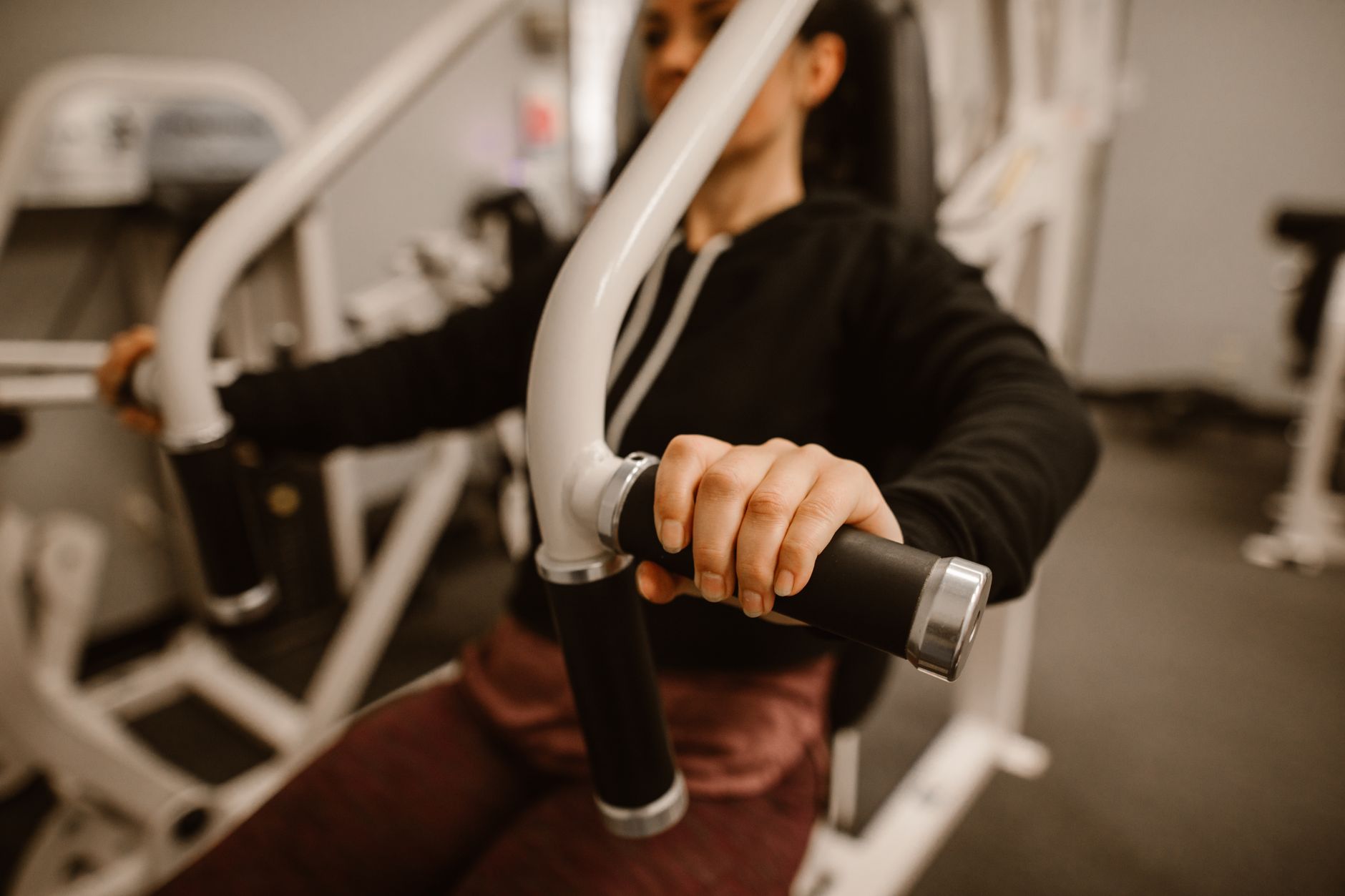
Safe lifting rests on three pillars: using the right amount of weight, moving with control, and maintaining proper alignment throughout the exercise. Most injuries happen when someone uses too much weight too soon, moves quickly or jerkily, or compromises form to complete a repetition. A 75-year-old doing five controlled squats to parallel with bodyweight is safer and more effective than one doing 15 rapid, shallow squats with poor knee alignment. Form is harder to maintain when you are fatigued, so beginners should stop at least two repetitions short of muscular failure—meaning if you could do ten more reps, stop at eight.
The weight should feel moderate, not heavy; you should be able to hold a conversation during the exercise. When you are learning, movement should be slow—two seconds down, one second up for basic moves like squats and deadlifts. A limitation of solo home training is that no one watches your form, so video yourself or work with a trainer for at least a few sessions to establish correct movement patterns. Bad form practiced repeatedly teaches your body bad habits that are hard to unlearn.
Types of Safe Strength Training for Maintaining Independence
There are three main modalities: bodyweight exercises (squats, step-ups, wall push-ups), resistance bands, and free weights or machines. For someone just starting or returning to exercise after years off, bodyweight is ideal because the weight is self-limiting—you cannot accidentally overload. A chair squat (sitting down to a chair and standing up) requires no equipment, can be done multiple times daily, and directly trains the movement pattern you need to live independently.
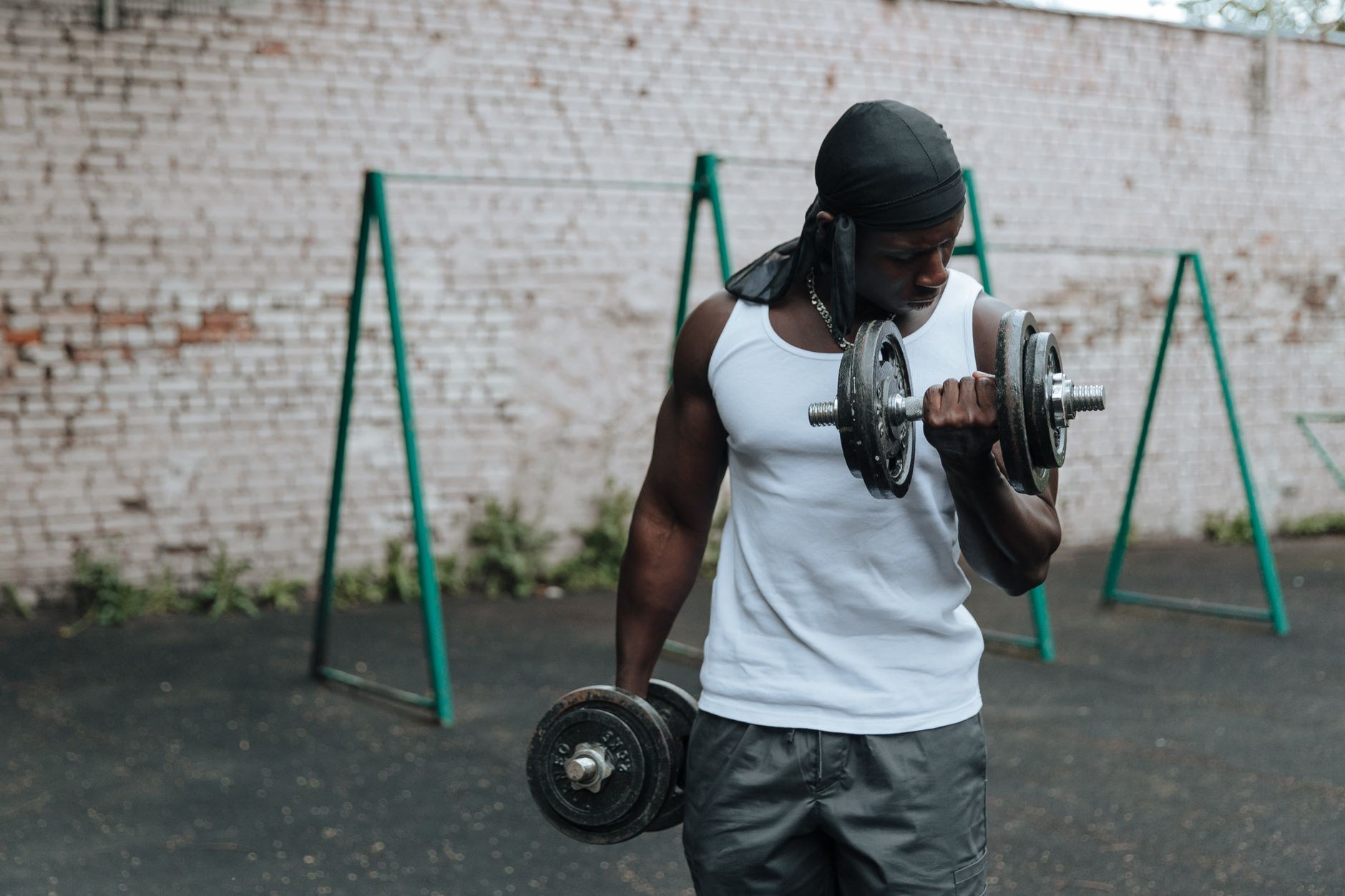
As you build strength, resistance bands offer portability and adjustable difficulty—you can change how thick a band you use or how many bands you stack. They are safer than free weights for someone with poor balance because the weight is less likely to fall and injury risk from dropping something is eliminated. Free weights (dumbbells) and machines provide more options and can be adjusted precisely as you get stronger, but they require more attention to form and are best learned under guidance. A person who does band-resisted rows three times weekly for two months can move on to light dumbbells and gain strength more efficiently; jumping directly to dumbbells without that foundation risks poor form and injury.
How to Start a Safe Weight Lifting Program
Beginning a strength program requires a simple structure: pick 5 to 8 basic exercises, perform them twice weekly on non-consecutive days with at least one rest day between sessions, and do 2 to 3 sets of 8 to 12 repetitions of each. A practical starter routine might include: bodyweight squats, wall push-ups, resistance band rows, step-ups on a low step, and seated shoulder presses with light dumbbells. This takes about 20 to 30 minutes and covers all major muscle groups—legs, chest, back, and shoulders. The progression is gradual but measurable: week one, you do the routine at your baseline weight.
Week two, it feels slightly easier but you keep the weight the same. By week three or four, you can add a little more weight or do one extra repetition per set. This sounds slow, but over three months the difference is dramatic—what felt heavy becomes moderate, and you can do more than you could. A common mistake is progressing too fast: jumping from five-pound dumbbells to ten-pound dumbbells often breaks form and derails progress. A safer approach is to increase weight by the smallest increment available, usually one or two pounds per hand, or add one repetition per set every two weeks.
Injury Prevention and When to Modify or Stop
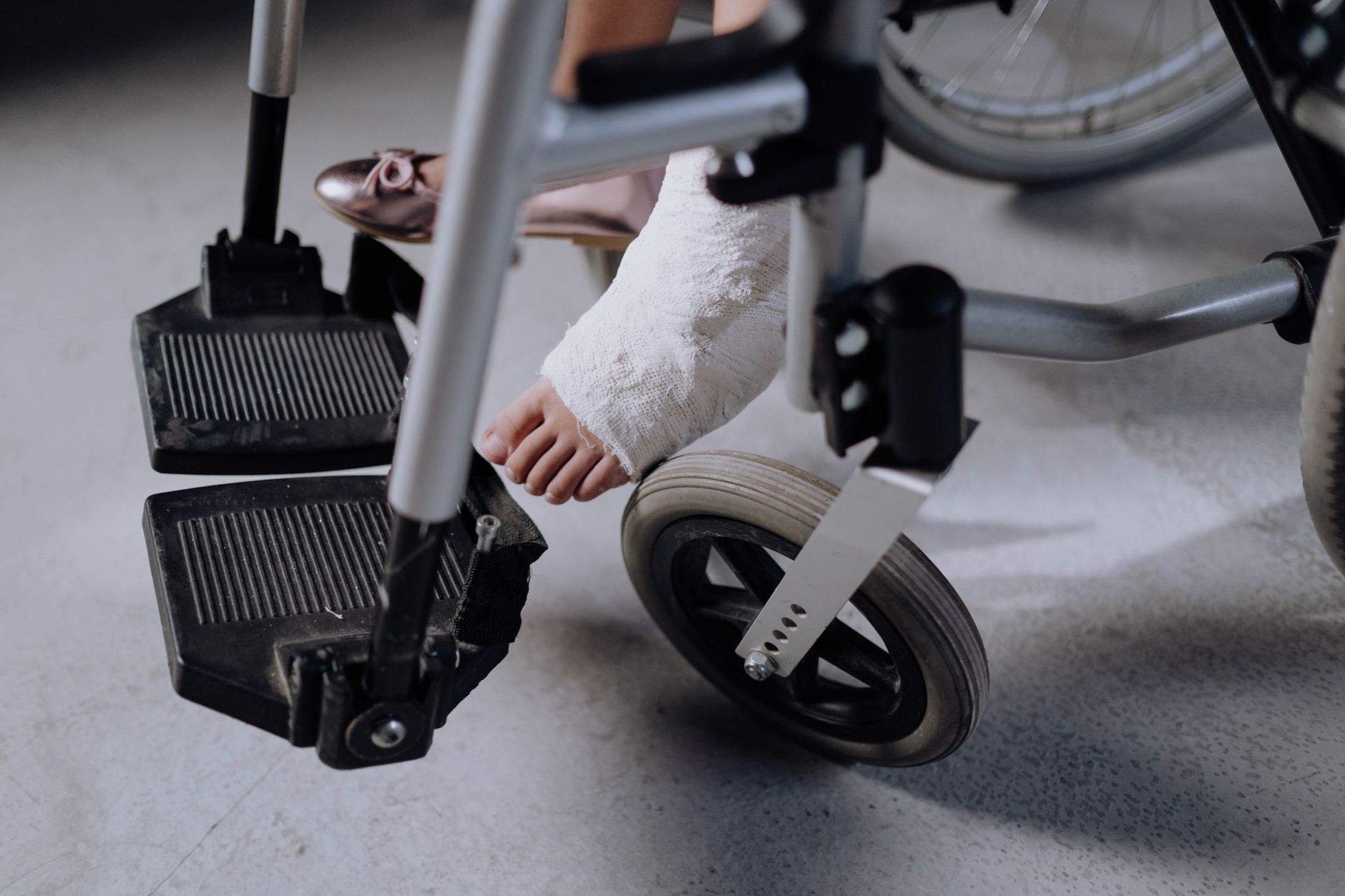
Pain is a signal—soreness one to two days after exercise is normal and expected, but sharp pain during the exercise or pain that worsens over days is a warning to stop. Distinguishing between muscle soreness (a dull, whole-muscle ache) and injury pain (sharp, localized, or joint-related) is crucial. If an exercise causes joint pain, stop immediately. If it causes muscle soreness, that is normal and will fade in two to three days; continuing to exercise is usually fine.
Common risk factors for injury include returning to lifting after months off and jumping into high intensity, moving with momentum instead of control, or ignoring pain because you are determined to finish a set. Someone returning after a year of inactivity should cut their anticipated intensity in half and rebuild over four to six weeks. A limitation of aging is that soft tissue like tendons and ligaments heal more slowly, so an injury that would sideline you for two weeks at 30 might take six weeks at 65. Preventive strategies include warming up with five minutes of light movement (walking, arm circles), doing mobility work two or three times weekly (gentle stretching, foam rolling), and staying consistent—exercising twice weekly for ten weeks straight is far safer than exercising intensely once, taking two weeks off, and starting again.
Tracking Progress Without Getting Obsessive
Progress is easiest to see if you write down what you do—the exercise, weight, and reps for each set. This takes 30 seconds per session and removes guesswork. You can look back at week one and see that you did five-pound dumbbells for ten reps; eight weeks later you are doing ten-pound dumbbells for twelve reps. That is undeniable progress and is motivating.
A simple notebook or phone notes app is enough; there is no need for an expensive app or device. Real-world progress also matters: you notice you can carry a heavy grocery bag with one hand now, climb stairs without grabbing the railing, or push a stuck door open. These moments often matter more than the weight itself because they directly connect strength training to the independence goal. Track both the numbers and the real-world wins.
Long-Term Strength Training as Part of Aging in Place
Strength training is not something you do for twelve weeks and then stop—it is a lifelong practice. People who maintain strength through their 70s, 80s, and beyond have far better health outcomes, fewer falls, better mobility, and higher quality of life. The commitment is modest: two sessions of 30 minutes per week is roughly 4 percent of waking hours, yet it pays dividends across all aspects of independence.
The future of aging well includes strength training as a core pillar alongside nutrition and social connection. The people who age most successfully do not exercise intensely; they exercise consistently. A 75-year-old who lifts weights twice a week has better function and fewer health complications than a 75-year-old who never lifts, even if the lifter started at 65. It is never too late to begin.
Conclusion
Safe weight lifting is a proven method to preserve and rebuild the muscle, bone, and functional capacity needed to live independently as you age. It requires no membership, minimal equipment, and only a commitment to consistency—two sessions per week, using moderate weight, with proper form. The results are measurable: stronger legs mean fewer falls, stronger upper body means less reliance on caregivers for daily tasks, and improved overall fitness means better health and longevity.
Start today by choosing five basic exercises you can do at home, learning correct form from a trainer or video, and committing to two sessions per week. Give yourself four to six weeks to see progress, stay aware of your body’s signals, and adjust as needed. The person you want to be in five years—independent, capable, confident in your body—is built through the consistent strength work you do today.