
Mobility matters more than age because your ability to move, function, and manage daily tasks independently determines your quality of life far more than the number of years you’ve lived. An 85-year-old who can walk without assistance, climb stairs, and move confidently through their home is in a stronger position to maintain independence and age in place than a 65-year-old whose arthritis, weakness, or injury confines them to a chair. Chronological age is simply a number, but functional ability—the real measure of what your body can do—shapes whether you can live the life you want. Consider the real difference between two people: Margaret, 82, still walks her neighborhood daily, shops independently, and takes care of her own home.
Her neighbor Tom, 68, had a fall that limited his mobility; he now relies on his daughter for grocery shopping, housework, and transportation. Margaret’s age hasn’t stopped her independence. Tom’s reduced mobility has. This distinction is crucial for anyone thinking about aging in place, managing caregiving needs, or planning for long-term care.
Table of Contents
- Why Mobility Determines Independence, Not Calendar Years
- The Cascade Effect: How Lost Mobility Triggers Decline
- How Mobility Directly Shapes Caregiving Needs
- Practical Strategies for Maintaining and Protecting Mobility
- Common Mobility Challenges and the Risks of Ignoring Them
- Technology and Adaptive Equipment as Mobility Enablers
- Building the Foundation for Sustainable Independence
- Conclusion
- Frequently Asked Questions
Why Mobility Determines Independence, Not Calendar Years
Your mobility—your ability to move, balance, climb, reach, and perform physical tasks—is the foundation of independence. Without it, even simple activities like getting dressed, preparing meals, or managing the bathroom become impossible to do alone. A person with strong mobility can adapt to challenges and solve problems in their home without needing someone else present. A person with limited mobility faces barriers everywhere, even in a home they’ve lived in for decades. The research is clear on this. Studies show that loss of mobility is one of the strongest predictors of whether someone will need to move into assisted living or a facility—not age itself. People in their 70s and 80s with good mobility have lower rates of institutionalization than people in their 60s with poor mobility.
Mobility is also directly linked to cognitive health. When people can move and stay active, they maintain better mental sharpness, emotional resilience, and social engagement. The reverse is also true: immobility quickly leads to decline in all these areas. One important comparison: two people with arthritis in the knee might respond completely differently depending on their overall mobility and fitness level. One person maintains strength through modified exercise and builds up tolerance; their arthritis limits them but doesn’t disable them. The other person avoids movement, becomes deconditioned, and their arthritis-related limitations multiply. The disease is the same, but mobility—or the loss of it—determines outcomes.

The Cascade Effect: How Lost Mobility Triggers Decline
Once mobility starts declining, a cascade of problems often follows quickly. A person who’s less mobile moves less, which weakens muscles further. Weakened muscles increase fall risk, which creates fear of moving, which causes more deconditioning. This cycle is relentless. Within weeks of reduced mobility, someone can lose noticeable strength. Within months, they may need assistance with tasks they once managed alone. The hidden cost here is that mobility loss doesn’t affect just physical function—it affects every dimension of life. Someone who can’t walk to the mailbox becomes more isolated.
Someone who can’t climb stairs is confined to one floor. Someone who can’t stand and cook loses the pleasure and control of managing their own meals. Each lost capability creates a new dependency, often requiring family members to fill the gap. What starts as one functional limitation quietly multiplies into a full caregiving situation. There’s an important limitation to understand: not all mobility loss is preventable or reversible. A stroke, advanced Parkinson’s disease, or severe arthritis may permanently limit what someone can do. But even with these conditions, the goal is to maintain the maximum mobility possible and adapt the environment to work with the person’s abilities. Someone with Parkinson’s may never move like they did at 50, but careful physical therapy, medication management, and home modifications can preserve abilities that the person might otherwise lose to deconditioning and isolation.
How Mobility Directly Shapes Caregiving Needs
The amount of caregiving support someone needs is tied directly to their mobility level. A mobile person might need help with specific tasks—preparing complex meals, managing medications, driving—but they can handle personal care, hygiene, and moving through the house. An immobile person requires assistance with nearly everything: bathing, dressing, toileting, transferring from bed to chair. These needs aren’t just inconvenient—they’re exhausting for caregivers and expensive if caregiving must be paid for. Consider a real example: Martha, 79, lives with her daughter. Martha can walk with a cane, manage stairs with a handrail, and shower safely if the bathroom is arranged well. She needs help with heavy cleaning, yard work, and driving to appointments, but she’s independent with personal care and daily living.
Her caregiving needs are maybe 5–10 hours a week. Her sister Dorothy, 81, had a stroke that left her with limited mobility; she can’t walk without a walker and two people, can’t manage stairs, and needs help bathing and using the bathroom. Dorothy’s caregiving needs are 40+ hours a week. Same approximate ages; vastly different caregiving burdens. The tradeoff is worth considering: investing time and resources in maintaining mobility now can dramatically reduce caregiving needs later. A 70-year-old who stays active and works on strength and balance might need minimal support at 85. A 70-year-old who becomes sedentary and loses mobility might need extensive care by 75. The difference isn’t age—it’s the path chosen and the effort invested.
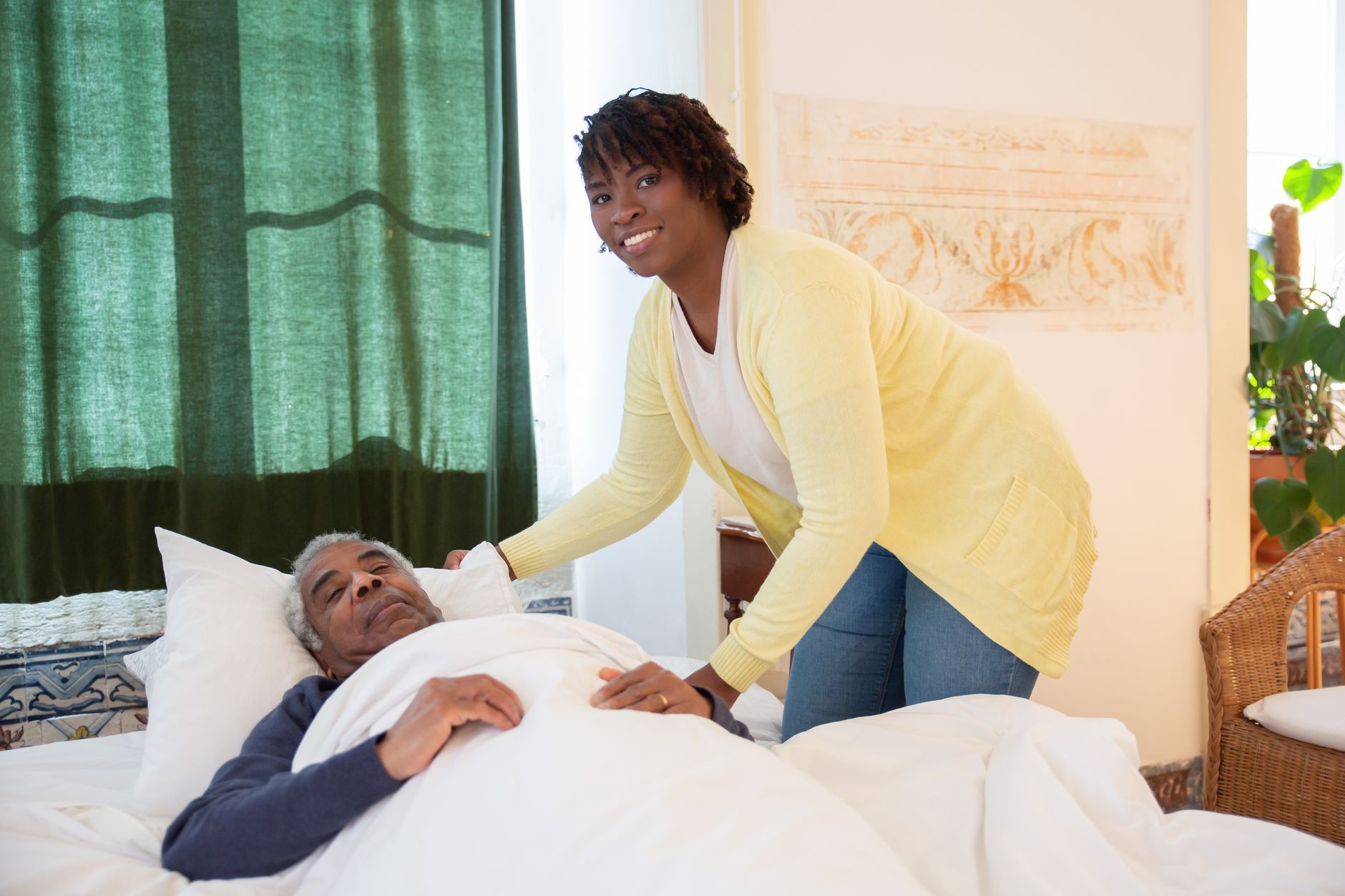
Practical Strategies for Maintaining and Protecting Mobility
The good news is that mobility isn’t something fixed at birth or abandoned once you’re older. Strength, balance, flexibility, and endurance can be maintained and even improved at any age if someone is willing to work at it. Regular physical activity—walking, resistance training, balance exercises, and stretching—preserves mobility. This doesn’t require a gym or expensive equipment. It requires consistency and the right approach. Different approaches work for different people. Some people thrive with structured exercise classes or a trainer. Others prefer walking groups or solo routines at home.
Some benefit from physical therapy after an injury or surgery. The comparison is simple: people who exercise regularly maintain mobility and independence; people who don’t become deconditioned and dependent. The specific type of exercise matters less than the regularity and the fact that it addresses strength, balance, and cardiovascular health. Home environment matters too. Removing fall hazards, installing handrails, ensuring good lighting, and adapting the kitchen and bathroom for safety all protect mobility. These changes allow someone to move confidently through their home without help. Someone living in a poorly adapted space has to ask for help more often, which reinforces dependence and can accelerate decline. The investment in adaptations is an investment in independence.
Common Mobility Challenges and the Risks of Ignoring Them
Falls are the top mobility threat for older adults, but they’re not inevitable. Falls happen when balance, strength, or vision decline, or when the environment creates hazards. The danger of a fall isn’t just the immediate injury—it’s the cascade that follows. After a fall, many people develop fear of falling again, which causes them to move less, which weakens them further, which increases fall risk. A single fall can be the start of rapid decline. Other common challenges include arthritis (joint pain limiting movement), diabetes complications (affecting feet and sensation), stroke or neurological disease (affecting control and coordination), and medication side effects (causing dizziness or weakness). Each of these can be managed to some degree with the right approach—physical therapy, medication adjustments, adaptive equipment, environmental changes—but only if someone recognizes the problem and acts.
The warning here is critical: ignoring mobility problems or hoping they’ll go away usually makes them worse. The time to act is early, when intervention can still make a difference. A significant limitation: some people face genuine barriers to maintaining mobility. Someone with severe arthritis that causes significant pain might struggle to exercise. Someone in a rural area with few services might find it hard to get physical therapy. Someone with limited resources might not afford adaptations or equipment. These real barriers don’t mean giving up, but they do require creative solutions, sometimes including more family or caregiver support. The goal is to do what’s actually possible within someone’s circumstances.

Technology and Adaptive Equipment as Mobility Enablers
Modern adaptive equipment can extend mobility in remarkable ways. A person who can no longer walk might move with confidence using a walker or wheelchair. Someone with arthritis might use reacher tools and ergonomic devices to manage household tasks. A person with vision loss might use lighting and tech aids. Someone with weakness might use grab bars and raised toilet seats.
This equipment doesn’t feel like aging—it feels like problem-solving. A practical example: James, 81, has severe osteoarthritis in his knees but is determined to stay in his home. With a combination of a cane, a shower chair, a raised toilet seat, and a long-handled reacher, he manages his apartment independently. Without these tools, he would need caregiving support for daily tasks. The equipment costs maybe a few hundred dollars but prevents thousands in caregiving costs. It also preserves his dignity and independence, which has value beyond money.
Building the Foundation for Sustainable Independence
The reality is that mobility changes across a lifespan, but this doesn’t mean independence has to end. The people who age most successfully are those who adapt: they maintain what they can, they use equipment and modifications when needed, they accept help where necessary, and they remain engaged with life. Mobility is one pillar of independence, but resilience and problem-solving matter too.
Looking forward, the conversation around aging in place is shifting. It’s no longer about whether someone can stay in their home unchanged, but whether they can stay in their home with appropriate support and adaptation. That support might be equipment, home modifications, caregiving, or often a combination. The goal is maintaining the maximum mobility and independence possible, which requires attention to this foundation early—before major decline forces crisis decisions.
Conclusion
Your age is less important than your mobility when it comes to maintaining independence and aging well. A person with strong mobility, balance, and functional ability can live independently at 85 or 90. A person whose mobility has declined will struggle with independence much younger. The good news is that mobility can be maintained and sometimes improved with consistent attention to physical activity, home safety, and adaptive support. The earlier someone starts investing in mobility, the more likely they are to preserve independence and avoid caregiving dependency later. If you’re thinking about aging in place or managing independence for a loved one, start with mobility.
Look honestly at current abilities and limitations. Work with healthcare providers to maintain strength and address issues early. Adapt the home environment to support safe, independent movement. Consider what technology or equipment might help. These steps, taken now, are often the difference between aging at home with confidence and facing institutional care within a few years. Your age doesn’t determine your future independence—your mobility does.
Frequently Asked Questions
Is it ever too late to improve mobility?
No. People in their 80s and 90s who start exercising regularly often see gains in strength and balance within weeks. The key is starting and being consistent. Even small improvements in mobility can mean the difference between independence and dependence.
How much exercise is needed to maintain mobility?
Research suggests 150 minutes of moderate activity per week, plus strength training 2–3 times weekly. For many older adults, this means brisk walking combined with simple home strength exercises. The activity doesn’t have to be intense—consistency matters more than intensity.
What if someone has medical conditions that limit exercise?
Work with a physical therapist or doctor to design an appropriate program. Many medical conditions are compatible with carefully adapted exercise. Even very limited movement—gentle range-of-motion exercises, short walks, water therapy—is better than nothing.
How do I know if someone’s mobility decline is normal aging or a warning sign?
Normal aging involves gradual changes. Rapid decline (weeks or a few months) is a warning sign requiring medical evaluation. Falls, balance problems, increased pain, or sudden weakness should prompt a doctor’s visit. Don’t assume these are just “part of aging.”
Can home modifications really prevent dependence?
Yes. Grab bars, better lighting, removing hazards, and adapting bathrooms and kitchens allow people to move safely and independently. A well-adapted home often reduces caregiving needs by 50% or more compared to an unadapted one.
What’s the relationship between mobility and cognitive health?
Regular physical activity and maintained mobility are linked to better brain health, less cognitive decline, lower dementia risk, and better mental health. Movement isn’t just about physical capability—it’s essential for overall health and independence.