
Building independence habits before you actually need them is about establishing routines, skills, and physical practices now that will keep you functioning safely and autonomously later. The reality is straightforward: the person who has walked regularly for decades will continue walking into their seventies and eighties far more effectively than someone who starts exercising only after mobility becomes a concern. The same applies to cooking, managing finances, remembering medication schedules, or navigating technology. These aren’t just nice-to-haves—they’re the difference between maintaining control over your life and becoming dependent on someone else’s schedule and decisions.
This isn’t a moral judgment about dependence; it’s recognition of a practical truth. A 72-year-old who has paid her own bills, cooked her own meals, and managed her own schedule her entire life can usually continue doing those things, even with arthritis or hearing loss. But someone who outsourced these tasks to a spouse or adult child at age 50 faces a genuine crisis at 75 when that person becomes unavailable. Building these habits early—or if you haven’t, building them now—protects your autonomy when your options narrow and your vulnerability increases.
Table of Contents
- Why Habit-Building Is Better Than Emergency Adaptation
- The Cost of Waiting Until Independence Is Threatened
- Maintaining Physical Capability Through Proactive Movement
- Practical Skill-Building Before Life Forces It
- Managing Technology and Information Before You’re Dependent on It
- Building Social Connection Habits Early
- Planning for the Variables You Can’t Control
- Conclusion
Why Habit-Building Is Better Than Emergency Adaptation
habits are deceptively powerful because they operate on autopilot, requiring far less cognitive energy than relearning a skill under pressure. When you’ve balanced a checkbook monthly for decades, doing it at 80 with vision changes or tremor is still possible because the core routine is automatic. You focus on the adaptation, not the entire process. Someone trying to learn bill-paying for the first time in their seventies, while recovering from a stroke or managing new medication side effects, faces an exponentially harder task. The habit itself becomes a scaffold that supports you through the physical changes. Consider the difference between someone who has always done their own laundry versus someone who hired a service at 50.
By 75, the first person, even with arthritis, has the muscle memory, knowledge of their clothes, understanding of the equipment, and established routine to manage. The second person now faces not just arthritis but complete unfamiliarity with the process—and the person they hired may no longer be available, may become unaffordable, or may not be where they are if they relocate. Habits give you optionality when circumstances force change. One limitation worth acknowledging: some habits require physical capacity that age may diminish regardless. You might have walked five miles daily for forty years, but a hip replacement at 78 might temporarily prevent that. However, the person with decades of walking habits will have better recovery prospects, stronger supporting muscles, and an ingrained pattern to return to. The habit doesn’t guarantee future capability, but it builds the physical and mental infrastructure that gives you the best chance.

The Cost of Waiting Until Independence Is Threatened
The brain’s neuroplasticity—its ability to form new neural pathways—begins declining noticeably after age 60, and more sharply after 70. This is not because older adults are incapable of learning; they absolutely are. It’s that the speed of learning slows, and the working memory available for managing complex new tasks shrinks. Learning to use a smartphone at 65, when you’ve never used one before, is possible. Learning it at 80 after a cognitive decline, while also managing a new health condition, is dramatically harder. There’s also the emotional factor.
Learning new skills independently, when you have time and no crisis, is different from learning them under duress when your independence is already compromised. The adult child who teaches their parent to use a tablet because the parent wants to video call the grandkids approaches it differently than one teaching it because the parent can no longer drive to appointments and needs to coordinate transportation. Fear and urgency don’t improve learning; they often hinder it. A practical warning: some people rationalize that they’ll learn or adapt “when the time comes.” The problem is that the time comes with other crises. You don’t get to learn to manage blood pressure medication in isolation at 82; you learn it while also grieving a spouse, managing a new diagnosis, or navigating hearing loss. Every person has a threshold of simultaneous changes they can manage. Building habits well before that threshold arrives means you’re not trying to learn three new things at once when crisis forces one of them.
Maintaining Physical Capability Through Proactive Movement
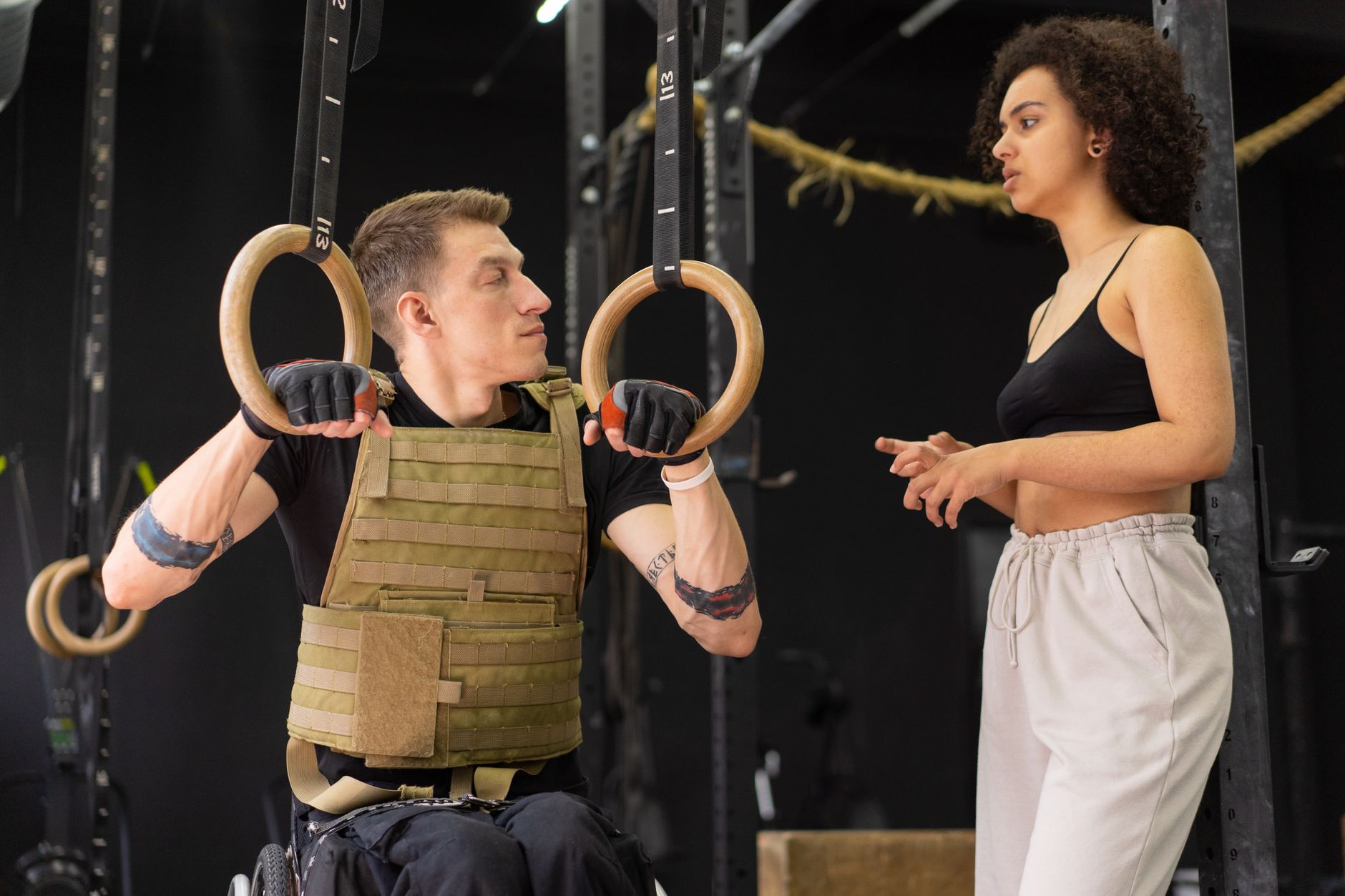
Movement habits are among the most important independence habits because they affect nearly everything else. The ability to stand from a chair, climb stairs, carry groceries, or shower independently all depend on musculature, balance, and endurance. These don’t stay level; they decline from age 30 onward if not actively maintained. But the decline is not inevitable—it’s preventable through consistent movement, and the earlier you establish that habit, the higher ceiling you maintain. A 60-year-old who has lifted weights or done resistance training three times per week for twenty years enters the aging years with significantly more physical resilience than someone of the same age who has been sedentary.
When that 60-year-old is 80, even if they reduce their training frequency or intensity, they’re likely still able to do things that matter: carry groceries, sit and stand without assistance, balance in the shower, walk to the mailbox. The sedentary person at 80 faces genuine dependence for tasks that are physically, not medically, impossible for them. The limitation here is that starting late is still better than not starting at all. A 70-year-old who has never exercised can build meaningful strength and endurance in six months to a year of consistent effort. The results won’t match someone who trained for forty years, but the improvement in function and independence is real and measurable. The point is not despair if you haven’t built these habits yet; it’s recognition that the sooner you start, the higher your baseline when you need it most.
Practical Skill-Building Before Life Forces It
Practical independence skills—managing medications, cooking, paying bills, basic home repair, navigating transportation options, using technology—need to be practiced regularly enough that you know how to do them but ideally before circumstances make them urgent. Many older adults have learned basic smartphone skills because they wanted to text their grandchildren. The same person learning it at 85 in a care facility because they need it to communicate with family faces completely different circumstances and motivation. Consider meal preparation: if you’ve cooked regularly for decades, you can adapt as mobility changes. You can sit on a stool to prepare food at counter height. You can use lightweight pots and long-handled utensils. You can plan simpler meals. But if someone else has cooked every meal for thirty years, and both that person and the older adult are now 80, the older adult faces both the learning curve and the physical adaptations simultaneously.
It’s like trying to learn to drive while managing a new medication that causes tremor—the core task is hard enough without the interference. One tradeoff worth considering: some people worry that building independence habits means not asking for help or being a burden. That’s a misunderstanding. The goal is optionality, not isolation. The person who can cook a meal if needed can also enjoy being cooked for. The person who can pay bills can also ask an adult child to help manage them. But they’re choosing, not dependent. And if that family member becomes unavailable—through distance, their own health, or circumstance—the older adult doesn’t face a crisis; they return to skills they already have.
Managing Technology and Information Before You’re Dependent on It
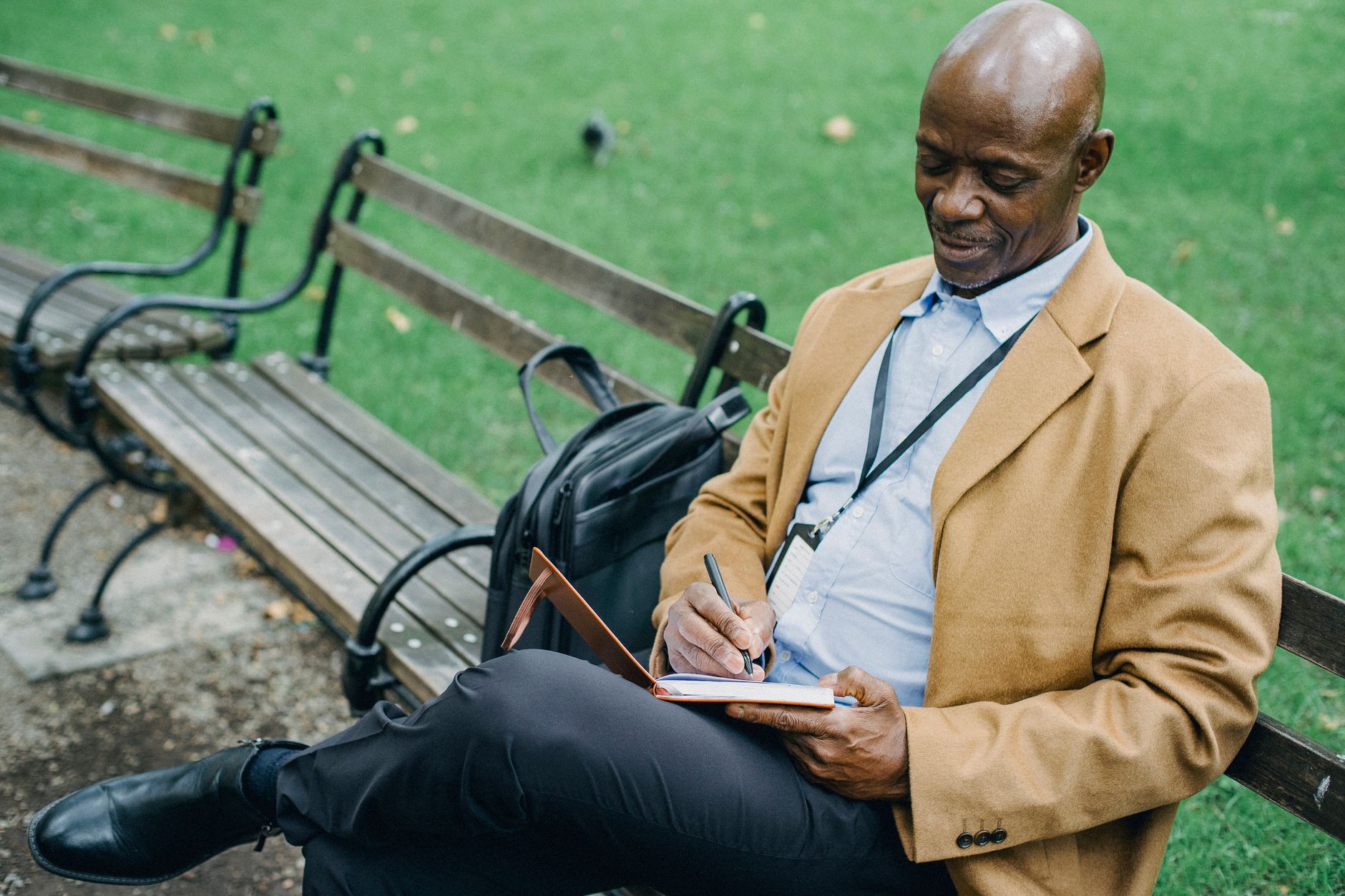
Technology is perhaps the most resistant habit for many older adults, but also the most essential now. Banking, healthcare communication, appointment scheduling, and information gathering have moved online. The person who learned email at 50, text at 60, and smartphone basics at 70 is in a completely different position than someone who avoided all of this and suddenly needs it at 80 when in-person banking closes or their doctor only schedules via patient portal. Learning technology is also cumulative—each new technology is easier if you’ve learned other technologies before. But there’s a warning: technology changes frequently, and habits formed with one system may not transfer to the next. Your email skill on a laptop may not transfer perfectly to an unfamiliar smartphone.
Your knowledge of Windows might not immediately help with an iPad. This means the habit isn’t just about learning a specific technology; it’s about building tolerance for learning new technology, comfort with being confused temporarily, and willingness to ask for help when you’re stuck. Those meta-habits—the ability to be a learner—matter as much as the specific skills. A limitation is real here: not every older adult will become comfortable with every technology. That’s okay. But knowing which tasks you need and either building those habits now or being clear about who will help you later is essential. Assuming technology will be available to help, or that someone will always be around to manage it, is risky planning.
Building Social Connection Habits Early
Independence isn’t only about doing tasks yourself; it’s also about having access to information, help, and support when you need it. Social connection is an independence habit that many people neglect until they’re isolated and depressed. The person who has cultivated friendships, community involvement, or regular social activities over decades enters older age with a built-in support system. More importantly, they have ongoing practice asking for help, maintaining relationships, and receiving support—all skills. Someone who spent forty years focused on work and family, minimizing friendships and community, often faces a sudden isolation when retirement happens or a spouse passes.
They may know dozens of acquaintances but have no close friendships practiced in reciprocal help. Building these habits means actively maintaining friendships now—not because you need something, but because they’re important. It means volunteering or joining a club not because you have time later, but because participating now builds the habits that keep you engaged and connected. An example: a 68-year-old who joins a book club, walks with friends regularly, or volunteers at a community organization is building daily habits that create structure, purpose, and social connection. If at 78 they experience a health issue and need to stop some activities, they still have the social relationships that sustain them. Someone who hasn’t built these connections and suddenly tries to join a book club after isolation is starting from a different, lonelier place.
Planning for the Variables You Can’t Control
Some aspects of independence are controlled by health circumstances you cannot predict or prevent. You may build all the right habits, stay active, keep learning, maintain friendships, and still experience a stroke, a cancer diagnosis, or a fall that significantly limits what you can do. Building independence habits now does not guarantee independence later. What it does is maximize your chances and protect your autonomy for as long as possible.
The forward-looking insight is that independence is increasingly understood not as absolute self-sufficiency, but as having choice and control over your life, even within limitations. Someone who has built strong habits, maintained health, stayed mentally engaged, and cultivated relationships has agency even when circumstances force change. That person can negotiate with caregivers, make informed decisions about their care, and maintain dignity within dependence. That’s a different thing from dependence forced by crisis, confusion, and loss of control.
Conclusion
Building independence habits before you actually need them is the most practical investment you can make in your future autonomy. The daily walk, the monthly bill-paying, the friendship you maintain, the technology skill you learn—these seem inconsequential now because your independence isn’t threatened. But they’re the difference between aging with agency and aging with crisis management. By the time independence is threatened, many of these habits are harder or impossible to establish.
The time to build them is now, while you have health, time, and options. Start with an honest assessment of what matters to you and what you want to be able to do in ten, twenty, or thirty years. Which tasks or roles would make you feel like yourself? What would threaten your sense of agency? Build those habits deliberately now, with the knowledge that you’re not doing it out of fear, but out of respect for your future self. Your older self will thank you.