
People over 70 who maintain independence share ten consistent habits that keep them active, mobile, and living on their own terms. These aren’t complicated strategies—they’re practical behaviors rooted in daily routines that, when sustained over years, create a foundation for staying capable and self-sufficient. A 74-year-old retired teacher in Denver walks three miles most mornings, manages her own medications with a pill organizer marked by day, and keeps her small condo clutter-free with one shelf rule: nothing stays on shelves she can’t comfortably reach.
The difference between independence and decline in older age often comes down to what people *do* regularly, not just their genetics or luck. Research into successful aging shows that people over 70 who remain independent don’t necessarily do anything exotic—they do ordinary things consistently. They make small choices about movement, connection, and care that accumulate over months and years into measurable differences in strength, balance, mental clarity, and overall capability.
Table of Contents
- How Regular Movement and Exercise Maintain Strength and Balance
- Taking Medications and Managing Health Conditions Consistently
- Building and Maintaining Social Connections That Matter
- Creating and Maintaining a Safe, Accessible Home Environment
- Preventing Falls and Addressing Vision and Hearing Changes
- Planning Ahead for Healthcare and End-of-Life Decisions
- Staying Mentally Engaged and Pursuing Purpose
- Conclusion
How Regular Movement and Exercise Maintain Strength and Balance
Physical activity is the single most repeated habit among independent older adults, but it rarely looks like gym memberships or intense workouts. Instead, it looks like structured walking, gentle strength routines, and activities that have functional purpose. A 76-year-old widow in Arizona does 20 minutes of resistance band work three times a week—not for vanity, but because she knows weak legs and arms make stairs dangerous, groceries heavy, and reaching high shelves impossible. Her goal is simple: stay strong enough to do the things she wants to do without help. Balance training is equally critical, though it’s often overlooked. Many independent older adults add balance work deliberately—standing on one leg while brushing teeth, practicing heel-to-toe walking, or taking tai chi classes.
The alternative is falls, and falls are the fastest route from independence to dependence. A 71-year-old man who fell and broke his hip required six months of rehabilitation and initially couldn’t return to living alone. By contrast, his brother of similar age does balance exercises specifically to avoid that exact outcome. The limitation here is that starting an exercise routine late in life can initially feel harder. Muscles take longer to respond, joints protest, and motivation is fragile when results come slowly. Many people over 70 give up exercise programs too early because they expect faster progress. Those who stick with it—even when improvement is gradual—maintain significantly better mobility and independence than those who quit.

Taking Medications and Managing Health Conditions Consistently
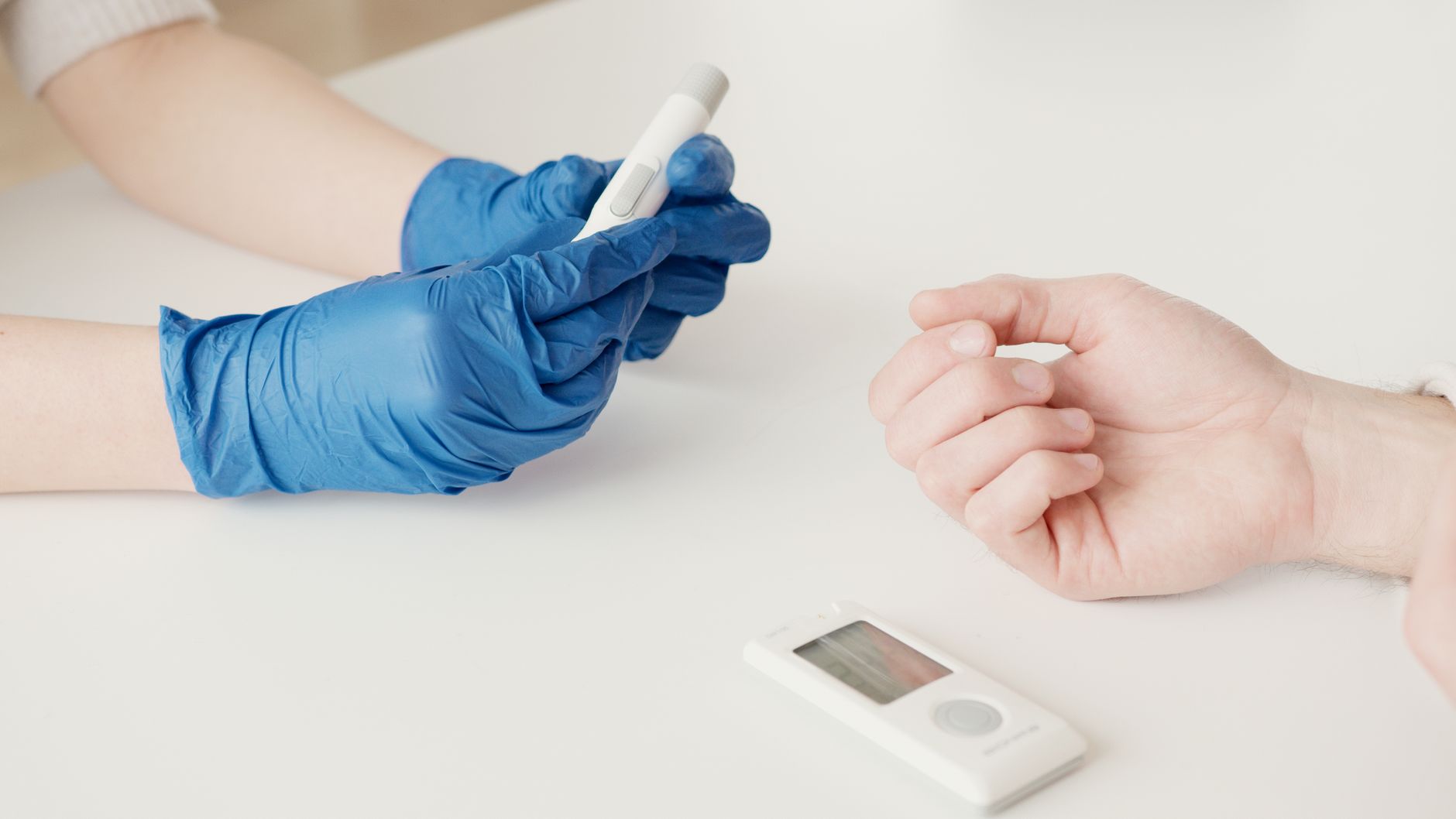
Independence depends almost entirely on managing chronic conditions and taking medications exactly as prescribed. A missed dose of blood pressure medication, a forgotten antibiotic, or inconsistent diabetes management creates compounding problems—hospitalization, confusion, falls, and loss of independence in rapid succession. Many independent older adults use pill organizers, phone alarms, or apps that remind them when to take medications, and they treat medication adherence with the same seriousness they’d treat a job commitment. Managing chronic conditions means more than just taking pills. It includes knowing what symptoms matter (chest pain, severe confusion, loss of balance) versus what doesn’t (minor aches, occasional forgetfulness), tracking patterns, and communicating honestly with doctors. A 73-year-old with controlled hypertension checks her blood pressure twice a week, keeps a log, and brings it to appointments.
This active monitoring catches small changes before they become crises. She’s been independent for decades because she treats her condition as something she manages actively rather than something that manages her. The warning here is medication complexity. Older adults on multiple medications—polypharmacy is common—face real risks from drug interactions, side effects, and confusion about dosing. A pill organizer helps, but so does annual medication reviews with a pharmacist. Some “symptoms of aging” are actually medication side effects that could be solved by adjusting doses or switching drugs. Independent older adults sometimes hire professional services or ask family to do annual medication audits specifically to catch these problems.
Building and Maintaining Social Connections That Matter
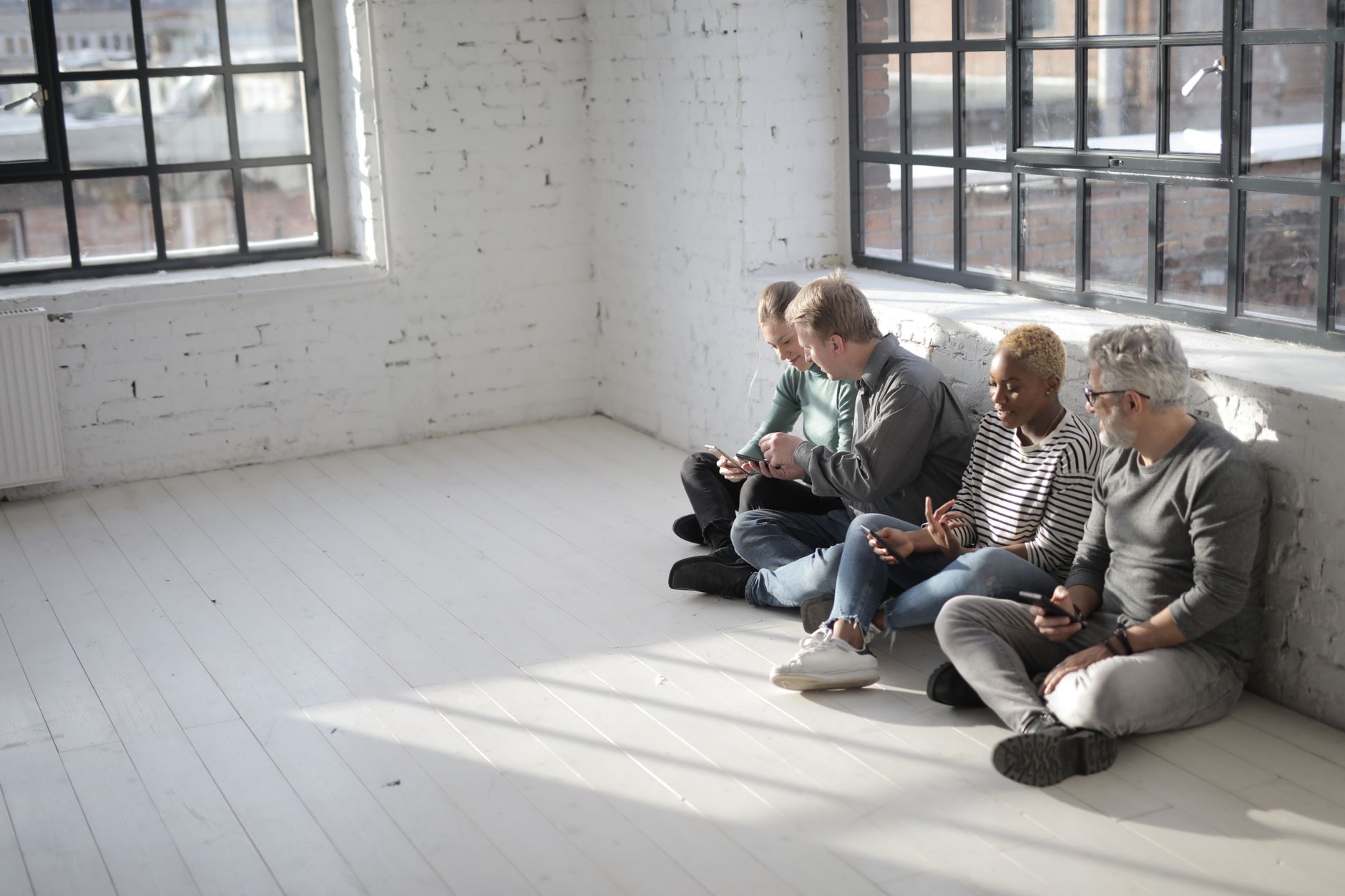
Isolation is a direct threat to independence because loneliness correlates with depression, cognitive decline, reduced will to stay active, and faster loss of capabilities. Many independent older adults deliberately maintain social connections—not necessarily large friend groups, but regular contact with people they care about. This looks different for different people. A 72-year-old retired lawyer meets the same group of friends for breakfast every Tuesday. A 75-year-old widow volunteers at an animal shelter two days a week, where she has regular interactions and purposeful work. A 70-year-old man lives near his daughter’s family and attends his grandchildren’s school events. Social connection is so powerful that it shows up in health markers.
Older adults with regular social contact have better blood pressure, stronger immune systems, better sleep, and lower rates of depression than isolated peers. They also stay motivated to maintain other habits—exercise, medication management, doctor appointments—because they’re more engaged with life. A couple in their late 70s traveled to visit their four grandchildren across the country for decades, which meant they stayed active, remained forward-focused, and invested in staying healthy. When one spouse’s health declined, the motivation and momentum built over those years helped both of them navigate the transition with more resilience. The limitation is that social connection requires effort and often requires initiating contact. Some independent older adults are naturally social; others are introverts who must deliberately push themselves into social activities. Both types report that maintaining independence requires overriding the tendency to isolate, whether isolation comes from introversion, loss of a spouse, or geographic distance from family.
Creating and Maintaining a Safe, Accessible Home Environment
Independence at home depends on eliminating barriers, hazards, and things that require help to manage. Many independent older adults do this preventively, before they face mobility challenges. This includes removing throw rugs that cause trips, adding grab bars in bathrooms, ensuring adequate lighting on stairs and in hallways, rearranging kitchen cabinets so frequently used items are at waist level, and keeping pathways clear. An 80-year-old man in Maine redid his main bathroom specifically with aging in place in mind: wider doorway, roll-in shower instead of a tub, non-slip flooring, and grab bars positioned by a physical therapist. His goal was to age in that house, and he designed his space accordingly. Beyond structure, independent older adults often adopt assistive devices before they’re desperately necessary. This might include a shower chair, a reacher tool for picking up items from floors, long-handled sponges, jar openers, or a bed rail for easier positioning at night.
These tools aren’t signs of decline; they’re tools for staying independent longer. Many older adults resist them out of shame or the belief that using devices means giving up, but the opposite is true. Using a reacher tool means someone can stay in their home and retrieve dropped items independently rather than calling for help. The tradeoff is cost and home modifications. Installing a walk-in tub, widening a doorway, or adding a stairchair for a two-story home requires significant money. Not all older adults can afford these changes, and renters can’t make them at all. Some independent older adults use creative low-cost alternatives—moving bedrooms and bathrooms to the main floor, using a cane earlier than they think necessary to reduce fall risk, or getting a one-story apartment. The most independent older adults are often those who accept that their housing needs may change and adapt housing before it becomes a crisis.
Preventing Falls and Addressing Vision and Hearing Changes
Falls are the leading injury cause for older adults, and many people over 70 who stay independent treat fall prevention as a primary health focus. This includes regular vision checks (especially important because many older adults have undiagnosed vision changes), hearing assessments, and gait training. A 78-year-old woman had a minor fall—nothing serious—but it prompted her to get her vision checked. She discovered new cataracts that, when surgically corrected, improved her depth perception and balance noticeably. She attributes staying independent to addressing that vision change quickly. Hearing loss is equally serious, though it’s often overlooked. Hearing problems correlate with isolation, depression, and cognitive decline in older adults, partly because communication becomes harder and exhausting. Many independent older adults get hearing aids early, before hearing loss becomes severe.
The psychological benefit of staying engaged in conversation can be as important as the physical benefit of hearing better. A 75-year-old retired teacher resisted hearing aids for years, isolating himself at family gatherings rather than admit he couldn’t hear. Once he finally got them, his social participation increased, his depression lifted, and he remained more active and independent. The warning here is that some health changes feel minor but have outsized impact on independence. A urinary tract infection can cause confusion so severe it looks like dementia. Vision or hearing problems are written off as normal aging and left untreated, when they’re actually manageable. Many older adults report that getting regular checkups, reporting new symptoms quickly, and treating seemingly minor problems aggressively is what allowed them to maintain independence long-term. Waiting to see if symptoms resolve on their own often results in losing capability that’s hard to regain.
Planning Ahead for Healthcare and End-of-Life Decisions
Independence includes having a clear plan for what happens when health declines. Many independent older adults have written advance directives, named a healthcare proxy, discussed their preferences with family, and thought through what kind of care they do or don’t want. A 77-year-old woman made it explicit to her children years ago: if she had a major stroke and lost cognitive ability, she would not want interventions to prolong life. That clarity meant her family could make decisions aligned with her values rather than agonizing over what she would have wanted. She remained independent and engaged until she died.
Financial planning is equally important. Some independent older adults have long-term care insurance, others have saved specifically for aging, and still others have arranged with family for financial support if needed. A 76-year-old couple owns their home outright and have been saving for 15 years for potential future care. This financial clarity removes the anxiety that forces hasty decisions or premature dependence on adult children. They can focus on staying active and independent, knowing that if health declines, they have options.
Staying Mentally Engaged and Pursuing Purpose
Cognitive engagement is a habit among independent older adults, though it takes many forms. This might be learning something new, pursuing a hobby seriously, volunteering, working part-time, doing puzzles, or mentoring younger people. A 72-year-old retired engineer volunteers at a community workshop teaching younger adults woodworking. The work keeps him engaged, gives his life purpose, and provides regular social contact. A 75-year-old woman took up watercolor painting in retirement and has joined a local art group that exhibits work.
Another 73-year-old does genealogy research, joining online communities of people with similar interests. The specific activity matters less than the engagement itself. The research on cognitive aging is clear: mental engagement builds cognitive reserve and slows decline. Older adults who stay mentally active, who learn new things, and who engage in complex problem-solving show better memory and thinking skills over time. This appears to help maintain independence because cognitive capability supports physical capability—a person who stays sharp is more likely to stay active, follow medication schedules, adapt to new environments, and make good safety decisions.
Conclusion
The ten habits of independent older adults share a common thread: they’re all deliberate practices chosen to maintain capability rather than reactive responses to decline. Independence isn’t something people have or don’t have; it’s something people actively practice through movement, social connection, good health management, mental engagement, and environmental adaptation. None of these habits is particularly complicated, but together they compound into measurable differences in how long people stay capable, engaged, and living on their own terms.
If you’re over 70 and want to stay independent, or if you’re caring for someone in that situation, start with the habits that resonate most. One person needs to address falls; another needs to build social connection; a third needs to manage medications more deliberately. The goal isn’t to do all ten things perfectly, but to identify which habits will matter most to your life and your capabilities, and then to practice them consistently over months and years. That consistency is what independent older adults do differently.