
Foot care is underrated because most people don’t realize that the health of their feet directly determines whether they can walk with confidence, maintain independence, and stay active as they age. Your feet are the foundation of mobility—they bear the force of every step, provide balance, and signal problems throughout your body long before you notice anything is wrong. Yet the vast majority of people only think about their feet when pain becomes unbearable, missing years of opportunity to prevent the very problems that eventually force them to sit down. The numbers tell a stark story. Over 77% of American adults experience chronic foot pain, but most treat it as a minor nuisance rather than a warning sign. By age 50, roughly half of Americans are experiencing significant foot pain. By age 65, up to 80% deal with some form of foot disorder.
These aren’t just uncomfortable moments—they’re barriers to staying mobile. Consider someone in their late sixties who dismisses the ache in their feet during a morning walk. Within months, that ache becomes pain, the walks become shorter, and eventually they stop going out altogether. What started as foot discomfort has now created a ripple effect: they move less, their legs weaken, their balance deteriorates, and the risk of falling spikes. The foot care market itself is booming, with the global foot care products market projected to grow from USD 4.28 billion in 2026 to USD 7.26 billion by 2034. This growth is being driven by something important: we’re finally recognizing that foot health isn’t a cosmetic issue—it’s a mobility and independence issue. Yet most people still address their feet only after problems develop, rather than preventing them or catching them early when intervention is simple.
Table of Contents
- How Foot Pain Creates Barriers to Daily Life
- The Hidden Cost of Ignoring Foot Problems
- Specific Foot Conditions That Go Unaddressed
- Why Professional Foot Care Prevents Future Independence Loss
- Diabetes, Neuropathy, and Foot Crisis
- The Role of Footwear and Daily Habits
- Foot Health as an Emerging Priority in 2026 and Beyond
- Conclusion
How Foot Pain Creates Barriers to Daily Life
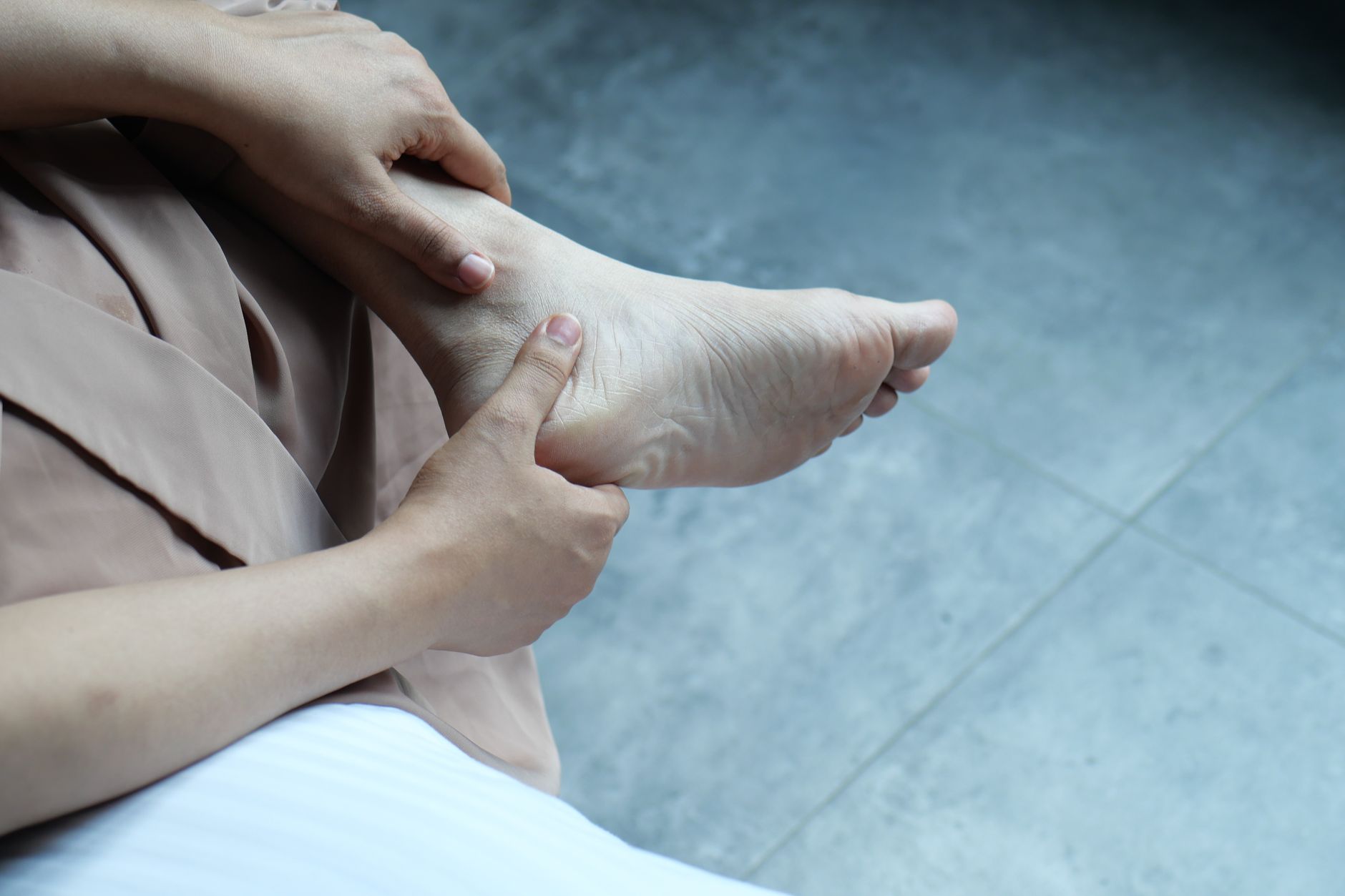
The connection between foot health and mobility is direct and measurable. Among people with chronic foot pain, 66% report difficulty walking, making it the most commonly impacted activity. This isn’t just about walking for exercise—this is about walking to the kitchen, walking to the car, walking to see friends.
For another 28% of people with foot pain, the challenges extend to household chores, and they end up depending on family members or paid help to do things they used to manage independently. Foot disorders account for roughly 71-87% of conditions affecting older adults, yet many people treat these conditions as inevitable parts of aging rather than treatable problems. A 73-year-old woman with corns, calluses, and reduced circulation in her feet might assume she simply has to “slow down.” But those symptoms often respond well to proper foot care, appropriate footwear, and professional intervention. Without treatment, she gradually becomes more sedentary, which accelerates weakness in her legs and hips—creating a cascade of mobility losses that extend far beyond her feet.
The Hidden Cost of Ignoring Foot Problems
one of the most dangerous consequences of foot pain is that it increases fall risk, and falls are the leading cause of injury-related death in older Americans. Foot problems disrupt your sense of balance and stability in ways that aren’t always obvious until you’re trying to recover from a fall. This is where the emerging public health priority around foot health in 2026 comes into focus—researchers and healthcare leaders are recognizing that preventing foot problems isn’t optional if you want to prevent falls and maintain independence. The specific way foot problems affect balance is important to understand. Your feet provide constant sensory feedback to your brain about where you are in space.
When you have pain, arthritis, thickened toenails, or reduced sensation in your feet, that feedback system deteriorates. Your balance deteriorates with it. The good news is that intervention works. Studies show that custom foot orthoses reduce fall rates by 36% in older adults with foot pain by improving postural stability. This means preventing or managing foot problems isn’t just about comfort—it’s a direct route to preventing the injuries that often end independence. The limitation, however, is that many people never seek professional care until a fall has already happened, missing the chance to prevent the incident in the first place.
Specific Foot Conditions That Go Unaddressed
The foot problems affecting older adults are varied and specific. Onychomycosis (fungal toenail infections), corns, calluses, reduced circulation, decreased elasticity, and thinning fat pads are all common in adults over 60 and 70. One in four adults over 60 develops bunions, particularly affecting women.
These aren’t just aesthetic issues—bunions alter the biomechanics of your foot, making it painful to walk and affecting your gait. Arthritis accelerates bunion formation and severity, particularly rheumatoid arthritis and osteoarthritis, creating a vicious cycle where joint inflammation worsens foot deformity, which worsens your walking pattern, which accelerates further joint damage. A person with arthritis in their feet might not realize their changed gait is putting stress on their knees and hips, leading to pain in those joints too. The foot problem that went unaddressed has now created a chain reaction of mobility loss throughout the lower body.
Why Professional Foot Care Prevents Future Independence Loss
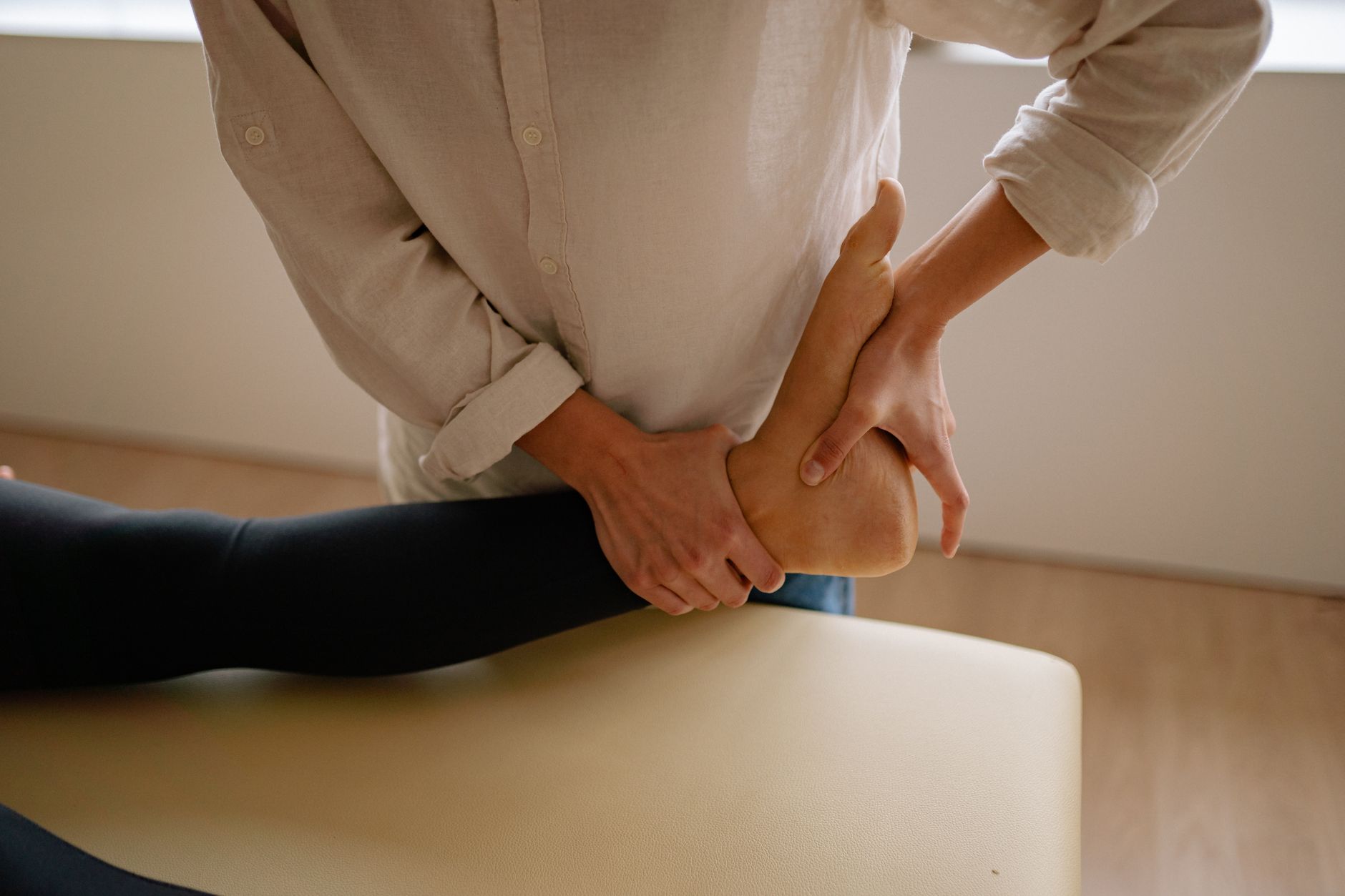
When foot problems are caught and managed early, the difference in long-term mobility outcomes is remarkable. A podiatrist can address bunions, corns, and calluses; manage fungal infections; prescribe custom orthoses; and recommend footwear changes that make the difference between staying active and withdrawing from life. Yet most people don’t see a podiatrist until they’re in significant pain or have already experienced complications.
The practical tradeoff is this: visiting a podiatrist early costs money and time upfront, but prevents far greater costs and restrictions later. Someone who invests in professional foot care in their sixties might spend a few hundred dollars annually but maintain the ability to walk, garden, and visit friends. Someone who ignores foot pain until their seventies might eventually need mobility aids, assistance with daily living, and possibly accelerate the timeline toward institutional care. The Podiatry Services Market is valued at USD 4.87 billion in 2026 and is expected to reach USD 5.74 billion by 2031, driven largely by diabetes-related complications, aging populations, and mobility disorders—a reflection of how many people finally seek help after problems have become serious.
Diabetes, Neuropathy, and Foot Crisis
For people with diabetes, foot care becomes even more critical and is often still overlooked. High blood sugar damages blood vessels and nerves, reducing sensation and circulation in the feet. Someone with diabetic neuropathy might not notice a blister, cut, or pressure sore developing on their foot because they can’t feel it.
What starts as a minor injury can become infected and threaten the foot itself. This is why podiatry services are one of the fastest-growing healthcare sectors—the intersection of aging and chronic disease creates urgent, preventable foot emergencies. The warning here is clear: if you have diabetes, regular professional foot care isn’t optional. If you’re over 65 and have any history of foot problems, reduced sensation, circulation issues, or arthritis, waiting until pain becomes severe means you’ve likely missed the window for the simplest, most effective interventions.

The Role of Footwear and Daily Habits
One of the most underrated aspects of foot care is simply wearing the right shoes. Many people wear shoes that feel fine when they first buy them but are actually compressing their feet, creating pressure points, or providing inadequate support. Over months and years, these daily habits compound into serious problems.
A person who wears tight shoes with high heels, or loose shoes without support, is gradually destabilizing their feet and altering their gait. Investing in proper footwear, custom orthotics if needed, and daily foot care habits—keeping feet clean and dry, addressing small problems like calluses early, wearing properly fitting shoes—prevents the cascade of problems that eventually limits mobility. It sounds simple because it is simple, but the cumulative impact of these daily choices is enormous.
Foot Health as an Emerging Priority in 2026 and Beyond
The recognition of foot health as an emerging hidden public health priority in 2026 reflects a broader shift in how we understand aging and independence. Healthcare systems, researchers, and policymakers are beginning to see that maintaining foot health isn’t a luxury or cosmetic concern—it’s foundational to aging in place, preventing falls, avoiding institutional care, and maintaining the dignity of independence.
As the population ages and the consequences of ignoring foot problems become more visible in fall statistics, disability rates, and quality of life measures, foot care will likely move from being an afterthought to a routine part of preventive health. The people who benefit most will be those who shift their thinking now, treating their feet as essential infrastructure rather than something to think about only when something hurts.
Conclusion
Foot care is underrated because we’ve normalized foot pain as part of aging and overlooked how directly foot health connects to our ability to walk, stay active, and maintain independence. The evidence is overwhelming: over 77% of Americans experience chronic foot pain, yet most don’t seek professional care until significant problems have developed. By then, the damage often extends beyond the feet to the joints, muscles, and confidence needed to stay mobile. The path forward is straightforward: take your feet seriously before they force you to sit down.
Address small problems early. Wear proper footwear. See a podiatrist if you’re experiencing pain or notice changes in your feet, balance, or gait. Your feet have carried you through decades of life—they deserve the care required to carry you through the years ahead.