
The $30 billion smart home market has grown around one central use case: helping older adults stay in their own homes longer. This isn’t marketing rhetoric—it’s the actual driver behind investor funding and enterprise development across the industry. From fall detection systems that automatically alert emergency contacts to voice-activated lighting that reduces nighttime accidents, technology companies are building products explicitly designed for the aging-in-place movement. A 73-year-old living alone in Chicago can now have a system that detects when she’s fallen, adjusts lighting as she moves through her home at 2 AM, monitors medication timing, and alerts her daughter if something seems wrong—all without leaving her house or moving into an assisted living facility.
The financial scale of this boom reflects demographic reality. By 2030, all baby boomers will be older than 65, and roughly 77% of Americans over 50 want to age in their current homes rather than move to care facilities. That preference has created a massive market gap that technology companies are rushing to fill, because staying at home costs less than institutional care and seniors are willing to invest in solutions that let them maintain independence. The devices and systems available now are far more sophisticated than they were five years ago—and the pace of development is accelerating. This article breaks down what the smart home boom actually offers for aging in place, where it’s genuinely useful, where it falls short, and what to actually look for if you’re considering these technologies for yourself or an aging family member.
Table of Contents
- What Are Smart Home Technologies Actually Designed to Do for Older Adults?
- The Hidden Costs and Limitations of Smart Home Systems
- How Older Adults Are Actually Using Smart Lighting and Voice Control
- Evaluating Fall Detection—Practical Comparison of What Actually Works
- Medication Management, Adherence Monitoring, and When Automated Dispensers Fail
- Remote Monitoring and the Privacy-Versus-Peace-of-Mind Tradeoff
- Future Trends in Smart Home Aging and What’s Coming
- Conclusion
What Are Smart Home Technologies Actually Designed to Do for Older Adults?
Smart home systems for aging in place focus on four core problems: preventing falls, reducing medication errors, enabling remote monitoring, and simplifying daily tasks. Fall detection is the most mature category. A device like a smartwatch or pendant can sense when someone has taken a sudden drop and automatically call 911 or a designated contact if the wearer doesn’t respond within 60 seconds. Companies like Life Alert, Medical Guardian, and newer players like Lively and Vayyar have built entire businesses around this single problem. The technology has evolved from old-school pendant systems that required people to push a button to modern sensors that use machine learning to distinguish between a person actually falling and them sitting down quickly or dropping something. Medication management is another major area.
Smart pill dispensers like PillPack, Hero, and Medisafe time medication doses, alert users when it’s time to take pills, and notify family members if doses are missed. For someone with multiple prescriptions or cognitive decline, this kind of system can be literally lifesaving—it removes the cognitive load of remembering which medications to take and when. The limitation here is practical: these systems only work with pills that fit the dispenser, and some medications require refrigeration or special handling that the automated systems can’t provide. Remote monitoring connects older adults to family members or care providers without constant in-person visits. Cameras, motion sensors, and wearable devices let adult children check in on aging parents from another state, see if they’ve gotten out of bed, or whether they’ve left the stove on. Nest cameras, Amazon Echo with Drop In, and specialized systems like CareView and SafetyLink provide this functionality. The real-world value is substantial for adult children who feel anxious about distant parents living alone, but the privacy and dignity concerns are equally substantial—there’s a difference between knowing your mother had a fall and watching her throughout her home.

The Hidden Costs and Limitations of Smart Home Systems
The first limitation most people encounter is cost and complexity. A basic smart home setup for fall detection plus medication management plus remote monitoring can easily run $100 to $200 per month in subscriptions, plus $500 to $2,000 in upfront hardware. Fall detection devices often charge both a device fee and a monitoring service fee. Medication dispensers may have their own subscription model. The systems often don’t talk to each other—you might be using one company’s fall detection, another’s medication management, and a third’s camera system, each with their own app, each with separate notifications. For an older adult or their family, this creates technical debt. After six months, people stop checking the apps, miss notifications, or become fatigued by managing multiple systems. Another critical limitation is that these systems work best for cognitively intact older adults. If someone has moderate to advanced dementia, many smart home solutions stop being protective and start being frustrating.
A confused person won’t understand why a medication dispenser is locking their pills or why they can’t simply walk to the kitchen and open the cabinet. Motion sensors and cameras can create a sense of surveillance that increases anxiety rather than comfort. The technology assumes someone can follow instructions, remember how to use devices, and cooperate with monitoring. For severe cognitive decline, in-person care or more intensive solutions often become necessary. Environmental factors also limit effectiveness. A fall detection pendant only works if the person is wearing it—many older adults remove wearables when they shower, sleep, or dress, which is exactly when many falls happen. Motion sensors work poorly in homes with difficult layouts, multiple rooms on different levels, or cluttered spaces where motion is unpredictable. Voice-activated systems often fail in noisy environments or when someone has hearing loss or a slurred voice. The gap between what these systems claim and what they actually do in a real home is substantial.
How Older Adults Are Actually Using Smart Lighting and Voice Control
Voice-controlled lighting is one of the most practical applications because it solves a genuine problem: getting from bed to bathroom at night without falling. An 82-year-old in Portland, Oregon installed Philips Hue lights with Alexa integration specifically to eliminate nighttime stumbling. When she says “Alexa, bathroom,” the hallway lights come on at 30% brightness, gradually increasing to full, then turning off 15 minutes later. She hasn’t had a single nighttime fall in the two years since installation. That’s a legitimate health outcome from a relatively simple technology. Voice control also helps with non-emergency daily tasks. Dimming lights without getting up, adjusting thermostats, playing music, or reading news headlines through a speaker reduces unnecessary movement and decision fatigue.
For someone with arthritis, this isn’t just convenience—it’s a functional accommodation that makes daily life more accessible. The limitation is that voice systems still misunderstand accents, don’t work well in noisy kitchens, and can be frustrating for people who aren’t tech-comfortable. Some older adults find talking to machines embarrassing or weird, which limits adoption no matter how useful the technology is. Smart thermostats add another layer. Systems like Ecobee and Nest learn preferred temperatures, can be controlled remotely, and prevent the dangerous scenario where an older adult becomes dangerously cold or overheated because they forgot to adjust the thermostat or lack the dexterity to turn a dial. Remote access means an adult child can check if their parent’s house is at a safe temperature, which matters during heat waves or cold snaps. Again, the limitation is real: some older adults simply prefer manual control, and thermostats that require smartphone interaction create a barrier for people without phones or mobile literacy.

Evaluating Fall Detection—Practical Comparison of What Actually Works
Fall detection technology exists on a spectrum from basic to sophisticated, and understanding the tradeoffs is essential. The oldest category is pendant-based systems like traditional Life Alert, which require the wearer to push a button after falling. These have the lowest false-alarm rate because a human is deciding when to alert services, but they’re only useful if someone is conscious, able to reach the button, and capable of pushing it—many real falls involve loss of consciousness or immobilization, making button-based systems unreliable. The next tier is wearable-based automatic detection using accelerometers. Devices like Apple Watch and smartwatches from various manufacturers detect sudden changes in velocity and direction that match a falling pattern. They ask “Did you fall?” with haptic feedback and sound, and call 911 only if no response is given.
Real-world testing shows these work well for falls while walking or standing, but they have false-alarm problems (someone sitting down hard, dropping something) and they don’t work well for slow falls where someone gradually slides down a wall. False alarms waste emergency responder resources, so this matters. The most sophisticated option is environmental sensors combined with AI—systems like Vayyar or K4Connect use radar and machine learning in fixed locations (bedroom, kitchen, bathroom) to detect falls without wearables at all. The person doesn’t need to wear or remember anything. The tradeoff is cost (these systems run $1,500 to $5,000 installed) and privacy concerns (always-on sensors in bedrooms). For someone who absolutely won’t wear a device, this might be the only option. For someone willing to wear a watch, a smartwatch-based system offers better value.
Medication Management, Adherence Monitoring, and When Automated Dispensers Fail
Smart medication dispensers solve a genuine problem: missed doses and medication errors cause approximately 125,000 deaths annually in the United States and are the fourth leading cause of death overall. A dispenser that automatically presents the right pills at the right time, locks them between doses, and alerts caregivers if doses are missed is a reasonable tool. Systems like Hero have shown measurable improvements in medication adherence when used consistently. The real-world failure mode is more subtle. A 79-year-old man on six medications started using a Hero dispenser with high hopes. After three months, his son visited and found pills accumulating in the device—the father had become confused about the new routine and sometimes forgot to take pills from the compartment even when it opened and alerted him. He’d also had a mild stroke that affected his short-term memory, making verbal instructions insufficient.
The dispenser became just another confusing object in his home. Medication management for someone with cognitive decline often requires in-person support, not automation. Another limitation is that many automated dispensers only work with standard pill shapes and sizes. Extended-release medications, capsules, tablets that must be cut in half—these require human intervention. Medications that need refrigeration or special storage can’t go in most dispensers. For someone on a complex medication regimen, an automated dispenser might handle 70% of their medications and still require manual management of the remaining 30%, defeating the purpose of full automation. The most honest assessment is that these work best for cognitively intact older adults on stable medication regimens, and less well for complex, changing situations.
Remote Monitoring and the Privacy-Versus-Peace-of-Mind Tradeoff
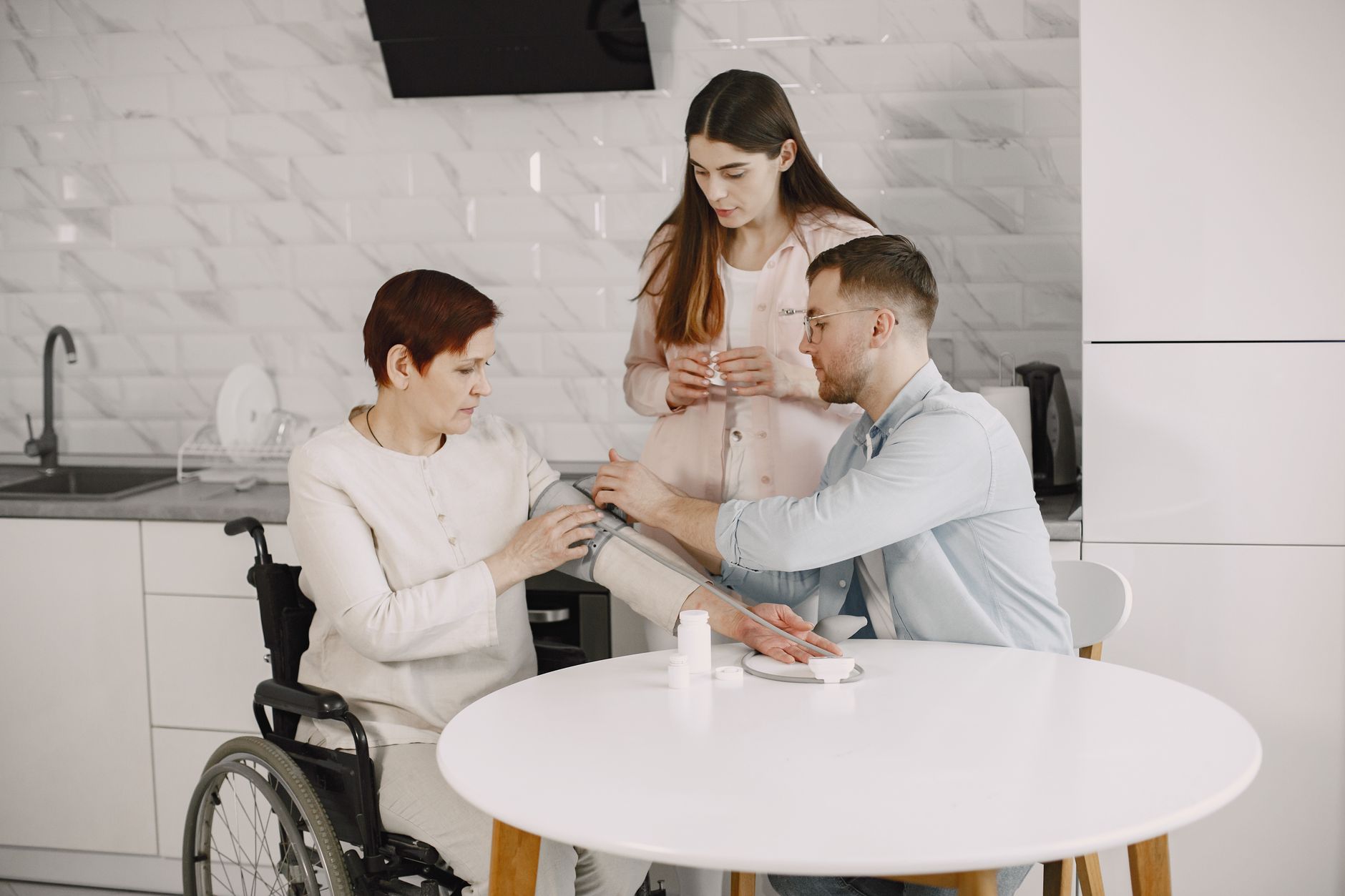
Adult children often deploy remote monitoring systems not because older parents ask for them, but because adult children feel anxious about aging parents living alone. A camera in the living room, motion sensors in hallways, or a wearable that tracks location can provide genuine peace of mind for caregivers in another state. It allows early detection of problems—a fall captured on camera, several days of unusual inactivity, patterns that suggest something is wrong. The darker side of remote monitoring is that it’s surveillance, regardless of good intentions.
An 76-year-old woman discovered that her daughter had installed cameras throughout her home without asking permission, ostensibly to watch for falls. What the daughter actually saw was her mother changing clothes, using the bathroom, and spending time alone in her bedroom—all deeply personal moments. The mother felt violated and infantilized, even though the daughter’s motivation was care. The ethical line between helpful monitoring and invasive surveillance is thin and often depends on consent, transparency, and trust. The best practices are: get explicit permission before installing cameras, limit camera placement to common areas, have clear agreements about when monitoring is acceptable, and regularly discuss whether the system still serves its purpose.
Future Trends in Smart Home Aging and What’s Coming
The next wave of smart home technology for aging in place is moving toward predictive analytics and ambient intelligence—systems that learn normal patterns and flag deviations before they become emergencies. Instead of just detecting falls, new systems are watching for patterns like reduced mobility, changes in sleep, decreased activity level, or irregular bathroom visits that might signal a urinary tract infection, depression, or early cognitive decline. Companies are integrating multiple data streams (movement, sleep, medication adherence, vital signs) to build a holistic picture of wellbeing. The promise is earlier intervention; the risk is over-interpretation and unnecessary medical testing based on algorithmic flags.
Interoperability is another emerging focus. Instead of proprietary systems that don’t talk to each other, new standards like Matter and Thread are attempting to create an ecosystem where devices from different manufacturers work together seamlessly. This would reduce the app fatigue problem and make smart homes more accessible to less tech-savvy users. Whether these standards will actually achieve widespread adoption remains uncertain, but the frustration with fragmented systems is driving real movement in this direction.
Conclusion
The $30 billion smart home market for aging in place reflects a genuine need and genuine opportunity—the demographic wave of aging is real, the preference to stay at home is real, and technology can address real problems like medication errors, falls, and nighttime navigation. Some systems, particularly fall detection, medication management, and smart lighting, have matured enough to deliver measurable health outcomes for the right users in the right circumstances. The honest assessment is that these tools work best for cognitively intact older adults who are willing to adopt new technology and have specific, well-defined problems to solve.
The next step if you’re considering these systems is to start with the specific problem you’re trying to solve—not fall detection in general, but “my mother has had two nighttime bathroom falls” or “my father frequently misses doses of his heart medication.” Then look for the narrowest, simplest solution to that specific problem rather than trying to build a comprehensive smart home ecosystem. Talk to the older adult involved about what they’re willing to wear, what privacy tradeoffs they’re comfortable with, and what happens if the technology fails. The best smart home system is the one that actually gets used consistently, not the most technically sophisticated one.