
Poor sleep is one of the most overlooked risk factors for falls in older adults, yet the connection is direct and measurable. When sleep quality declines—whether from insomnia, sleep apnea, or fragmented rest—the body loses critical recovery time that affects balance, reaction time, and cognitive awareness. Research shows that older adults who sleep poorly are nearly three times more likely to fall than those who sleep well, making sleep quality as important to fall prevention as physical strength or home safety. Consider the case of Margaret, a 74-year-old widow who began waking multiple times each night due to sleep apnea. Within months, she had two falls in her home—one while walking to the bathroom at night, another while reaching for items in her kitchen.
Her doctor identified that her fragmented sleep was preventing her brain from properly consolidating balance signals and spatial awareness. After treating the sleep apnea, her falls stopped. Her story is not unusual; it reflects how treatable sleep problems often hide behind fall statistics. The mechanism is straightforward: when you sleep poorly, your nervous system never fully resets, your muscles don’t recover their tone, and your brain doesn’t process the motor patterns needed for stable walking. This is especially critical in older age, when recovery takes longer and the consequences of falling are severe.
Table of Contents
- How Does Sleep Deprivation Affect Balance and Coordination?
- The Role of Fragmented Sleep and Sleep Apnea in Fall Risk
- Cognitive Effects of Poor Sleep—Attention, Awareness, and Environmental Hazards
- Practical Sleep Strategies That Reduce Fall Risk
- Untreated Sleep Apnea and Cardiovascular Complications
- The Role of Medications in Sleep Quality and Fall Risk
- Sleep and the Aging Brain—Long-Term Cognitive and Balance Reserves
- Conclusion
How Does Sleep Deprivation Affect Balance and Coordination?
Sleep is when your brain consolidates the motor patterns that keep you upright and moving safely. When you’re sleep-deprived, this consolidation doesn’t happen effectively. Your cerebellum—the part of your brain responsible for balance and coordination—relies on adequate sleep to maintain its sharp functioning. Studies show that after just one night of poor sleep, reaction time slows by 10 to 20 percent, and postural stability noticeably worsens. For an older adult already dealing with normal age-related declines in balance, this degradation can mean the difference between a steady walk and a stumble. The effect compounds over time.
A person experiencing chronic sleep loss doesn’t recover these skills night by night the way a younger person might. Instead, their baseline balance and coordination gradually erode. Think of it like a ship’s navigation system: one night without proper calibration might not cause a wreck, but weeks of running without calibration will. An older adult with ongoing insomnia or sleep apnea is essentially running on an uncalibrated system every single day, increasing fall risk with every step. Medication side effects often make this worse. Many sleep aids prescribed to older adults—benzodiazepines, for example—can impair balance and coordination even when sleep improves, creating a paradox where treating insomnia introduces new fall risk. This is one reason why non-medication approaches to sleep, when possible, are often safer for this population.
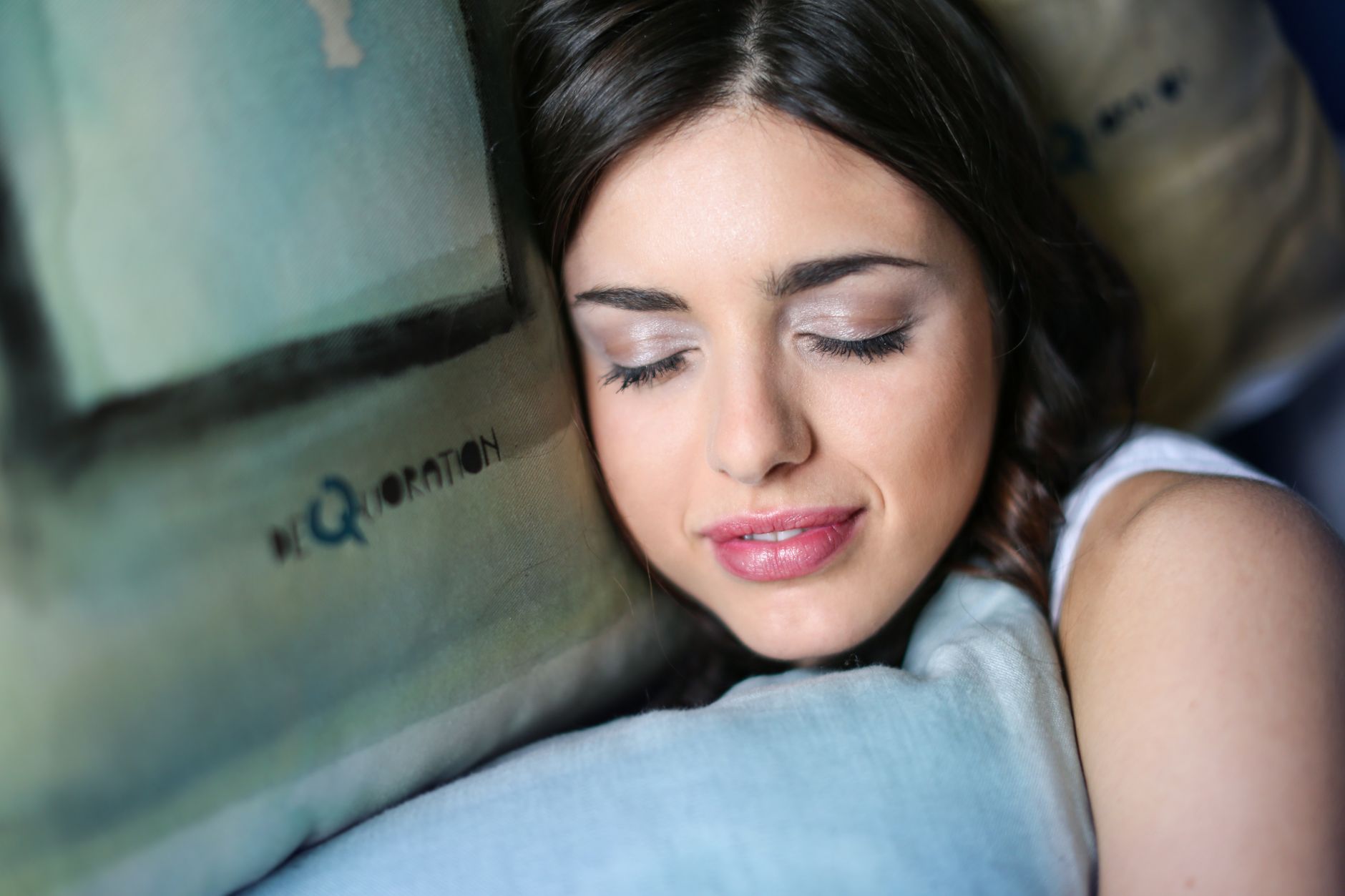
The Role of Fragmented Sleep and Sleep Apnea in Fall Risk
Not all poor sleep is the same. Fragmented sleep—where you fall asleep but wake repeatedly—is particularly dangerous because it prevents your brain from reaching deep, restorative stages of sleep. Sleep apnea, in which breathing pauses briefly during sleep, is especially common in older adults and especially damaging to fall risk. Each time an apnea episode occurs, your brain partially arouses you, fragmenting your sleep architecture. Research on sleep apnea and falls has found striking correlations. Older adults with moderate to severe sleep apnea have fall rates two to four times higher than those without it.
The problem is compounded by the fact that many people with sleep apnea don’t realize they have it. They might blame their daytime sleepiness or poor balance on aging, when in fact a treatable condition is driving both. A woman in her 70s might attribute her frequent stumbles to “just getting older,” when in reality her sleep apnea is robbing her nervous system of the rest it needs to maintain balance. The limitation here is important: not everyone with poor sleep quality will develop a serious fall, and not everyone who falls has a sleep problem. But if an older adult has both poor sleep quality and a history of falls, or poor sleep quality and an untreated condition like sleep apnea, the combination dramatically raises risk. This is why sleep screening should be part of any comprehensive fall prevention plan.
Cognitive Effects of Poor Sleep—Attention, Awareness, and Environmental Hazards
Sleep deprivation also blunts cognitive awareness, which plays a direct role in how people navigate their environment. When you’re cognitively foggy—as people with poor sleep often are—you’re less likely to notice hazards like a throw rug, a pet underfoot, or an uneven floor. You react more slowly if you feel yourself starting to slip. Your decision-making about risky movements (reaching high on a shelf, standing too quickly) becomes impaired. This is particularly dangerous in the home, where most falls occur. An alert, well-rested older adult might automatically steady themselves on a handrail when standing up.
A cognitively foggy, sleep-deprived older adult might stand too quickly and lose their balance before they even register what’s happening. The combination of slower reaction time and reduced environmental awareness is lethal. A specific example: Richard, age 78, had developed a habit of getting out of bed in the middle of the night to use the bathroom. His sleep was fragmented due to a combination of sleep apnea and nocturia (nighttime urination). The cognitive fog from his poor sleep meant that he navigated his bedroom in a half-awake state, unaware of a small step stool he’d placed near his bed earlier. He tripped on it and fractured his hip. The step stool had always been there—what changed was his cognitive sharpness and environmental awareness.
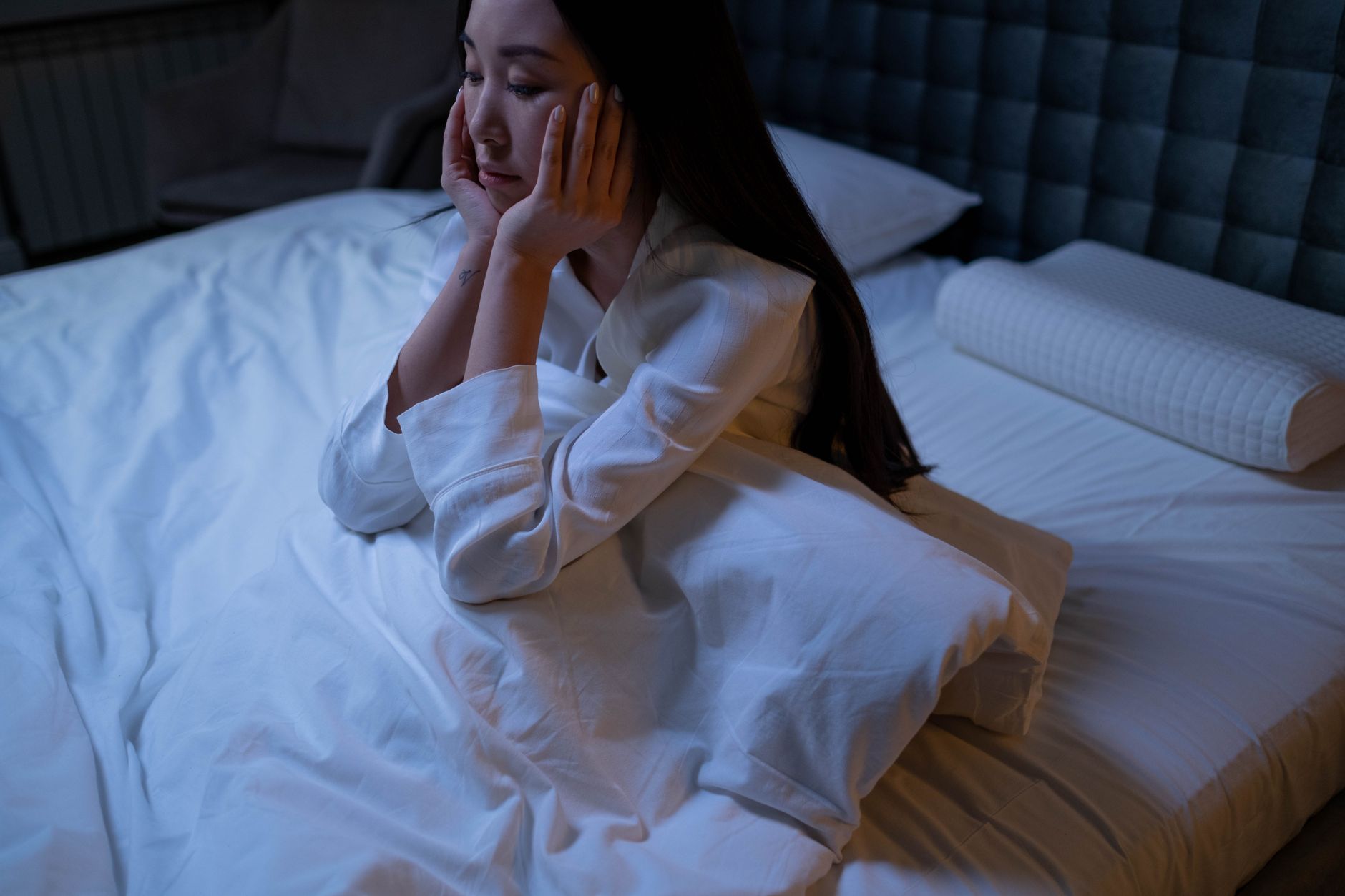
Practical Sleep Strategies That Reduce Fall Risk
Improving sleep quality is one of the most underutilized fall prevention strategies available to older adults. Unlike some interventions, better sleep benefits your whole health, not just fall prevention. The first step is often the simplest: maintaining a consistent sleep schedule. Going to bed and waking at the same time every day helps regulate your circadian rhythm and deepens sleep quality. Environmental changes also matter. A cool, dark, quiet bedroom encourages deeper sleep and reduces arousals that fragment sleep.
This might seem basic, but many older adults’ bedrooms are too warm, too bright from street lights or nightlights, or too noisy from a partner’s snoring or household activity. One comparison: a bedroom at 68 degrees with blackout curtains will typically produce measurably better sleep architecture than a bedroom at 72 degrees with ambient light. The person sleeping better will have sharper balance the next day. Limiting caffeine after 2 p.m., avoiding alcohol in the evening (which fragments sleep despite initial drowsiness), and managing conditions like acid reflux that interrupt sleep all improve sleep quality and thus fall risk. A tradeoff to consider: some fall prevention programs focus heavily on strength and balance training, which are valuable. But if an older adult is sleep-deprived, that training won’t be as effective, because sleep is when the nervous system consolidates motor learning. Fixing sleep first amplifies the benefit of all other interventions.
Untreated Sleep Apnea and Cardiovascular Complications
Sleep apnea doesn’t just fragment sleep and increase falls—it also stresses the cardiovascular system and increases risk of heart attack and stroke. These cardiovascular events are themselves major fall triggers. An older adult might have a silent heart event that leaves them lightheaded and dizzy, and then they fall. Sleep apnea creates this risk continuously. The warning here is critical: if an older adult has sleep apnea and a recent unexplained fall, the fall might not be purely a balance problem.
It could be a sign of cardiovascular stress related to the untreated apnea. This is why screening for both sleep disorders and cardiovascular health should happen after a significant fall, especially if there’s no obvious environmental cause. Many older adults resist CPAP therapy (continuous positive airway pressure), the gold standard treatment for sleep apnea, because it’s uncomfortable or inconvenient. But the tradeoff is worth understanding: a few weeks of adjustment to CPAP is a small price for reducing not just fall risk but also heart attack and stroke risk. Some people find that once they experience the sharp improvement in daytime alertness and balance, the motivation to continue therapy becomes much stronger.
The Role of Medications in Sleep Quality and Fall Risk
Medications complicate the sleep-falls connection significantly. Many older adults take sleep aids, but common classes—benzodiazepines, antihistamines, even some antidepressants—carry independent fall risk through sedation, dizziness, or impaired coordination. If you improve sleep with a medication that also increases fall risk, you haven’t solved the problem; you’ve just shifted it.
An example: Martha, 81, was prescribed a benzodiazepine for insomnia. Her sleep improved slightly, but she became drowsy during the day and had noticeably worse balance. When her doctor switched her to a structured sleep hygiene program instead—consistent bedtime, a cooler room, melatonin only if needed—her sleep actually improved more, and her daytime alertness and balance improved as well. The key was treating the cause (poor sleep habits and possibly an underlying sleep disorder) rather than just masking symptoms with a medication that created new risks.
Sleep and the Aging Brain—Long-Term Cognitive and Balance Reserves
Sleep is essential not just for next-day function but for long-term brain health. Poor sleep accelerates cognitive decline and increases risk of dementia, which itself increases fall risk through inattention and poor judgment. By maintaining good sleep quality, older adults are protecting their cognitive reserve—the mental flexibility and sharpness that helps them notice hazards and react to them.
Looking forward, more fall prevention programs are recognizing sleep as a core pillar, not an afterthought. Sleep screening should be routine before a fall occurs, not only after. As medical systems catch up to this evidence, more older adults will avoid falls by addressing sleep quality early, before balance is compromised and before a fall happens to force the issue.
Conclusion
The link between poor sleep and falls in older adults is not mysterious or unavoidable—it’s a manageable health problem with straightforward solutions. Poor sleep degrades balance, reaction time, cognitive awareness, and motor consolidation, all of which are essential to avoiding falls. For many older adults, better sleep means fewer falls, greater independence, and reduced injury risk. If you’re a caregiver or an older adult concerned about fall risk, sleep should be part of the conversation alongside home safety, strength training, and medication review. Have your sleep screened.
Keep a sleep diary to track patterns. Treat underlying conditions like sleep apnea. Make your bedroom a place conducive to deep sleep. These steps cost little and require no special equipment, yet they address one of the most significant modifiable risk factors for falls. Your independence depends on it.