
Dry mouth caused by medications is one of the leading causes of rapid tooth decay in older adults, particularly because it strips away the natural protective minerals that saliva provides. When a senior takes multiple medications—which is common, since 90% of seniors use at least one prescription drug—the risk of cavities can escalate dramatically. For example, research shows that when a senior’s medication count increases from zero to five daily prescriptions, the average number of natural teeth they retain can drop from 16 to just 12, demonstrating how powerfully medication-related dry mouth undermines dental health.
This problem is remarkably widespread. Between 30% and 40% of seniors older than 65 to 80 years experience xerostomia, the medical term for dry mouth. What makes this especially challenging is that 88% of elderly patients take medications that cause loss of saliva, often without realizing the oral health consequences. Unlike cavities caused by poor brushing or diet alone, medication-induced dry mouth can produce aggressive, rampant decay that destroys teeth rapidly, even in seniors who maintain excellent oral hygiene habits.
Table of Contents
- Why Do Medications Dry Out Mouths and Weaken Teeth?
- Which Medications Are the Most Damaging to Dental Health?
- The Real Impact on Teeth: What Actually Happens
- How Does Medication-Induced Dry Mouth Actually Damage Teeth at the Chemical Level?
- Polypharmacy: When Multiple Medications Create Compounding Damage
- Identifying Anticholinergic Burden as an Early Warning System
- Management Strategies and the Future of Prevention
- Conclusion
Why Do Medications Dry Out Mouths and Weaken Teeth?
Over 400 medications are known to reduce saliva production, affecting multiple body systems and oral health outcomes. The problem intensifies when seniors take multiple medications simultaneously—a practice called polypharmacy—which is now the norm rather than the exception in this age group. The risk of xerostomia becomes particularly acute when a senior takes more than four daily prescription medications, making medication-induced dry mouth a key marker of dental vulnerability in older populations. Saliva is far more than just moisture in the mouth. It contains essential minerals like calcium and phosphate that continuously repair and protect teeth from acid damage.
Saliva also contains bicarbonate, which actively neutralizes the acids produced by bacteria in the mouth and from dietary sources. When medications suppress saliva production, seniors lose this mineral-rich protective barrier, leaving their teeth exposed to demineralization—the process where acids leach minerals from tooth enamel. This is why seniors with medication-induced dry mouth often develop cavities rapidly, even when they brush regularly and maintain good oral hygiene. The American Dental Association has formally identified medication-induced dry mouth as a major risk factor for dental caries, recognizing it as one of the critical oral health challenges facing the aging population. This clinical acknowledgment underscores that the problem is not a minor side effect but a serious medical issue requiring professional attention and management.
Which Medications Are the Most Damaging to Dental Health?
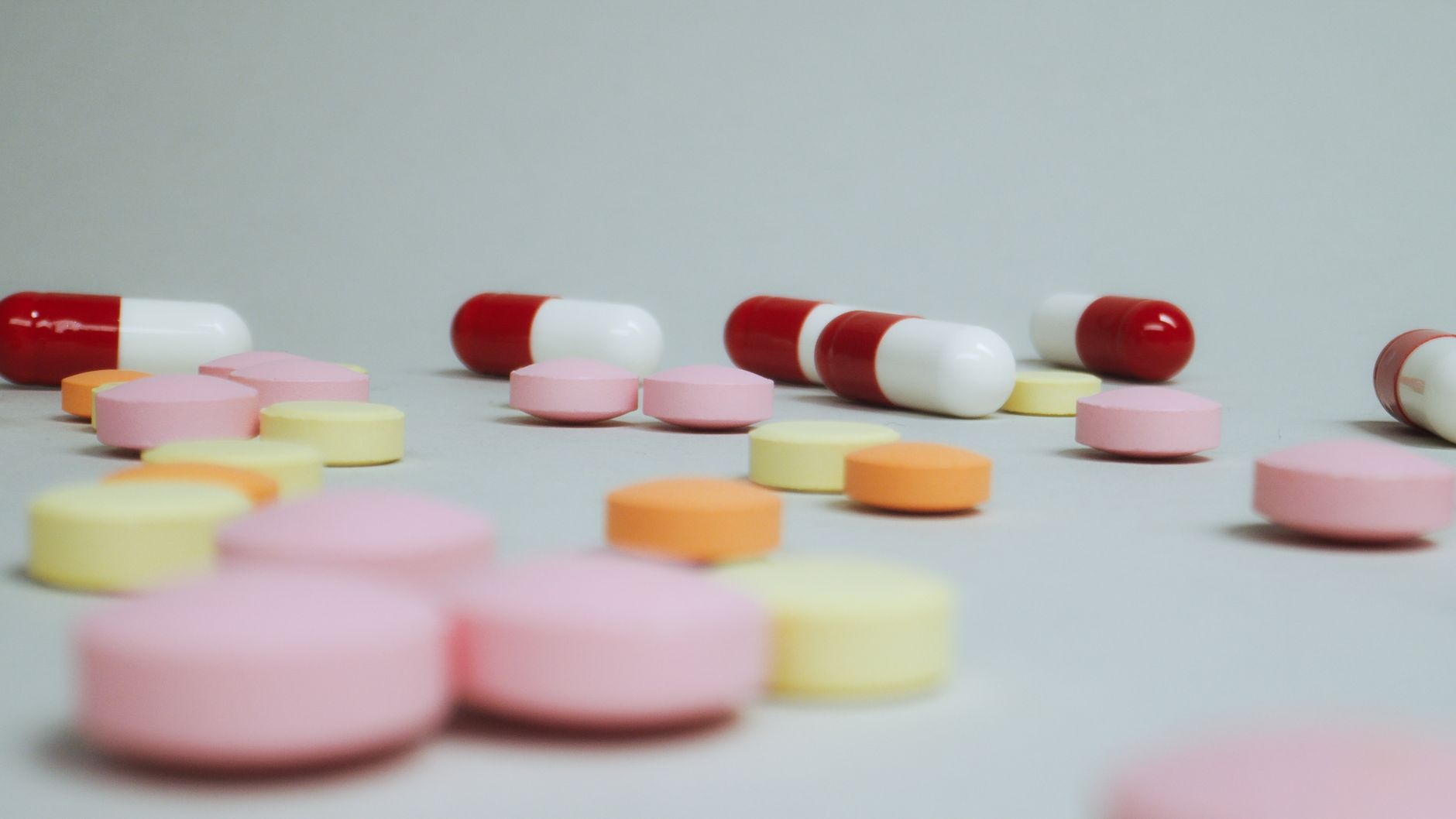
Certain medication classes carry especially high risk for causing dry mouth. Antihypertensives and diuretics—medications used to manage high blood pressure and fluid retention—cause xerostomia in 30% to 40% of users who take them. For many seniors managing heart disease or hypertension, these are essential medications that cannot easily be stopped, creating a difficult situation where the medication benefits the cardiovascular system while simultaneously endangering oral health. Anticholinergic medications represent another significant culprit, including drugs like benztropine, trihexyphenidyl, ipratropium, and tiotropium. These medications, commonly prescribed for movement disorders and respiratory conditions, work by blocking acetylcholine—a chemical messenger that normally signals the salivary glands to produce saliva.
When these signals are blocked, salivary glands essentially shut down. A senior taking anticholinergics for Parkinson’s disease or COPD might experience profound dry mouth as an unavoidable side effect of their necessary treatment. Tricyclic antidepressants and antipsychotic medications also frequently cause xerostomia, meaning seniors managing mental health conditions often face compounded dental vulnerability. The challenge is that many of these medications are not optional—they address serious, life-threatening conditions like hypertension, depression, or breathing difficulties. This creates a real limitation in management: seniors cannot simply stop taking these medications to protect their teeth without risking their overall health. Instead, they must find alternative strategies to compensate for the dry mouth and preserve their dental health while continuing necessary treatments.
The Real Impact on Teeth: What Actually Happens
The dental damage from medication-induced dry mouth is not gradual or mild—it is often aggressive and rampant, progressing much faster than typical age-related tooth decay. Importantly, cavities from xerostomia frequently develop in the cervical areas of teeth, meaning near the gum line where the root is more exposed and vulnerable. This location makes the cavities particularly problematic because they undermine tooth structure from areas that are already weaker. one concrete example of the damage appears in research tracking seniors over time. Studies show that as medication use increases from one to three or more daily medications, dental complications increase from one problem to two or more problems.
More striking still: when examining natural tooth retention, adding five medications to a senior’s daily regimen can result in the loss of four or more teeth compared to seniors taking no medications. A 70-year-old who took no medications might retain 16 natural teeth, while a peer taking five daily medications might retain only 12, all else being equal. What makes this particularly insidious is that the decay happens despite good oral hygiene. A senior who brushes twice daily and flosses regularly can still develop carious lesions that show rapid onset and progression when dry mouth is the underlying cause. This breaks the usual dental equation where brushing and flossing provide protection. The root cause—insufficient saliva—neutralizes the benefit of careful home care, which can be deeply frustrating for seniors who have maintained good dental habits their entire lives.

How Does Medication-Induced Dry Mouth Actually Damage Teeth at the Chemical Level?
The mechanism of tooth damage in xerostomia involves the loss of saliva’s dual protective function: its mineral content and its buffering capacity. Normally, saliva bathes the teeth in calcium and phosphate ions, which actively rebuild tooth enamel after it is exposed to acids. This remineralization process is constant and automatic, protecting against the inevitable acids that form throughout the day. When medications reduce saliva flow, this protective remineralization effectively stops, leaving teeth vulnerable to acid attack. The bicarbonate in saliva serves a second critical function—it neutralizes acids in the mouth. Bacterial acids from plaque and acids from foods and beverages would normally be buffered by saliva’s bicarbonate content within minutes.
Without this buffering action, acids remain active on the tooth surface longer, causing more extensive demineralization. A senior with adequate saliva might experience brief acid exposure that is quickly neutralized. That same senior, after starting a blood pressure medication that reduces saliva, experiences prolonged acid exposure and significantly more tooth damage accumulation. Additionally, dry mouth enables aggressive bacterial colonization. Saliva contains antimicrobial proteins and enzymes that normally control the oral bacterial population. When saliva decreases, these protective proteins are reduced, allowing cavity-causing bacteria to proliferate more readily. The result is a triple threat: loss of mineral protection, loss of acid buffering, and loss of antimicrobial defense—all from a single medication effect.
Polypharmacy: When Multiple Medications Create Compounding Damage
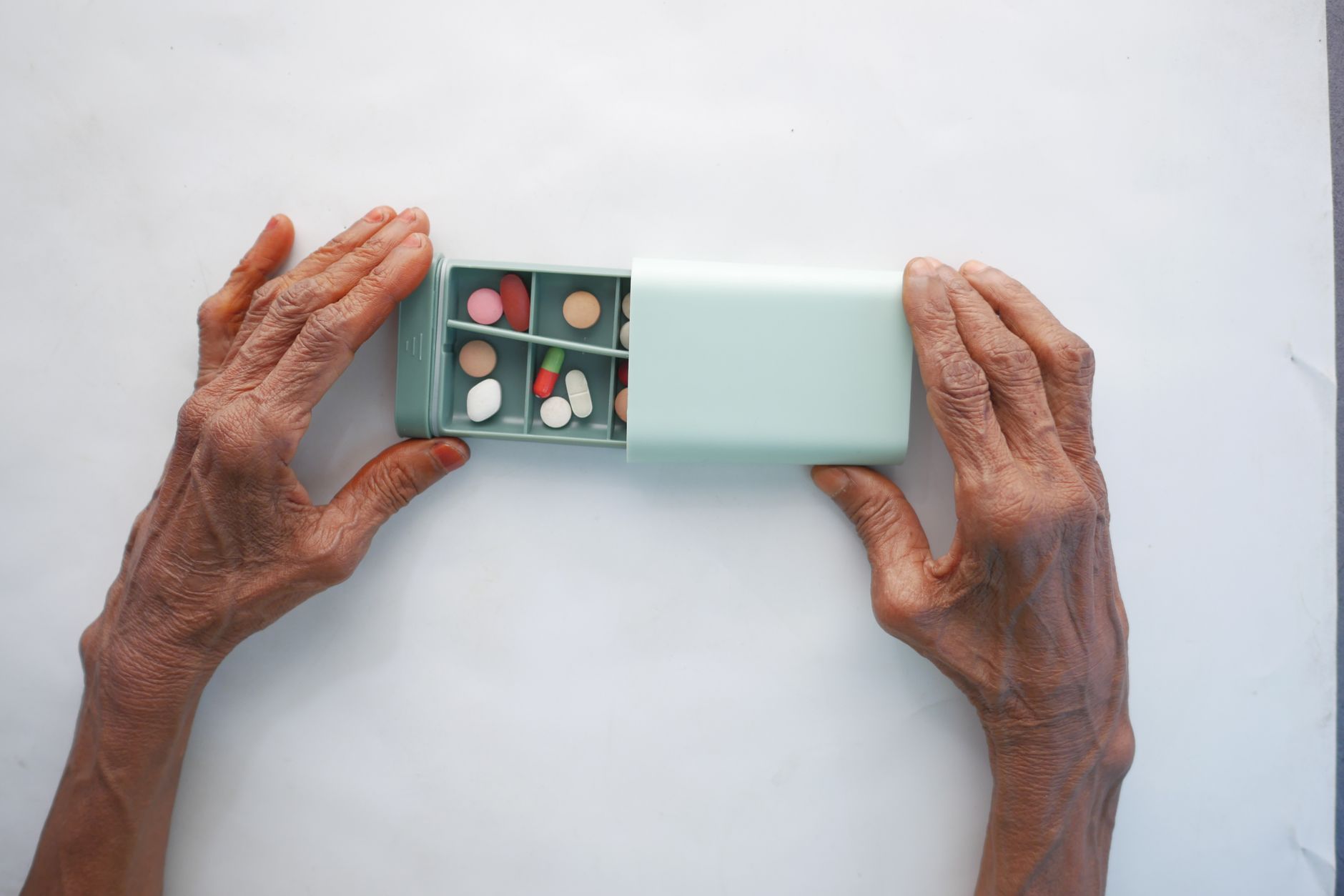
Most seniors do not take just one medication. The typical older adult in the United States takes multiple prescription medications simultaneously, and this polypharmacy amplifies xerostomia risk dramatically. When a senior takes medications from several different classes—perhaps an antihypertensive, a diuretic, an antidepressant, and a medication for arthritis—the cumulative effect on saliva production can be severe. Each medication may suppress saliva flow by 10% or 15%, but together they can reduce saliva production by 40% or more. The prevalence data underscores this reality: research finds that xerostomia becomes significantly more likely when patients take more than four daily prescription medications.
Since about 90% of seniors take at least one prescription drug, and many take considerably more, the population at risk is enormous. A warning sign that dry mouth from medications may be developing is if a senior notices their dry mouth worsening after starting a new medication or after a dose increase. This temporal relationship is important to discuss with both the prescribing physician and the dentist. Another limitation to consider is that seniors often cannot modify their medication regimens simply to address dry mouth. Stopping a blood pressure medication to improve salivary flow would be medically inadvisable if that medication is preventing a stroke. Instead, management must occur through other means—saliva substitutes, modified dental care, dietary adjustments, and close dental monitoring—while the underlying medications remain necessary.
Identifying Anticholinergic Burden as an Early Warning System
Modern research has developed a tool to help identify seniors at particular risk: the German anticholinergic burden score (GACB). A 2024 research initiative highlighted using this assessment tool to quickly evaluate anticholinergic exposure and oral health risks in patients aged 50 and older. The GACB score helps healthcare providers understand which medications in a patient’s regimen have anticholinergic properties and how substantially those properties affect the patient overall.
This scoring system offers a practical way to flag high-risk seniors before severe dental damage develops. The importance of this tool is that anticholinergic burden often goes unrecognized. A senior might be taking benztropine for Parkinson’s disease, a tricyclic antidepressant for depression, and an antihistamine for allergies—and not realize that all three medications have anticholinergic effects that are compounding their dry mouth problem. Using the GACB score, healthcare teams can identify these overlapping medications and potentially adjust treatment plans to minimize anticholinergic exposure when alternatives exist, such as switching to SSRIs instead of tricyclic antidepressants for depression.
Management Strategies and the Future of Prevention
The American Dental Association and research evidence support several concrete management strategies for seniors experiencing medication-induced dry mouth. For those taking tricyclic antidepressants or anticholinergic medications, pilocarpine—a medication that stimulates saliva production—can be prescribed to counteract the dry mouth effect. For seniors taking antipsychotics, dose reduction may be possible if psychiatric symptoms remain controlled at a lower dose. For those on SSRIs, sugar-free chewing gum can stimulate residual saliva production.
Saliva substitutes can provide temporary relief and protection for teeth between meals and overnight. What the research indicates for the future is increasingly preventive. Rather than waiting for cavities to develop, healthcare teams are beginning to assess anticholinergic and xerostomia risk at the time medications are prescribed, choosing alternative medications when equivalent options exist, and establishing aggressive preventive dental programs for high-risk seniors before damage occurs. Regular dental visits become critical—not just annually but potentially three or four times per year for seniors with medication-induced dry mouth—allowing early detection and treatment of cavities before they progress to tooth loss.
Conclusion
Medication-induced dry mouth is one of the most significant but underrecognized threats to dental health in older adults. Between 30% and 40% of seniors experience xerostomia, and the vast majority are taking medications that contribute to this problem. The damage is real and measurable: seniors on multiple medications lose teeth more rapidly than peers on fewer drugs, and cavities can develop aggressively despite excellent oral hygiene. Because over 400 medications affect saliva and because seniors often cannot discontinue these medications without risking their overall health, prevention and management must focus on protective strategies rather than medication cessation.
The path forward involves awareness, early identification, and proactive management. Seniors experiencing dry mouth should discuss it explicitly with both their dentist and physician, exploring whether medication adjustments are possible and what compensatory strategies—from saliva substitutes to more frequent dental visits—make sense for their situation. Healthcare providers should assess anticholinergic burden and xerostomia risk when prescribing medications to older adults, choosing alternative drugs when equivalent options exist. For seniors already experiencing medication-induced dry mouth, the good news is that understanding the mechanism opens pathways to protection: targeted interventions, close monitoring, and preventive dental care can preserve teeth and maintain the ability to eat independently—a critical foundation for aging in place with dignity.