
GPS trackers keep wandering seniors safe by providing real-time location data that caregivers can access from a smartphone, computer, or web browser. When someone with dementia or a related condition leaves home without notice, a family member can quickly locate them on a map, see their exact coordinates, and retrieve them before they become lost, injured, or endangered. A typical scenario: Margaret’s daughter received an alert at 2 PM indicating her mother had left their assisted living facility. Using the tracker on her phone, she pinpointed Margaret walking toward the neighborhood where she lived 30 years ago, still six blocks away from a busy intersection. The alert gave her time to drive there and bring her mother back safely.
The technology exists specifically because wandering represents a genuine safety crisis for people with dementia and other neurodegenerative conditions. An estimated 60 percent of people with dementia will wander at some point, according to the Alzheimer’s Association. Most get lost for fewer than 24 hours, but some go missing for days or longer, and the outcomes can be fatal: exposure, traffic accidents, falls, and dehydration. For families, GPS trackers reduce the constant anxiety of monitoring a parent or spouse who no longer has reliable judgment about distance, traffic, or personal safety. They work best as one part of a broader care plan that includes locks, routine, outdoor supervision, and ongoing medical management.
Table of Contents
- How Do GPS Trackers Work for Seniors with Elopement Risk?
- What GPS Trackers Can and Cannot Reliably Do
- Real-World Accuracy and Response Time in Actual Wandering Scenarios
- Choosing Between Wearable Trackers, Phone-Based Systems, and Hybrid Approaches
- Common Challenges—Battery Anxiety, False Alarms, and Privacy Concerns
- Integration with Facility Systems and Law Enforcement Response
- The Future of Senior Safety Technology and Practical Next Steps
- Conclusion
How Do GPS Trackers Work for Seniors with Elopement Risk?
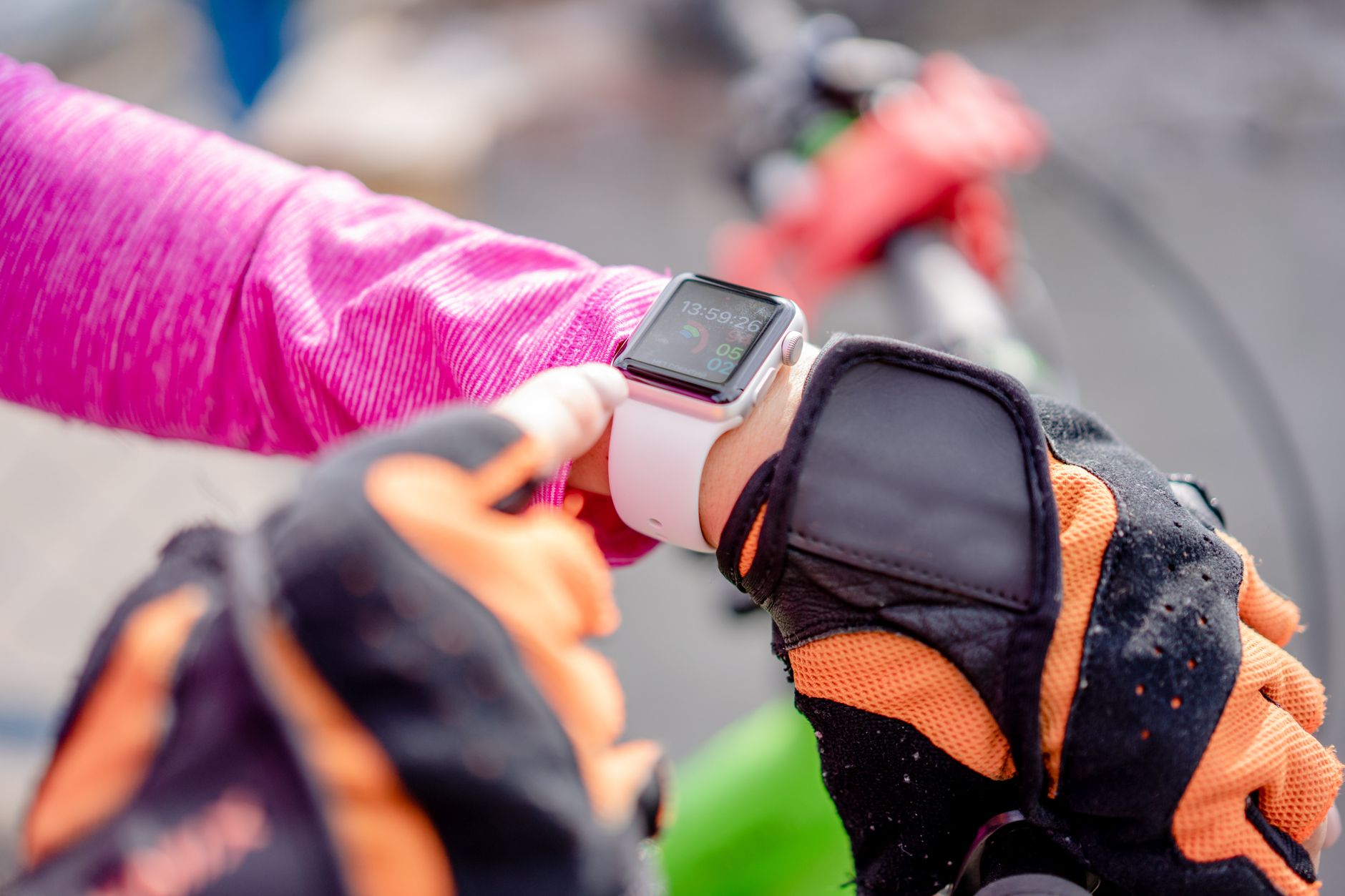
GPS trackers for seniors fall into several categories, each using different technology. Device-based trackers like the AirTag, Tile, or dedicated units such as the Jiobit or LilyGPS use global positioning satellites to calculate precise outdoor location. Indoor trackers, which use Bluetooth or WiFi positioning, work within buildings but are less accurate outside. Most modern devices combine multiple positioning methods—GPS, cellular triangulation, and WiFi—to provide the most reliable fix regardless of environment. When motion is detected or a geofence boundary is crossed, the device automatically sends an alert to designated caregivers.
The key difference between a consumer AirTag and a purpose-built senior tracker is monitoring capability and support infrastructure. A $30 AirTag is designed for finding lost keys, not a person. A healthcare-focused tracker includes real-time monitoring dashboards, alert customization, two-way communication features, and often customer support teams trained in elder care scenarios. Some systems, like Jiobit or Safezone Tracking, offer emergency responder integration, meaning local police or search-and-rescue teams can access location data directly through the platform. This matters in a critical situation. If your mother goes missing at 6 AM and you alert police, having that tracker data shared automatically with search teams compresses response time from hours to minutes.
What GPS Trackers Can and Cannot Reliably Do
GPS trackers will show you where someone is, but they have real limitations that families often underestimate. Outdoor accuracy is typically 15 to 50 feet, depending on weather, tree cover, and urban canyon effects. This means a tracker might say your father is “at the corner store,” but finding him in a 200-square-foot building still requires walking inside. Battery life is another constraint: most senior-focused trackers last 3 to 7 days between charges, and many seniors forget to carry them or resist wearing them. If the device isn’t worn, charging doesn’t happen, and your safety net fails silently. A tracker showing “last known position” updated 8 hours ago is less useful than real-time data.
The technology also depends entirely on someone noticing the alert and responding. If your mother wanders and you’re in a meeting with your phone silenced, you won’t know she’s gone for hours. If she wanders into a basement, underground parking, or areas with poor GPS signal, the device may lose position for stretches, showing stale data or gaps in her trail. GPS trackers are not panic buttons that summon help automatically. They give you information, not intervention. For this reason, they work best alongside other safeguards: facility alarm systems, neighbors who are aware of her condition, a caregiver who accompanies her outside, or an arrangement with local police for welfare checks.
Real-World Accuracy and Response Time in Actual Wandering Scenarios
Consider the practical example of Robert, a 72-year-old with early Alzheimer’s who lives with his son in a suburban neighborhood. His son placed a Jiobit on Robert’s belt and set up geofences around the house and the nearby park they visit weekly. One afternoon, Robert left through a side door and headed toward a shopping center he hadn’t visited in three years. The Jiobit alerted his son within 2 minutes. A map on his phone showed Robert’s position moving along the sidewalk toward the center. His son checked—Robert had reached the shopping center lot. He drove there in 5 minutes and found his father standing near the entrance, somewhat confused but unharmed.
Without the tracker, Robert would likely have continued walking, possibly crossed busy roads, or been found much later by someone else. This illustrates both the power and the limits of GPS tracking. The device gave his son actionable intelligence—direction of travel, speed, and real-time position. It also required his son to check his phone promptly and respond. Had Robert been faster or had his son been driving, the outcome might have been different. The tracker didn’t prevent the elopement; it accelerated the response. In contrast, a facility or home alarm system that locks exits physically prevents elopement entirely, but can feel restrictive or inhumane to a cognitively intact person. GPS is a tool for damage control, not prevention.
Choosing Between Wearable Trackers, Phone-Based Systems, and Hybrid Approaches
Families face tradeoffs when selecting a tracking solution. A wearable device like Jiobit, Safezone, or LilyGPS is physically small, can be attached to clothing or shoes, and works independently—your parent doesn’t need to carry a smartphone. The downside: yet another device to charge, lose, or have removed by someone who dislikes being monitored. If your parent’s dementia includes behavioral resistance or aggression toward caregivers, convincing them to wear a tracker may be impossible. A smartphone with a tracking app (Life360, Google Family Link, Apple AirTag in a backpack) is cheaper and requires charging only one device they already carry.
The catch: many seniors, especially those in early dementia, refuse to carry phones, lose them constantly, or press random buttons that turn off location services. Some families use a hybrid approach: a wearable device for outdoor walking and a smartphone app for backup. Others rely on a facility’s internal alarm and surveillance system plus an external tracker for outings. The best choice depends on your parent’s cognitive level, their willingness to wear or carry a device, and the frequency and distance of their wandering. A person with moderate dementia who wanders daily in a 5-mile radius needs different tracking than someone with early dementia who has wandered once and is otherwise reliable. Cost ranges from free (using a smartphone with a free app) to $50 to $100 per month for commercial systems that include professional monitoring and emergency responder integration.
Common Challenges—Battery Anxiety, False Alarms, and Privacy Concerns
One of the most frustrating aspects of GPS tracking is battery management. You set up the device, it works for a week, the battery dies, and you get a false sense of security because the app still shows a location, but it’s outdated. Many families discover this during the exact crisis they’re monitoring for. Some systems address this by sending low-battery alerts to caregivers’ phones, but many seniors ignore these alerts or don’t understand them. A practical solution is setting a weekly charging schedule and making it part of routine caregiving—charge it every Sunday afternoon, for instance—but this assumes the senior can be reminded or supervised consistently. False alarms also erode trust in the system.
A geofence set too tight around the house might alert you every time your parent goes to the mailbox. Sensitivity settings intended to catch meaningful movement might trigger when they’re just pacing indoors. Some families report alert fatigue: they stop checking their phones after the tenth false alarm, which is precisely when a real elopement occurs. Privacy is another concern that deserves honest acknowledgment. Tracking a parent’s location 24/7 feels necessary for safety but can feel controlling or undignified. Your parent may view it as surveillance, refuse to wear it, or feel infantilized by constant monitoring. These conversations are hard and worth having before an crisis forces the decision.

Integration with Facility Systems and Law Enforcement Response
If your parent is in an assisted living or memory care facility, ask whether the facility has an elopement protocol and whether they integrate with external tracking devices. Some high-end facilities have secure units with alarms on every exit; others rely on staff vigilance and visual monitoring. A facility’s internal system combined with an external GPS tracker provides redundancy. If someone exits the building, the facility alarm alerts staff immediately, and if they can’t locate the person quickly, staff and family can access the GPS tracker for their position. Some professional tracking services have partnerships with local police departments, allowing them to push location data directly into 911 systems when reported missing.
An example: Patricia’s husband is in a memory care facility with secure exits but not internal tracking. They placed an Apple AirTag in his shoe as a low-cost backup. He’s never wandered, but if he did, Patricia has location data to share with police immediately. The facility appreciates the backup; it gives them an additional tool if their own systems fail. If he were reported missing and she called 911 with his AirTag location, that information could be transmitted to search teams in real time through the Find My network. Not all police departments accept private tracking data yet, but this integration is expanding, and it’s worth asking your local police what systems they support.
The Future of Senior Safety Technology and Practical Next Steps
The market for senior safety devices is growing, and newer trackers are becoming more discreet and longer-lasting. Future devices will likely integrate blood pressure, heart rate, and fall detection alongside location, creating a more comprehensive safety system. Some research is exploring wearables embedded in clothing or jewelry that don’t feel like surveillance devices. For now, GPS tracking works best as part of a layered approach: secure environments, caregiver presence, facility systems, personal devices, and community awareness. The technology will continue improving, but it will never replace human attention and judgment.
Your practical next step depends on your immediate situation. If your parent is in early dementia and hasn’t wandered yet, education and planning now—talking to their doctor, understanding their condition, and preparing a response—is more important than buying a tracker. If they’ve wandered multiple times or have a known tendency to wander, a trial of a specific tracker system is worth doing. Start with a low-cost option like an AirTag or Tile to test the concept and determine whether they’ll wear it. Move to a professional system only if the low-cost option fails or if your parent is in a high-risk situation. Most families find success when they frame tracking not as surveillance but as freedom—a device that lets their parent do more safely because someone is ready to respond if something goes wrong.
Conclusion
GPS trackers keep wandering seniors safe by providing caregivers real-time information that speeds up response when elopement occurs. They reduce the most dangerous first hours of a missing person case and give families actionable data to locate their parent quickly. However, they are not a complete solution.
They depend on devices being worn and charged, on alerts being noticed and acted upon, and on someone being available to respond. They work best in combination with facility systems, caregiver presence, and community awareness. Before purchasing any tracker, honestly assess your situation: Has wandering actually happened, or are you anticipating it? Is your parent willing to wear a device? Does your facility or living situation already have elopement safeguards in place? What is your realistic ability to respond quickly when an alert occurs? These answers will guide you toward the right tracking solution. The goal isn’t perfect surveillance; it’s informed caregiving that allows your parent independence while ensuring they can be found quickly if something goes wrong.