
The seven home fixes that prevent most senior falls are: removing trip hazards, improving bathroom safety, installing grab bars, adding proper lighting, reducing clutter, securing stairs and thresholds, and evaluating footwear and mobility aids. These modifications address the specific circumstances where roughly 80% of falls occur in older adults—in bathrooms, on stairs, and in entryways—and they’re proven to reduce fall risk by 25% to 50% when implemented comprehensively. A 78-year-old woman with mild arthritis might fall while stepping out of a shower because the tile is slippery and she has nothing to hold; installing a grab bar and non-slip mat cost $60 and take two hours to install, yet prevent a hip fracture that would cost $30,000 and potentially end her independence.
Fall prevention isn’t about wrapping your home in bubble wrap. It’s about understanding where falls actually happen and removing the specific conditions that create them. Most seniors fall during ordinary activities—walking to the bathroom at night, stepping out of the shower, climbing stairs they’ve used for decades. The fixes aren’t complicated or expensive; they’re tactical interventions that address the physical mismatch between aging bodies and unchanged home environments.
Table of Contents
- Why Most Senior Falls Happen at Home
- Bathroom Safety, Grab Bars, and Slip Prevention
- Lighting, Trip Hazards, and Entryway Safety
- Stairs, Thresholds, and Installing Safety Equipment
- Footwear, Mobility Aids, and the Devices Seniors Overlook
- Environmental Assessment and When to Involve Professionals
- Maintenance, Ongoing Adjustment, and Living Safely Long-Term
- Conclusion
Why Most Senior Falls Happen at Home
one in four Americans aged 65 and older experiences a fall each year, and more than 80% of these falls occur in the home. The reason is simple: seniors spend the vast majority of their time at home, moving through familiar spaces where they’ve grown comfortable taking risks they might not take elsewhere. The bathroom poses the highest risk—accounting for nearly 20% of fall-related injuries—because it combines three hazards: slippery surfaces, unstable fixtures designed for standing (soap dispensers, towel racks), and reduced stability in wet conditions. Bedrooms and living rooms are the next highest-risk zones, particularly in transitions like getting out of bed, walking to the bathroom at night, or moving between rooms. The biomechanics of aging change how seniors navigate their homes.
Older adults lose muscle mass at a rate of 3% to 8% per year after age 30, reducing the power available for quick corrections if they begin to lose balance. Vision changes make them slower to detect hazards in poor lighting. Many medications affect balance, reaction time, and spatial awareness. These physical changes happen gradually and invisibly; a person walks their home 10,000 times without incident and then one day, with no obvious change, falls. This is why modification of the environment—rather than hoping for better balance—becomes a critical safety strategy.

Bathroom Safety, Grab Bars, and Slip Prevention
Bathrooms require more modifications than any other room because they combine water, smooth surfaces, changing postures, and the false assumption that bathroom fixtures can support body weight. Towel racks, soap dispensers, and even water-access handles are designed purely to dispense water, not to bear human weight; seniors who reach for them during a slip may actually accelerate a fall rather than prevent one. Proper grab bars must be securely mounted into wall studs or backed with blocking, positioned at heights between 34 and 38 inches, and angled between 45 degrees and vertical. A grab bar installed into drywall alone can fail at 250 pounds of force, whereas a properly installed bar should support 300 to 500 pounds. Non-slip surfaces in tubs and showers reduce fall risk more significantly than grab bars alone. Adhesive non-slip tape, textured tub inserts, or spray coatings all work; the key is covering the full floor area where people stand or sit.
Many seniors and their families overlook the toilet area, which poses a specific falling hazard during the unstable moments of sitting down and standing up. A raised toilet seat (4 to 6 inches higher) reduces the distance someone must drop and the strength required to stand; combined with grab bars on both sides, this can prevent falls for people with knee, hip, or back limitations. The investment is typically $15 to $40 for a raised seat and $100 to $300 for properly installed grab bars, yet a single hip fracture and hospital stay averages $35,000 to $40,000. Bathroom falls often happen at night when seniors are half-asleep and moving without turning on full lights. A small motion-activated LED light mounted at 6 to 12 inches above the floor provides visibility without the glare that comes from overhead lights at 2 a.m., making it easier to navigate to the toilet without fully waking. This simple addition ($15 to $25) prevents falls that occur specifically during nighttime bathroom visits, which represent a high proportion of serious falls in older adults living alone.
Lighting, Trip Hazards, and Entryway Safety
Poor lighting is present in nearly 50% of fall incidents. Unlike a grab bar, which addresses one specific high-risk moment, lighting improvements prevent falls across the entire home. The key is understanding that older eyes need 2 to 3 times more light than younger eyes to see the same details; a hallway that feels adequately lit to a 40-year-old may be genuinely dark to an 80-year-old. Stairs should have continuous lighting from top to bottom, with the light switch accessible from both the top and bottom. Transition zones—entryways, the path from bedroom to bathroom, doorways between rooms of different brightness—need extra attention because the eye’s pupil must adjust, creating a temporary blind spot where a trip hazard becomes invisible. LED strip lights installed under railings, along baseboards, or in corner closets provide ambient lighting that doesn’t create glare or heat.
These lights cost $20 to $50 per room and can be battery-operated or hardwired; motion-activated versions eliminate the need to remember to turn them on. Task lighting near stairs—a focused light on each step edge or a light specifically on the stair treads—reduces falls more than general room lighting alone. Trip hazards in hallways, living rooms, and entryways account for roughly 15% of falls. Throw rugs, electrical cords, pet toys, and clutter create specific tripping points. Many seniors believe they’re familiar enough with their homes to step over an extension cord or navigate around a magazine stack; this confidence is often misplaced because depth perception, balance correction speed, and attention all decline with age. A simple intervention—removing or securing throw rugs with double-sided tape, using cord covers, and keeping high-traffic pathways completely clear—costs nothing but requires honest assessment of the home. One family discovered that their 74-year-old mother had been stepping over a newspaper stack in her bedroom doorway for weeks; when they removed it, she reported feeling “less worried about stumbling.”.
Stairs, Thresholds, and Installing Safety Equipment
Stairs are the cause of approximately 12% of falls in older adults, and these falls tend to be severe because they involve a fall over distance and impact. The fix is multifaceted: stair treads with textured or high-friction surfaces reduce slipping; proper handrails on both sides (not just one) allow for symmetrical support and balance; and edge marking with contrasting tape or paint helps older eyes distinguish individual steps, especially in poor lighting. A staircase that a 50-year-old navigates automatically becomes a hazard when coordination and vision decline. Thresholds between rooms—the raised edges at doorways—are a commonly overlooked trip hazard. A 0.5-inch threshold might seem trivial, but it becomes a significant obstacle to someone with reduced hip flexion or visual acuity. Beveled thresholds (sloped rather than vertical) reduce trip risk while maintaining the functionality of the threshold.
For permanent installations, this is a carpentry job, but adhesive bevel strips ($20 to $40) provide a temporary solution. Installing these modifications correctly matters more than the specific product chosen. Grab bars that aren’t anchored into studs fail. Tape that isn’t applied cleanly peels up. A handrail that’s too low or unstably mounted becomes a liability rather than an asset. This is why many aging-in-place experts recommend professional installation for major modifications rather than DIY approaches, even though professional installation adds $200 to $400 in labor costs. An improperly installed grab bar could theoretically cause a fall rather than prevent one.
Footwear, Mobility Aids, and the Devices Seniors Overlook
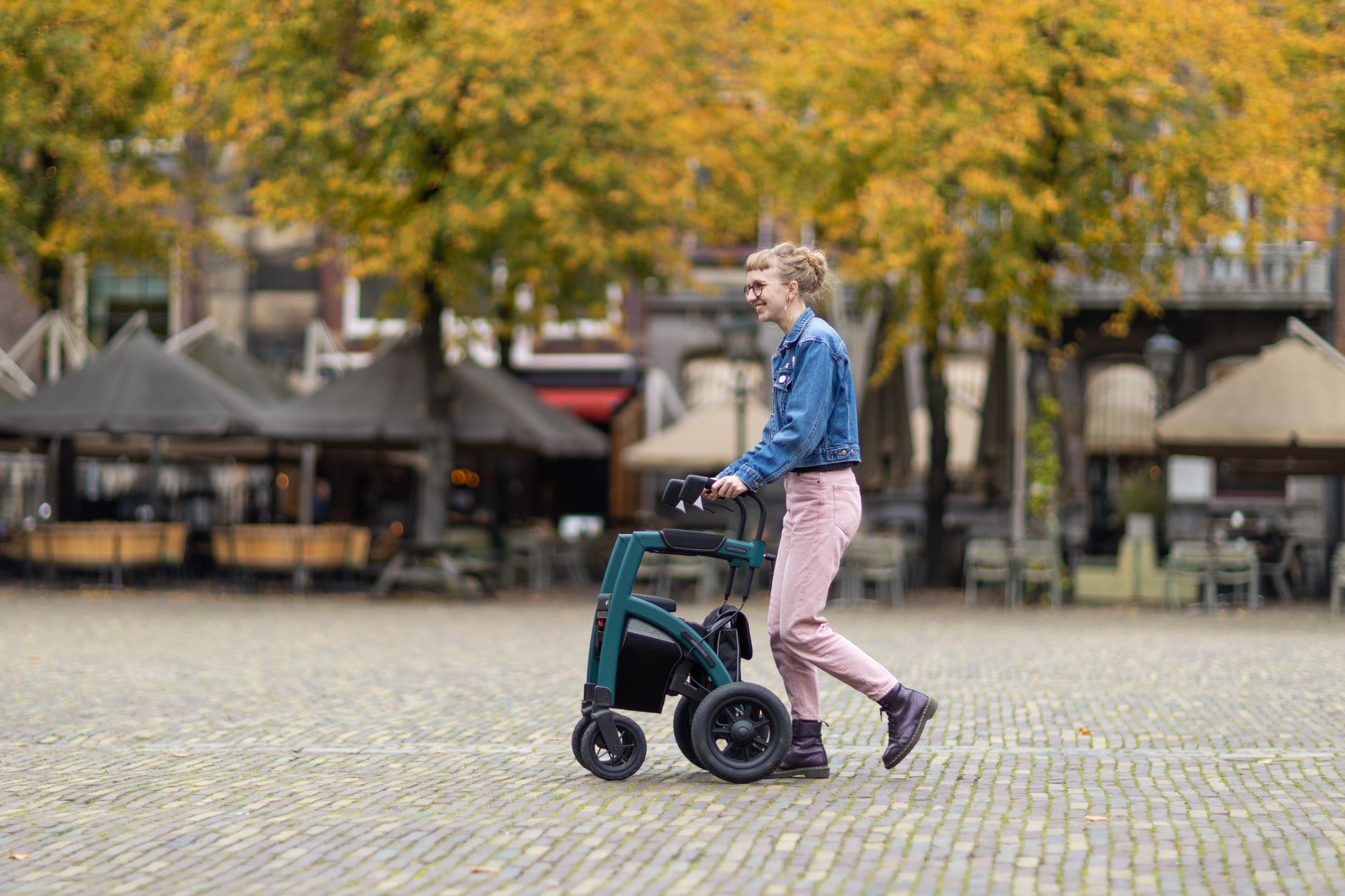
Many seniors fall not because their homes are unsafe but because they’re wearing unsafe shoes. Socks alone on hardwood floors provide almost no friction; worn-smooth shoe soles also slide. Shoes with good tread, a firm heel, and ankle support reduce falls significantly compared to slippers, sandals, or shoes with smooth soles. This is why healthcare providers now include footwear assessment as part of fall-risk evaluation. Yet many seniors resist, viewing proper shoes as unnecessarily formal for home wear, or they save their good shoes for outings and shuffle through the day in worn slippers. Mobility aids—canes, walkers, grab bars—only work if they’re the right type, properly fitted, and actually used. A cane that’s too short or too long provides incorrect weight distribution. A walker that’s too high or too low can make the user lean or stoop, worsening balance rather than improving it.
Most important, seniors must be comfortable using aids; if a cane feels like an admission of decline or looks “old,” many will go without it and fall instead. This psychological dimension is often underestimated. A 70-year-old man with arthritis might refuse a cane despite his orthopedist’s recommendation, fall three weeks later, and only then agree to use one—after the fall proves its necessity. Eyeglasses matter more than many seniors realize. Progressive bifocals or trifocals can cause falls by distorting depth perception, especially on stairs where clear distance judgment is critical. Some fall-prevention specialists recommend single-vision glasses for stair navigation or a separate pair of reading glasses for close work. Similarly, hearing aids don’t prevent falls directly but do improve spatial awareness and the ability to hear warnings or obstacles. These aren’t grand structural modifications, but they’re part of comprehensive fall prevention.
Environmental Assessment and When to Involve Professionals
Professional fall-risk assessment by occupational therapists, geriatricians, or physical therapists costs $150 to $400 per visit but identifies hazards that families miss. A professional walks through the home from a senior’s perspective, noting things like: Is the path to the toilet clear if they need to move quickly? Can they safely reach items they use daily, or are they climbing on furniture? Does their footwear match their mobility level? Are medications stored at waist height or do they have to bend down repeatedly? Some modifications are obvious—a slippery bathroom floor is a clear hazard. Others require insight into a specific person’s limitations. Someone with severe arthritis who can no longer easily step up a high toilet seat needs a raised seat; someone with severe knee pain who can barely bend their knees needs grab bars positioned exactly where they’ll help during that specific movement.
Generic checklists miss these individual details. A comprehensive assessment typically identifies 8 to 15 hazards per home; most seniors prioritize the top 3 or 4 due to cost and disruption, which is why a professional’s guidance on sequencing matters. Some modifications also require changes to the home that extend beyond simple removals or additions—thresholds that need beveling, railings that need replacing, or lighting that requires electrical work. These may require contractors, permits, or coordination with landlords if the senior rents. The earlier a family engages with this planning, the more time they have to budget and schedule work.
Maintenance, Ongoing Adjustment, and Living Safely Long-Term
Fall prevention is not a one-time project but an ongoing process. Grab bars installed five years ago may have corroded or loosened. Non-slip tape may have worn smooth in high-traffic areas. New medications might affect balance in ways that change which home modifications matter most. Seasonal changes—icy conditions outside, reduced lighting in winter—may require additional adaptations. An 82-year-old who lived safely in her modified home for years may decline further and need additional support structures.
Families often assume that once modifications are in place, the risk is gone. In reality, seniors and their caregivers need to periodically reassess. Is the non-slip mat still gripping, or has it started to peel? Are nighttime bathroom trips happening safely, or is the motion-activated light no longer triggering reliably? Has the senior’s mobility changed in ways that make existing aids less useful? Annual check-ins—similar to a home inspection—help catch degradation before it causes a fall. Additionally, behavioral factors change over time. A senior who was conscientious about using a cane may stop using it as it feels more familiar and comfortable to move without it. They may accumulate new clutter or change their nighttime routine in ways that affect fall risk. This is why ongoing communication between seniors, family members, and healthcare providers matters as much as the physical modifications themselves.
Conclusion
The seven most effective home modifications—removing trip hazards, improving bathroom safety, installing grab bars, adding proper lighting, reducing clutter, securing stairs and thresholds, and evaluating footwear and mobility aids—work because they address the specific situations where falls actually occur. These aren’t expensive interventions; a comprehensive home safety modification typically costs $500 to $2,000, far less than the medical and care costs that follow a serious fall. The key is understanding that every home is different; an assessment tailored to a specific person’s mobility, vision, medications, and home layout will identify hazards that generic checklists miss.
The next step is starting small, prioritizing the modifications that address the highest-risk areas in your home, and being willing to adjust as mobility and circumstances change. Many seniors live independently for years longer when their homes are intentionally designed to match their current abilities rather than requiring them to maintain the balance and strength of their younger years. Fall prevention is not about restriction or loss of independence; it’s about removing unnecessary obstacles so that aging in place is genuinely safe.