
Most people assume that aging in place or staying in your own home is simply a matter of paying your mortgage and maintaining the property yourself. The reality is far more expensive. Hidden homeownership costs average $21,400 annually nationwide, with some regions like Hawaii reaching $34,573 per year—figures that multiply dramatically when you factor in the accessibility modifications, professional care services, and increased maintenance demands that come with aging. For someone choosing to remain at home rather than move to a senior living facility, these invisible expenses often exceed the mortgage itself and can quickly derail retirement budgets if not properly planned for.
The challenge is that most people don’t discover these costs until they’re suddenly faced with a leaking roof, a broken HVAC system, or the realization that they need professional help to bathe and manage daily tasks. Consider a 72-year-old homeowner in Massachusetts who thought her biggest expense would be property taxes. Within one year, she faced a $12,000 roof repair, installed $8,000 in grab bars and bathroom modifications for mobility, and hired home health aides at $30 per hour for 20 hours per week—costs that totaled over $47,000 that year alone. Understanding these seven hidden costs before they arrive is essential for anyone committed to aging independently at home.
Table of Contents
- What Are Home Modifications and Accessibility Costs?
- The Escalating Burden of Professional Home Care Services
- Maintenance and Repairs That Never Stop
- Property Taxes and Homeowners Insurance Keep Rising
- Utility Costs That Compound with Aging-in-Place Needs
- HOA Fees and Additional Hidden Services
- Planning for the Unexpected and Long-Term Sustainability
- Conclusion
What Are Home Modifications and Accessibility Costs?
As people age, homes that once felt perfectly functional become obstacles to independence. Grab bars, wider doorways, walk-in showers, ramps, stairlifts, and accessible kitchens aren’t optional upgrades—they’re often necessary investments to prevent falls and maintain mobility. A single bathroom renovation to accommodate a wheelchair-accessible shower can cost $15,000 to $25,000. A stairlift for a multi-level home runs $3,000 to $5,000. Installing grab bars throughout the home, modifying door frames, and creating accessible entryways can add another $5,000 to $10,000. These modifications address the most dangerous reality of aging in place: falls.
The CDC reports that one in four Americans aged 65 and older experiences a fall annually, and each fall that requires hospitalization costs an average of $35,000 in immediate medical care—not including long-term care needs. Unlike a new roof or HVAC system, accessibility modifications don’t add value when you eventually sell the home. You’re investing in personal independence and safety, not in property equity. A ramp that costs $3,000 to install will likely need to be removed or modified when you sell, and potential buyers may see it as a liability rather than an asset. Some homeowners face difficult choices: spend $20,000 on modifications to stay in a home they love, or move to a single-story home or senior community where these features are already built in. The financial tradeoff often favors modification, but only if you plan to stay in the home for at least 5-10 more years to recover the investment through avoided moving costs.

The Escalating Burden of Professional Home Care Services
If aging in place means staying independent, it also increasingly means paying for professional help. Home care services in 2026 average $5,000 or more monthly, depending on the level of assistance needed. A home health aide costs $27 to $34 per hour. For someone needing 20 hours per week of assistance with bathing, dressing, medication management, and meal preparation, that‘s $2,160 to $2,720 monthly—or $25,920 to $32,640 annually. If care needs increase to 40 hours per week, costs double. Many people assume Medicare will cover these costs, but Medicare only pays for skilled nursing care (wound dressing, catheter care, medication injections) ordered by a doctor after a qualifying hospital stay.
Personal care and assistance with activities of daily living—the tasks that aging adults actually need help with—are not covered by Medicare and must be paid out of pocket, through Medicaid (if you qualify based on asset limits), or through private long-term care insurance. The limitation many face is that as care needs grow, hourly care becomes prohibitively expensive. A person needing 60 hours per week of care—perhaps due to advanced arthritis, dementia, or multiple chronic conditions—faces monthly costs of $6,480 to $8,160. At that level, many families discover that assisted living or a residential care facility might actually be cheaper or provide better care. Yet by the time this realization arrives, the person has often exhausted savings on in-home care and faces difficult choices with fewer options. Planning for these costs requires honest assessment of realistic care needs and either significant savings, long-term care insurance, or family members willing to provide unpaid care—a solution increasingly unavailable as more families are geographically dispersed.
Maintenance and Repairs That Never Stop
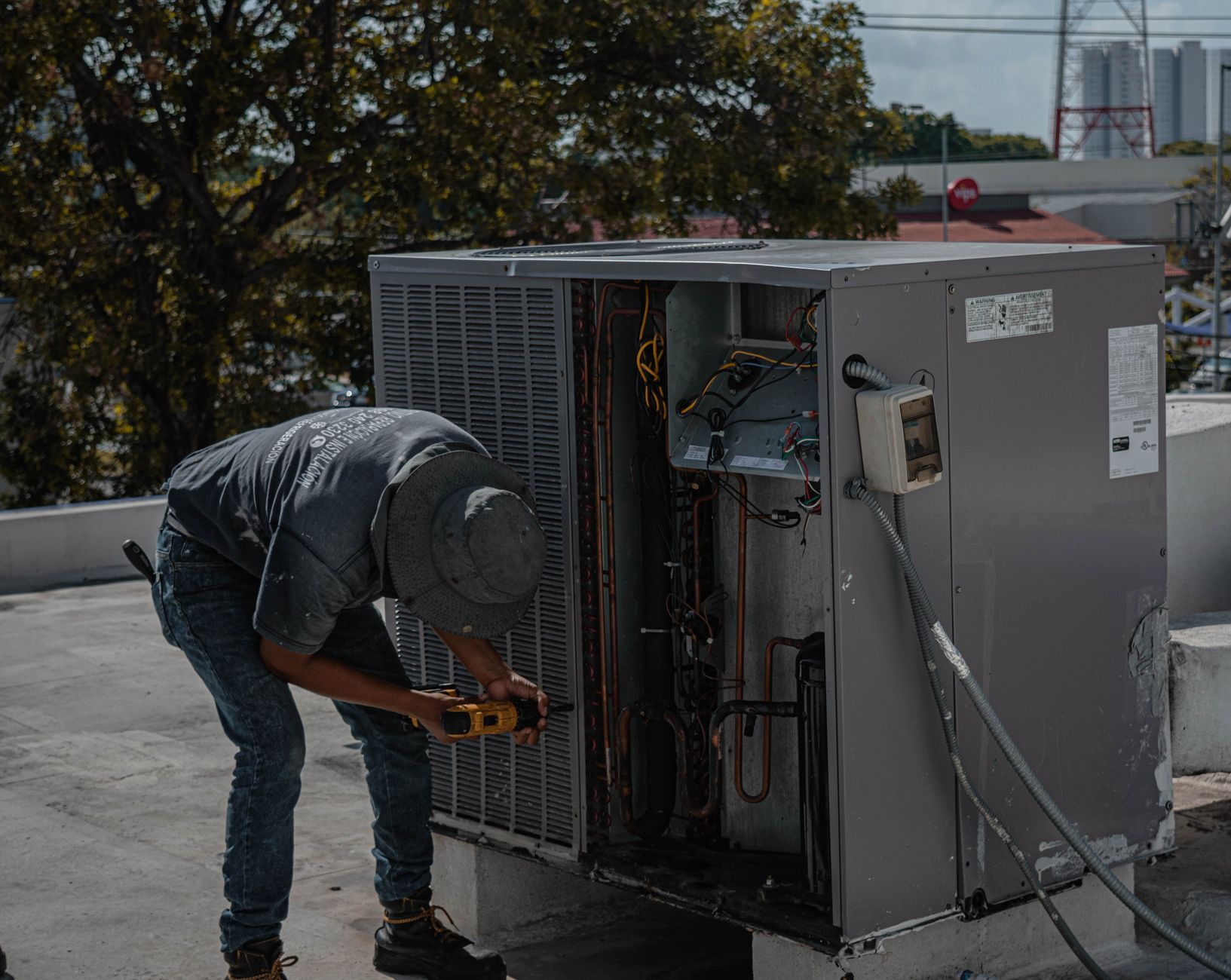
A roof that lasts 20 years will eventually need replacement at a cost of $10,000 to $25,000 depending on home size and materials. A water heater fails at $1,500 to $3,000 to replace. An HVAC system costs $5,000 to $15,000. Plumbing problems, foundation issues, exterior painting, and appliance failures are not question of if but when. National data shows homeowners should budget 1% of their home’s purchase price annually for maintenance and repairs. A $400,000 home means $4,000 per year in expected maintenance costs.
A $600,000 home means $6,000 per year. These are averages, but in Hawaii, where the cost of living and labor are highest, maintenance costs average $19,642 annually. The problem is that major repairs rarely arrive during the year when you’ve actually saved $4,000 for maintenance. They cluster unpredictably. A severe storm damages the roof, the water heater fails, and you discover termite damage in the foundation—and suddenly you’re facing $30,000 in emergency repairs that must be addressed immediately. For someone on a fixed retirement income, these unexpected expenses force difficult choices: deplete savings, take on debt, postpone necessary repairs (risking further damage), or finally accept that staying in the home may no longer be financially sustainable. Older homes, more common among retirees who’ve owned their properties for decades, tend to have higher maintenance costs and more frequent major repairs.
Property Taxes and Homeowners Insurance Keep Rising
Homeowners insurance costs an average of $2,802 per year nationally in 2026, but geographic variation is enormous. Homeowners in Nebraska pay $7,920 annually for the same coverage that costs $2,500 in other states. Oklahoma averages $7,426 per year. Climate risk, local building costs, and insurance company profit margins create these disparities, and they’re rising faster than inflation. Insurance premiums increase 5-10% annually in many regions due to climate-related claims and rising repair costs. Someone on a fixed retirement income faces the painful reality that their insurance bill grows every year while their income stays flat.
Property taxes present an even larger burden, and unlike insurance, they have no real limit. In high-property-value areas, annual property taxes can exceed $15,000 on a $1 million home. While some states offer property tax exemptions or deferrals for seniors, these programs are limited and often require means-testing. A person who stays in their home for 20 years pays property taxes for 20 years, with no return on that investment. This creates a genuine trap: you’ve paid off your mortgage and own the home outright, yet you’re forced to pay thousands annually to the county or municipality simply to keep living there. Without careful planning, property taxes and insurance alone can consume 10-15% of a retiree’s monthly income, leaving less for healthcare, food, and other necessities.
Utility Costs That Compound with Aging-in-Place Needs
The average American household pays $451.72 monthly for utilities—electricity, natural gas, water, garbage, and internet combined. For an older adult aging in place, utility costs often increase. Someone using a stairlift, mobility equipment that requires charging, oxygen concentrators, or medical devices that run 24/7 pays more for electricity. Increased heating or cooling to maintain comfort for someone with circulation problems or temperature sensitivity adds another $50-$150 monthly. Internet costs rise if video monitoring systems, medical alert devices, or telehealth equipment are installed. Water bills increase with more frequent bathing if mobility or incontinence issues require additional showers or assistance.
Over a year, utility costs alone run $5,400 to $7,200. Over 20 years of aging in place, you’re looking at $108,000 to $144,000 in utility bills. If you live in Hawaii, where electricity costs nearly double the national average, this number jumps to $220,000 or more over 20 years. This is money that generates no asset, no equity, and no insurance payout. It simply keeps the lights on and the water running. For someone on a tight retirement budget, managing utility costs becomes a strategic decision: Do you set the thermostat lower to save money, knowing that could affect health? Do you skip using the air conditioning despite high summer temperatures? These aren’t abstract budget questions—they’re real tradeoffs between financial and physical wellbeing.
HOA Fees and Additional Hidden Services
Nearly 44% of American homes are subject to homeowners association fees, with a median HOA fee of $135 per month—$1,620 annually. Some HOAs charge $300-$500 monthly or more, depending on amenities and location. Unlike property taxes or insurance, HOA fees are often unexpected costs that new residents discover too late. They fund community amenities, maintenance of common areas, insurance, management, and reserves. The problem is that HOAs can raise fees with minimal notice, and homeowners have little ability to reduce costs without moving. As you age and become less able to use amenities like pools and fitness centers, you’re still paying full fees.
Additionally, many HOAs restrict modifications to homes, meaning that wheelchair ramp installation or grab bar placement may require HOA approval—a process that can delay necessary safety modifications. Beyond HOA fees, aging in place creates demand for additional services that carry ongoing costs. Lawn care and landscaping average $100-$200 monthly in most regions. Pest control runs $50-$150 monthly. Snow removal in winter climates adds $500-$1,500 seasonally. Gutter cleaning, pressure washing, tree trimming, and other exterior maintenance often become necessary because the homeowner can no longer do this work themselves. A person managing all these services simultaneously—HOA fees, lawn care, pest control, and specialized maintenance—can easily spend $300-$400 monthly on services that wouldn’t be necessary in a community senior living setting where these are included in one monthly fee.
Planning for the Unexpected and Long-Term Sustainability
The most damaging aspect of these hidden costs is that they’re rarely anticipated together. Someone might budget for property taxes and insurance, fail to account for accessibility modifications, and then face home care costs that exceed all other expenses combined. The median hidden homeownership cost of $21,400 annually represents just the baseline—for someone aging in place with significant care needs or in a high-cost region like Hawaii, actual annual costs can exceed $50,000 or $60,000 easily.
Planning for sustainable aging in place requires honest assessment of three things: realistic care needs as you age, honest evaluation of the home’s condition and likely repair costs, and clear understanding of your financial resources over a 10-20 year horizon. Many people benefit from consulting a financial planner who understands aging and long-term care costs, particularly if significant assets are involved or family members will help provide care. The goal isn’t to scare you away from aging in place—for many people, it remains the best option—but to help you make this decision with eyes open to the true financial commitment involved.
Conclusion
Staying in your own home as you age offers genuine benefits: independence, comfort, familiar surroundings, and continuity of life. These benefits are real and meaningful. But they come with costs that most people dramatically underestimate. Homeowners budget for the mortgage payment and often nothing else, then face shock when a roof fails, accessibility modifications are needed, professional care becomes necessary, and utilities, insurance, and property taxes continue their inexorable rise. The average hidden cost of $21,400 annually across the nation understates the reality for many aging adults, particularly those in higher-cost regions or those with significant care needs. The path forward is intentional planning.
Calculate your realistic home maintenance costs, get quotes on the accessibility modifications you’ll likely need, understand the true cost of professional care if needed, and factor in property taxes, insurance, utilities, and any HOA or additional services. Compare this total against the cost of alternative housing options—assisted living, senior communities, or relocating to a more affordable region. Make your decision to age in place from a position of financial clarity, not assumption. The good news is that with planning, most people can afford to stay in their homes. The bad news is that without planning, they run the risk of depleting their savings far faster than anticipated, leaving little for healthcare, emergencies, or the later years when care costs become most acute. Your home can be your best option for aging—but only if you understand the true cost of keeping it.