
Supporting aging parents means taking on a range of responsibilities—from managing their healthcare and finances to helping with daily tasks and making sure they can live safely and independently for as long as possible. This doesn’t happen all at once. It often begins with a conversation about their wishes, a check on their home safety, and a realistic look at what they need now and might need later. For example, a 72-year-old mother who’s still living in her own home but having trouble with stairs may need grab bars and a bedroom moved to the ground floor, while her finances need review to ensure her savings will last through her later years and that her healthcare wishes are documented.
The challenge for adult children is that supporting aging parents isn’t a single role—it’s a combination of being a care coordinator, financial manager, healthcare advocate, and sometimes a hands-on caregiver. The scope depends entirely on your parent’s age, health, and circumstances. A parent at 65 who’s healthy may need only help planning for the future. A parent at 85 with multiple conditions may need daily help with medication, mobility, meals, and medical appointments. The earlier you start these conversations and planning, the less reactive and crisis-driven the process becomes.
Table of Contents
- How to Assess Your Aging Parent’s Actual Needs
- Creating a Care Plan and Legal Framework
- Managing the Daily Work of Caregiving
- Coordinating Healthcare and Medical Decisions
- Caregiver Burnout and Supporting Yourself
- Financial Planning and Healthcare Costs
- Technology and Aging in Place Resources
- Conclusion
- Frequently Asked Questions
How to Assess Your Aging Parent’s Actual Needs
The first mistake adult children make is assuming they know what their parents need. The best way forward is to have a direct conversation—ideally when there’s no crisis—about their health, their independence goals, and their concerns. You might ask: What helps you feel independent? What activities matter most to you? What worries you about aging? A parent might say their priority is staying in their home, or they might express fear about becoming a burden, or they might reveal cognitive changes you hadn’t noticed from phone calls alone. Once you understand their priorities, assess their functional capacity. Can they manage medications? Do they prepare meals safely? Are they getting to the bathroom without falling? Can they manage finances and bills? Are they staying socially connected? This assessment isn’t clinical—it’s practical. You’re looking for patterns.
If your parent forgets to take blood pressure medication but remembers every appointment, you might set up a pill organizer or a reminder app rather than assume they’re declining. If they’re struggling to grocery shop but refuse a delivery service, that’s a limitation worth addressing directly rather than working around. A limitation of informal assessment is that family members often overestimate (or underestimate) what their parents can do. Adult children may see forgetfulness as early dementia when it’s actually normal aging. Or they might miss warning signs because they’re not seeing the full picture—a parent may be doing fine during a weekly visit but struggling the rest of the week. Consider bringing in a professional: an occupational therapist can do a home safety assessment, a geriatrician can evaluate overall health and capacity, and a social worker can help identify gaps in support. This is worth the cost because it gives you objective information and a plan, not just family intuition.

Creating a Care Plan and Legal Framework
Once you understand your parent’s needs, put a plan in writing. A care plan doesn’t need to be formal or created by a professional—it can be a document you write yourself that outlines your parent’s health conditions, medications, emergency contacts, daily routines, and who is responsible for what. If your parent has cognitive decline or multiple health conditions, a more formal plan created with their doctor is better. The key is that everyone involved (your parent, siblings, doctors, any caregivers, and you) knows the same information and the same goals. Legal and financial arrangements matter here, and they matter early. If your parent becomes unable to make decisions, you’ll need legal power of attorney to manage finances and property, and healthcare power of attorney (also called medical power of attorney or healthcare proxy) to make medical decisions. These documents need to be in place while your parent has capacity to sign them.
Without them, you may need to go to court to become a legal guardian—a process that’s slow, expensive, and can create conflict. Similarly, ensure your parent has a will or trust, that beneficiaries on bank accounts and insurance are correct, and that their healthcare wishes are documented in an advance directive or living will. Many of these documents can be created affordably through online services, but it’s worth a consultation with an elder law attorney if your parent has significant assets, complex family dynamics, or health concerns. A major limitation of care plans is that they become outdated quickly. Your parent’s health, needs, and circumstances change. A plan made when your parent was 68 and healthy might be completely inadequate when they’re 78 and dealing with heart disease and arthritis. Review and update the plan at least annually, and sooner if there’s a major health change, hospitalization, or change in living situation. Without regular updates, the plan becomes a document that was accurate once but no longer reflects reality.
Managing the Daily Work of Caregiving
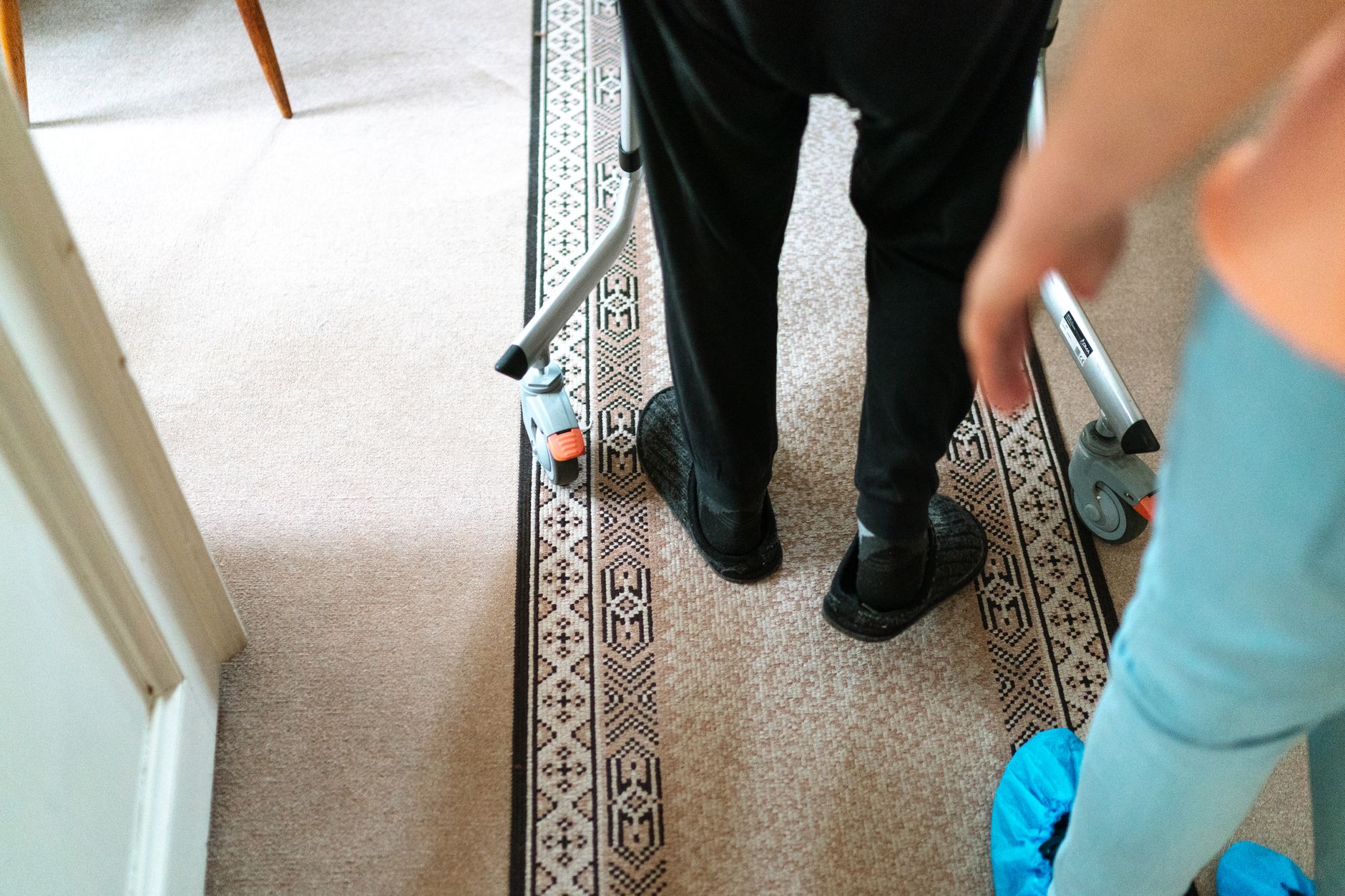
For many adult children, supporting aging parents translates into concrete caregiving tasks: driving to appointments, managing medications, helping with bathing or dressing, shopping and cooking, paying bills, or providing 24/7 supervision if your parent has dementia. These tasks are necessary, but they’re also exhausting and disruptive to your own life. The goal isn’t to do everything yourself; it’s to figure out what needs to be done, who can do it, and when to bring in paid help or other family members. A practical example: Your 80-year-old father had a stroke and now has difficulty with balance and walking. He can’t leave the house safely alone. You have a full-time job and two young kids. You cannot provide supervision 24/7. The realistic options are: he goes to assisted living, a home health aide comes during certain hours (morning and evening, for example), he moves in with you and you hire in-home support, or you coordinate with siblings or extended family to share the responsibility. Each option has tradeoffs. Assisted living removes the daily caregiving burden but costs money and your father may resist leaving his home.
An in-home aide preserves independence but is expensive (often $15–30 per hour or more, depending on your region) and may not be enough if your father needs more intensive care. Moving him in with you solves the expense but adds strain to your marriage, your kids’ routines, and your own mental health. There’s no perfect answer. The right answer depends on your family’s finances, your parent’s flexibility, your capacity, and whether other family members will step up. One limitation that adult children often don’t anticipate: your parent may refuse the help that makes the most sense. They may not want to leave their home. They may reject a caregiver because “I don’t need a stranger in the house.” They may resist your suggestions because it feels like you’re trying to control them. These conversations are difficult because there’s a real tension between respecting your parent’s autonomy and ensuring their safety. If your parent is still cognitively intact and not in immediate danger, respecting their choices—even if you think they’re wrong—is usually the right path. If safety is genuinely at risk, you may need to be more firm, but that conversation is worth having with your parent’s doctor and a social worker, not just your own judgment.
Coordinating Healthcare and Medical Decisions
Aging parents often have multiple doctors, multiple medications, and multiple chronic conditions. No single doctor has a complete picture. You might discover that your parent’s cardiologist prescribed a medication that conflicts with something their rheumatologist prescribed. Or they’re taking supplements that interfere with their blood pressure medication. Or they’re seeing three specialists who each ordered tests that duplicate what another specialist already did. Someone needs to be the coordinator, and that person is often you. Start by getting a complete picture: a list of all medications (including over-the-counter drugs and supplements), a list of all health conditions, and names of all doctors.
Ask your parent’s primary care doctor to review the full list and identify any problems. Better yet, be present at appointments when you can—you’ll catch things your parent forgets to mention, you can ask questions, and you can document what the doctor actually said (not what your parent remembers them saying). Keep a shared document or notebook that travels with your parent: if they go to the emergency room, a new clinic, or see a specialist, bring that notebook so the medical team has context. Healthcare coordination has a real limitation: your parent may not want you involved. They may see your presence at appointments as intrusive, or they may not want you to know details about their health. You have a right to help, but you don’t have a right to override your parent’s privacy wishes. If your parent is cognitively intact, they can decide what you’re allowed to know and which appointments you can attend. If they have cognitive decline, healthcare power of attorney and HIPAA authorization documents become essential—these let you receive medical information and make decisions on their behalf legally.
Caregiver Burnout and Supporting Yourself
Supporting an aging parent is physically and emotionally demanding. Adult children who become primary caregivers often experience depression, anxiety, sleep loss, and health problems of their own. They skip their own medical appointments because they’re managing their parent’s care. They lose income or turn down promotions because caregiving demands are unpredictable and time-consuming. They feel guilty when they’re frustrated with their parent, and they feel guilty when they take time for themselves. This is caregiver burnout, and it’s real and common. The warning here is blunt: if you don’t take care of yourself, you won’t be able to take care of your parent. Burnout makes you less patient, less effective, more likely to make mistakes, and at risk of inadvertently harming your parent through neglect or loss of control. You need breaks. You need support from other family members or paid caregivers. You need to maintain your own health and relationships.
This isn’t selfish—it’s necessary. If you’re the primary caregiver and you’re always exhausted, it’s time to bring in help. Hire a home health aide for a few hours a week so you can work or exercise. Ask siblings to take specific responsibilities. Look into adult day programs where your parent can go a few times a week, giving you time free. Use respite care (short-term care that gives primary caregivers a break) when your parent needs more intensive support. Support groups for caregivers exist for a reason. Talking to other people who understand what you’re going through—people who also feel guilty, exhausted, and torn between competing demands—reduces the sense of isolation. Support can be online or in person. Some are sponsored by senior services organizations, some by hospitals, some by disease-specific groups (if your parent has Alzheimer’s, there are Alzheimer’s caregiver groups). The investment in your own mental health and support is an investment in your parent’s care.

Financial Planning and Healthcare Costs
One of the starkest realities of aging is the cost. Long-term care is expensive. Assisted living averages $4,500 to $6,000 per month in most of the U.S., depending on region. Nursing home care averages $8,000 to $10,000 per month or more. Home health aides at 40 hours per week cost $2,400 to $2,800 per month.
These costs add up quickly, and Medicare covers very little of it. Most people don’t understand this until they’re facing an aging parent and a bill they can’t afford. This is why financial planning matters and should start early. If your parent has savings or investments, how long will they last? At what point would they qualify for Medicaid? (Medicaid does cover long-term care, but only after you’ve spent down your assets to a very low limit.) Does your parent have a pension or Social Security? Are there long-term care insurance policies that could help? Is there a house that could be sold to fund care? These are uncomfortable conversations, but they’re necessary. The earlier you have them, the more options you have. If your parent waits until they need care urgently, options shrink and costs increase.
Technology and Aging in Place Resources
Technology can extend a parent’s independence and your peace of mind. Medical alert systems (wearable devices that call for help if your parent falls) are reliable and relatively affordable. Medication reminder apps and pill organizers with alarms help prevent missed doses. Video doorbells and home security systems let you know if someone’s at the door. GPS tracking devices can locate a parent with dementia who wanders. Telehealth appointments reduce the burden of getting to the doctor’s office.
Some technologies are simple and low-cost; others are more complex and require your parent to be comfortable with smartphones or voice assistants. The limitation of technology is that it works only if your parent will use it and if it actually addresses a real problem. A medical alert system is useless if your parent won’t wear it. A medication app is useless if your parent doesn’t have a smartphone or can’t figure out how to use it. Before investing in technology, talk to your parent about what would actually help them and whether they’re willing to use it. And understand that technology is a supplement to human connection and support, not a replacement. A motion sensor that alerts you if your parent hasn’t been moving around their home is helpful, but it’s not the same as a phone call or a visit.
Conclusion
Supporting aging parents is not a problem you solve once. It’s an evolving set of challenges that changes as your parent ages, as their health changes, and as your own life circumstances change. The foundation is understanding what your parent needs and what they want. The work is making sure healthcare decisions are coordinated, daily care is managed, finances are planned, and you’re not burning yourself out in the process. It’s also about acknowledging that you can’t do it all alone and that bringing in help—whether that’s other family members, professional caregivers, or paid services—isn’t a failure. It’s realistic and necessary.
The next step is to start the conversation if you haven’t already. Ask your parent about their priorities, their concerns, and their wishes. Create a simple plan together. Get the legal and financial documents in place. And take care of yourself along the way. Supporting an aging parent is one of the most meaningful things you’ll do, but it’s also one of the most demanding. You deserve support too.
Frequently Asked Questions
At what age should I start thinking about my parent’s future care?
There’s no magic age, but the conversations are easier when your parent is healthy. If your parent is in their 50s or 60s, it’s a good time to discuss retirement plans, where they want to live as they age, and what matters to them. If your parent is already experiencing health changes or is in their 70s or 80s, the conversations become more urgent. But it’s never too late to start.
How do I talk to my parent about aging and care without making them defensive?
Approach it as planning, not as suggesting they can’t manage. Frame it around their wishes and their independence: “What’s most important to you as you get older?” “What would help you stay in your home safely?” “Who do you trust to make decisions if you’re not able to?” Show that you’re asking because you want to respect their choices, not because you think they’re failing.
What should I do if my parent refuses help or seems to be declining but won’t see a doctor?
If your parent is cognitively intact, their right to refuse help generally trumps your concerns, even if it frustrates you. You can explain your concerns, you can offer alternatives, but you can’t force them. If there’s imminent danger (they’re not eating, they can’t manage medications, they’re being abused), you may need to involve Adult Protective Services or seek guardianship. For a parent who’s refusing medical care, try asking their doctor to call them directly or involving a trusted family member or friend your parent respects.
Is assisted living or nursing home care the only option if my parent can’t stay at home?
No. Options include continuing to live at home with in-home support, moving in with a family member (with or without in-home aides), or adult foster care (a private home where an individual or couple cares for a small number of older adults). The right option depends on your parent’s needs, your family’s capacity and finances, and what your parent wants.
How do I know if my parent is safe living alone?
Look for warning signs: medication errors, missed appointments, weight loss, poor hygiene, unpaid bills, home safety hazards (clutter, loose rugs, broken locks), not leaving the house, or unexplained injuries or bruises. A professional assessment from an occupational therapist or geriatric care manager can give you an objective answer. If you’re worried, it’s worth the investment.
What happens if my parent gets dementia or can’t make decisions?
This is why legal documents (healthcare power of attorney, financial power of attorney, advance directives) are so important. With these in place, you can legally make decisions and manage their care. Without them, you’ll need to pursue guardianship through the court, which is slow and expensive. If your parent doesn’t have capacity and no legal documents, contact an elder law attorney immediately.