
The best smart doorbell for seniors isn’t about having the newest technology—it’s about clarity, simplicity, and reliability when a family member or caregiver needs to see who’s at the door. Ring Video Doorbell (4th generation), Logitech Circle View, and Google Nest Hello stand out for their large, easy-to-read screens and straightforward setup, though each has trade-offs that matter for older adults living independently or with caregivers. A 78-year-old with arthritis may find a doorbell with a simple phone interface easier to manage than one requiring multiple app screens, while someone with hearing loss needs clear audio alerts—something most mainstream doorbells struggle to deliver properly.
The real-world value of a smart doorbell for seniors goes beyond seeing visitors. It provides documented evidence of who came to the door and when, offers a way to communicate without physically answering the door (reducing falls and giving time to prepare), and gives adult children and caregivers remote access to footage. However, the technology introduces new frustrations: cloud services that require continuous internet, subscriptions that vary by brand, and interfaces designed for younger users who navigate tablets and apps with ease. For aging in place to actually work, the doorbell has to be simple enough that your 85-year-old parent can troubleshoot it without calling you every week.
Table of Contents
- What Features Actually Matter for Senior-Friendly Smart Doorbells?
- Popular Smart Doorbell Systems Compared—Limitations You Should Know
- Installation and Setup: Where Most Senior Doorbell Deployments Fail
- Health and Safety Features That Actually Protect Seniors
- Common Problems and Persistent Frustrations
- Integration with Caregiver Access and Emergency Response
- Future Smart Home Integration and Accessibility Improvements
- Conclusion
- Frequently Asked Questions
What Features Actually Matter for Senior-Friendly Smart Doorbells?
A truly senior-friendly smart doorbell prioritizes visibility and simplicity over feature count. The screen size on the indoor display (or on a smartphone app) should show faces clearly without pinching or zooming—most adults over 70 have presbyopia or other vision changes that make small text or tiny faces unusable. The Ring Video Doorbell 4, for example, displays video on a standard 5-inch indoor chime screen, which works, but many seniors still prefer to use their tablet or phone, where they can enlarge the image.
Audio quality matters just as much; a doorbell that produces a crisp, loud alert sound through a phone or indoor speaker can mean the difference between someone hearing a visitor and missing them entirely. The other critical factor is how the doorbell handles repeated tasks. Can a senior person easily tap one button to unlock a door for a caregiver on a regular schedule? Can they check video history to see if someone tried the door while they were asleep? If the interface requires remembering passwords, navigating nested menus, or distinguishing between different notification types, adoption fails quickly. Logitech Circle View Home is noted by senior care advisors for its straightforward interface, though it requires purchasing the Circle View Wired Plus doorbell to get all features, which adds cost and complexity in planning.

Popular Smart Doorbell Systems Compared—Limitations You Should Know
Ring Video Doorbell (4th Gen) is the market leader partly because of Amazon’s distribution and integration with Alexa devices that many households already have. The doorbell itself is affordable ($99-$150), but Amazon’s cloud storage for video footage requires a Ring Protect subscription ($4.99-$19.99 monthly depending on features). For a senior living alone, this monthly cost adds up, and if internet service drops, real-time video access disappears—even though the doorbell itself continues to work. A common complaint from adult children managing elderly parents: they set up Ring’s geofencing features to unlock doors automatically, but the system fails 15-20% of the time during peak internet congestion hours.
Google Nest Hello offers excellent video quality and integrates with Google Home devices, but it requires a Google Home setup and monthly subscription ($10-$12.99) for video history. The setup process assumes familiarity with Google accounts and home automation—reasonable for tech-comfortable seniors, but a significant barrier for others. Logitech Circle View, meanwhile, includes some video storage without a subscription (24-hour rolling cloud backup), which appeals to seniors who want to avoid recurring costs. However, Logitech’s ecosystem is smaller; fewer caregivers know the app, and integration with other smart home devices is limited. None of these systems provide truly reliable local storage without additional hardware investment, meaning internet outages affect your ability to see who’s at the door in real-time.
Installation and Setup: Where Most Senior Doorbell Deployments Fail
Installing a smart doorbell physically is straightforward for someone comfortable with basic tools—you typically mount it, connect it to your home’s Wi-Fi, and add it to an app. But the setup process assumes digital fluency that many seniors don’t have. You need to create an account with the doorbell manufacturer, authenticate that account on a smartphone or computer, connect the doorbell to Wi-Fi using your router’s password (which many homeowners don’t know), and often invite caregiver family members to access the same footage. A 2024 report on aging-in-place technology found that 34% of seniors over 75 required remote assistance to complete doorbell setup, and 12% gave up entirely.
For seniors with dexterity limitations, the physical installation presents real challenges. The doorbell’s buttons are often small, and resetting the device requires pressing a tiny reset hole with a paperclip for several seconds—not practical for someone with arthritis. If you have renters who cannot drill holes, or seniors whose home’s electrical wiring is too old to support video doorbell features, battery-powered options exist but require monthly charging—a maintenance task easily forgotten. Adult children often handle installation remotely by walking parents through steps over the phone, which takes 45 minutes to two hours and inevitably involves multiple troubleshooting calls when the Wi-Fi connection fails the first attempt.
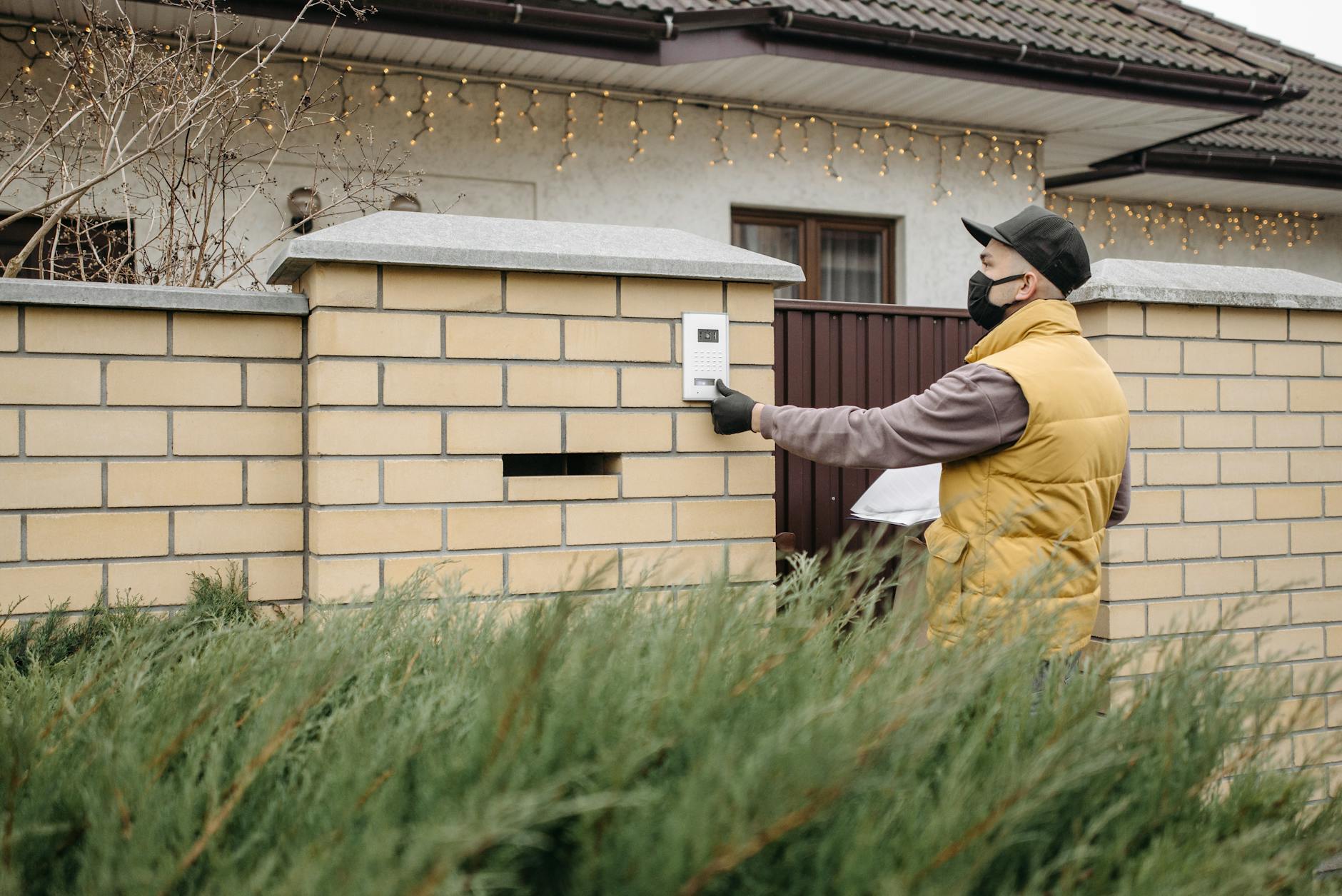
Health and Safety Features That Actually Protect Seniors
A smart doorbell becomes a safety device when it includes emergency features and integration with caregiver workflows. Some systems allow creating “trusted visitor” lists—caregivers, healthcare aides, family members—and send specific alerts when those people arrive, which helps seniors who may forget expected visitors or have memory changes. The Logitech Circle View system allows labels for recurring visitors, and Nest Hello can recognize familiar faces (with setup), though this technology sometimes misidentifies visitors, creating false security.
The real safety value emerges when the doorbell gives seniors a way to verify visitors before opening the door, especially important for fraud prevention. Older adults are targeted by door-to-door scams, and being able to ask “Who is it?” through the doorbell speaker and see a video feed prevents many security incidents. However, this only works if the doorbell audio is loud and clear enough that the senior hears the visitor’s response and if the video resolution is high enough to identify uniforms, badges, or other verification markers. Ring’s night vision is adequate but not exceptional, and Nest Hello’s low-light performance is better—something to test before buying if your parent’s home has a porch with limited lighting.
Common Problems and Persistent Frustrations
The most frequently reported issue with smart doorbells for seniors involves unresolved alerts and false notifications. Many systems will send 50-100 motion detection alerts per day as mail carriers, delivery trucks, and neighborhood activity pass the front door. Turning off motion alerts solves the noise problem but defeats part of the device’s safety purpose—you want to know if someone actually tried your door while you slept. Manually adjusting motion detection zones requires navigating phone app settings that older adults often find counterintuitive. Ring’s motion alerts send dozens of irrelevant notifications that result in most seniors either disabling alerts entirely or muting all notifications, which means they miss actual visitors.
Another persistent problem: cloud dependency creating brittle systems. If your internet drops for six hours, the doorbell stops sending real-time alerts and you cannot remotely unlock doors or speak to visitors—exactly when a backup system would be most useful. Some seniors purchase backup cellular connection devices to provide redundancy, but this adds cost and complexity. Additionally, password resets for doorbell apps are a major pain point; a senior who hasn’t logged into the Ring app in three months and forgets their password may be completely locked out without calling Amazon customer service, waiting on hold, and talking through identity verification. This has caused real problems in emergency situations when adult children needed access to footage.

Integration with Caregiver Access and Emergency Response
The value of a smart doorbell increases significantly when it’s integrated into a broader caregiver workflow. Many families set up the doorbell so adult children in other cities can monitor it, and paid caregivers get temporary access during their shifts. Google Nest and Ring both allow multiple account access, but managing who can see footage and unlock doors requires careful setup—too permissive and you create security issues; too restrictive and caregivers can’t help during emergencies.
A common real-world scenario: an adult child grants their parent’s caregiver access to the Ring doorbell so she can see when the mail arrives, but the caregiver accidentally turns off motion alerts while troubleshooting, and no one realizes it until a delivery is missed. For seniors with serious health concerns who receive frequent visits from healthcare aides, the doorbell’s ability to create a log of who entered when becomes valuable for medical care. A visiting nurse can see the previous day’s visitor history, noting if the senior’s family member visited as scheduled, if a physical therapist came as expected, or if multiple deliveries arrived (suggesting potential overeating or medication mix-ups). However, this requires privacy-conscious setup to ensure healthcare information isn’t exposed; most seniors don’t think to restrict footage access carefully, creating privacy vulnerabilities.
Future Smart Home Integration and Accessibility Improvements
Smart doorbells are becoming more integrated with voice assistants and accessible interfaces. Amazon Alexa and Google Assistant now offer voice control for some doorbell features, which could help seniors with vision limitations—being able to say “Show me the front door camera” instead of navigating an app represents a significant accessibility improvement. However, voice control’s implementation is inconsistent across brands, and not all features work via voice. Amazon also offers live view through any Alexa-enabled device in the home, which means a senior can ask Alexa to show the doorbell feed on their kitchen display or living room screen without opening an app.
The next generation of smart doorbells may include better local processing and edge AI—meaning less reliance on cloud services and faster response times. Some manufacturers are experimenting with displays that attach to existing chimes, removing the need to buy a whole new doorbell system. Accessibility standards in technology are improving, but smart doorbells remain an afterthought in many manufacturers’ design processes. The most senior-friendly features—large fonts, voice control, local storage, simple setup—come from a few manufacturers, and they cost more. As the aging population grows and demand for age-inclusive technology increases, this will likely shift.
Conclusion
Senior-friendly smart doorbells exist, but they require matching the right system to your parent’s specific capabilities, limitations, and comfort with technology. Ring Video Doorbell works well for tech-comfortable seniors and families who want an affordable option with wide ecosystem support, though its motion alert management and subscription costs can frustrate. Google Nest Hello offers better video quality and lower subscription costs for some features, but requires more sophisticated setup. Logitech Circle View appeals to seniors wanting to minimize subscriptions and maintain simplicity.
None of these systems are truly set-and-forget; they require ongoing management of who has access, troubleshooting occasional connectivity issues, and handling false alerts. Before purchasing a smart doorbell for an aging parent, have a conversation about what problem you’re actually solving. Are you trying to prevent entry while they’re away? Give a caregiver access? Allow your parent to screen visitors without opening the door? The best doorbell for your situation might not be the most popular one. Test the app interface on a smartphone before committing, consider installation needs and who will handle setup, and plan for the reality that cloud-dependent systems fail during internet outages—exactly when backup communication methods become essential.
Frequently Asked Questions
Can my 85-year-old parent use a smart doorbell without technical help?
It depends on their comfort with phones and apps. Initial setup usually requires adult-child assistance (45 minutes to two hours). Day-to-day use—checking who’s at the door and responding—is usually manageable if the interface is simple. Recurring issues like password resets, Wi-Fi reconnection, and app updates often require remote help.
Do I need a smart home system already set up to use a smart doorbell?
No, but integration with Alexa or Google Home adds convenience. Ring works independently, though Amazon devices enhance the experience. Google Nest benefits from existing Google Home devices but functions alone. Logitech requires less ecosystem integration.
What happens if the internet goes out?
Real-time features stop—you cannot see live video, speak through the doorbell, or unlock doors remotely. The doorbell itself continues detecting motion and recording locally (if that’s built in), but you cannot access footage until internet restores. This is a significant limitation in areas with unreliable service.
Which doorbell is best for someone with hearing loss?
Ring and Google Nest allow loud audio alerts through home speakers, which helps. However, most doorbells don’t offer visual alerts (flashing lights) alongside audio. If hearing loss is profound, pairing a doorbell with a visual notification system (smart lights that flash, for example) is necessary.
Can I set up a smart doorbell to automatically unlock the door for my caregiver?
Yes, but this creates security risks if not managed carefully. Geofencing features (unlocking when someone’s phone approaches) sometimes fail. Scheduled unlocking works better for regular visitors. However, this removes the safety benefit of verifying who’s entering.
How much do smart doorbells cost total—including the device and subscription?
Hardware typically costs $99-$200. Monthly subscriptions range from $4.99 (Ring basic) to $19.99 (Ring premium), or $10-$12.99 for Google Nest. Some services offer free trials. Many seniors find the recurring subscription frustrating, especially when multiple family members need separate accounts.