
Recovering after workouts is the often-overlooked piece that determines whether exercise improves your mobility and independence or leaves you injured and sidelined. Many people over 55 focus on the activity itself—the walk, the strength exercise, the water aerobics class—but neglect what happens in the hours and days after. Without intentional recovery, muscle soreness intensifies, joints stiffen, and the fatigue that follows can discourage you from working out again. A 68-year-old who walks for 45 minutes but doesn’t cool down, stretch, or address muscle soreness may feel worse the next morning than someone who walks 20 minutes and follows a structured recovery routine. Recovery is not a passive process. It involves specific actions: cooling down your cardiovascular system, stretching muscles while they’re still warm, refueling your body with adequate protein and carbohydrates, staying hydrated, and allowing sufficient rest between workouts.
The intensity of recovery depends on the type of exercise. A gentle afternoon stroll requires less recovery attention than a strength training session, but both benefit from intentional cooldown and nutrition. Your ability to recover also changes with age. After 50, muscle protein synthesis slows, inflammation takes longer to resolve, and sleep quality often declines. This means recovery strategies that worked at 45 may not be sufficient at 65. The good news: recovery is a skill you can master through specific practices that become easier over time.
Table of Contents
- Why Post-Workout Recovery Matters for Staying Active
- The Recovery Window: What to Do in the First Hour After Exercise
- Managing Soreness and Stiffness in the 24-Hour Period
- Nutrition and Hydration for Recovery Success
- Sleep, Rest Days, and Long-Term Recovery Patterns
- Special Considerations for Strength Training Recovery
- Building a Sustainable Recovery Routine
- Conclusion
- Frequently Asked Questions
Why Post-Workout Recovery Matters for Staying Active
exercise creates microscopic damage in muscle fibers. During recovery, your body repairs this damage and builds stronger muscles—but only if recovery conditions are right. Without adequate recovery, the damage accumulates, inflammation persists, and your performance on the next workout suffers. For someone committed to aging in place independently, this isn’t about athletic performance; it’s about whether you can sustain a routine that keeps you mobile and capable. Recovery also prevents injury cascades. When muscles are fatigued and sore, your movement patterns change.
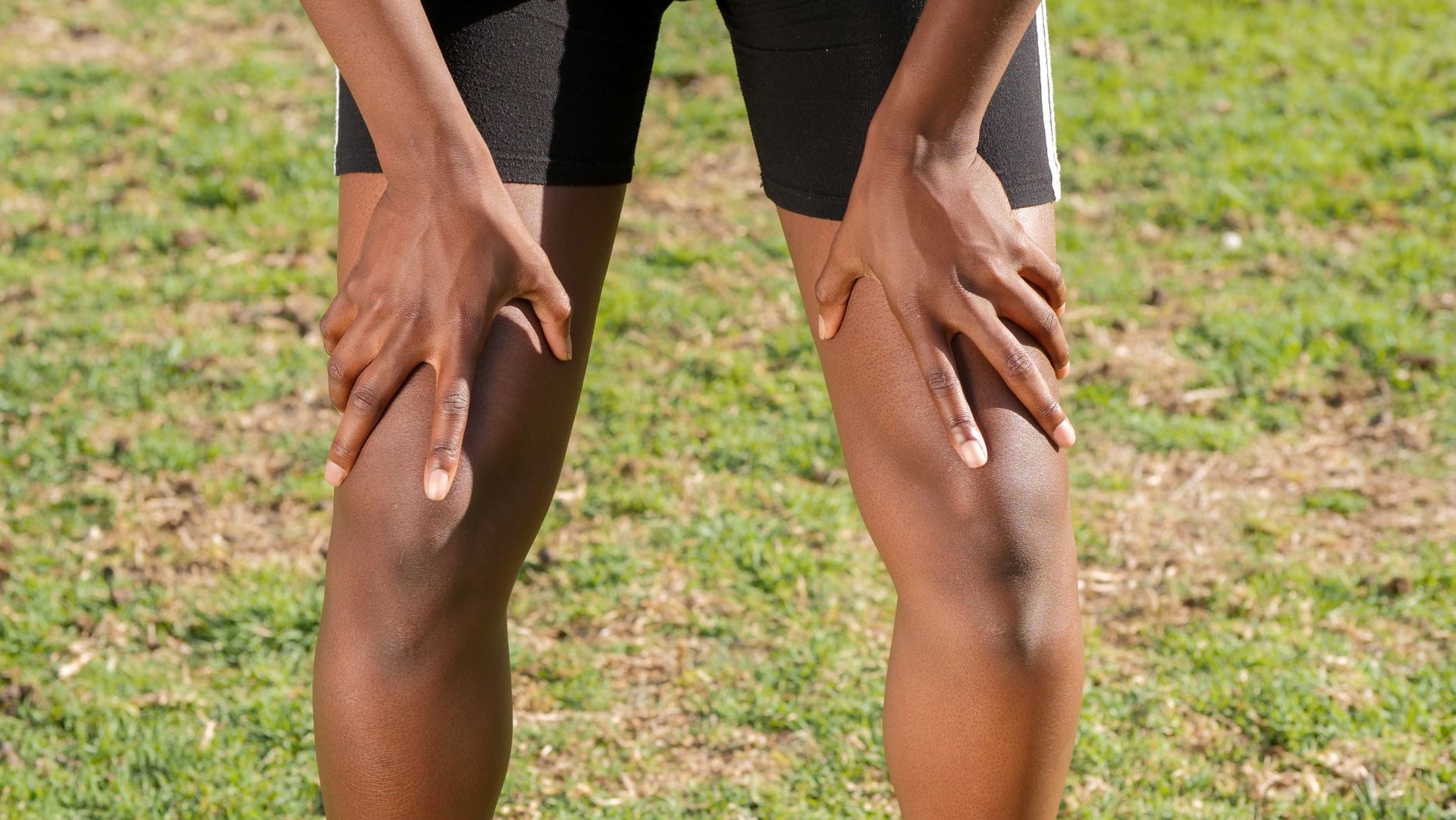
You might walk differently to avoid sore legs, putting extra strain on your hip or lower back. That altered movement pattern can lead to new pain, which limits the next workout, and suddenly the exercise routine that was supposed to maintain independence has become something you avoid. A 72-year-old who did resistance training without proper recovery might compensate for sore muscles by changing how she rises from a chair, potentially straining her rotator cuff in the process. Delayed Onset Muscle Soreness (DOMS) typically peaks 24 to 48 hours after a new workout or significant increase in intensity. Some soreness is normal and expected, but severe soreness that limits movement indicates recovery wasn’t adequate. The distinction matters: a little stiffness is a sign your muscles worked; a level of soreness that makes stairs difficult or prevents you from gripping suggests recovery needs improvement.
The Recovery Window: What to Do in the First Hour After Exercise
The first 60 minutes after exercise is sometimes called the “golden window” for recovery, though this term is slightly overstated. What actually matters is your actions during the first few hours set the tone for the next 24 to 48 hours. Cool down for 5 to 10 minutes with light movement—easy walking if you’ve been doing cardio, gentle range-of-motion movements if you’ve been lifting weights. This gradual reduction in intensity helps your heart rate lower gradually rather than stopping abruptly, which can cause blood pooling and dizziness. Stretching within this window is useful because muscles are still warm and pliable. Spend 5 to 10 minutes on slow, static stretches—holding each stretch for 20 to 30 seconds without bouncing. Focus on muscles you just worked. If you did a lower-body workout, stretch your quadriceps, hamstrings, calves, and hip flexors. If you did upper-body work, stretch your chest, shoulders, and the muscles in your arms.
However, avoid aggressive stretching that causes pain; gentle elongation is the goal. A limitation here is that aggressive stretching in this window doesn’t actually reduce next-day soreness, so don’t force intense stretches thinking they’ll prevent soreness. Rehydration is critical during this window. Begin replacing fluids within 15 to 30 minutes after exercise ends. For most workouts under an hour, water is adequate. For longer or intense sessions, a beverage with carbohydrates and electrolytes (sodium, potassium) is more effective. Protein intake also begins during this window. Eating a snack with both carbohydrates and protein within 30 to 60 minutes after exercise helps muscle repair and refuels your system. A 140-pound person might aim for 15 to 20 grams of protein and 30 to 40 grams of carbohydrates.
Managing Soreness and Stiffness in the 24-Hour Period
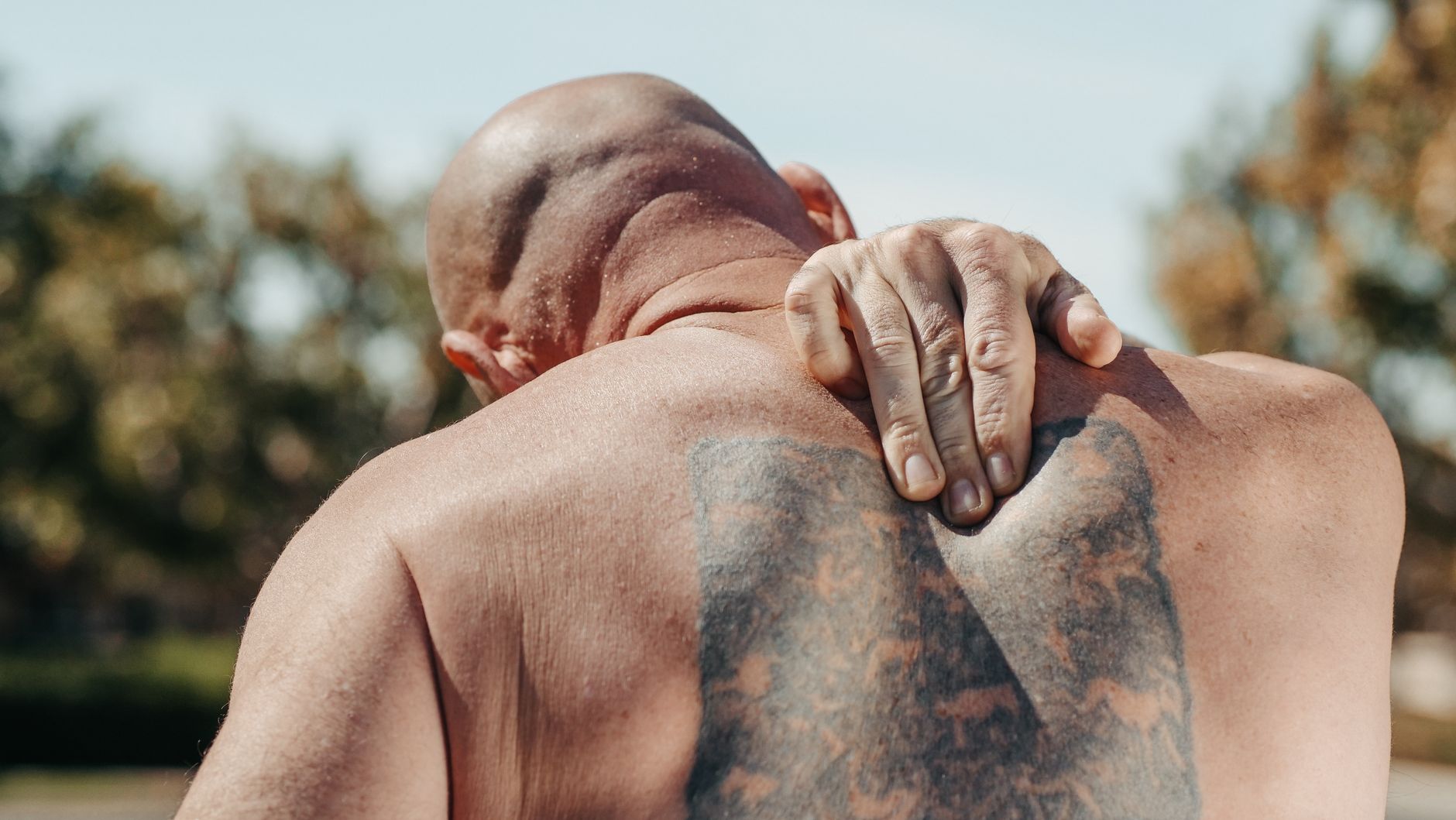
Muscle soreness often peaks on day 2 after a workout. This delayed soreness doesn’t mean anything went wrong; it reflects the inflammatory response that’s part of the repair and adaptation process. However, several evidence-based strategies can manage soreness without eliminating necessary inflammation. Light movement on the day after a workout—an easy walk, gentle stretching, or pool walking if you have access—can reduce stiffness more effectively than complete rest. A 65-year-old who feels sore the morning after resistance training benefits more from a 15-minute walk than from staying in bed. Heat and cold have different applications during the 24-hour recovery period.
Heat (warm showers, heating pads, warm water immersion) can reduce stiffness and promote blood flow, making movement feel easier. Cold (ice packs, cold water immersion) reduces inflammation and can provide pain relief if specific joints are particularly irritated, though there’s limited evidence that icing improves long-term recovery. Many older adults find a warm shower 2 to 4 hours after exercise helps with soreness more than cold therapy does. Avoid extreme temperatures in either direction; comfortably warm is more effective than painfully hot. Massage or self-massage using a foam roller can provide temporary relief from soreness and stiffness, though its long-term benefit for soreness reduction is modest. A warning here: aggressive foam rolling over sore muscles can actually increase inflammation if done too intensely. Light to moderate pressure during self-massage is preferable to aggressive techniques, especially if you have osteoporosis or are taking blood thinners.
Nutrition and Hydration for Recovery Success
Adequate protein intake is the foundation of recovery, especially for maintaining muscle mass as you age. Your body requires more protein per pound of body weight after 50 than it did at 30. A reasonable target is 1.2 to 1.6 grams of protein per kilogram of body weight daily, distributed across meals. For someone who weighs 155 pounds (70 kg), this means 84 to 112 grams of protein daily. This should be spread across three to four meals; eating 30 grams of protein in a single meal is more effective for muscle building than eating 100 grams at once and 10 grams the next meal. Carbohydrates serve dual purposes in recovery: they replenish muscle glycogen (stored energy) depleted during exercise, and they trigger insulin release, which facilitates protein uptake in muscle tissue. The combination of carbohydrates and protein in a post-workout snack is more effective than either alone.
A 70-year-old who eats Greek yogurt with berries and granola recovers better than one who eats only protein powder or only fruit. Timing matters somewhat; within two hours after exercise is better than four hours later, but the total amount of protein and carbohydrates over the full day matters more than the exact timing. Hydration often gets overlooked in recovery. You continue losing water through perspiration, urination, and respiration for hours after exercise ends. Drinking approximately 16 to 24 ounces of fluid for every pound of body weight lost during exercise helps restoration. A tradeoff to consider: aggressive hydration with only water and no electrolytes can dilute blood sodium levels, especially for endurance activities over an hour. For typical workouts under an hour, water is fine; for longer activities, electrolyte-containing beverages are preferable.
Sleep, Rest Days, and Long-Term Recovery Patterns
Sleep is where most repair actually happens. Growth hormone and testosterone peak during deep sleep, and that’s when muscle repair accelerates. Most adults require 7 to 9 hours of sleep, and many older adults find they need closer to 8 to 9 hours for adequate recovery. If you’re consistently waking during the night or waking feeling unrested, your recovery suffers even if you’re doing everything else correctly. A warning: aiming for more sleep than your body naturally requires doesn’t improve recovery; 7 to 9 hours is the effective range for most people. Rest days are part of recovery strategy, not signs of laziness. Training the same muscles or energy systems on consecutive days prevents adequate repair and increases injury risk.
A practical approach is working out 4 to 5 days per week with built-in rest days, or alternating upper-body and lower-body work on consecutive days. A 72-year-old doing strength training Monday and Tuesday can train legs Monday, upper body Tuesday, and rest Wednesday. This allows both systems recovery time. The limitation: complete inactivity on rest days is worse than light activity; a short walk or gentle yoga on a rest day promotes recovery better than sitting all day. Sleep quality often declines with age due to changes in circadian rhythm, increased nighttime bathroom trips, and sometimes sleep disorders like sleep apnea. Improving sleep supports recovery more than almost any other intervention. Avoiding screens 60 minutes before bed, keeping bedroom temperature around 65 to 68 degrees Fahrenheit, and maintaining consistent sleep and wake times all improve sleep quality.

Special Considerations for Strength Training Recovery
Strength training creates greater muscle damage than gentle cardio, so recovery demands are higher. After a challenging strength session, muscle soreness typically lasts 2 to 3 days. Protein needs increase following strength training; research suggests 25 to 40 grams of protein within a few hours after a strength workout supports muscle repair. For a 160-pound person doing a full-body resistance session, consuming 30 to 35 grams of protein with carbohydrates as part of lunch or dinner within 2 to 3 hours after the workout supports recovery more than consuming only 10 grams.
Joint recovery is another consideration for strength training. If you’ve done heavy lower-body work, your knees, hips, and ankle joints also need recovery, not just the muscles. Gentle movement, adequate hydration, and anti-inflammatory foods (fatty fish, leafy greens, berries) support joint recovery. A limitation to understand: once you’ve stressed a joint with heavy loading, aggressive stretching that same day often increases stiffness rather than reducing it. Gentle stretching is preferable.
Building a Sustainable Recovery Routine
Creating a repeatable recovery routine is easier than trying different strategies each time you work out. Your routine might look like: cool down with 5 minutes of easy walking, stretch for 8 minutes focusing on muscles just worked, consume a snack with protein and carbs within 60 minutes, drink water regularly throughout the day, take a warm shower 2 to 4 hours after exercise if you’re sore, keep a consistent sleep schedule of at least 7 to 8 hours, and take one or two full rest days weekly.
As you build consistency with this routine, recovery becomes automatic rather than something requiring effort. Many people find that once they’ve followed good recovery practices for 4 to 6 weeks, their performance improves noticeably, soreness decreases, and they feel better on workout days. This positive feedback loop often sustains motivation more than any abstract understanding of why recovery matters.
Conclusion
Recovery transforms exercise from a one-time activity that leaves you sore and reluctant to repeat into a sustainable routine that progressively improves your mobility, strength, and independence. The practices are straightforward: cool down, stretch, refuel with protein and carbohydrates, hydrate, and get adequate sleep. None of these require expensive equipment or specialized knowledge; they’re accessible habits you can start with your next workout.
The investment in proper recovery pays dividends over months and years. A 70-year-old who masters recovery practices can maintain a consistent exercise routine that keeps her strong, mobile, and capable of living independently. Without recovery practices, that same person might exercise sporadically, get discouraged by persistent soreness and fatigue, and gradually become less active. The difference between sustained activity and decline often comes down to whether you treat recovery as seriously as the workout itself.
Frequently Asked Questions
How much soreness after a workout is normal?
Mild to moderate soreness that doesn’t restrict movement is normal, especially after a new or more intense workout. You should feel it when you press on the muscle, but you shouldn’t have difficulty performing everyday activities like climbing stairs or getting out of a chair. Severe soreness that limits movement suggests the intensity was too high or recovery was inadequate.
Can I exercise on sore muscles?
Light activity on sore muscles is beneficial and reduces stiffness. However, exercising the same muscles intensely on consecutive days before soreness resolves can prevent adequate repair. A practical approach is doing a light walk or gentle stretching on a day after a hard workout, then doing a different exercise or resting completely.
Is foam rolling effective for recovery?
Foam rolling can reduce stiffness and provide temporary comfort, but its long-term effect on soreness reduction is modest. Light to moderate pressure is more helpful than aggressive rolling, especially for older adults. Think of it as a comfort tool rather than a necessity.
How soon after exercise should I eat?
Eating within 2 hours after exercise is helpful, with 30 to 60 minutes being ideal. However, if you can’t eat within an hour, don’t worry; total daily nutrition matters more than exact timing. Eating a snack or meal within 2 to 3 hours still supports recovery effectively.
Does ice help with muscle soreness?
Ice reduces inflammation and can provide pain relief for specific areas, but studies show it doesn’t significantly reduce delayed onset muscle soreness. Heat often works better for stiffness and general soreness. Choose based on what feels better to you; comfort is the practical measure.
How many rest days do I need?
Most people exercising 4 to 5 days per week need 1 to 2 full rest days weekly, with light activity permissible. Alternating muscle groups on consecutive days (upper body, then lower body) allows recovery while maintaining activity frequency. Completely inactive rest days are acceptable but less beneficial than light movement.