Informational Only · Not Medical, Legal or Financial Advice · Talk With Your Doctor · Editorial Policy

Smart Home Tech for Aging in Place

Smart home voice assistant device on a tabletop

Smart home tech for seniors has to pass a simple test: it works for two years without needing IT support from a grandchild. Most consumer smart home gear fails that test. App updates break things. Two-factor authentication locks users out. Voice assistants get firmware updates that change the wake word behavior. This article focuses on … Read more
Mobility Aids for Seniors

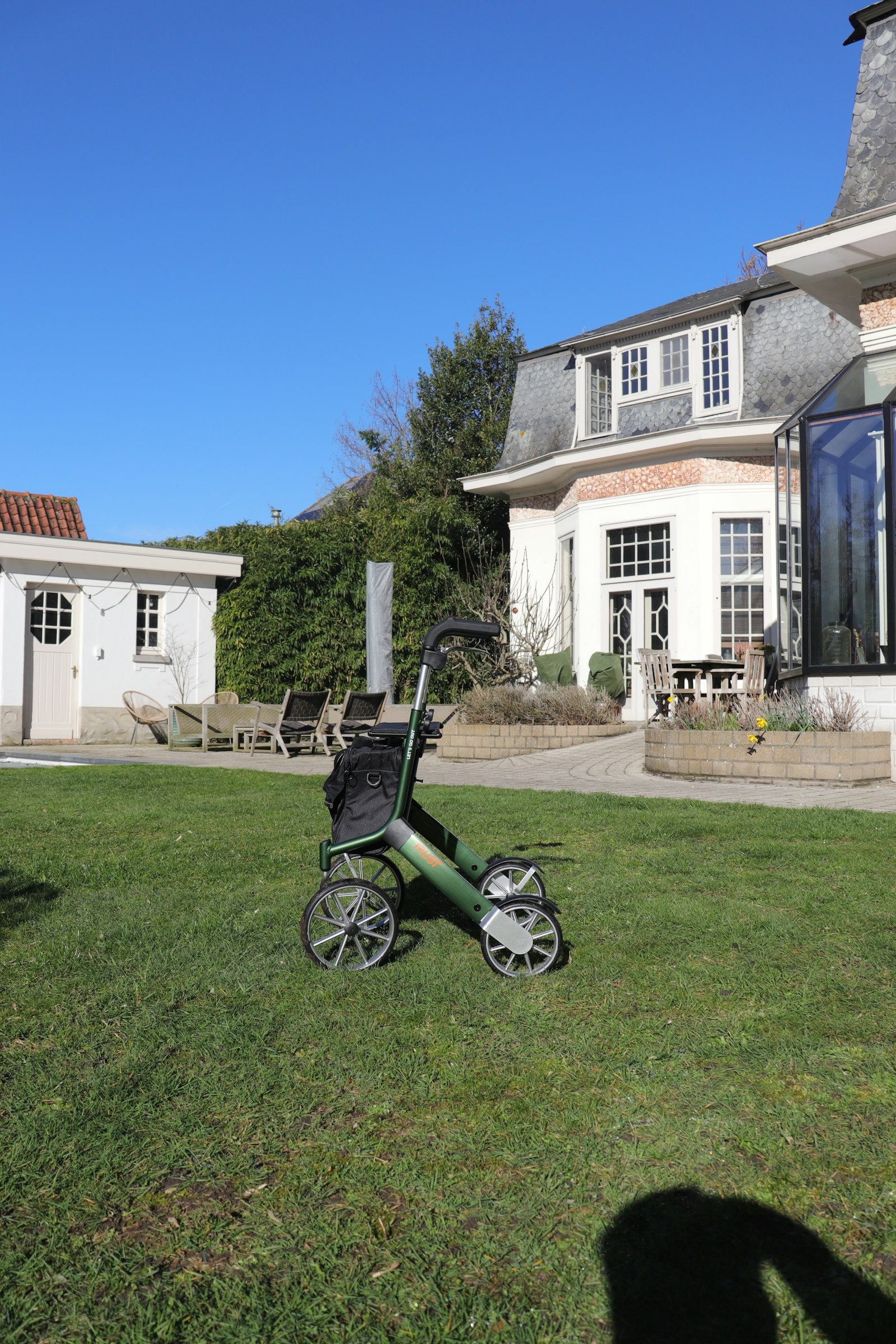
Senior using a walker outdoors on a sunny path

The wrong mobility aid is sometimes worse than no aid at all. A cane that is two inches too tall, a walker held too far in front of the body, a rollator used like a wheelchair without the brakes set — each is documented to increase fall risk rather than reduce it. This article covers … Read more

Stair Railings for Aging in Place

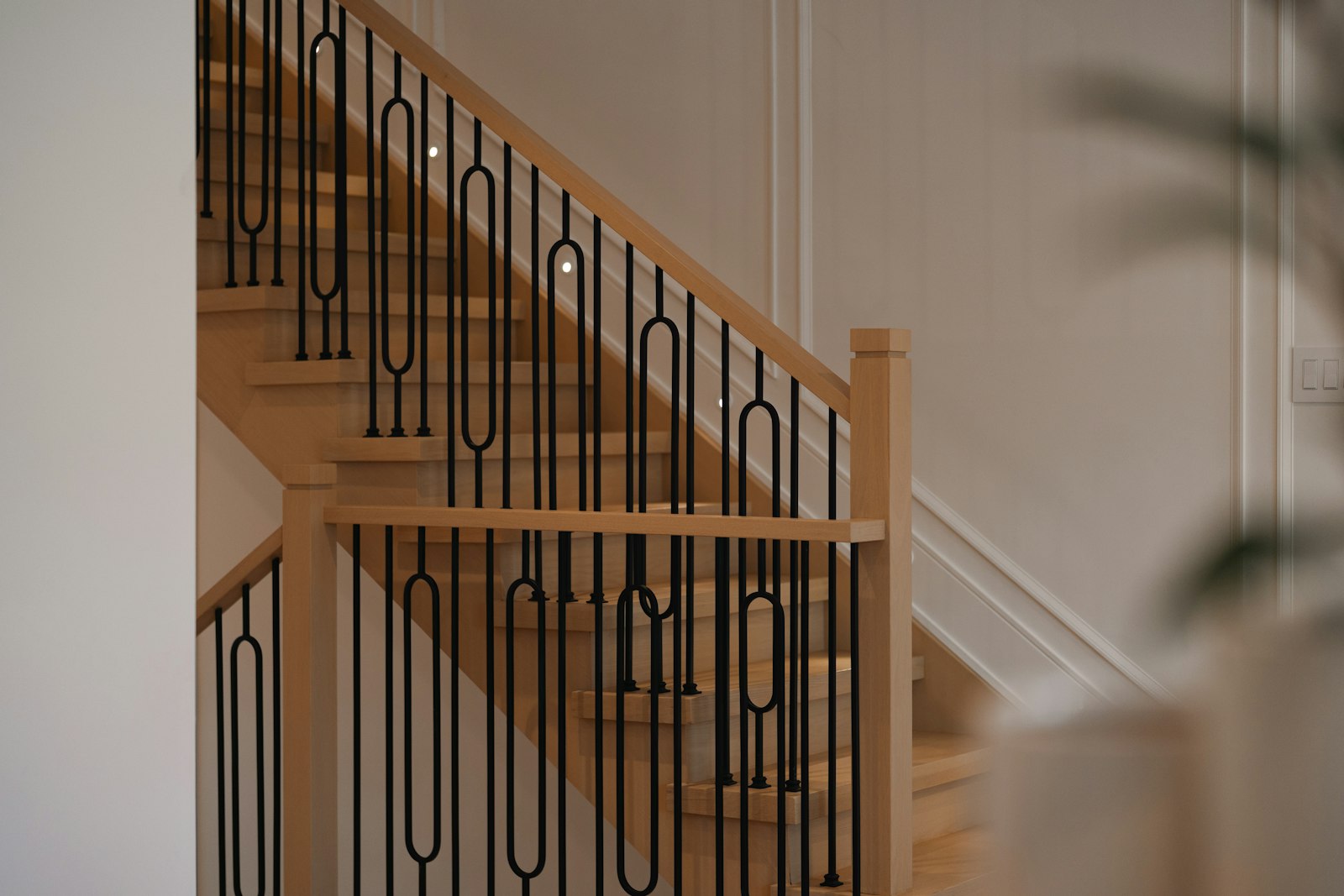
Wooden stair railing inside a residential home interior

If your stairs have one handrail and you are over 65, you are using a half-functional system designed for a younger person. A second handrail on the opposite wall is the single highest-impact safety upgrade in most multi-story homes. It costs $200 to $800 installed. It addresses the specific reason most stair falls happen — … Read more

Where to Install Grab Bars

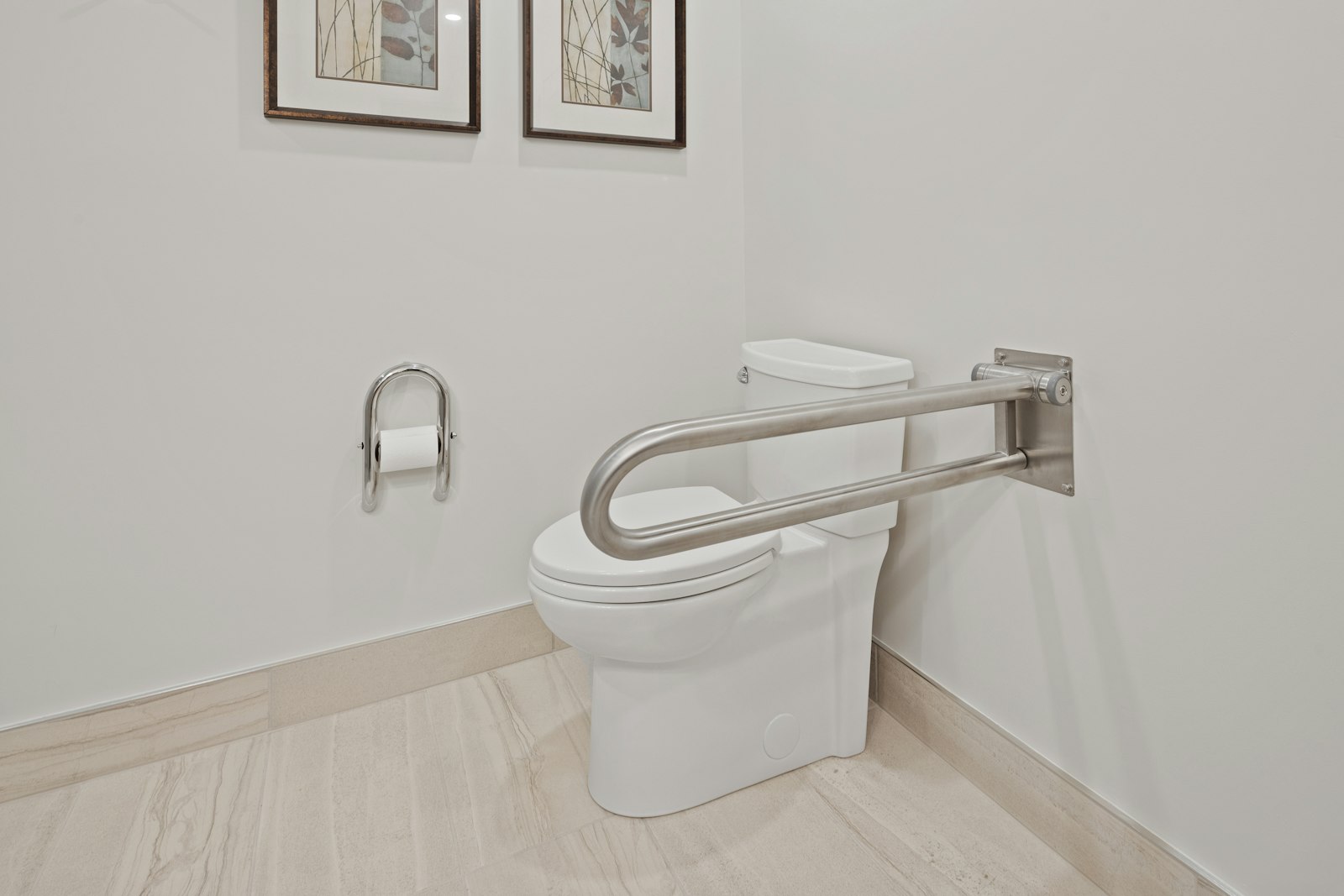
Bathroom grab bar installed near walk-in shower

Grab bars are the cheapest, highest-impact safety upgrade you can put in a home, and most people install them in the wrong places. The right placement follows ADA standards developed from decades of injury data, but the standards are not obvious to a homeowner staring at a tile wall. This article gives you the exact … Read more

Home Modifications for Aging in Place

Accessible home renovation interior for aging in place

Most homes in America were built for a 35-year-old, not a 75-year-old. Stairs to the front door, narrow doorways, tubs you step over, light switches at wall ends, kitchen cabinets that need a ladder — the house that worked for raising kids is rarely the house that will let you age in it. This article … Read more

Real-World Fitness After Retirement

Active retired couple enjoying the outdoors together

After retirement, the gym number that matters is not your bench press. It is whether you can lift a grandchild off the floor, carry a suitcase up a flight of stairs, and walk eight miles through an unfamiliar city without your hips locking up. This article reframes fitness around the demands retirement actually imposes and … Read more

Can Kayaking Improve Aging Endurance?

Older adult paddling a kayak on calm water

Kayaking, done consistently three times a week for 8 to 12 weeks, improves aerobic capacity by roughly 8 to 15 percent in untrained adults over 60. The combination of low impact, full-body engagement, and steady cardiovascular load makes paddling one of the few endurance sports that scales well with aging joints. This article covers the … Read more

Why Hiking Ability Matters More Than Gym Strength

Senior hikers resting in front of mountain scenery

The single best longevity test for an aging body is a loaded uphill walk, not a gym lift. Hiking exposes whether your strength, cardio, balance, and joint resilience actually work together under the conditions real life demands. This article gives you age-specific hiking benchmarks, explains why gym numbers often fail to predict trail performance, and … Read more

How Many Stairs Should a 70-Year-Old Be Able to Climb?

Older adult climbing a staircase outdoors

A healthy 70-year-old should be able to climb four flights of stairs (about 60 steps) in under one minute without stopping. That benchmark comes from a 2018 European Heart Journal study and predicts substantially lower 10-year mortality than failing it. This article gives you the exact numbers behind that benchmark, what your performance means, and … Read more

Early Signs of Cognitive Decline

Older woman concentrating while looking at a calendar

The hardest part of recognizing early cognitive decline is that it looks like ordinary forgetfulness on most days and like something else entirely on a few. This article maps the difference between normal aging, mild cognitive impairment, and dementia — with specific markers to watch for, the reversible causes that mimic dementia, the screening tests … Read more

We use cookies to run this site, measure how it’s used, and show ads. Choose “Essentials only” to limit cookies to what the site needs to work. Privacy Policy.