
The Cognitive Warning Signs Independent Seniors Watch For

The cognitive warning signs independent seniors need to watch for are changes in memory, difficulty managing finances and medication, getting lost in...
The cognitive warning signs independent seniors need to watch for are changes in memory, difficulty managing finances and medication, getting lost in...
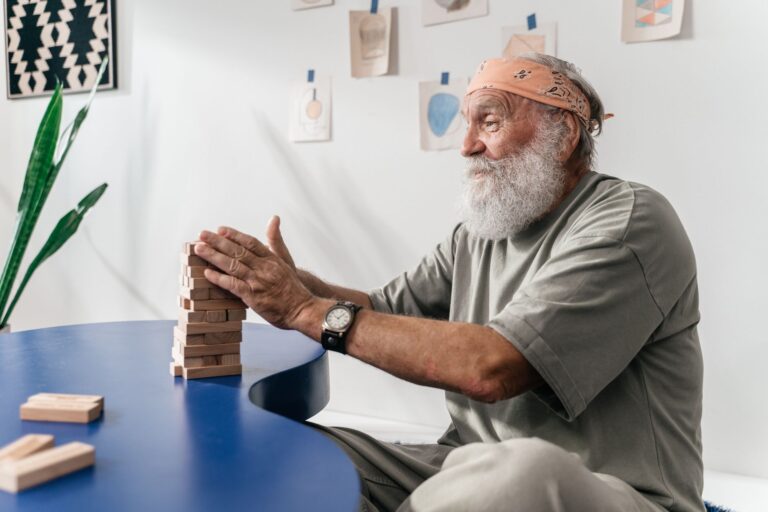
Mental engagement is one of the most underestimated factors in enabling seniors to remain in their own homes.

Hydration is one of the most underestimated factors in maintaining independence as you age, yet it directly influences whether a senior can continue...
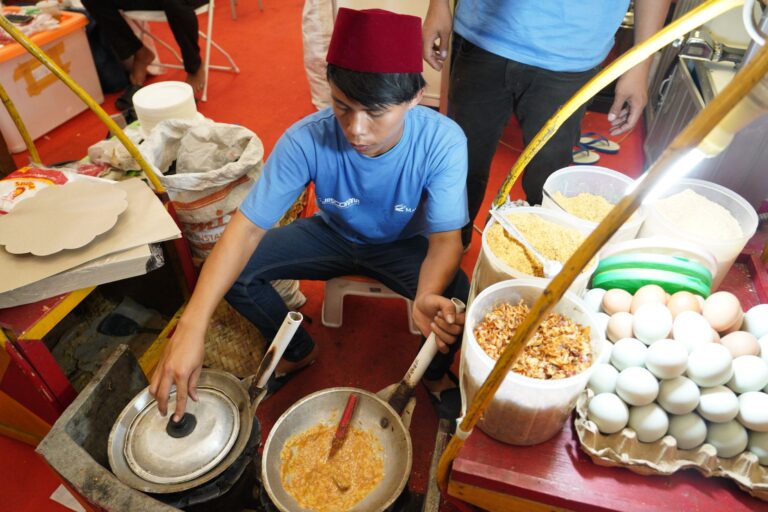
At 95 years old, Raymond has lived alone for eight years in the same two-bedroom home in Portland, Oregon, where he taught himself to cook during his...

The grocery list of seniors who stay independent looks dramatically different from the standard shopping cart—not because they're eating differently, but...
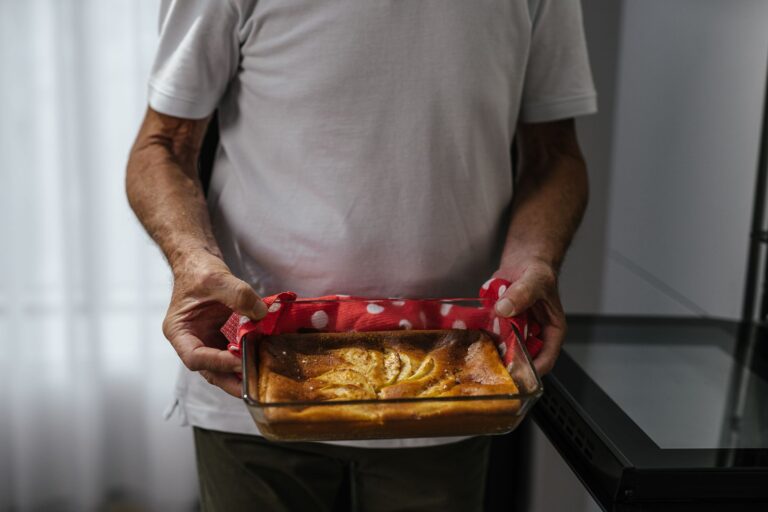
Home cooking keeps seniors sharp and independent primarily by engaging multiple cognitive and physical systems simultaneously—memory, planning,...

Most older adults need significantly more protein than the outdated standard recommendation of 0.8 grams per kilogram of body weight—they need between 1.
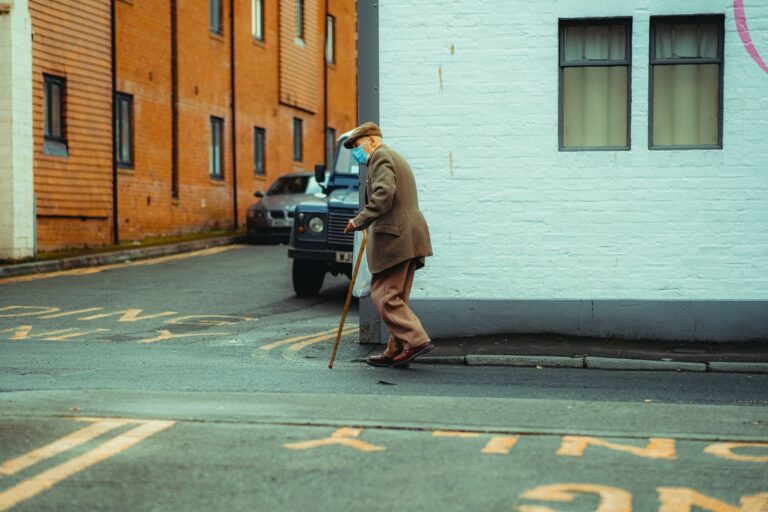
Daily walks are one of the most direct paths seniors have to maintaining the independence to carry their own groceries.

Chair squats keep seniors out of walkers by rebuilding the exact leg strength and balance that everyday movements demand.

Strength training is one of the most direct physical interventions that helps seniors maintain the ability to live independently.