
Aging in place means staying in your own home as you grow older, rather than moving to an assisted living facility or nursing home. The key to successfully aging in place is making strategic modifications to your physical environment, establishing support systems, and planning ahead for changing mobility and health needs. For example, a 72-year-old with early arthritis might install grab bars in the bathroom, arrange for weekly grocery delivery, and identify a trusted neighbor who can check in regularly—all steps that allow them to maintain independence in the home they’ve lived in for decades. The vast majority of older adults express a strong preference to age in place.
Research shows that between 76 and 88 percent of adults over 50 want to remain in their current homes as they age, yet fewer than 10 percent of U.S. homes are actually equipped to support aging safely. This gap between preference and reality creates real challenges, but it’s manageable with the right combination of planning, home modifications, technology, and community support. Aging in place successfully requires addressing four interconnected areas: physical safety and accessibility, healthcare coordination, social connection, and financial sustainability. When these elements work together, older adults maintain their dignity, independence, and quality of life while avoiding the isolation and loss of control that often accompanies moves to institutional settings.
Table of Contents
- What Home Modifications Support Aging in Place?
- How Does Healthcare Coordination Change When Aging in Place?
- How Does Technology Support Independent Living at Home?
- How Should Finances Be Planned to Support Long-Term Aging in Place?
- What Are Common Barriers to Successful Aging in Place?
- How Should Families Plan for Cognitive Changes?
- What Role Do Community and Professional Support Play?
- Conclusion
- Frequently Asked Questions
What Home Modifications Support Aging in Place?
The most impactful modifications address fall prevention, mobility support, and bathroom safety. Grab bars installed at the correct height (grab bars for toilets should be 33-36 inches from the floor) reduce falls significantly more than aesthetic railings. Widening doorways to 36 inches, removing throw rugs, improving lighting, and installing a walk-in shower with a low threshold or no threshold at all create major accessibility gains. These modifications vary tremendously in cost—grab bars run $30-$100 per unit, while a full bathroom renovation with accessible fixtures can cost $15,000 to $30,000. A 68-year-old woman with a walker found that her hallway was too narrow for safe passage, forcing her to shuffle sideways. Removing two non-structural interior walls cost $5,000 but created safe passage and allowed her to remain independent for another eight years.
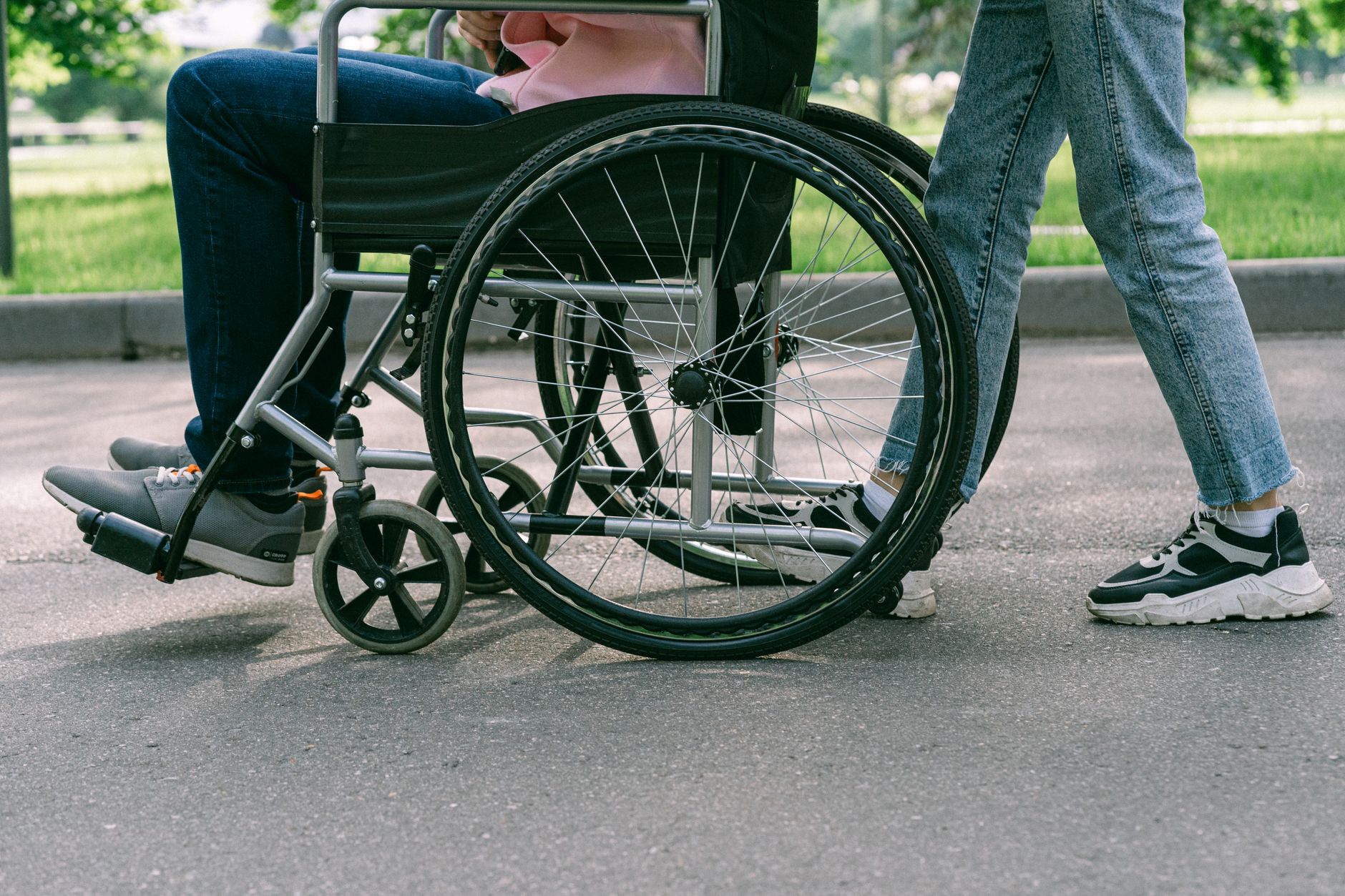
In contrast, removing a bathtub and installing a walk-in shower in an existing bathroom typically costs $8,000-$15,000 and is often the single most important modification for preventing falls. Priority modifications should focus on bathrooms first, then bedrooms, hallways, and stairs. One limitation of home modifications is that they must be tailored to the individual. A ramp safe for someone using a cane may not work for someone using a wheelchair. Grab bar placement depends on the user’s height and mobility pattern. Many older adults resist modifications because they signal decline or feel institutional. Starting with subtle, attractive options—brushed nickel grab bars that look like towel bars, for instance—can help people accept safety upgrades psychologically.

How Does Healthcare Coordination Change When Aging in Place?
Aging in place requires a shift from occasional doctor visits to ongoing, proactive health management. This means establishing relationships with multiple providers—a primary care physician, specialists, a pharmacist, and possibly a care coordinator—who communicate with each other about your medications, conditions, and care plan. without this coordination, older adults often end up on duplicate medications or take pills that interact dangerously, a problem affecting roughly one-third of adults over 65. A practical example: Margaret, 74, takes medications for high blood pressure, diabetes, and arthritis prescribed by three different specialists. A pharmacist review discovered that one arthritis medication interacted badly with her blood pressure drug, potentially causing kidney damage. This kind of medication interaction is invisible to individual doctors but catches many older adults by surprise.
Regular medication reviews—ideally annual but at minimum every time a new drug is added—prevent these problems. Many insurance plans cover pharmacist consultations free or at low cost; requesting one is a simple step with outsized safety value. One significant limitation is that aging in place often means managing chronic conditions without immediate medical supervision. If you live alone, a fall, stroke, or heart attack may go unnoticed for hours. Medical alert systems ($20-$60 monthly) and regular check-in calls from family or a care coordinator are important safeguards but add ongoing costs. Some people resist check-ins, viewing them as loss of privacy, so the emotional and practical tradeoffs need honest discussion within families early on.
How Does Technology Support Independent Living at Home?
Assistive technology ranges from simple aids like pill organizers ($5) to sophisticated systems costing thousands. The most immediately useful technologies include medication reminders, fall detection devices, video doorbells, smart home systems that control lights and temperature, and devices that monitor activity patterns (like motion sensors that detect changes in bathroom use frequency, which sometimes indicate health decline). A 76-year-old man with Parkinson’s disease installed a smart home system for $2,000 that allows him to control lights, doors, and thermostat by voice command. This eliminated the need for him to get up multiple times daily to adjust these things, reducing fall risk while preserving his ability to manage his environment. Smart speakers with emergency calling ($50-$200) can summon help without requiring him to reach a phone.
medical alert watches that detect falls automatically ($40-$80 monthly) are more reliable than pendant alarms because they don’t require the user to press a button. A major limitation of technology is that it requires adoption and continued engagement. Older adults who feel uncomfortable with devices often don’t use them, defeating their purpose. Additionally, technology fails—WiFi drops, batteries die, devices malfunction—and there’s no substitute for human check-ins. A study comparing fall detection wearables to simple daily phone calls found that the calls were actually more effective at prompting early intervention, likely because they preserved human judgment about when something was truly wrong. Technology is a supplement to human connection, not a replacement.
How Should Finances Be Planned to Support Long-Term Aging in Place?
Aging in place costs vary dramatically but should be planned for explicitly. Home modifications typically cost $2,000-$15,000 upfront. Home care assistance (2-4 hours weekly) runs $20-$30 per hour, or $1,000-$6,000 monthly depending on frequency and location. Long-term care insurance, purchased before age 60, might cost $200-$600 monthly but can cover years of care costs; waiting until later makes it prohibitively expensive or unavailable. Medicare covers some skilled nursing care but only after hospitalization and only for 100 days, leaving gaps that people must self-fund. A practical comparison: Robert, 70, bought long-term care insurance at age 58 for $400 monthly.
At 82, he needed full-time in-home care costing $8,000 monthly; his insurance covered $5,000 of it, leaving $3,000 from his savings. His neighbor James, also 82, didn’t buy insurance and now pays the full $8,000 monthly from retirement savings, which will deplete his resources within 5-7 years if care needs persist. James’s outcome forces difficult choices: reducing care hours, moving in with adult children, or eventually entering a facility despite his clear preference to age in place. A significant limitation is that financial planning requires honest conversations about decline, disability, and death—topics many families avoid. Additionally, healthcare costs are unpredictable; cognitive decline, cancer treatment, or years of dementia care can exceed even generous financial reserves. Medicaid can eventually cover care costs but only after personal resources are largely exhausted, and Medicaid services vary by state. Families should establish a financial advisor relationship, review insurance options annually, and discuss values about acceptable levels of care cost before crisis forces decisions.
What Are Common Barriers to Successful Aging in Place?
Social isolation is the most underestimated barrier. Older adults who age in place alone often become disconnected from community, family, and regular human interaction. This isn’t merely an emotional problem—isolation increases mortality risk comparable to smoking or obesity and accelerates cognitive decline. Someone living alone must proactively build in regular contact, whether through family visits, senior centers, volunteer roles, or purposeful friendships. A 79-year-old widow found that attending a weekly book club at the library and volunteering at a food bank transformed her experience of aging in place from lonely to connected. A second barrier is that decline is unpredictable, forcing constant adaptation. Someone aging in place successfully at 75 may have a stroke at 78, suddenly requiring a wheelchair or losing the ability to cook safely. Their home modifications become inadequate; their support systems need rebuilding.
This unpredictability means aging in place is not a set-and-forget plan but an ongoing process of assessment and adjustment. Many people find this emotionally exhausting—the uncertainty itself becomes a burden. A major warning: aging in place can enable enabling. Family members who see someone struggling sometimes move into caregiving roles without clear agreements about who’s responsible for what, when help will transition to professional care, or how costs will be managed. This often creates resentment, boundary violations, and family conflict. A 65-year-old daughter moved into her 88-year-old mother’s home “to help out” but gradually became a full-time caregiver with no pay, no breaks, and no clear exit plan. The mother felt indebted and guilty; the daughter felt trapped. Without explicit agreements established before crisis, even well-intentioned families can end up in destructive arrangements.

How Should Families Plan for Cognitive Changes?
Cognitive decline—whether mild forgetfulness or full dementia—complicates aging in place significantly. Early planning means establishing legal documents (power of attorney, healthcare proxy, living will) while someone is still fully capable, and identifying who will make decisions when they’re not. Many families delay these conversations because they feel taboo, then face urgent decisions in a crisis without guidance.
A 72-year-old man diagnosed with mild cognitive impairment worked with his adult son to establish a durable power of attorney, set up automatic bill payment, and create a medication management system. Two years later, when his cognitive decline accelerated, the financial and medical decisions could proceed smoothly without him needing to re-establish capacity. In contrast, a woman whose mother developed dementia without these arrangements faced months of legal proceedings to gain authority to access her mother’s bank account, sell her home, and arrange care—all while the mother’s condition deteriorated and care became more urgent and costly.
What Role Do Community and Professional Support Play?
Aging in place doesn’t mean aging alone. It means aging in your own home with whatever combination of family, friends, professional caregivers, and community support you can arrange. A strong support network might include an adult child who visits weekly, a professional caregiver who comes three days weekly, a neighbor who checks in daily, a senior center program three mornings a week, and a church community that includes regular meals and social contact. This distributed network provides both practical help and emotional connection.
Professional home care workers are increasingly essential. Hiring someone for 10-15 hours weekly ($250-$500 weekly depending on region) to handle housekeeping, grocery shopping, medication management, and personal care allows people with significant limitations to remain home instead of moving to facilities. As populations age, demand for these workers far exceeds supply in most regions, making them expensive and sometimes hard to find. Planning ahead, building relationships with reliable providers, and treating home care workers well—offering consistent hours, fair wages, and respect—has become part of successful aging in place strategy.
Conclusion
Aging in place is achievable for many older adults but requires intentional planning across physical environment, healthcare, finances, and social connection. Starting modifications and support systems years before they’re desperately needed—rather than scrambling to implement them after a fall or health crisis—makes the difference between comfortable independence and crisis-driven decline. The process should begin in the 60s, with regular reassessment through the 70s and 80s. The goal isn’t to stay in your home at all costs; it’s to maximize independence, dignity, and quality of life as you age.
For some people, that means remaining home indefinitely. For others, it means remaining home as long as possible, then transitioning to supported living when home care becomes overwhelming. Both paths are valid. What matters is making these decisions proactively, with family input and honest assessment of resources, rather than making them in crisis under pressure.
Frequently Asked Questions
What’s the difference between aging in place and “staying home”?
Aging in place is an intentional strategy involving environmental modifications, support systems, and healthcare coordination designed to enable safe independence over decades. Simply staying home without these supports often leads to decline, falls, medication errors, and eventual crisis moves to facilities.
How much does aging in place typically cost?
Costs vary widely. Initial modifications range from $2,000-$15,000. Ongoing home care support costs $1,000-$6,000 monthly depending on hours needed. Long-term care insurance is most affordable if purchased before age 60 ($200-$600 monthly). Budget conservatively; actual costs often exceed expectations.
Can someone age in place safely without family help?
Yes, but it requires hiring professional support. A combination of regular home care workers, medical alert systems, regular check-in calls or visits from friends or professionals, and active engagement in community programs can provide necessary oversight and support. Isolation is the real risk; paid caregivers can reduce but not eliminate it.
At what age should aging in place planning start?
Start in your 60s by addressing obvious safety issues, establishing healthcare relationships, reviewing finances and insurance, and having honest conversations with family about preferences and resources. Waiting until 75 or 80 means fewer modification options and less time to build support systems.
What should I do if aging in place starts to feel unsustainable?
Discuss options honestly with family and healthcare providers. Options include increasing professional home care, moving to assisted living or continuing care communities, moving in with adult children, or exploring co-housing arrangements. The key is making the decision proactively rather than waiting for crisis.
How do I convince a stubborn parent that modifications or support are needed?
Focus on specific risks you’ve observed—a recent fall, difficulty with stairs, medication mix-ups—rather than abstract fears about decline. Involve their doctor in recommending changes. Suggest trying modifications temporarily rather than permanently. Respect their autonomy while being honest about safety consequences.