
Most of what people believe about strength training is wrong. Decades of fitness mythology—passed along in gyms, perpetuated by outdated training programs, and reinforced by casual assumptions—has created a barrier that keeps many people, especially older adults, from pursuing the one form of exercise that could meaningfully preserve their independence. The truth is simpler and more encouraging: you don’t need to lift extremely heavy weights, you don’t need special genetics, and you’re rarely too old to build strength that matters in everyday life. A 68-year-old who has never lifted before can gain meaningful muscle. A woman lifting weights will not become bulky. Strength training for less than one hour per week can reduce your risk of stroke or heart attack by 40-70%. These aren’t marketing claims—they’re outcomes documented in peer-reviewed research.
The gap between what science shows and what people actually believe about strength training remains wide. A 2025 study published in Nature Scientific Reports found that awareness of scientific evidence on resistance training is remarkably low among gym-goers, despite substantial research being readily available. This matters because the myths themselves become obstacles. They discourage people from starting. They cause people to quit early. They make people distrust their own results when those results don’t match the false narrative they’ve been told. For someone focused on aging in place, maintaining mobility, and staying capable of the daily tasks that independence requires—reaching, lifting, walking, maintaining balance—these myths are more than just inconvenient. They can cost years of quality life.
Table of Contents
- Do You Need Heavy Weights to Build Muscle?
- Women and the Bulking Myth
- Aging and Muscle Loss: The Urgency of Strength Training
- The Cardiovascular Myth
- Stretching and Injury Prevention
- Strength Training Causes Stiffness
- The Research-Practice Gap
- Conclusion
Do You Need Heavy Weights to Build Muscle?
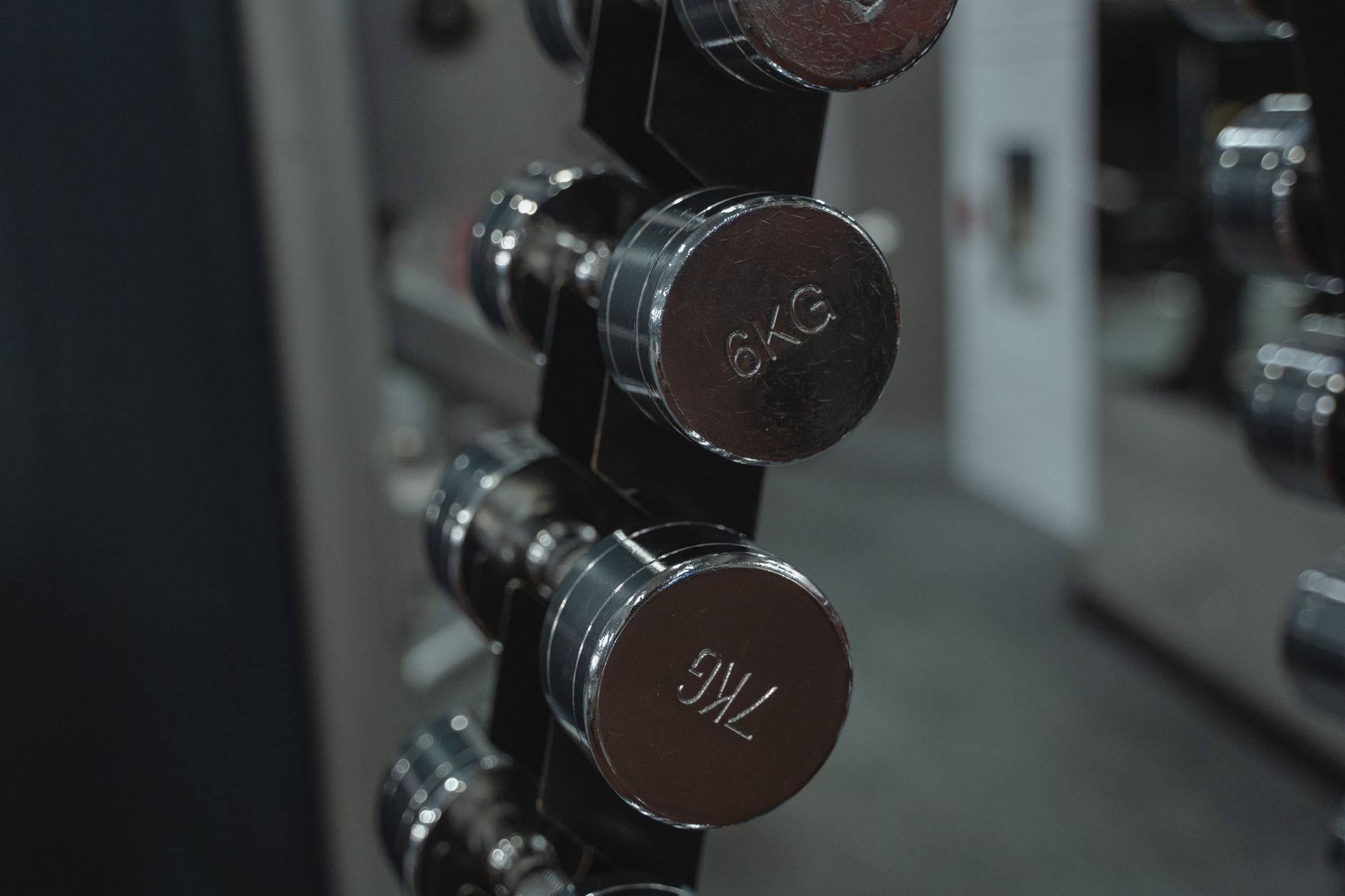
The myth that only heavy lifting builds muscle has prevented countless people from ever picking up a weight. The reality, confirmed in 2025 research from Nature Scientific Reports, is that muscle hypertrophy (growth) occurs across a range of 5 to 30 repetitions per set—provided the sets are taken close to failure, meaning you’re working hard enough that the last few repetitions are genuinely difficult. A person could lift 8 pounds and build muscle just as effectively as someone lifting 80 pounds, if both are working at appropriate intensity for their starting point. This distinction matters enormously for older adults. A 75-year-old managing arthritis in her knees doesn’t need to squat 200 pounds. She can use lighter resistance, higher repetitions, and still trigger the exact same muscle-building response in her legs.
What “taken close to failure” actually means is practical and achievable for almost any fitness level. It means the last repetition in a set is hard—not that you’re straining or at risk of injury, but that you probably couldn’t do more than one or two additional repetitions with good form. Someone doing 20 repetitions with a light dumbbell is building muscle differently than someone doing 6 repetitions with a heavy dumbbell, but if both are pushing toward that limit of effort, both are signaling their body to preserve and build muscle. The weight itself is far less important than the effort level. This is why a person recovering from an injury, using a resistance band, or working with bodyweight exercises can still gain genuine strength. The tool is secondary to the principle.
Women and the Bulking Myth
Walk into most gyms and you’ll hear a version of this fear: “I don’t want to get bulky.” The scientific explanation for why this fear is unfounded is straightforward. Men have over 60 times more testosterone than women. Testosterone is the primary hormone that drives the development of large muscles. A woman lifting weights will build muscle, will become stronger, and will see physical changes—but the biological reality makes significant bulk simply a different outcome than it is for men. However, recent research from 2026 published in Club Solutions Magazine revealed something even more interesting: when men and women of the same age perform strength training, women actually achieve similar gains in lower body strength and demonstrate greater relative increases in upper body strength. More surprisingly, this adaptive capacity showed no meaningful difference across women tested at ages 50, 70, and 80. What this means in practical terms is that the fear often operates in reverse from reality.
Women are not prevented from building muscle by biology. If anything, older women show remarkable capacity to adapt. What does happen is that women, on average, start with less muscle mass than men and develop muscle more slowly, but the gains are real, functional, and visible. A woman in her sixties who begins a strength program will look different in six months—leaner, more defined, stronger through her arms and back. She won’t look like a bodybuilder. She’ll look like someone who is capable. The real limitation isn’t biological. It’s psychological—the myths that discourage women from starting or continuing in the first place.
Aging and Muscle Loss: The Urgency of Strength Training
after age 30, muscle mass declines by approximately 3 to 5 percent every ten years, according to research from Massachusetts General Hospital. This isn’t a dramatic collapse. It’s a quiet loss that doesn’t hurt and goes unnoticed until you realize the stairs are harder, the grocery bags are heavier, and your balance isn’t quite what it used to be. By age 70, most people have lost a substantial percentage of the muscle they had at 40, and much of that loss came from simple disuse—the natural reduction in physical demands of daily life. The myth that this loss is inevitable and unchangeable is one of the most damaging in aging populations. It leads people to accept decline as natural rather than preventable.
Strength training directly reverses this trend. An 80-year-old who has never lifted before can build muscle. The process may be slightly slower than it is for a 30-year-old, but the biological capacity remains. A person starting at 72 can expect meaningful strength gains within 4 to 6 weeks of consistent resistance training—visible improvements in daily function, not just measured improvements in the gym. This is why strength training is recommended specifically for people focused on aging in place. It’s the single most effective intervention for maintaining the physical capability to live independently. The myth that “it’s too late” or “I’m too old” directly contradicts the science.

The Cardiovascular Myth
Many people view strength training and cardiovascular health as separate categories. A common belief suggests that real cardiovascular benefit comes from running, cycling, or aerobic exercise—and that strength training is supplementary. A 2018 study conducted by Iowa State University followed 12,000 adults and found that strength training for less than one hour per week reduced the risk of stroke or heart attack by 40 to 70 percent. This finding contradicts the cultural assumption that strength work doesn’t “count” for heart health. The benefit isn’t small. It’s comparable to or exceeds the cardiovascular protective effect of many medications.
Yet awareness of this fact remains low among the general population. The mechanism isn’t complex. Strength training improves metabolic health, reduces systemic inflammation, improves blood pressure regulation, and helps maintain a healthy body composition—all factors that directly reduce cardiovascular risk. Someone engaging in strength training twice per week for 20 to 30 minutes gets genuine cardiovascular protection. The myth that cardiovascular benefit requires hours of running or that strength training “doesn’t count” for heart health is directly contradicted by the data. For aging adults managing multiple health conditions, strength training offers a genuine shortcut: meaningful cardiovascular protection without the joint impact of running, without the time demand of long aerobic sessions, and with the added benefit of preserving functional strength.
Stretching and Injury Prevention
A persistent myth suggests that stretching before a workout prevents injury and should be held for extended periods. The reality is more specific: stretching a muscle for more than 90 seconds temporarily reduces its strength, according to research from the National University of Health Sciences. This matters because many people have been taught to hold stretches for 30 seconds, 60 seconds, or longer—sometimes upward of two or three minutes. That extended stretching, done before a strength training session, can actually impair your performance and reduce the strength you’re able to generate during the workout itself. The injury-prevention benefit of stretching is also less clear-cut than commonly believed.
Stretching doesn’t reliably prevent most common injuries. What does help prevent injury is proper form, appropriate progression (not jumping to too much weight or volume too quickly), and adequate recovery. A person lifting weights uses their full range of motion naturally through the exercise. They don’t need to spend time stretching before lifting. Stretching is useful for mobility and flexibility—legitimate goals—but it should be brief before a workout (if done at all) and saved for longer-duration stretching after exercise or during separate sessions. The myth that extensive pre-workout stretching prevents injuries has persisted despite evidence suggesting a different approach is more effective.
Strength Training Causes Stiffness
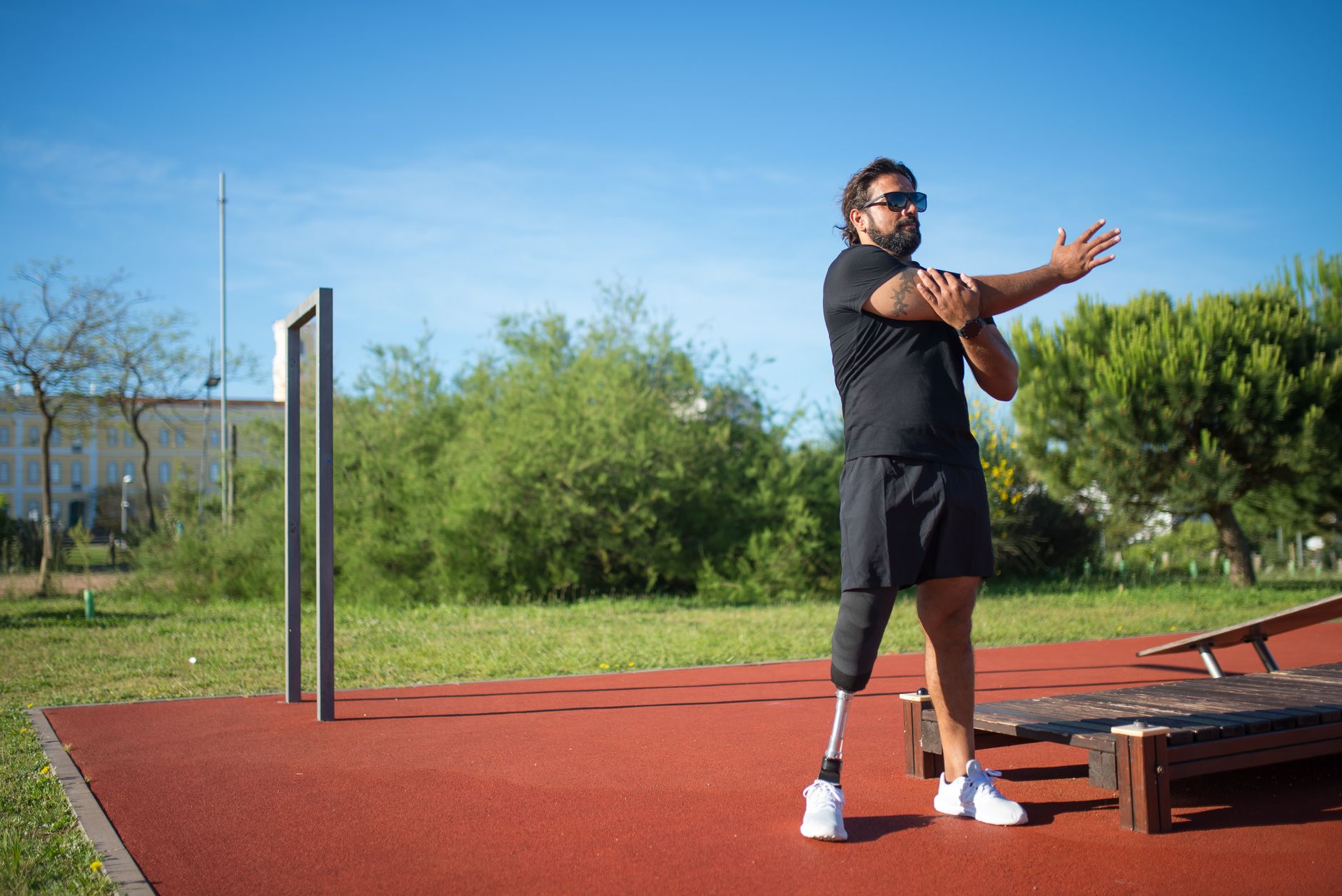
An old but persistent myth suggests that strength training makes you stiff, tight, or inflexible—that lifting weights restricts range of motion and eventually causes joint problems. This belief sometimes discourages people with existing joint concerns from pursuing strength training, when in fact strength training often improves joint health. According to the University of Rochester Medical Center, strength training does not cause muscle stiffness when exercises are performed correctly. The key phrase is “performed correctly,” meaning using a full range of motion, not bouncing or using momentum, and avoiding excessive weight that forces partial-range movements. A person doing bicep curls through a complete range of motion, from full elbow extension to full flexion, is actually maintaining and improving flexibility through that range.
The opposite problem—stiffness from disuse—is far more common. Someone who avoids strength training due to this myth may become progressively stiffer as they age, losing the range of motion they currently have. An older adult with limited shoulder mobility often has that limitation because the shoulder muscles haven’t been used through their full range. Appropriate strength training, done with controlled movement and adequate range of motion, restores and maintains flexibility. The myth has the effect exactly backward.
The Research-Practice Gap
Despite the substantial body of research available on strength training effectiveness, mechanisms, and best practices, the gap between what science shows and what people actually know remains striking. A 2025 study in Nature Scientific Reports documented this research-practice gap explicitly: awareness of scientific evidence on resistance training is low among gym-goers. This creates an environment where myths persist not because the evidence doesn’t exist, but because the evidence hasn’t reached the people who need it. Someone joins a gym and receives training advice from a trainer whose education reflects fitness industry conventions rather than current research. A person reads an article about strength training and the article repeats decade-old claims without citing recent studies.
This gap exists partly because fitness culture moves slowly, partly because the internet makes it easy to amplify old myths alongside new information, and partly because applying research to individual programs requires nuance. A trainer telling someone that muscle grows only with heavy weight is dispensing myth. A trainer telling someone that muscle grows across a range of rep ranges but adaptation specificity matters is dispensing science—but requires a more complex conversation. As research on strength training advances, and as the evidence specifically relevant to aging adults and independence becomes more robust, closing this gap becomes more important. For someone making decisions about their health and longevity, the difference between following myths and following evidence can be measured in years of functional independence.
Conclusion
The myths surrounding strength training—that you need heavy weights, that you’re too old, that women will bulk up, that it harms your joints—have prevented millions of people from accessing what is arguably the most effective tool for maintaining independence and capability as you age. The evidence contradicts these myths consistently. Muscle loss with age is not inevitable; it’s preventable and reversible with appropriate strength training. The cardiovascular benefits are substantial. Gender differences in muscle growth, while real, don’t prevent women from getting strong. Age itself is not a barrier—people in their 70s and 80s build muscle and gain strength when they train. The practical next step is straightforward: if you’ve been avoiding strength training due to myths, begin with basic movements using light resistance and adequate range of motion.
Consistency matters more than intensity. Two to three sessions per week is sufficient. A qualified trainer or physical therapist can help ensure you’re using safe form. The goal isn’t becoming a bodybuilder or looking a specific way. The goal is preserving the physical capability to live independently, to reach and lift and move, to maintain balance and strength through the changes that age brings. That goal is achievable. The science supports it. The myths are in the way.