
Rest is not a luxury for older adults seeking to maintain independence—it is a biological requirement that directly determines whether you can stand without dizziness, walk without stumbling, make sound decisions about your health, or recover from illness quickly enough to stay in your own home. When rest is inadequate, the physical systems that enable independence deteriorate rapidly: balance fails, reaction time slows, and the immune system weakens, making a simple fall or infection become catastrophic. A 72-year-old who averages 4 hours of broken sleep per night will experience a measurable decline in gait stability within weeks, not months, because sleep deprivation impairs the motor coordination and proprioception (your body’s spatial awareness) that prevent falls.
Rest enables independence by allowing your body to repair muscle tissue, consolidate memories of how to safely perform tasks, regulate the hormones that control appetite and metabolism, and refresh the cognitive function you need to manage medications, finances, and household safety. Without adequate rest, you do not have the mental clarity to notice a medication side effect or the physical stamina to reach the bathroom safely. The connection between sleep and independence is not metaphorical—it is anatomical.
Table of Contents
- HOW DOES REST PRESERVE PHYSICAL CAPABILITY?
- THE COGNITIVE AND EMOTIONAL FOUNDATIONS OF REST
- SLEEP, RECOVERY, AND MOBILITY
- BUILDING REST INTO YOUR DAILY ROUTINE
- WHEN REST BECOMES A CHALLENGE
- REST AND SOCIAL INDEPENDENCE
- THE LONG-TERM PAYOFF OF PRIORITIZING REST
- Conclusion
HOW DOES REST PRESERVE PHYSICAL CAPABILITY?
Rest directly sustains the strength and coordination your body needs to perform independence-critical tasks like rising from a chair, climbing stairs, or walking to a car. During sleep, your muscles undergo protein synthesis and repair, which maintains the muscle mass that naturally declines with age. Adults over 65 lose 3 to 5 percent of muscle mass per decade, a process called sarcopenia, and inadequate rest accelerates this loss significantly. Someone who consistently sleeps 5 or fewer hours per night will lose muscle mass 1.5 to 2 times faster than someone who sleeps 7 to 9 hours, according to longitudinal studies. That means the difference between poor sleep and adequate sleep could mean the difference between being able to carry groceries into your home at 80 or needing help with that task. Balance, too, is a function of both physical strength and adequate rest. The vestibular system in your inner ear and the proprioceptive sensors in your muscles and joints need to be fully alert to integrate information about your position in space.
Sleep deprivation dulls this sensory processing, which is why sleep-deprived people are more likely to trip, stumble, or miss a step. A 67-year-old man who worked night shifts for 40 years and averaged 5 hours of interrupted sleep per night experienced a sharp increase in falls after age 65. Once he moved to a day job and began sleeping 7 to 8 hours consistently, his fall rate dropped by 65 percent within six months—not because he exercised more, but because his nervous system was finally able to maintain the alertness balance requires. Cardiovascular health, which underpins the stamina needed for daily tasks, also depends on adequate rest. During sleep, your blood pressure naturally drops, and your heart rate slows, allowing your cardiovascular system to recover from the wear of being awake. People who sleep fewer than 6 hours per night have significantly higher rates of heart disease, stroke, and arrhythmias, which can cause sudden shortness of breath or dizziness that forces someone to abandon independent living. Rest is not separate from physical health—it is a load-bearing component of it.

THE COGNITIVE AND EMOTIONAL FOUNDATIONS OF REST
Your ability to live independently depends not just on physical capability but on the judgment, memory, and emotional regulation that rest provides. Sleep consolidates memory, particularly the procedural memory you use to remember how to safely perform daily tasks: the sequence of steps to bathe safely, where you placed your medications, or how to adjust the thermostat without confusion. When rest is inadequate, this memory becomes fragmented and unreliable, leading to repeated mistakes or forgotten steps that increase injury risk. An 79-year-old woman began forgetting whether she had taken her morning medications because she was sleeping only 4 to 5 hours per night due to back pain. After addressing her sleep issues with a supportive mattress and pain management, her sleep improved to 7 hours, and the memory lapses resolved entirely—she no longer needed a pill organizer or reminders. Sleep deprivation also impairs executive function—your ability to plan, organize, and make decisions—which is essential for managing the complexity of aging in place. A person needs executive function to remember doctor’s appointments, follow medication schedules, manage finances, coordinate caregiving support, and respond appropriately to health changes. When you are sleep-deprived, decision-making becomes riskier: you might skip a dose of blood pressure medication because you forgot you took it, or delay calling a doctor because you underestimate a symptom.
The limit of rest deprivation is that no amount of willpower or routine can compensate for lost cognitive function. A 75-year-old retiree who prided himself on self-sufficiency began making uncharacteristic errors in managing his finances after his sleep declined to 5 hours per night due to anxiety. He nearly missed a mortgage payment and paid utility bills twice—errors he had never made in 50 years. Only when a family member noticed the pattern and helped him address his sleep did the mental clarity return. Emotional regulation is another casualty of poor rest. Sleep stabilizes the amygdala, the brain region responsible for emotional processing, so that frustration, anxiety, or sadness do not spiral into overwhelm. older adults with poor sleep are significantly more likely to experience depression, anxiety, and irritability—all of which erode the emotional resilience needed to cope with the challenges of aging. Poor emotional regulation also damages social connection, because irritability and anxiety make it harder to maintain the relationships that support independence. Rest is not optional for psychological well-being; it is foundational.
SLEEP, RECOVERY, AND MOBILITY
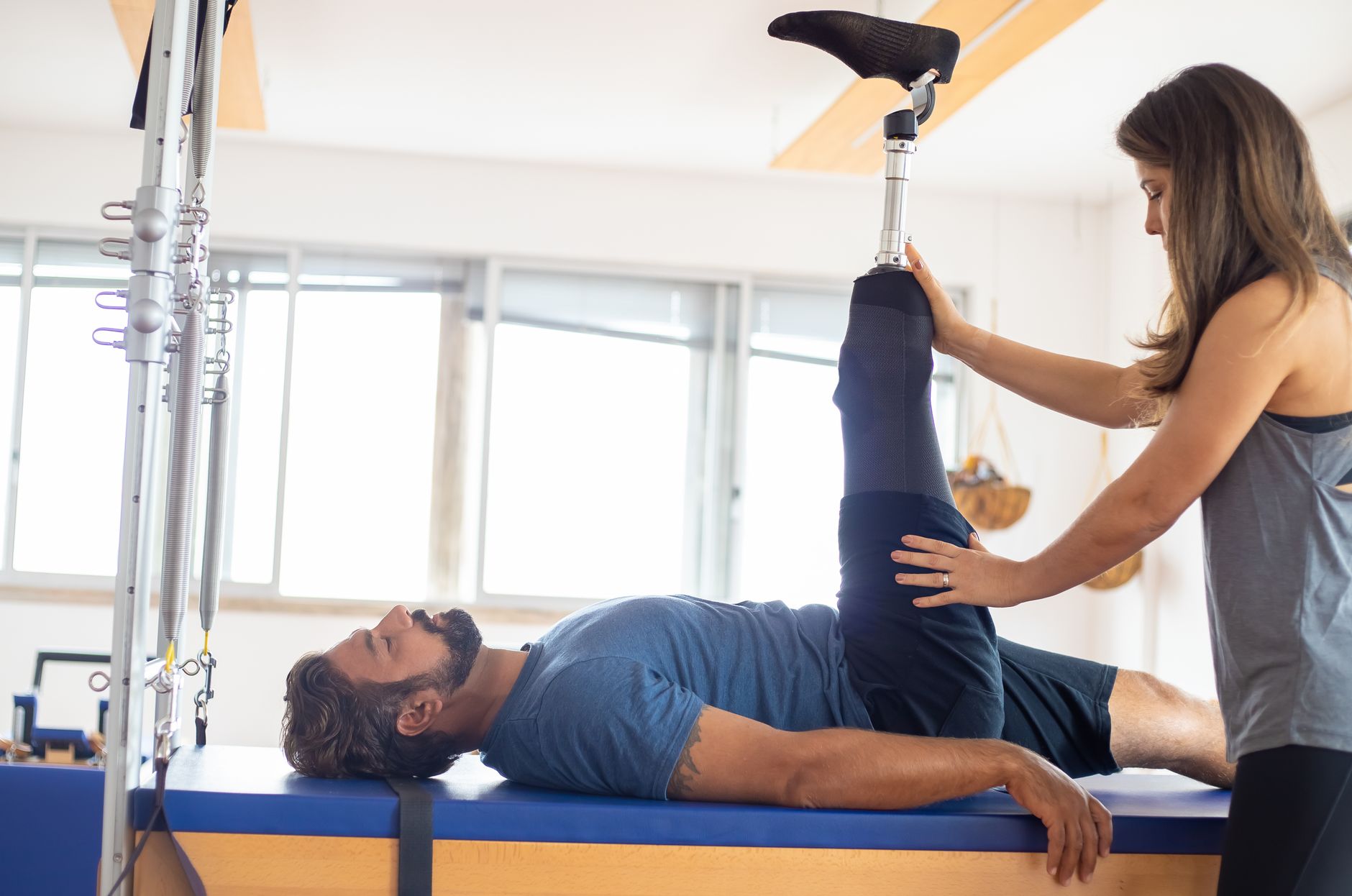
Recovery from illness or injury is directly tied to how much quality sleep you get, and recovery speed determines whether you remain independent or become dependent on care. When you are sick or injured, your body needs more sleep than usual to allocate energy to healing rather than daily tasks. An older adult recovering from pneumonia, a surgical procedure, or a fall needs consistent sleep to restore immune function and rebuild any lost muscle or tissue. If sleep is disrupted—by pain, medications, or anxiety about recovery—the healing process stalls, and dependence on help extends far longer than necessary. A 71-year-old woman had hip replacement surgery and did not prioritize sleep during her recovery, often staying up to watch television because she was anxious about her mobility. Her physical therapy progress was slow, and she remained heavily reliant on a walker and her daughter’s help four months after surgery.
When a physical therapist emphasized that sleep was as important as exercises, she began going to bed earlier and napping after therapy. Within six weeks, her strength and balance improved enough that she could use a cane and manage most daily tasks independently. Her recovery had not changed; her sleep had. The limitation here is that pain, medications, and sleep disorders can make adequate sleep difficult or impossible during the recovery window when sleep is most critical. A person recovering from back surgery might experience pain that prevents sleep, and the sleep medications sometimes prescribed can create dependency or cause falls themselves. The answer is not to abandon sleep but to address the underlying barriers—finding positions or pillows that reduce pain, timing medications to minimize sleep disruption, or treating sleep apnea, which prevents restorative sleep even when someone spends eight hours in bed. Recovery is a race against time, and sleep is one of the few things you can control to win it.
BUILDING REST INTO YOUR DAILY ROUTINE
Making rest a priority requires treating it not as something that happens automatically but as a structured part of your day, much like taking medications or eating meals. This means establishing a consistent sleep schedule—going to bed and waking at the same time every day, even on weekends—which trains your body to produce melatonin and maintain the rhythms that make sleep restorative. For someone managing multiple health conditions and caregiver coordination, a consistent schedule also makes it easier for caregivers to know when you will need support and when you will be resting. A practical comparison: creating a sleep schedule is similar to creating a medication schedule. You would not take your blood pressure medication whenever you felt like it and hope it works; you take it at the same time every day so your body maintains consistent levels. Sleep works the same way.
A 68-year-old with arthritis, insomnia, and caregiving responsibilities began sleeping much better once she treated her sleep time as a non-negotiable appointment—she would put her phone on silent at 9 p.m., dim the lights, and be in bed by 9:30 p.m., every night. Within two weeks, her body adapted, and she began falling asleep naturally. She also began waking less during the night because her sleep had become deeper and more consolidated. The tradeoff of prioritizing rest is that you may need to decline evening social invitations or adjust your social schedule, which can feel isolating if social connection is important to your independence. The answer is not to choose between rest and social connection but to integrate them strategically: have coffee with friends in the morning rather than evening, or host a quiet dinner earlier in the evening so you still make your bedtime. Many older adults discover that prioritizing rest actually improves their social experiences, because they have more energy and clarity to engage with people meaningfully.
WHEN REST BECOMES A CHALLENGE
Sleep disorders are common in older adults and can make adequate rest feel impossible, even when someone is highly motivated. Sleep apnea, a condition in which breathing repeatedly stops and starts during sleep, is present in about half of adults over 65, and many do not know they have it. Someone with untreated sleep apnea can spend eight hours in bed but wake up hundreds of times per night, meaning their sleep is severely fragmented and not restorative. The warning here is crucial: if you are sleeping 7+ hours but still feel unrested, experience daytime sleepiness, or wake gasping for breath, you may have a sleep disorder that requires medical evaluation, not just more time in bed. Chronic pain, nocturia (frequent nighttime urination), and medications can also fragment sleep. A person with chronic back pain might wake every two hours because they cannot find a comfortable position. Someone with diabetes or an enlarged prostate might wake four or five times per night to use the bathroom.
These are not failures of willpower; they are medical problems that require specific interventions. A 76-year-old woman with osteoarthritis could not sleep through the night because of knee pain, leaving her exhausted and increasingly unstable. Her doctor prescribed a different pain medication with a longer duration, and she also invested in a specialized pillow for knee support. These two changes, combined with a warm bath before bed to reduce stiffness, restored her ability to sleep through most nights. Another limitation is that sleep medications, while sometimes necessary, carry their own risks for older adults, including dependence, next-day grogginess, increased fall risk, and cognitive side effects. The goal should be to use sleep medications as a bridge to restore sleep habits while addressing the underlying cause—pain, anxiety, or a medical condition—rather than as a permanent solution. Working with a sleep specialist or geriatrician can help identify whether the root problem is a sleep disorder, medication side effects, or a treatable medical condition.

REST AND SOCIAL INDEPENDENCE
Social independence—the ability to maintain relationships and participate in community—is affected by rest in ways many people do not recognize. When you are sleep-deprived, you have less emotional bandwidth for relationships, you are more irritable, and you may cancel plans because you are too tired. Over time, social withdrawal leads to isolation, which accelerates cognitive decline and physical health problems. Conversely, adequate rest gives you the energy and emotional stability to maintain the social connections that support independence.
A 73-year-old widow who had always been active in her church and book club began declining invitations and spending most of her time alone after her husband died. Her family was concerned, but when her daughter asked about it directly, she realized the woman was sleeping only 4 to 5 hours per night because of grief and anxiety. Once she began addressing her sleep with a combination of therapy and improved sleep hygiene, her energy returned, and she resumed her social activities. Within two months, her mood improved, her cognitive function sharpened, and her independence was restored—not because she was trying harder, but because her body was finally getting the recovery it needed.
THE LONG-TERM PAYOFF OF PRIORITIZING REST
Making rest a priority at 60, 70, or 80 years old is not about comfort—it is about buying years of independence. Every year of adequate sleep preserves muscle mass, cognitive function, and emotional resilience that might otherwise be lost. The evidence is clear: older adults who sleep 7 to 9 hours per night have better physical function, fewer falls, fewer hospitalizations, and remain independent significantly longer than those who sleep 6 hours or fewer.
The future outlook is increasingly positive because sleep medicine and geriatric care are beginning to recognize sleep as a cornerstone of independence. More primary care doctors are screening for sleep disorders, more caregivers are understanding that supporting good sleep hygiene is as important as helping with medication, and more older adults themselves are seeing rest not as laziness but as active health management. If you are not prioritizing sleep now, the time to start is today—not because you need more comfort, but because every night of restorative sleep is an investment in your independence tomorrow.
Conclusion
Rest is a pillar of lifelong independence because it directly sustains the physical strength, cognitive clarity, emotional resilience, and recovery capacity that independence requires. Without adequate sleep, your body cannot maintain the muscle and balance needed to move safely, your mind cannot make the sound decisions that keep you healthy, and your spirit cannot maintain the social connections that make life worth living. The connection between rest and independence is not complicated or optional; it is biological and unavoidable.
The practical next step is simple: examine your current sleep pattern honestly. Are you getting 7 to 9 hours of quality sleep per night? Are you waking multiple times? Do you feel rested? If the answer to any of these questions suggests your sleep is compromised, talk to a doctor or sleep specialist. Address the underlying barrier—whether it is pain, a medication side effect, sleep apnea, or anxiety—rather than accepting poor sleep as an inevitable part of aging. Rest is not a luxury you earn after you have lost your independence; it is a choice you make to preserve it.