
Caring for an aging parent from another state requires a combination of remote coordination, local help, legal documentation, and regular communication—and it’s far more manageable when you break it into systems rather than trying to handle everything yourself. The distance creates real challenges: you can’t pop over to check if your mom took her medications, you can’t drive your dad to weekly doctor appointments, and you won’t notice small declines in his mobility until they’ve become serious problems. But thousands of adult children successfully manage parent care across state lines by establishing clear health information systems, hiring local support, setting up financial oversight, and visiting on a schedule that maintains connection without burning out. Take Sarah, who moved to Colorado while her parents remained in Florida.
When her father had a stroke, Sarah couldn’t be there daily, so she hired a part-time caregiver to handle morning care, set up shared digital calendars with her mother for doctor appointments, and created a system where her parents’ primary care physician sent her key test results. Three years later, her father is stable, her mother isn’t managing alone, and Sarah visits every three months. This didn’t happen by accident—it happened because she treated long-distance caregiving like a business problem requiring systems, delegation, and clear roles. The hardest part isn’t the distance. It’s accepting that you can’t be everything and that bringing in local help isn’t failure—it’s the only way to keep your parent safe and yourself from exhaustion.
Table of Contents
- How Do You Monitor Your Parent’s Health and Safety From Hundreds of Miles Away?
- Building a Local Support Network When You Can’t Be There
- Managing Medical Care Across State Lines
- Setting Up Financial and Legal Oversight From a Distance
- Recognizing and Responding to Declines in Your Parent’s Condition
- Coordinating Visits and Managing Your Own Burnout
- Planning for the Longer Term
- Conclusion
- Frequently Asked Questions
How Do You Monitor Your Parent’s Health and Safety From Hundreds of Miles Away?
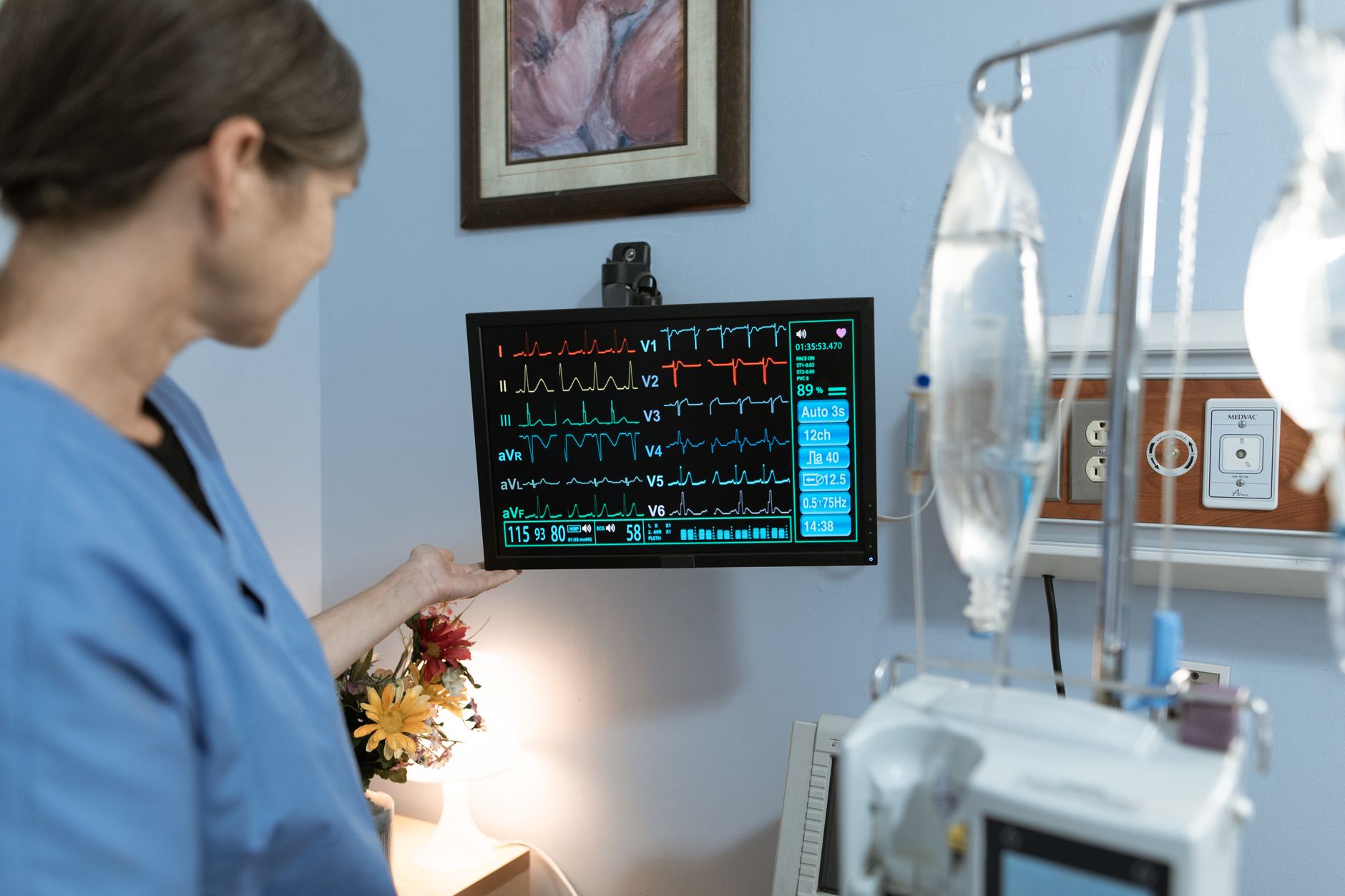
Remote monitoring starts with getting copies of medical records and direct communication with your parent‘s healthcare providers. Most people assume this is complicated, but it’s surprisingly straightforward: call your parent’s doctor’s office, ask them to add you to their contact list for labs and test results, and get your parent to sign a release form (HIPAA Authorization). You should receive summaries after appointments, notification if medications change, and alerts for abnormal test results. This transforms your role from guessing whether your parent is okay to actually knowing. The second layer is technology—not gimmicks, but practical tools. A shared calendar where your parent (or their caregiver) logs medical appointments, medication changes, and health concerns gives you real-time visibility without daily check-ins.
Many families use a simple shared Google Calendar that syncs across devices. For daily safety, video calls a few times a week (not daily, which burns everyone out) let you notice changes in speech, mobility, or cognition that you’d catch in person. Some families set up a smart speaker (like Alexa) in a parent’s common room so they can check in with a voice command: “Alexa, call Sarah.” It’s less intrusive than constant phone calls and works well for parents who forget to pick up the phone. A warning: don’t rely solely on your parent’s self-reporting. Older adults often minimize health problems (“I’m fine, just a little tired”) or forget to mention things that seem unimportant to them but are actually significant. Your communication with their doctor matters more than what your parent tells you.
Building a Local Support Network When You Can’t Be There
The single most important decision you’ll make is hiring local help—and the faster you do it, the better. This doesn’t necessarily mean a full-time live-in caregiver; it might mean a part-time aide for 10 hours a week, a neighbor who checks in, or a adult day program your parent attends twice a week. The point is to create at least one reliable local person who has regular contact with your parent and can notice problems, handle emergencies, and give you honest reports about what’s actually happening. Hiring someone is a three-step process: start with your parent’s doctor for recommendations (they know local agencies), interview 3-5 people, and run background checks before anyone enters your parent’s home. Expect to pay $18-28 per hour for non-medical care in most U.S. regions, though costs vary widely by location.
A retired nurse or certified nursing assistant will cost more (often $22-35/hour) but requires less supervision. Many adult children make the mistake of hiring someone too quickly because they’re desperate for help, then discovering months later that the person isn’t reliable or isn’t being honest about whether the parent is eating, taking meds, or staying clean. Spend two weeks interviewing. This is the most important hire you’ll make. The limitation: even excellent local help has boundaries. A caregiver who comes three afternoons a week can’t know what happens the other 18 hours. This is why you also need systems—pill organizers that show whether meds were taken, a doorbell camera that records visitors, or a medication management app that alerts you if a dose is skipped.
Managing Medical Care Across State Lines
Long-distance health management means accepting that your parent needs a strong primary care doctor locally—someone who knows their full history and can coordinate specialists. If your parent has been seeing the same doctor for years, keep them. If they need a new doctor, ask their current physician for a referral or check your parent’s insurance website for in-network providers. Once you’ve identified a doctor, call the office and introduce yourself. Explain that you’re managing care from out of state and ask about their policy on sharing information with adult children. Good practices will set up a secure patient portal where you can see test results and lab work within days. For major medical decisions, telehealth works well for follow-ups and medication adjustments, but your parent should see specialists in person.
An oncologist doing chemo follow-ups, a cardiologist evaluating chest pain, or a neurologist assessing memory concerns—these require physical exams and shouldn’t be done remotely. Plan to travel when your parent has major appointments: a surgery, a new serious diagnosis, or starting treatment. You don’t need to be there every day, but being present for 3-5 days after a major event helps you understand the medical situation and ensures your parent has someone to advocate for them in the hospital. A specific example: when Tom’s mother was diagnosed with atrial fibrillation, he flew down for three days to attend all her appointments, ask detailed questions about her medication options, and understand her cardiologist’s recommendations. He took notes and photos of paperwork. When he returned home, he had clarity about her treatment plan and could track whether his mother was remembering to take her new medication. If he’d managed this remotely without those in-person appointments, he’d have been working from secondhand information.

Setting Up Financial and Legal Oversight From a Distance
Long-distance caregiving will eventually involve financial and legal decisions: Who pays medical bills? Who can access your parent’s bank accounts if they become incapacitated? Who makes healthcare decisions if your parent can’t? These are uncomfortable conversations, but not having answers creates chaos and legal problems later. The essential documents are a durable power of attorney (gives you authority to handle finances), healthcare power of attorney (gives you authority to make medical decisions), and a HIPAA release (gives you access to medical records). Have your parent work with an elder law attorney in their state to create or update these documents—don’t use generic online templates for this. Costs range from $300-800, which seems expensive until your parent has a stroke and can’t pay bills, and you have no legal authority to access their accounts.
Simultaneously, get copies of everything: insurance policies, bank account numbers, passwords (stored securely), property deeds, and a list of all their accounts and where they’re held. Put these in a folder that your parent keeps at home and you keep a copy of—not on a cloud drive that’s vulnerable to hacking, but encrypted and secure. The comparison: a parent with a durable POA on file can keep their finances running smoothly even if they’re in the hospital. A parent without one can create a legal nightmare where their bills pile up, they lose their home to property tax liens, and you can’t access their accounts to pay anything even though you’re their only child. The document costs money upfront; not having it costs thousands later.
Recognizing and Responding to Declines in Your Parent’s Condition
The hardest part of managing from a distance is that small changes sneak up on you. Your parent’s voice sounds a little slower during a phone call, they forget they already told you a story, they mention they haven’t been to the grocery store in two weeks—individually, these things seem minor. Together, they might signal cognitive decline, depression, or a health problem that needs attention. This is why regular contact with a local caregiver or trusted friend is irreplaceable. They see your parent multiple times a week in person and can tell you, “Your mom isn’t eating much” or “Your dad seems really confused about what day it is.” Set up a simple check-in system: your parent’s caregiver sends you a brief text or email twice a week with notes on appetite, mood, activity level, and any concerns. You call your parent weekly and listen carefully for changes in their voice, memory, or mood.
You also visit in person at least every three months—not as a vacation, but as a work trip where you assess their living situation, look at their medication management, check their home for safety hazards, and talk to their doctor. On the fourth visit of the year, plan for two weeks instead of one; use that time to do deep maintenance like updating legal documents, reviewing finances, or arranging new services. A warning: depression in older adults is frequently mistaken for dementia, and declines in health or mobility can happen shockingly fast. A parent who was independent three months ago can become significantly frail in that time, especially after a hospitalization or illness. Don’t assume small changes will stay small. If your parent’s caregiver reports concerning changes, book a flight to assess the situation in person rather than trying to troubleshoot over the phone.

Coordinating Visits and Managing Your Own Burnout
Visiting too frequently (every month) burns you out and can create an unhealthy dynamic where your parent becomes dependent on your visits. Not visiting enough (once a year) means you miss critical warning signs and your parent feels abandoned. The sweet spot for most adult children is quarterly visits, with the possibility of an extra emergency visit if something serious happens. A quarterly schedule means you’re there four times a year—enough to monitor your parent’s condition and maintain your relationship, but not so much that you’re constantly traveling or neglecting your own family and work.
When you visit, have a plan. Block out time to attend a medical appointment with your parent, review their home for safety issues (loose rugs, poor lighting, missing grab bars), audit their medication management and make sure they’re taking things correctly, and spend quality time together that doesn’t revolve around health problems. Many adult children make the mistake of visiting and spending the entire time handling crises or medical tasks. Protect some time for conversation, meals, or activities your parent enjoys. Your parent needs to feel like you’re visiting them as a person, not just coming to manage their problems.
Planning for the Longer Term
As your parent ages, their needs will change—and so will yours. What works now (a part-time caregiver, quarterly visits, remote monitoring) might need to shift in five years when your parent’s mobility declines or dementia appears. Think of your caregiving setup as a living document that changes annually.
Every January, review your arrangements: Is the current caregiver still a good fit? Is your parent’s home still safe for their current mobility level? Are they still healthy enough to live independently, or is it time to talk about senior living communities? Do you need to add more help or different kinds of help? Many families find that the transition to a more restrictive living situation (assisted living, memory care, or moving closer to a child) is easier to navigate when it’s planned rather than forced by a crisis. If your parent shows signs of cognitive decline, start researching memory care communities in their area years before you might need one. If their mobility is declining, investigate whether their home can be modified or whether a senior apartment would be safer. The best time to have these conversations is when your parent is still cognitively sharp enough to participate in the decision.
Conclusion
Caring for an aging parent from another state is exhausting, expensive, and emotionally complex—but it’s entirely manageable when you treat it as a system rather than trying to handle it all yourself. Build a local care team, get legal and financial documents in order, establish clear communication with your parent’s healthcare providers, and visit regularly enough to truly know what’s happening. Accept that you can’t do everything and that hiring help isn’t abandonment; it’s the only realistic way to keep your parent safe while maintaining your own life.
Your parent will age, and their needs will change. The families that cope best with long-distance caregiving are the ones that plan ahead, communicate honestly, and adjust their systems as circumstances shift. Start now—before crisis forces your hand.
Frequently Asked Questions
How often should I visit my aging parent when we live in different states?
Quarterly visits (four times a year) is the standard that works for most families. This is frequent enough to monitor your parent’s condition and maintain your relationship, but not so frequent that it disrupts your own life. If your parent has serious health issues, major medical appointments, or shows signs of decline, plan for additional visits or an extended stay (2+ weeks) to properly assess the situation.
What’s the most important thing to do before my parent has a health crisis?
Get legal documents in place: a durable power of attorney for finances and a healthcare power of attorney. These cost $300-800 but prevent legal nightmares if your parent becomes incapacitated. Simultaneously, create a master list of all their accounts, insurance policies, and important information, and keep copies secure.
Should I move closer to my aging parent?
Only if you want to and it makes sense for your own life. Many adult children successfully manage long-distance caregiving with good local support and regular visits. Moving closer has real advantages (daily check-ins, ability to attend appointments), but it’s a massive life decision that affects your job, family, and relationships. Don’t move out of guilt alone.
How much should I expect to pay for part-time caregiving help?
Non-medical caregiving typically costs $18-28 per hour depending on your region, with higher costs in urban areas and expensive markets. A certified nursing assistant or licensed practical nurse costs more ($22-35/hour). If you need help 15 hours a week, budget $270-420/week or roughly $1,400-2,100/month. Check whether your parent’s long-term care insurance or Medicare covers any of these costs.
How do I know when my parent needs to move out of their home?
Your parent needs additional housing (assisted living, memory care, or senior community) when they can no longer safely manage daily tasks like cooking, cleaning, and taking medications, even with part-time help. Look for warning signs: repeated falls, significant memory loss, weight loss, poor hygiene, or expressing fear about living alone. Have honest conversations with your parent before crisis forces the decision.
What’s the best way to manage my parent’s medications from a distance?
Use a pill organizer with daily compartments (available at any pharmacy) so you can see at a glance whether today’s medications were taken. Ask your parent’s pharmacy to send medication reminders via text or email. Consider a telehealth visit with your parent’s doctor every 6 months to review all medications and make sure nothing unnecessary remains on the list.