
A seven-inch step becomes a genuine obstacle for many people after age 75, often marking the point where a home that felt manageable suddenly requires assistance to navigate safely. This height—just under the standard 8-inch rise of most building codes—creates a problem not because it’s impossible to climb, but because the combination of weakened leg strength, reduced balance, vision changes, and slower recovery from a misstep converges around this age to make it genuinely risky. A 76-year-old with arthritis in her knees might have climbed the same front porch step hundreds of times without thinking, but after a fall or a period of reduced activity, that seven inches becomes a decision point: do I grab the railing, take my time, or ask for help? The risk isn’t theoretical. Falls on steps and porches injure over 800,000 older adults annually in the United States, with one in four adults aged 65 and older experiencing a fall. For someone over 75, a fall on a single step can fracture a hip, break an ankle, or damage confidence enough that they stop leaving the house.
Even falls that don’t cause a visible injury often result in reduced mobility afterward—a pattern that accelerates decline. This age threshold matters because it’s when multiple physical changes stack up simultaneously. Vision becomes less reliable in dim light or shadows. Proprioception—the body’s sense of where it is in space—becomes less precise. Medications for blood pressure, heart conditions, or pain management can affect balance. The combination makes a seven-inch step feel steeper than it did at 65.
Table of Contents
- Why Does a 7-Inch Step Become Harder After 75?
- The Hidden Physical Changes That Make Steps More Dangerous
- How Home Design Makes 7-Inch Steps a Problem
- Practical Solutions: When Steps Become Barriers to Independence
- When Steps Become the Reason to Move or Accept Help
- The Role of Strength Training and Physical Therapy
- Looking Ahead: Home Design and Aging in Place
- Conclusion
Why Does a 7-Inch Step Become Harder After 75?
The human body’s ability to lift the leg high enough to clear a step depends on hip and knee flexibility, calf strength, and the ability to balance on one leg during the transition. After 75, all three of these systems typically decline. Hip flexion—the movement that lifts your knee toward your chest—decreases by roughly 20 to 30 percent between ages 65 and 80. That loss of range means the leg doesn’t lift as high, and what was once cleared effortlessly now requires conscious effort or a longer stride. The problem compounds if someone has had hip replacement, arthritis, or even just a period of reduced activity from illness. Consider the experience of a 78-year-old man with mild osteoarthritis who can still walk a mile without pain, but finds that climbing his home’s front steps now leaves him short of breath.
Five years earlier, he ran upstairs without thinking. The difference isn’t his overall fitness level—he still walks regularly. The difference is that climbing stairs demands a specific combination of leg strength, hip mobility, and cardiovascular capacity simultaneously. At 75 and beyond, the body often loses that specific combination, even when general health remains good. Balance becomes the silent factor that many people don’t recognize until they nearly lose their footing. The inner ear and nervous system changes that accompany aging make the transition from flat ground to a raised step riskier, especially if the lighting is poor, the step is worn, or the person is moving quickly or distracted. A misstep that would have been corrected instantly at 55 now has a real chance of becoming a fall at 75.
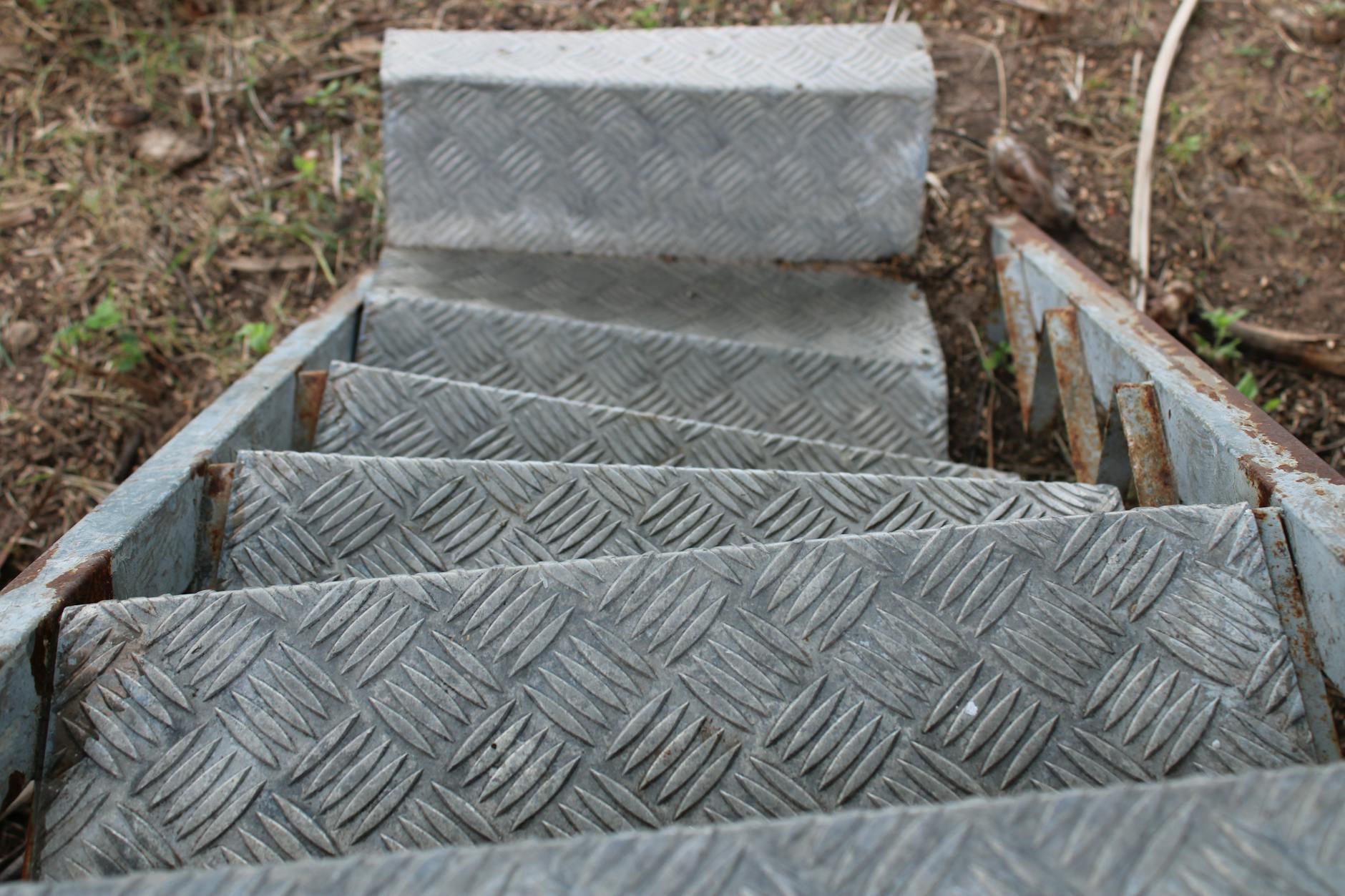
The Hidden Physical Changes That Make Steps More Dangerous
Beyond the loss of leg strength, several less obvious changes make steps hazardous. Proprioception—the ability to feel where your foot is relative to the step without looking—declines with age, particularly after 75. This is why someone might catch their toe on a step they’ve climbed a thousand times. The foot feels like it’s clearing the edge, but it isn’t; the nervous system’s feedback is slower or less accurate. Add poor vision in low light—a common problem after 75—and a step that was never thought about becomes something that requires full attention. Medication interactions create another hidden risk. An older adult taking a diuretic for blood pressure might have slightly lower blood volume, making them more prone to dizziness on exertion.
Someone taking pain medication might have reduced sensation in their feet. A person on a medication for sleep or anxiety might feel slightly unsteady the next morning. These effects are often so subtle that someone doesn’t consciously notice them until they feel wobbly stepping up or down, or until a near-miss scares them. There’s also the issue of recovery capacity. A younger person who stumbles on a step catches themselves almost automatically and continues. An older adult after 75 might catch themselves, but the effort to recover leaves them shaken, short of breath, or with a sore muscle the next day. The psychological effect is significant: one close call often leads to increased anxiety about steps, which increases muscle tension and actually makes falls more likely. The fear becomes a risk factor in itself.
How Home Design Makes 7-Inch Steps a Problem
Most residential steps are built to a consistent rise of 7 to 8 inches, which works within standard building codes. A seven-inch step is completely legal and was designed to be a comfortable height for the general population. But “comfortable for the general population” means people aged 20 to 65 in reasonably good health. It doesn’t account for the physical changes that occur after 75, and it certainly doesn’t account for the growing population living with arthritis, neuropathy, or balance problems. The problem is compounded by the fact that most homes were built when the owner was 40 or 50, and no one thinks to modify the steps as they age. A front porch with three seven-inch steps is something a 50-year-old manages without hesitation, but at 78, those same three steps might be the reason someone stops going outside regularly.
Some people adapt by using a railing more heavily, some by going slower, and some by simply avoiding the steps, which means avoiding their own front porch—a shift that isolates them. Outdoor steps are particularly risky because they’re exposed to weather, moss, and frost, which make the surface slippery. An indoor step in a well-lit hallway is manageable; a dark wooden porch step with a worn tread is dangerous. The visual contrast between steps becomes important too. Older eyes struggle to see where one step ends and another begins if the lighting is poor or the steps are the same color as the surrounding area. A seven-inch step that’s poorly lit becomes a tripping hazard, not a minor obstacle.
Practical Solutions: When Steps Become Barriers to Independence
The most straightforward solution is to reduce the step height or number of steps. Installing a ramp is another option, though ramps require significant space—a 7-inch step requires roughly a 7-foot-long ramp at the standard 1:12 slope ratio. A removable or temporary ramp can cost $300 to $800, while a permanent installation runs higher. However, a ramp solves the problem entirely and is usable for walkers, wheelchairs, and anyone with mobility challenges. Handrails are essential but not sufficient by themselves.
A proper handrail on both sides of the steps, or at least on the sides where someone naturally reaches for support, can make a significant difference. Some people benefit from a second railing in the middle if there are four or more steps. The rail should be sturdy enough to hold the person’s full weight if they stumble, which means it needs to be properly anchored into the structure, not just attached with brackets. Other modifications include adding grip tape to step treads to improve traction, improving lighting around the steps, and creating a level landing if there’s only one step. A platform that eliminates a single step can be built for $100 to $200 and is often the most cost-effective solution. Some people use a portable step stool or step platform on the inside of their home to compensate for steps elsewhere, though these create their own tripping hazards if not installed carefully.
When Steps Become the Reason to Move or Accept Help
Not everyone can or wants to modify their home, and for some, a seven-inch step becomes the signal that it’s time to move to a single-story home or assisted living. This is a significant decision, and it’s one that many people delay because staying in their longtime home carries enormous psychological weight. But delaying too long can be dangerous—waiting until after a fall to decide whether to move means making that decision under stress, with reduced mobility, and possibly with a recovery period from an injury. There’s a real tradeoff between independence and safety. A person can insist on staying in their multi-story home and managing steps that have become difficult, but that choice comes with increased fall risk and the anxiety that accompanies it.
Accepting help—asking a family member to be present during activities that involve steps, or hiring someone to assist—requires acknowledging that the body has changed in ways that matter. Some people make this transition smoothly; others resist it long enough that a fall makes the decision for them. The warning here is clear: if steps have become noticeably harder between ages 75 and 80, they’re likely to become harder still. Waiting for a dramatic decline can mean waiting until after an injury, when recovery is slower and independence is further away. People who proactively address step height while they’re still healthy enough to manage modifications are far more likely to stay safely in their homes.
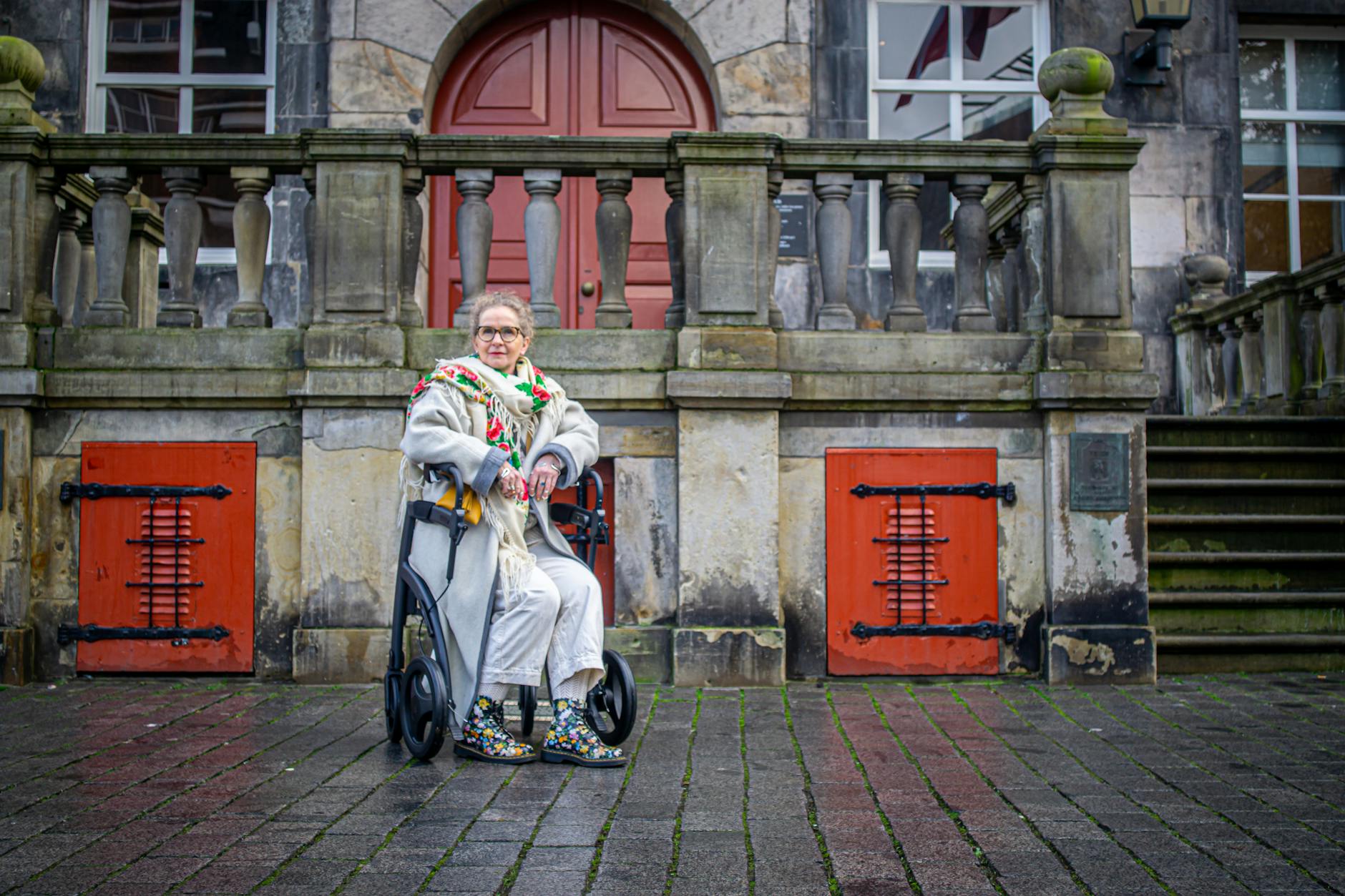
The Role of Strength Training and Physical Therapy
Some decline in leg strength and balance is normal with age, but some of it is preventable through exercise. Older adults who do strength training focused on the legs and hips—even simple exercises performed at home—can partially offset the decline that makes steps harder. Tai chi, balance training, and lower-body resistance exercises have all been shown to reduce fall risk and improve stair-climbing ability.
Physical therapy can make a specific difference if someone has been sedentary or recovering from an illness. A physical therapist can assess whether a person’s difficulty with steps is due to weakness, balance problems, arthritis, or fear-based avoidance, and can prescribe targeted exercises. Someone with mild knee arthritis might benefit from quadriceps strengthening, while someone with balance issues needs vestibular training. The investment in therapy early—at 73 or 74—might eliminate the problem by the time someone is 78.
Looking Ahead: Home Design and Aging in Place
As the population ages, there’s growing awareness that homes need to be designed with aging in mind from the start. Visitability—a design standard that includes zero-step entries, hallways wide enough for walkers, and accessible bathrooms—is becoming more common in new construction.
But most homes in America were built without aging in place in mind, and retrofitting them is expensive and disruptive. The future likely includes more single-story homes, more universal design principles in standard construction, and more acceptance that a home might need to change as the person living in it ages. For now, though, if you’re over 75 and steps are becoming difficult, acknowledging that change early—whether through home modifications, movement choices, or even a transition to a more accessible living situation—is how people maintain independence and avoid falls.
Conclusion
A seven-inch step is a seemingly minor obstacle that can become a major barrier to independence after age 75, not because the step itself is steep, but because of the convergence of changes in strength, balance, vision, and recovery capacity that occur around this age. The step doesn’t change, but the body does, and at some point, the two no longer align as safely as they once did.
The good news is that this problem is addressable. Whether through home modifications, exercise and physical therapy, assistive devices, or accepting help, there are concrete ways to manage or eliminate the barrier that steps represent. The key is recognizing the problem early, before a fall forces the issue, and making choices about your home and your activity based on what your body can safely do now, not what it could do ten years ago.