
Occupational therapists identify home safety hazards that families routinely miss because they have been trained to see the interaction between a person’s physical abilities and their environment—a gap that untrained eyes cannot bridge. When an aging parent struggles with balance, an OT notices that the bathroom vanity height forces an unstable bend; when memory loss enters a household, an OT recognizes that medications stored above the stove create a burn risk. These observations come not from exceptional insight but from systematic training: occupational therapists assess how diseases, injuries, and aging affect movement, cognition, and sensation, then translate those changes into physical hazards. A family may love a home because of its history and familiarity, but an OT sees it as a series of specific risks that need to be managed or eliminated.
Family members often miss these hazards for understandable reasons. They live with gradual changes—a parent’s shuffle becomes normal over months, a tremor goes unmentioned—and they adapt without thinking about alternatives. They assume their home is safe because it has always been safe, or they rationalize risks as small enough to manage. An OT arrives with no emotional attachment to the space and a diagnostic framework honed across dozens of other homes in similar situations. This difference in perspective is not about being more careful; it is about being trained to see what decline looks like and how environments amplify those vulnerabilities.
Table of Contents
- What Do Occupational Therapists Notice That Families Don’t?
- Why Home Assessments by Occupational Therapists Reveal Different Risks
- Specific Room-by-Room Hazards That Families Often Overlook
- How Occupational Therapists Assess Safety Differently Than Family Members
- Common Home Hazards That Are Dangerous but Not Obvious
- The Value of a Professional Third-Party Perspective
- Moving Forward With OT Recommendations
- Conclusion
- Frequently Asked Questions
What Do Occupational Therapists Notice That Families Don’t?
Occupational therapists conduct systematic assessments of how a person moves through their home, noting obstacles that family members have stopped seeing. They watch a person sit down and stand up, take a shower, navigate stairs, reach for items in cabinets, and turn around in tight spaces. They assess balance, strength, cognitive awareness, and sensation.
They ask questions about falls that happened weeks ago, near-misses that were never mentioned, and activities that now take longer or feel scary. This structured observation reveals hazards that family members dismiss as “something we work around” or “not a big deal.” Common hazards that OTs identify include throw rugs and loose carpeting on stairs (which families may keep because they are traditional), bathroom grab bars installed too low or in the wrong locations (because family assumed they knew where they should go), lighting so dim that a person with declining vision cannot navigate safely at night (family members do not realize how much light is needed), and clutter on stairs or hallway floors (accumulated gradually and no longer consciously noticed). An OT also recognizes medication and cleaning supply storage that creates poisoning risks for people with dementia, cords stretched across walkways, and kitchen layouts that force long reaches or bending for frequently used items. What feels normal after months of adaptation becomes obviously dangerous when viewed through a professional lens.

Why Home Assessments by Occupational Therapists Reveal Different Risks
Home environments are designed with younger, healthier people in mind, and families rarely question this until changes make it obvious. A standard staircase assumes someone has the balance, leg strength, and visual acuity to climb safely—assumptions that break down with arthritis, neuropathy, stroke, Parkinson’s, or vision loss. Bathrooms with slippery tile floors, no grab bars, and toilets of standard height become fall machines for someone with limited strength or balance. Narrow doorways that seemed fine throughout a lifetime suddenly require planning when using a walker or wheelchair. An OT recognizes that these mismatches between person and environment create accidents, not because people are careless but because the environment is working against them.
One important limitation of family assessments is that families cannot separate what they know about their loved one’s history from what they can actually observe about their current abilities. They may think a parent can still climb stairs safely “because they always have,” overlooking that the person is now taking longer, pausing more frequently, or gripping the rail much harder. They may attribute a fall to bad luck or a moment of carelessness rather than recognizing a pattern of declining balance that will produce more falls without intervention. An OT, by contrast, is trained to measure and document exactly what someone can and cannot do, and to distinguish between occasional lapses and genuine functional decline. This creates a more accurate risk profile and leads to modifications that actually address the root causes of accidents.
Specific Room-by-Room Hazards That Families Often Overlook
Bathrooms present the highest fall risks in the home, yet families often leave them largely unchanged as people age. An OT walks into a bathroom and notes that the shower is a slippery basin with no grab bars, the toilet is hard to rise from because it is low and there is no grab bar, the mirror is positioned too high for someone who now has a stoop, and towel bars are in locations that make them dangerous handholds (designed to look nice, not to safely support weight). Families use the same bathrooms every day and do not see these details because they are not performing the functional demands that create the hazards.
Kitchens, which families view as safe and familiar, often contain multiple hazards identified by OTs. A person with arthritis in their hands cannot open jars or turn knobs, but family members may not realize that reorganizing the kitchen to place frequently used items at waist height with ergonomic grips could solve this. Appliances with complicated controls become unusable if someone has tremor or declining cognitive processing, but families may not think to label controls with large, clear markings or to simplify access to the stove. Bedrooms are assumed to be simple rest spaces, but OTs note fall risks related to getting in and out of bed (bed height, lack of handholds, distance to bathroom), nighttime lighting (older adults often cannot navigate dark rooms safely), and pathways to doors blocked by furniture that seemed innocuous before mobility declined.
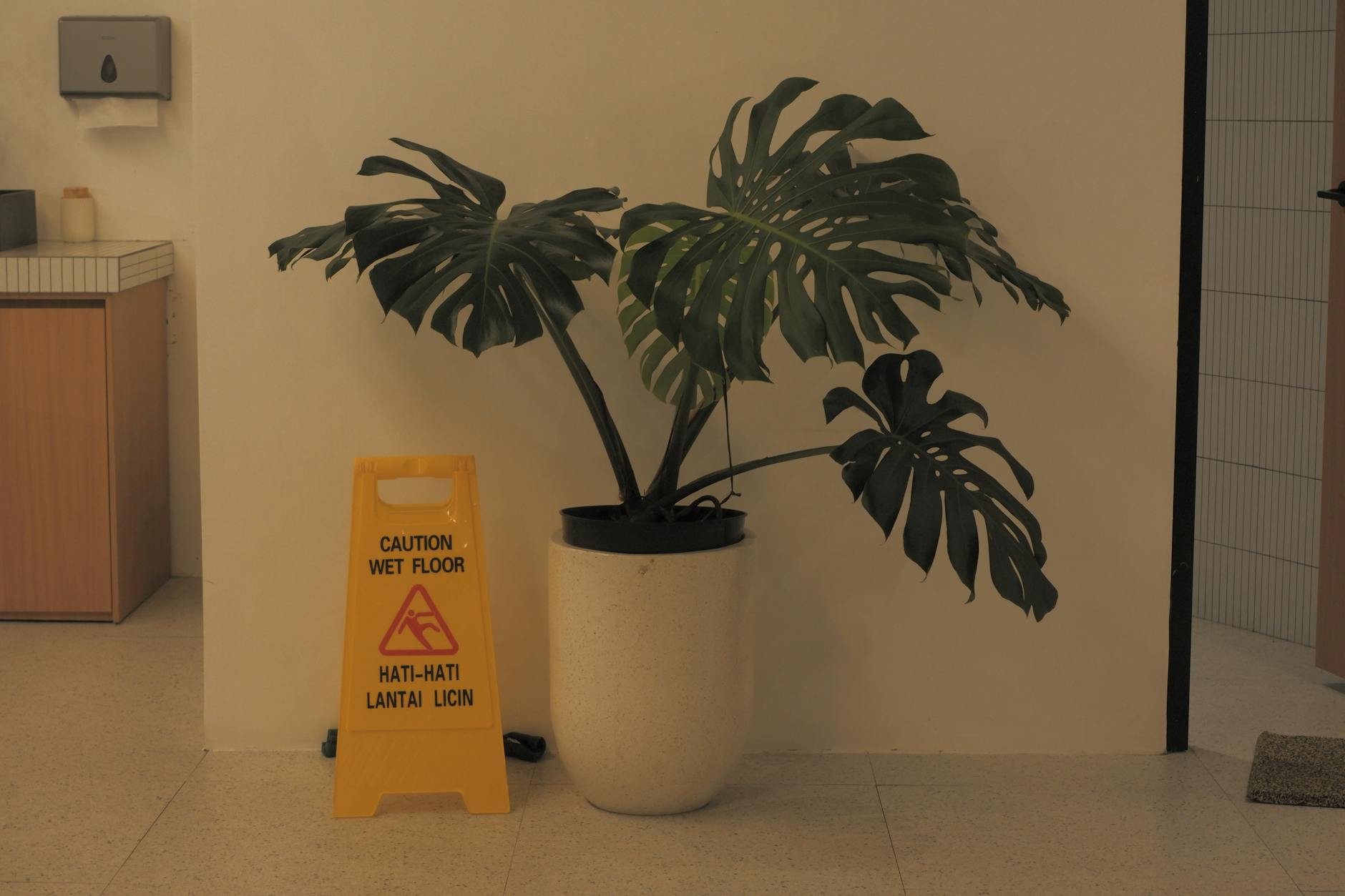
How Occupational Therapists Assess Safety Differently Than Family Members
An OT brings a standardized process to home assessment, using observation, measurement, and testing to identify hazards. They use tools like the Timed Up and Go test (timing how long it takes someone to rise from a chair, walk a short distance, and return) to quantify fall risk, or the Berg Balance Scale to measure balance objectively. They photograph hazards, document recommendations, and prioritize changes based on which modifications will have the greatest impact on safety and independence. This structured approach means that every home gets the same systematic evaluation, and nothing is missed because the family is too familiar with the space to see it.
A tradeoff in this approach is that while OT assessments are more comprehensive, families may initially resist recommendations because they did not expect the extent of needed changes. An OT might recommend removing the beloved Oriental rug on the stairs, widening doorways, or installing handrails throughout the home—changes that feel like surrendering to decline rather than accommodating it. Families sometimes dismiss early OT recommendations and only implement them after a fall occurs. An experienced care coordinator or family advocate can help bridge this gap by explaining why changes matter and how they preserve both safety and independence. The most effective use of OT assessment combines professional rigor with family input about what modifications are actually feasible and acceptable.
Common Home Hazards That Are Dangerous but Not Obvious
Stairs are universally considered safe by families who have used them for decades, yet they are the source of severe injuries in older adults. An OT assesses stair safety by checking the height and depth of steps, the presence and placement of railings, the lighting at both top and bottom, and the person’s actual ability to climb and descend. Many older homes have stairs with non-uniform step heights, which creates particular hazard because muscle memory does not work and people are more likely to misstep. Families often do not add lighting to stairs because they have always navigated them in the dark, not recognizing that vision declines with age and darkness now creates a genuine safety risk.
Lighting throughout the home is a hazard that families consistently underestimate because they adapt without noticing. An older adult may have twice the light need that a younger adult does to see clearly, yet family members keep lights dim or leave hallways and bathrooms dark. The solution seems simple—add bulbs, add lamps—but families sometimes resist spending money on something that “was fine before.” An OT documents this as a concrete fall risk and recommends specific, practical changes: motion-activated lights in the hallway so paths are lit when needed, higher-wattage bulbs in bedside lamps, and improved lighting around any stairs or transitions between rooms. A warning: even with improved lighting, some older adults need to be accompanied at night if their vision loss or balance changes are severe enough that they remain at risk for falls.

The Value of a Professional Third-Party Perspective
Having an occupational therapist assess the home introduces an element that family members cannot provide on their own: unbiased observation. Family members are invested in their loved one’s independence and emotional comfort, which means they may minimize risks or avoid recommending changes that feel too institutional or loss-inducing. An OT can recommend modifications that feel hard but are necessary because the professional has no emotional stake in how the family member feels about decline. A professional can say, plainly, that stairs have become unsafe and need to be addressed, that a bathroom grab bar is not a nice-to-have but a need-to-have, or that the bedroom arrangement is creating fall risks that cannot be managed.
This outside perspective often makes the recommendation more powerful and more likely to be acted on. An OT assessment also creates documentation that may be required for insurance coverage of assistive devices or home modifications. Some insurance plans cover grab bars, stair lifts, or accessibility ramps if they are recommended by a healthcare professional as medically necessary. An OT’s written assessment, with specific findings and recommendations, provides this documentation in a format insurers understand. This practical benefit means that a professional assessment can sometimes make necessary modifications more affordable for families who might otherwise defer them.
Moving Forward With OT Recommendations
After an occupational therapist identifies hazards and recommends modifications, the real work begins: deciding which changes to prioritize, finding contractors or equipment vendors, managing the disruption and expense, and navigating the emotional weight of these changes. An experienced OT typically prioritizes recommendations by risk level and functional impact, which helps families know what must be done immediately versus what can wait. Grab bars in the bathroom and improved lighting might be highest priority, while kitchen reorganization or bedroom grab bars might be secondary. This prioritization structure helps families move forward without feeling overwhelmed.
The best outcomes happen when occupational therapists, families, and care managers work together over time. An initial assessment identifies major hazards; modifications are made; and follow-up assessments check whether the person is actually using the new equipment or layout, whether additional issues have emerged, and whether new limitations need addressing. This ongoing relationship acknowledges that people’s needs change, and what was safe last year may not be safe this year. An OT who works with the family across time can also help identify less obvious hazards that families might later notice on their own and bring to the OT’s attention, creating a collaborative safety approach rather than a one-time evaluation.
Conclusion
Occupational therapists are trained to see home hazards that families miss not because families are careless, but because the professionals bring systematic assessment methods, diagnostic knowledge, and unbiased perspective to familiar environments. They recognize that aging and illness change how a person interacts with their surroundings and that environments designed for younger adults create specific risks as capabilities change. The assessment of a home by an OT often reveals dozens of small hazards that, individually, seem manageable but together create a significant fall risk or barrier to safe independence. The practical next step for families concerned about aging in place is to request a home safety assessment from an occupational therapist, either through insurance, aging services, or private practice.
These assessments typically take one to two hours and produce a detailed report of hazards and recommendations prioritized by risk level. Implementing even the highest-priority recommendations often makes a measurable difference in safety and confidence. The investment in professional assessment can prevent the accidents and injuries that otherwise drive decisions to move to assisted living or nursing care—outcomes that many older adults want to avoid. The occupational therapist serves not as a critic of the home but as a translator, helping families understand how a space they have always felt safe in may have become unsafe, and what changes will preserve both independence and safety.
Frequently Asked Questions
What does an occupational therapist look for during a home assessment?
An OT observes how a person moves through their home, noting fall risks, accessibility barriers, and safety hazards related to specific disabilities or functional limitations. They assess balance and strength, check lighting and visibility, evaluate bathroom and stair safety, and review storage of medications and hazardous materials. They also ask about past falls, near-misses, and activities that now feel unsafe or take much longer.
How much does a home assessment by an occupational therapist cost?
Cost varies widely depending on location, whether the OT is private or hospital-based, and whether insurance covers the service. Some Medicare Advantage plans cover home assessments as part of preventive care. Private OT assessments typically cost $150 to $400 per visit. Many aging services organizations and Area Agencies on Aging can connect families with affordable or sliding-scale options.
Can I do a home safety assessment myself without an occupational therapist?
You can conduct a basic assessment by checking for obvious hazards like loose rugs, poor lighting, and missing grab bars. However, you will likely miss the more subtle hazards that an OT would identify, particularly those related to specific diseases or functional changes. An OT’s systematic approach and professional knowledge mean they catch hazards that families have adapted to without noticing, making their assessment more comprehensive and useful.
What if I disagree with an OT’s recommendations?
You do not have to implement every recommendation, but it is worth understanding the reasoning behind them. If a recommendation seems excessive or impractical, discuss the concern with the OT. They can sometimes offer alternative approaches or prioritize recommendations differently. However, recommendations related to fall risk or medication safety are generally worth taking seriously, even if they feel inconvenient.
How long does it take to implement all the recommended modifications?
This depends on the scope of recommendations and your resources. Some changes, like improving lighting or removing trip hazards, can be done immediately and inexpensively. Others, like installing grab bars or ramps, may require hiring contractors and take several weeks. An OT can help prioritize changes, and many families implement modifications in phases based on budget and urgency.
What should I do if my loved one refuses to accept that their home is unsafe?
This is a common situation, especially when decline is relatively recent and feels like an unwanted acknowledgment of aging or illness. Frame the assessment not as criticism but as practical information about how to maintain independence and avoid serious injury. Sometimes having a professional, neutral third party explain why changes matter is more persuasive than family members raising the same concerns. Starting with smaller, less invasive modifications (like better lighting) and letting your loved one see the benefit may build acceptance for more significant changes later.