
Caregiver Communication When Home Aides Work Different Shifts
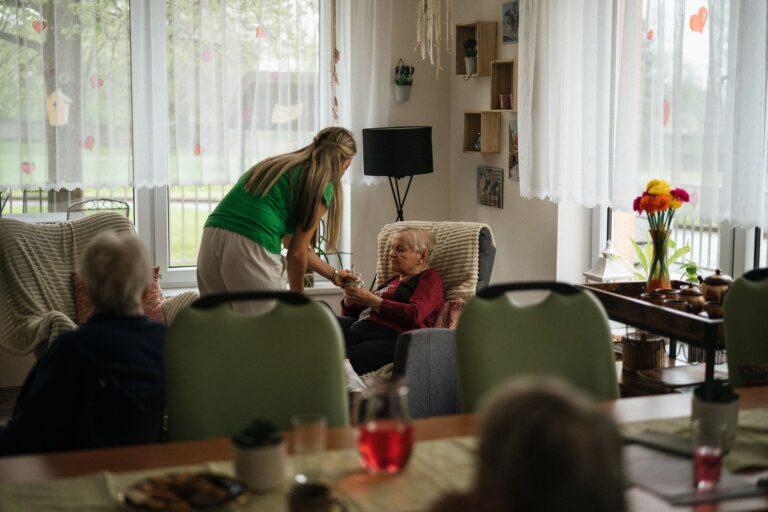
Build a clear cross-shift handoff so home aides, families, and older adults know what changed and who acts next.
Build a clear cross-shift handoff so home aides, families, and older adults know what changed and who acts next.

Learn which turnover questions reveal whether a memory-support community can provide familiar, responsive daily care.

Repeatedly canceled home help may reflect fear, privacy concerns, illness, or safety risks; learn how to respond respectfully.

A layered emergency plan helps a parent get assistance, share medical information, and evacuate safely when smartphone use fails.

Use a practical outage plan to protect a senior's safety, medications, caregiver access, meals, and emergency options.

A written plan clarifies care duties, privacy, housing costs, safety, respite, and lawful exit terms.

Help a senior parent choose home support by turning broad worries into specific, adjustable decisions they can lead.

Use intake logs, meal observation, delivery alerts, and weight checks to confirm that a senior is actually eating.

Learn why fridge clutter can hide familiar foods and how to simplify choices, protect meals, and recognize urgent changes.

Learn how to secure the apartment, spot exploitation, seek medical assessment, and preserve a parent's autonomy.