
The first ninety days after your parent has a stroke are a time of rapid, sometimes confusing changes—both for them and for you. During this window, the brain is still capable of significant healing, therapy can be most effective, and the decisions you make as a caregiver will shape their trajectory toward either independence or decline. Your role in those early weeks isn’t to be a medical expert; it’s to understand what’s happening, facilitate their recovery work, watch for warning signs, and help them relearn basic tasks while managing your own stress.
When your 67-year-old mother suddenly loses the use of her right arm and struggles to find words, the hospitals, rehab facilities, and therapy schedules that follow can feel overwhelming—but the structure and routine of that first quarter-year, handled thoughtfully, often makes the difference between someone regaining meaningful function and someone facing permanent limitations. The acute phase of stroke recovery typically spans the first two to three weeks after the event, but the neuroplastic window—the brain’s ability to form new neural pathways and recover lost function—remains open for months. Those first ninety days matter because they include the intensive rehabilitation period when therapy is most frequent, when family involvement most directly influences outcomes, and when small decisions about nutrition, mobility, and emotional support compound into larger results. You’ll need to shift quickly from crisis mode to caregiver mode, learning to advocate for your parent’s medical care while also preparing yourself emotionally and practically for the possibility that their recovery might not look the way either of you hoped.
Table of Contents
- What Happens in the Brain and Body During the First Three Months After Stroke?
- The Hospital Stay and Immediate Medical Decisions
- Physical Recovery and Mobility in the First Ninety Days
- Speech, Swallowing, and Cognitive Changes—and When Professional Help is Essential
- Caregiver Burnout, Emotional Whiplash, and the Mental Health Dimension
- Nutrition, Medication, and Preventing Secondary Complications
- Home Modifications, Long-Term Planning, and the Shift Toward Sustainable Caregiving
- Conclusion
What Happens in the Brain and Body During the First Three Months After Stroke?
A stroke occurs when blood flow to the brain is blocked, depriving brain cells of oxygen. In the first minutes and hours, neurons in the affected area begin to die, creating a zone of permanent damage. But surrounding that core area is a region of cells that are stressed but still viable—and for the next few hours, medical interventions like thrombolytics (clot-busting drugs) or mechanical thrombectomy (physical clot removal) can prevent or reduce that damage. This is why time is truly critical in the immediate aftermath, and why the phrase “time is brain” guides emergency stroke protocols.
After the acute danger passes, your parent’s brain begins a recovery process that varies dramatically from person to person. Some people regain nearly all function within weeks; others show slow, steady improvement over months and years; and some reach a plateau where further spontaneous recovery becomes unlikely. The factors that influence this outcome include the size and location of the stroke, the speed of treatment, your parent’s age and overall health, and critically, the quality and consistency of rehabilitation they receive. A 72-year-old who had a small stroke in the motor cortex might walk again within six weeks; a 58-year-old with a large stroke affecting multiple brain regions might need years of therapy and never fully regain independence. This unpredictability is one of the hardest aspects of early caregiving—you’re managing both hope and the acknowledgment that outcomes cannot be controlled.
The Hospital Stay and Immediate Medical Decisions
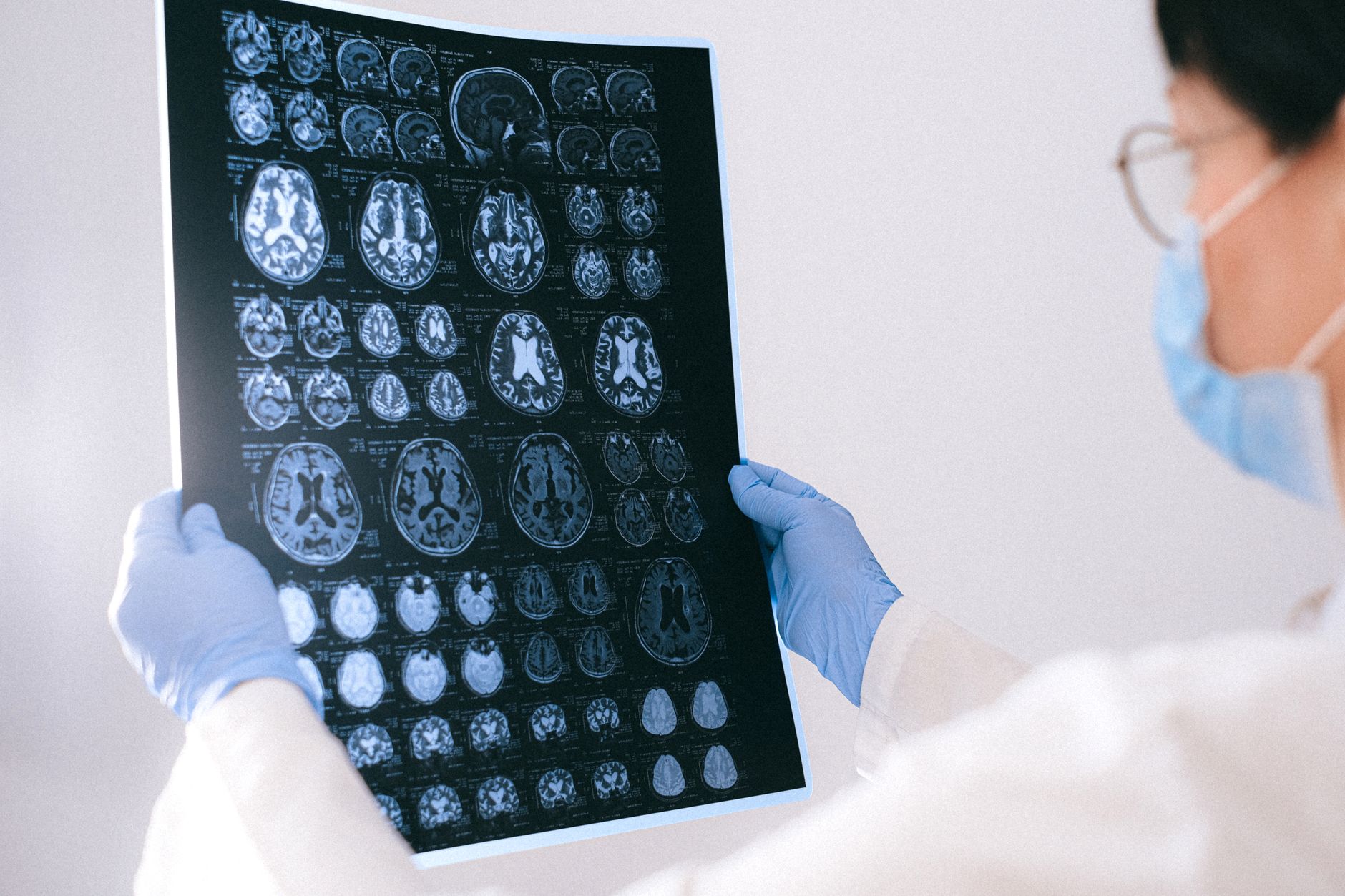
your parent will likely spend several days in an acute care hospital, where the stroke team stabilizes them, performs imaging to determine the type of stroke (ischemic or hemorrhagic), and watches closely for complications like seizures, blood clots, or another stroke. During this time, they’ll begin basic physical and occupational therapy, though the focus is still on medical stability rather than intensive recovery work. You’ll meet neurologists, nurses, therapists, and discharge planners, each with overlapping but distinct concerns. One significant limitation of hospital-based care is that the acute hospital setting is geared toward stabilization and diagnosis, not recovery—the therapy sessions are brief, and the environment offers limited opportunity for the kind of repetitive, challenging practice that drives neurological recovery.
Before discharge, the hospital team will assess whether your parent needs inpatient rehabilitation (a dedicated rehab facility), skilled nursing care, or can go directly home with outpatient therapy. This decision carries major weight: inpatient rehab offers intensive, structured therapy (often three to four hours per day) but is more expensive, may have waiting lists, and removes your parent from home. Home discharge is faster and allows them to recover in a familiar environment, but it places much more responsibility on family caregivers to ensure they’re actually doing therapy and staying safe. Insurance often limits inpatient rehab to two to three weeks, so you’ll likely need to plan for a transition anyway—either to outpatient therapy or to a different care setting. Ask the discharge planner directly: “What are the criteria for stopping therapy? What happens if she plateaus but still wants to improve?” Many families are surprised to learn that insurance may stop covering therapy even when the patient isn’t near their baseline function.
Physical Recovery and Mobility in the First Ninety Days
In the early weeks, your parent’s body is at real risk. They may have weakness on one side, problems with balance and coordination, swallowing difficulties, or fatigue that comes on suddenly and completely. A major concern for many families is falls—stroke survivors have a higher risk of falling for months afterward, and a fall in someone recovering from stroke can trigger a cascade of setbacks: broken bones leading to immobility, immobility leading to muscle loss and pneumonia, hospital readmission delaying therapy progress. Your home modifications should happen immediately: remove throw rugs, install grab bars in bathrooms, ensure the hallway to the bedroom and bathroom is clear and well-lit. If your parent needs a walker or cane, they should use it consistently, even if they feel strong enough to manage without it. Physical therapy in these early months focuses on retraining movement patterns, regaining strength, and rebuilding balance.
Your parent might work on basic tasks: rolling over in bed, sitting up without assistance, transferring from bed to chair, standing, and eventually walking. The speed of progress varies enormously. One person walks independently by week four; another needs a cane at twelve weeks and never regains full independence. A critical distinction: having the physical ability to walk and having the confidence and safety to walk independently are different things. Your 71-year-old father might physically move his legs correctly but feel terrified of falling, which makes him hesitant and more likely to fall. Your role includes not just facilitating therapy but also managing anxiety around movement, which sometimes means being present and reassuring during activities, and sometimes means stepping back to let them build confidence independently.

Speech, Swallowing, and Cognitive Changes—and When Professional Help is Essential
Stroke frequently affects speech and language, particularly if it occurred in the left hemisphere where language centers are located. Your parent might have expressive aphasia (difficulty producing words), receptive aphasia (difficulty understanding language), or both. They might also have apraxia of speech, where the signal from brain to mouth is disrupted, making speech unclear even when they know what they want to say. For family members, this is profoundly frustrating—you’re talking to the same person you’ve talked to for decades, but the conversation feels broken. A speech-language pathologist (SLP) is essential here; they’ll assess whether your parent can swallow safely, rule out aspiration risk (food or liquid entering the lungs), and design speech therapy exercises. The limitation to understand early: if your parent has moderate to severe aphasia, recovery will be slow and outcomes cannot be guaranteed. Some people recover most or all speech function; others develop permanent communication limitations and need to rely on written words, pictures, or alternative communication devices.
Cognitive changes after stroke are also common but often overlooked. Your parent might have problems with memory, attention, executive function (planning and organizing), or emotional regulation. They might forget conversations from an hour earlier, become emotional or irritable for no apparent reason, or lose the ability to sequence steps in a familiar task. These changes can be more disabling than physical weakness because they affect independence in subtle ways. Someone with right-arm weakness can compensate by using their left hand; someone with memory loss might leave the stove on and create a fire. A neuropsychologist can assess cognitive function and help you understand what kind of cognitive rehabilitation might help—and importantly, what changes are likely permanent and what supports you’ll need to build. Early assessment is valuable because it shapes all your other caregiving decisions: if your parent has significant memory loss, for example, you’ll need to handle medication management, bills, and appointments, which is a much larger care responsibility than if they’re cognitively intact but physically weak.
Caregiver Burnout, Emotional Whiplash, and the Mental Health Dimension
The emotional impact of stroke hits caregivers often as hard as it hits the patient, and it arrives in waves you may not anticipate. There’s the acute shock of the event itself, then cautious optimism during the first weeks of recovery, then the realization around week four or five that improvement is slower than hoped, then the acceptance phase where you’re adjusting to a longer-term caregiving reality. Many caregivers report depression, anxiety, or a kind of numb exhaustion that doesn’t go away after sleep. This isn’t a weakness; it’s the normal response to a major life disruption, combined with chronic stress and grief over the person your parent was before the stroke. A significant warning: caregiver depression and burnout directly predict worse outcomes for the stroke survivor. If you’re depleted and resentful, you’re less patient with therapy, less attentive to safety, less able to advocate for their needs, and more likely to shut down emotionally. You must attend to your own mental health in these ninety days—not as a luxury, but as a prerequisite for being an effective caregiver.
This means talking to someone: your doctor, a therapist, a support group for stroke caregivers, or a trusted family member. Many caregivers are ashamed to admit they’re struggling, fearing they sound ungrateful or unloving. But your parent’s stroke is a family trauma, and you’re allowed to grieve, to feel angry that this happened, and to need help carrying the burden. The tradeoff you’ll face repeatedly: caregiving is important, but it’s not your entire identity. If you stop working to be a full-time caregiver, your own financial security and sense of self may suffer. If you continue working while managing care, you may feel like you’re failing at both jobs. There is no perfect answer. Early on, explore respite care—whether through a family member taking shifts, hiring a home health aide, or placing your parent in a day program so you can have time to recover your own equilibrium.

Nutrition, Medication, and Preventing Secondary Complications
Your parent’s swallowing may be affected, requiring a modified diet (soft foods, thickened liquids) until a swallow study clears them to eat normally. Malnutrition and dehydration are real risks, especially if your parent has difficulty eating or limited appetite due to depression or medication side effects. Monitor weight changes—a loss of five or more pounds in the first month is concerning and suggests they’re not taking in enough nutrition. If swallowing is significantly impaired, your care team might recommend a feeding tube (PEG tube), which is a difficult conversation but sometimes necessary. Medication management becomes more complex after stroke.
Your parent will likely be on blood thinners (to prevent clots), statins (to manage cholesterol), blood pressure medications, and possibly medications for mood or seizure prevention. Missing doses matters. Missing a dose of a blood thinner, for example, increases stroke recurrence risk. If your parent has cognitive changes, memory loss, or confusion, you may need to manage their medications directly—using a pill organizer, setting phone reminders, or overseeing each dose. This is not micromanagement; it’s harm prevention. A secondary stroke in the first weeks after the first one is devastating and increases mortality significantly, so medication adherence is not optional.
Home Modifications, Long-Term Planning, and the Shift Toward Sustainable Caregiving
By week six or eight, you should have a clearer picture of your parent’s trajectory. Will they regain independence, or will they need ongoing support? Do they need someone present in the home, or can they manage alone with regular check-ins? Can they return to their own home, or would a move to senior housing, assisted living, or your home be safer? These are the hard, practical questions that shape the next year and beyond. Home modifications—widening doorways for a wheelchair, installing a shower bench, rearranging furniture to create clear pathways—can cost thousands, but they also allow your parent to remain in their own home longer. Compare the cost of home modifications (perhaps five to fifteen thousand dollars, depending on extent) to the cost of assisted living (two to five thousand dollars per month) or memory care (three to six thousand dollars per month), and home modifications often look reasonable. If your parent will need ongoing care, now is the time to explore options and costs.
Are you considering family caregiving as your role long-term? That’s a multi-year commitment with real consequences for your own career, finances, and relationships. Could you share caregiving with siblings or other family? Can you afford or would insurance cover home health aides? Some families look at moving a parent closer, downsizing to shared housing, or relocating themselves. None of these decisions should be made hastily, but they should be made while you have some clarity rather than in crisis mode. By day ninety, you’ve moved through the acute emergency phase and are entering a longer-term caregiving reality. Treating this transition thoughtfully—rather than just muddling through—sets you up for sustainability.
Conclusion
The first ninety days after your parent’s stroke are a window of intensive medical care, rapid therapeutic change, and major uncertainty. Your job during this time is threefold: ensure they’re receiving appropriate medical care and therapy, make critical decisions about their living situation and long-term support, and protect your own mental and physical health so you can sustain caregiving for the months and years ahead. The person who emerges from this quarter-year may not be the person who entered it—they may have lasting physical, speech, cognitive, or emotional changes. Some recovery will be spontaneous; much will depend on the quality of rehabilitation, the consistency of your family’s involvement, and factors you cannot control, like stroke location and overall health.
What you can control is your preparation, your advocacy, your willingness to learn about stroke recovery, and your acknowledgment that you cannot do this alone. Gather information, build a support team, attend to your own wellbeing, and proceed with realistic hope—not the hope that everything will return to baseline, but the hope that your parent can still have meaning, dignity, and whatever independence is possible. The next ninety days, and the years that follow, will be different than the life you had before. That’s grief-worthy and manageable both.