
Building a longevity lifestyle means creating daily habits and environmental choices that allow you to maintain physical function, mental sharpness, and independence well into your later years. This isn’t about chasing extreme lifespan—it’s about maximizing the years you have with energy, capability, and purpose. A 72-year-old who walks three miles daily, maintains a regular sleep schedule, and stays engaged with family and community often has more functional capacity and fewer limitations than a 65-year-old who is sedentary and socially isolated, demonstrating that longevity is less about age and more about active lifestyle choices. The practical foundation of a longevity lifestyle rests on four pillars: consistent movement and strength, quality nutrition tailored to aging bodies, cognitive and social engagement, and preventive healthcare. These aren’t separate strategies—they reinforce each other. Regular physical activity improves sleep quality and appetite, which improves nutrition intake, which provides energy for more activity.
The goal is creating a self-sustaining cycle that keeps you capable of living independently, whether that means staying in your home, managing your own care, or maintaining enough strength to remain active in your community. Most people don’t begin building a longevity lifestyle until they’ve already experienced a health setback—a fall, a hospitalization, or a diagnosis that forces change. The better approach is recognizing that the habits you build now, at whatever age you are, directly determine your capability five, ten, and twenty years from now. This is not theoretical. Muscle loss begins around age 30 and accelerates after 60, but regular resistance training slows this loss dramatically. Cognitive decline is not inevitable, but brains that stop being challenged decline faster. The lifestyle choices available to you today are building blocks for independence tomorrow.
Table of Contents
- Why Movement and Strength Matter for Staying Independent
- Nutrition That Sustains Physical and Cognitive Function
- Cognitive Engagement and Social Connection as Longevity Factors
- Building a Sustainable Movement Routine That Fits Your Life
- Preventing Falls and Managing Chronic Conditions
- Creating a Home Environment That Supports Independence
- Planning Ahead and Adapting as Needs Change
- Conclusion
- Frequently Asked Questions
Why Movement and Strength Matter for Staying Independent
The single strongest predictor of whether someone can remain independent in their own home is grip strength and leg strength—not age, not wealth, not education. A person who can stand up from a chair without using their hands, carry groceries from the car, and climb stairs has options. A person who cannot do these things is limited, regardless of their age or how they feel mentally. The research is consistent: people who engage in resistance training and aerobic activity throughout their lives maintain functional strength that allows them to live without assistance far longer than sedentary peers. Movement doesn’t need to be intense or gym-based. Walking, gardening, swimming, tai chi, and even housecleaning provide aerobic benefit and maintain bone density. The critical element is consistency—thirty minutes of moderate activity most days of the week is far more effective than occasional intense workouts.
A 68-year-old who walks every morning, does yard work regularly, and takes stairs when available will maintain better functional capacity than someone who exercises intensely twice a month. The body responds to what it does regularly, and aging bodies that are regularly challenged remain capable. The limitation many people encounter is joint pain or previous injury that makes certain movements difficult. This is where variety matters. A person with arthritis in their knees might walk, swim, and use an elliptical machine rather than just running. A person with back problems might focus on core strengthening and avoid high-impact activity. Working with a physical therapist or trainer to identify safe, effective movements is worthwhile, because inactivity due to fear of pain often causes more long-term limitation than the original injury.
Nutrition That Sustains Physical and Cognitive Function
Aging bodies require different nutrition than younger bodies, but many people don’t adjust. Protein needs increase with age—experts recommend at least 1.2 grams of protein per kilogram of body weight daily for older adults who want to maintain muscle, compared to 0.8 grams for younger adults. This matters because muscle is built and maintained through protein synthesis, and without adequate protein intake, muscle loss accelerates regardless of exercise. A 70-year-old who eats 40 grams of protein daily from a diet heavy in carbohydrates will lose muscle despite activity, while one who eats 100 grams of protein with the same activity level will maintain it. Practical protein sources for older adults are often different than for younger people. Whole eggs, Greek yogurt, cottage cheese, fish, poultry, legumes, nuts, and seeds are easier to prepare than large steaks and provide consistent protein with fewer digestive challenges.
Many older adults find that eating smaller, more frequent meals works better than three large meals, particularly if appetite or dental issues are factors. For someone with limited cooking ability or limited budget, rotisserie chicken, canned fish, and Greek yogurt are accessible, affordable protein sources that require minimal preparation. The warning here is that many popular diets designed for weight loss can be harmful for older adults who need to maintain muscle and bone density. Severely restricting calories or protein, or cutting entire food groups without replacement, accelerates age-related decline. Additionally, certain medications interfere with nutrient absorption—for example, metformin (a common diabetes medication) reduces B12 absorption, and proton pump inhibitors reduce calcium and iron absorption. If you take multiple medications, a conversation with your doctor or a registered dietitian about whether your current diet is supporting your health or working against it is valuable preventive medicine.
Cognitive Engagement and Social Connection as Longevity Factors
The brain is a use-it-or-lose-it organ, and cognitive decline is not an inevitable part of aging—it’s typically a result of cognitive disuse. Older adults who remain mentally engaged through learning, problem-solving, reading, conversation, and creative pursuits maintain sharper minds than peers who become passive. social connection is equally critical: people with strong social ties have better health outcomes, lower rates of depression and cognitive decline, and longer lifespans than socially isolated peers. A person who lives alone but has regular contact with friends, family, or community groups will typically have better health outcomes than someone who lives with others but is emotionally isolated.
The challenge is that building and maintaining social connection requires initiative, particularly if mobility issues make getting out difficult or if you’ve lost friends and family members. Technology can bridge some gaps—video calls, online classes, and online communities allow engagement without leaving home—but they work best as supplements to in-person connection, not replacements. A 75-year-old who volunteers twice a week at a local food bank, takes a community college class, and has a standing lunch date with friends has built a life structure that keeps both brain and social wellbeing strong. A person of the same age who watches television and rarely interacts with others is on a different trajectory.

Building a Sustainable Movement Routine That Fits Your Life
The best longevity lifestyle is one you actually follow, not the theoretically perfect one you abandon after two weeks. This means matching your activity to your preferences, your schedule, and your physical condition. A person who hates gyms won’t maintain a gym membership; a person who loves walking will maintain a daily walk indefinitely. Finding activities you genuinely enjoy—or at least don’t actively dislike—is the difference between a strategy that works and one that fails. For people managing multiple health conditions or physical limitations, working with a physical therapist or certified trainer to design a safe routine is often worth the investment. These professionals can identify movements that are effective for your specific needs while avoiding movements that could cause injury.
For others, taking a group fitness class—whether it’s water aerobics, tai chi, or gentle yoga—provides structure, accountability, and social engagement all at once. Some people do best with a walking group or a friend who meets them for activity. The mechanism matters less than consistency and enjoyment. The tradeoff most people face is time versus intensity. A person working full-time with caregiving responsibilities might have 20 minutes daily for activity but not five hours weekly for intensive exercise. Twenty minutes of consistent, moderate activity daily is far superior to sedentary weeks interrupted by weekend warrior attempts at intensive exercise. Similarly, a person with limited mobility might use that limitation as an excuse for inactivity, or might reframe it as an opportunity to find forms of movement that work within their current capacity—which often leads to capacity gradually improving.
Preventing Falls and Managing Chronic Conditions
Falls are the leading cause of injury-related death for people over 65 and are almost always preventable through a combination of strength training, balance work, vision correction, medication review, and home modification. A person with weak legs and poor balance who lives in a cluttered home with inadequate lighting and no grab bars is at high risk. The same person with stronger legs, trained balance, better lighting, clear pathways, and grab bars installed is at much lower risk—sometimes dramatically lower. This is actionable prevention, not luck. Medication management becomes increasingly important with age, particularly when multiple medications interact or when side effects include dizziness, weakness, or cognitive changes. Many older adults take medications that were prescribed years ago without periodic review of whether they’re still needed or beneficial.
Statins, for example, are preventive medications that make sense in some situations but not in others, yet many people take them indefinitely without reassessment. A yearly medication review with your doctor, specifically asking “Is this still necessary?” and “Are the side effects outweighing the benefits?” can improve quality of life and sometimes reduce fall risk or cognitive symptoms. Chronic conditions like diabetes, arthritis, and heart disease require active management, not passive acceptance. A person with type 2 diabetes who improves their diet and activity level sometimes reduces their medication needs and improves their health markers significantly. A person with osteoarthritis who strengthens the muscles around the affected joint and maintains a healthy weight often experiences less pain and better function than someone who assumes arthritis means limitation and becomes sedentary. The warning is that untreated or poorly managed chronic conditions accelerate decline, but well-managed conditions often have minimal impact on independence or longevity.
Creating a Home Environment That Supports Independence
Your physical environment either supports or undermines your ability to remain independent. A home with clear pathways, adequate lighting, accessible storage, a main-floor bedroom and bathroom, and safety features like grab bars, non-slip flooring, and good stair handrails allows far greater independence than one with clutter, dark hallways, stairs as the only access to the bathroom, and tripping hazards. For many people, home modifications are far less expensive than moving to assisted living and allow them to remain in the home they know and prefer.
Simple modifications that make substantial differences include installing grab bars in bathrooms, improving lighting particularly on stairs and hallways, removing throw rugs and clutter, ensuring adequate storage so items aren’t on high shelves or low floors, and maintaining stairs and ramps in good repair. A raised toilet seat, a shower chair, and a handheld showerhead make bathing safer and easier. A cordless phone or a cell phone charged in every room reduces the risk of falling while rushing to answer a call. These are modest costs that prevent falls, reduce caregiver burden, and allow independence to continue longer.
Planning Ahead and Adapting as Needs Change
Longevity lifestyle planning works best when it includes contingency thinking: what will you do if you develop arthritis, vision changes, or reduced energy? What adaptations can you make now to your routine, your home, and your support system that make you resilient to common changes? A person who builds a walking routine early will continue walking even if arthritis develops, because they have years of habit and know the benefit. A person who builds a community of friends and social engagement now will have support when health challenges arrive. A person who stays engaged with learning now will have better cognitive reserve if decline begins. The future outlook for longevity is increasingly positive.
Advances in understanding what actually determines healthy aging—which centers far more on lifestyle than on genetics—continue to increase. Medications and interventions that slow aging-related decline are under development. Communities are increasingly recognizing the value of supporting aging in place through better access to activity, healthcare, and social connection. But these advances benefit people who’ve already built the foundation of a longevity lifestyle. The time to build that foundation is now, whatever your age, because the habits you establish today determine the capability and independence available to you in the years ahead.
Conclusion
Building a longevity lifestyle is fundamentally about taking ownership of the choices that determine your independence and capability as you age. Movement, nutrition, cognitive engagement, social connection, fall prevention, home modification, and ongoing health management are not separate strategies—they are interconnected elements of a life structure that allows independence to persist. The research is clear: people who maintain these habits live longer, healthier, more independent lives than peers who neglect them. The choice is within your control. The best time to start is today.
If you haven’t been active, begin with a modest activity that fits your life and gradually build consistency. If your nutrition has been inconsistent, identify one meal or snack that you can add quality protein to. If social connection has faded, identify one activity or group you could join. If your home has hazards, tackle one safety issue at a time. These are not dramatic changes—they are sustainable adjustments that compound into a longevity lifestyle that keeps you independent, capable, and engaged for decades to come.
Frequently Asked Questions
Is it too late to start building a longevity lifestyle if I’m already in my 70s or 80s?
No. Research consistently shows that people who begin exercise, improve their nutrition, or increase social engagement in their 60s, 70s, or 80s experience measurable improvements in function, strength, and quality of life. It is never too late to benefit from positive changes, though the timeline for rebuilding capability takes longer than for younger people who start with more reserve.
How much exercise do I need for longevity benefits?
Current guidelines recommend at least 150 minutes of moderate aerobic activity weekly plus two sessions of resistance training weekly. However, something is far better than nothing, and for many older adults who are currently sedentary, starting with 10-15 minutes of daily walking and gradually building duration and intensity is a realistic, sustainable approach.
What if I have a chronic condition that makes traditional exercise difficult?
Work with a physical therapist or doctor to identify safe modifications that fit your condition. Water aerobics, tai chi, gentle yoga, seated exercises, or modified movements can provide benefit. The goal is consistency within your current capacity, not matching an ideal exercise prescription that you cannot safely follow.
Do I need supplements for longevity?
Most older adults get adequate nutrition from food. However, vitamin B12, vitamin D, and calcium are nutrients that aging bodies sometimes absorb less efficiently, and supplementation is often recommended. A conversation with your doctor or a registered dietitian about whether you need specific supplementation is more useful than general supplementation.
Is cognitive decline inevitable?
No. Many people maintain sharp minds throughout their lives through continued learning, cognitive challenge, and social engagement. Decline is not inevitable—it results from cognitive disuse combined with untreated health conditions or medication side effects.
How do I maintain independence if I develop mobility limitations?
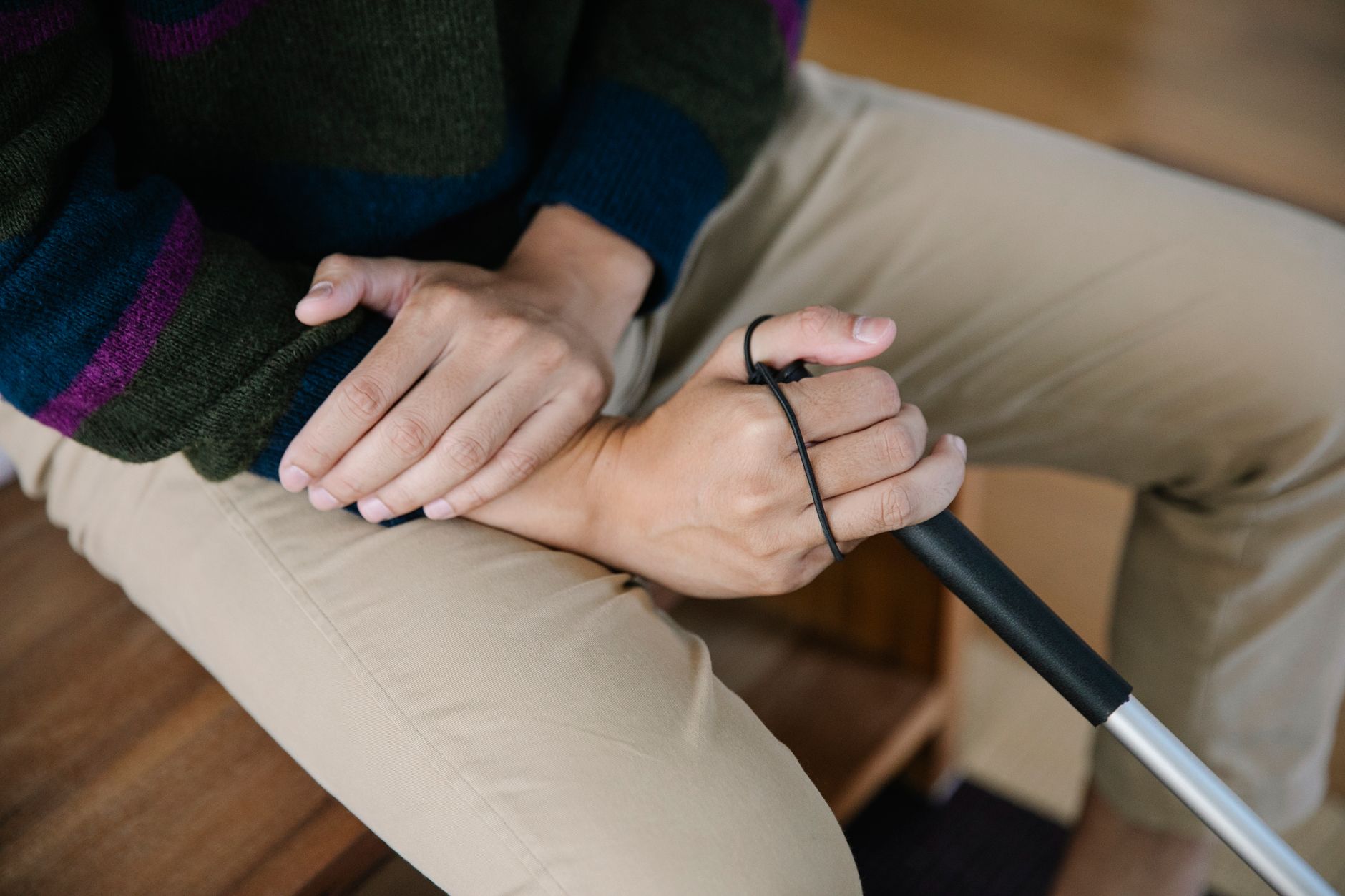
Home modifications, assistive devices, adapted activities, and accepting help when needed allow many people to maintain substantial independence even with mobility changes. A person using a walker or cane who can move safely and independently often has more autonomy than someone who refuses help and becomes housebound by fear.