
Proper lighting in and around the home can reduce nighttime falls by nearly 50 percent, according to research on fall prevention in older adults. When you can see where you’re stepping—in hallways at night, on stairs, and in bathrooms—you’re far less likely to trip, slip, or misjudge a step. A 73-year-old who installed motion-activated lights in her hallway and bathroom noticed within weeks that she felt steadier moving around at night. She stopped gripping the walls for balance and quit shuffling along because she could actually see the floor. That difference in confidence directly translates to fewer falls.
Nighttime falls are among the most serious safety threats facing older adults living at home. The darkness disorients the body’s balance system, hides hazards like throw rugs and furniture corners, and forces people to move tentatively—the very movements that increase fall risk. Yet lighting is one of the cheapest and most effective interventions available. It requires no medical equipment, no prescription, and no special physical training. It’s simply a matter of knowing where to add light and what kinds of lighting work best.
Table of Contents
- Why Do Falls Happen More Often at Night?
- Where Strategic Lighting Makes the Biggest Difference
- Types of Lighting Solutions That Work
- How to Add Lighting Safely and Practically
- Common Problems and Safety Warnings
- Lighting and Medication Interactions
- The Broader Fall-Prevention Picture
- Conclusion
Why Do Falls Happen More Often at Night?
Older adults have naturally worse vision in dim light compared to younger people. The aging eye needs more light to see clearly—sometimes three times as much light as a 20-year-old requires. At night, when the pupils dilate less effectively and the lens clouds slightly, this gap becomes critical. A person who walks confidently through their home during the day can become disoriented in darkness, unable to judge depth, locate obstacles, or gauge distance accurately. When your brain doesn’t have clear visual information, your balance compensates, and balance is a fragile system that declines with age. Falls at night are also more dangerous because people often fall with force.
They’re moving, not expecting an obstacle, and they don’t brace themselves the way they might if they were moving slowly on purpose. A woman in her 80s walking to the bathroom in the dark might step on a pet or catch her foot on carpet, then fall hard rather than simply stumble. The injury rate from nighttime falls is higher than daytime falls, with hip fractures and head injuries more common. Many people also take medications that affect balance or vision—blood pressure medications, sleep aids, pain relievers, and others. Adding darkness to these effects multiplies the risk. A simple light can counteract what the medication does to spatial awareness.

Where Strategic Lighting Makes the Biggest Difference
The most effective lighting strategy focuses on pathways that people use in the dark: the route from bedroom to bathroom, the hallway, the staircase, and transitions between rooms. These are the high-traffic danger zones where falls actually occur. Installing a light that comes on automatically in the bathroom when you open the door or a motion-activated light in the hallway costs less than $20 but prevents the stumble that happens while you’re searching for the light switch. One important limitation is that not all lighting is equally helpful. Harsh overhead lights can create glare and shadows that actually increase fall risk by making it hard to see depth and edges. A man installed bright ceiling lights in his hallway thinking it would help, but he still shuffled carefully because the light bounced off the walls and didn’t illuminate the floor clearly.
He switched to low-level pathway lighting along the baseboards, and his confidence improved immediately. Task lighting—light that illuminates the specific area where hazards exist—works better than ambient lighting. The bathroom is a particular challenge because it combines darkness, wet surfaces, and movement. Installing lighting under the vanity or along the floor creates a clear path to the toilet and bathtub while avoiding the disorientation that comes from turning on a bright overhead light when you’re groggy at 3 a.m. Night lights, despite their simplicity, are underrated. They stay on all night, require no switch, and provide just enough light for the eye to adjust gradually.
Types of Lighting Solutions That Work
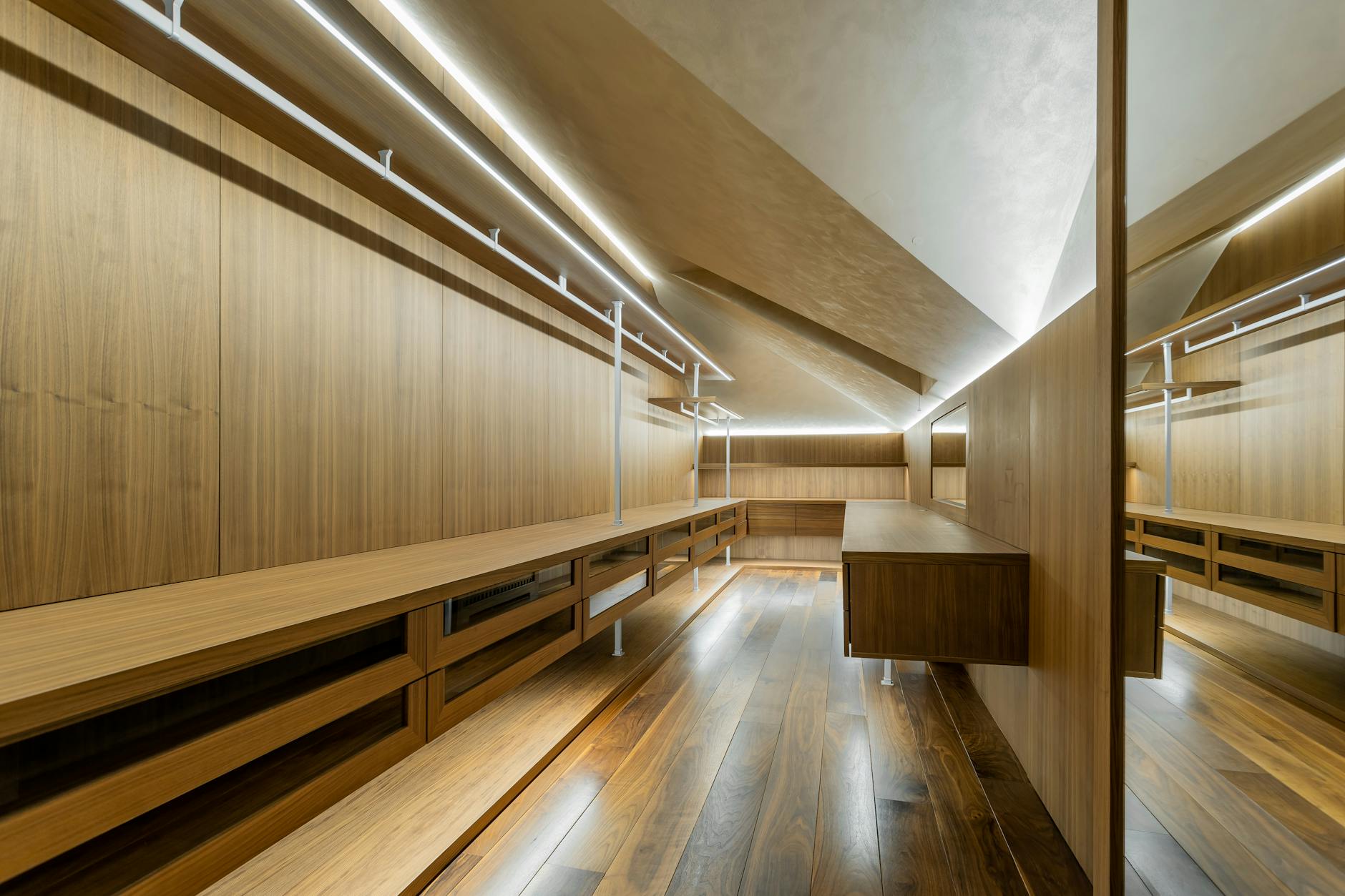
Motion-activated lights are popular because they turn on automatically when you approach, requiring no fumbling for a switch or risk of forgetting to turn something on. They’re particularly useful for hallways and bathroom entry points. LED motion lights consume almost no electricity and can run for years on batteries, making them practical for renters or anyone who doesn’t want to hardwire new circuits. Floor-level or low-level lighting deserves special attention because it illuminates the walking surface directly—the exact thing that prevents falls. A woman installed LED strip lights along the baseboards of her hallway and staircase.
When she gets up at night, the strips provide just enough light to see each step and the floor surface without waking her completely or creating glare. Staircase lighting is critical because stairs are high-risk areas, and darkness makes each step invisible. Edge-lit stair treads or handrail-mounted lights guide the foot to the right spot. Dimmer-controlled lights help with adjustment. Some older adults find bright lights startling and disorienting when they first wake, so being able to set lighting to a lower level helps the eyes adjust gradually. The warmth of the light also matters—warm white (2700K) is less glaring than cool white (5000K) and gentler on the eyes at night.
How to Add Lighting Safely and Practically
Before hiring an electrician, consider whether battery-operated or plug-in solutions might work. For most people, adding motion lights to hallways and bathrooms, installing night lights in key locations, and putting dimmer-controlled lights in bedrooms addresses 80 percent of nighttime fall risk. A low-cost approach might total $100 to $200, while a comprehensive renovation with new wiring could cost $500 or more. The tradeoff between renting and owning matters. Renters often can’t install hardwired lighting, but battery-powered options work well and are portable if you move.
Homeowners can invest in permanent solutions like recessed lights or wired motion sensors, which are more reliable long-term but require upfront cost and possibly permits. A practical middle ground is installing plug-in motion lights on power strips—they’re effective, removable, and completely reversible. Consider the type of housing too. Apartment dwellers might focus on interior pathways and rely on hallway lighting provided by the building. Single-family home residents can add exterior lighting near the bedroom window if it opens to a patio or deck, preventing nighttime falls during emergency egress. Assisted living facilities should have standardized lighting in all hallways and common areas, though family members sometimes find that supplementing with individual night lights in rooms improves resident safety.
Common Problems and Safety Warnings
One frequent mistake is creating tripping hazards while trying to prevent them. Cords from plug-in lights can themselves become obstacles. Extension cords should be taped down securely, and lights should be positioned where people won’t trip over them. A man installed a motion light in his hallway but plugged it into an outlet midway down the wall, creating a cord hazard. He relocated it to a corner outlet, and the problem disappeared. Another warning: lights that are too bright or too sudden can startle someone awake and cause them to move carelessly.
This is especially true for people with cognitive changes or sleep disorders. A gradual dimming schedule or soft light that comes on slowly is safer than a light that flashes to full brightness. Some people also have photosensitive conditions or migraine triggers related to motion-activated lights flickering on. Testing different types of lights before permanent installation is wise. Battery-powered lights require maintenance—checking batteries seasonally and replacing them before they run out. A light that dies without warning is no better than no light at all. Some people use rechargeable lights to reduce this burden, though they require remembering to charge them regularly.

Lighting and Medication Interactions
Certain medications make poor vision in dim light worse. People taking sedatives or pain medications should be especially cautious about nighttime movement and should add extra lighting to compensate. Similarly, those with diabetes or eye conditions like macular degeneration need brighter lighting to see the same detail that a healthy eye perceives.
A 70-year-old with diabetic retinopathy found that standard night lights weren’t sufficient and needed brighter pathway lighting to move safely. Her eye doctor endorsed the extra lighting as a practical accommodation. Consulting with an occupational therapist can help identify which medications create the most fall risk and where lighting would be most effective. Some therapists visit homes and assess lighting as part of a broader fall-prevention plan, making specific recommendations based on individual vision and mobility.
The Broader Fall-Prevention Picture
Lighting alone doesn’t prevent all falls—it’s one tool in a comprehensive approach. Removing tripping hazards like throw rugs, ensuring grab bars are installed in bathrooms, and maintaining strength and balance through exercise are equally important. However, lighting is unique because it’s affordable, non-invasive, and works immediately.
Adding proper lighting to a home often motivates people to make other safety improvements because they’ve experienced the difference that one change can make. Looking forward, smart lighting technology is becoming more accessible. Apps can control lights from bed, timers can ensure lights turn on automatically at set times, and voice-activated systems allow hands-free control. For aging adults who want to stay in their homes longer, these technologies provide practical independence by reducing the fear of falling.
Conclusion
Nearly halving your nighttime fall risk is within reach through strategic lighting. The evidence is clear: people move with more confidence, fewer stumbles, and fewer serious injuries when they can see where they’re walking. The investment is small, the installation is often simple, and the impact on quality of life is significant.
Start by identifying the pathways you use at night and adding motion-activated lights, night lights, or pathway lighting to those areas. Test what types of lighting feel comfortable for your eyes and your sleep. If you’re unsure where to start, an occupational therapist can assess your home and recommend specific improvements. The goal isn’t perfect darkness-defying visibility—it’s enough light to see hazards, maintain balance, and move with confidence when your home is quiet and your eyes are adjusting to night.