
Sleep directly affects how long you live. The relationship between sleep quality and longevity is not theoretical—studies consistently show that people who sleep poorly die younger than those who maintain consistent, quality sleep. A person who sleeps five hours per night has a measurably higher risk of cardiovascular disease, stroke, and earlier mortality compared to someone sleeping seven to eight hours. For aging adults focused on maintaining independence, sleep is not a luxury but a biological requirement for the systems that keep you functional: your heart, immune system, memory, and muscle maintenance all depend on adequate sleep. The connection works in both directions.
As you age, sleep often becomes harder to get, and the consequences compound. Poor sleep accelerates cognitive decline, weakens balance (increasing fall risk), raises blood pressure, and impairs the recovery that keeps muscles strong enough for daily tasks like climbing stairs or getting out of a chair. A 75-year-old who sleeps poorly loses independence faster than one who sleeps well. But this is not inevitable decline—it is a treatable problem. Improving sleep quality can add years to your life and, more importantly, improve the quality of those years.
Table of Contents
- How Does Sleep Quality Affect Your Lifespan?
- Sleep Architecture and Why Older Adults Struggle
- Sleep Disorders That Accelerate Aging
- Practical Steps to Improve Sleep for Longer, Healthier Years
- When Sleep Problems Signal Underlying Medical Conditions
- Sleep Medications and Their Real Risks in Older Adults
- Sleep, Longevity, and Quality of Life in Your Later Years
- Conclusion
How Does Sleep Quality Affect Your Lifespan?
The research is direct: chronic poor sleep shortens life expectancy. A landmark study following over 1 million adults found that those consistently sleeping fewer than six hours had a 12% higher mortality risk over the study period compared to those sleeping seven to eight hours. The effect compounds over decades. Someone with 30 years of poor sleep faces cumulative damage to their cardiovascular system, metabolic regulation, and immune function—the three systems most responsible for aging-related diseases. The mechanism is not mysterious.
During deep sleep, your body does repair work: clearing metabolic waste from the brain (including proteins linked to Alzheimer’s disease), consolidating memories, restoring immune cells, and regulating hormone production. A night of poor sleep interrupts this process. Over months and years, this interruption translates into higher inflammation, worse glucose control, higher blood pressure, and faster cognitive decline. Consider a 68-year-old who switches from five hours to seven hours per night—within six months, their blood pressure often improves, their inflammation markers drop, and their cognitive function steadies. The change is measurable and material to daily function.
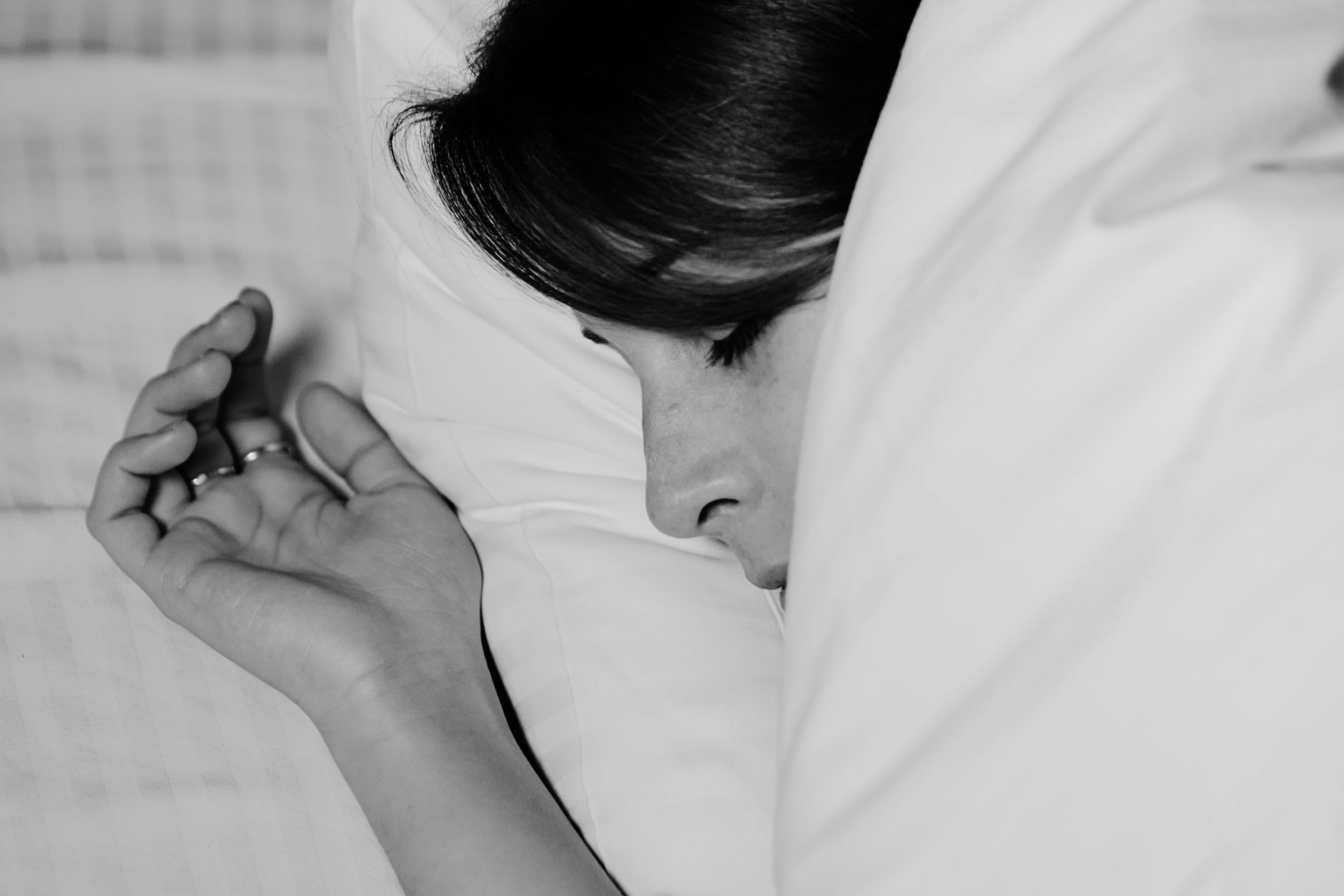
Sleep Architecture and Why Older Adults Struggle
Quality sleep has distinct stages: light sleep, deep sleep, and REM sleep (when dreams occur). Each stage serves different functions. Deep sleep is where most of the physical repair happens; REM sleep is where memory consolidation and emotional regulation occur. Older adults struggle to reach and maintain deep sleep. By age 50, time spent in deep sleep often drops by 30% compared to younger adults. By 70, it can drop 50% or more.
This is not inevitable—medical conditions and medications often drive the decline—but it is common. The culprits are many. Untreated sleep apnea (a breathing disorder common after 60) prevents reaching deep sleep and fragmented sleep throughout the night. Medications for blood pressure, depression, or anxiety often disrupt sleep. Nocturia—waking to urinate multiple times per night—is common in older men and women and prevents sleep continuity. Some decline in sleep quality is age-related, but saying “it’s just aging” and accepting five hours of broken sleep is accepting preventable decline in independence and longevity. A 72-year-old woman with untreated sleep apnea might sleep seven hours but only spend 20 minutes in deep sleep; a 72-year-old without apnea who sleeps six good hours might spend 45 minutes in deep sleep and feel more rested with better cognitive function.
Sleep Disorders That Accelerate Aging
Sleep apnea is the most common serious sleep disorder in older adults and the most damaging to longevity. The condition involves repeated pauses in breathing during sleep—sometimes dozens per hour—that jolt the brain awake and drop oxygen levels. Each arousal triggers a stress response (adrenaline, cortisol) and spikes heart rate and blood pressure. Over years, this pattern dramatically increases stroke and heart attack risk. A 66-year-old man with untreated severe sleep apnea has roughly 3 times the risk of sudden cardiac death compared to a man without apnea.
Treating it—with a CPAP machine or other device—can reduce this risk substantially. Restless leg syndrome (an urge to move the legs, usually at night) and periodic leg movements (involuntary leg kicks during sleep) are also common and often go untreated. These fragment sleep and prevent deep sleep, leading to daytime fatigue and increased accident risk. Insomnia—difficulty falling or staying asleep—becomes more common with age, especially after major life changes (retirement, illness, loss of a spouse). The challenge is that many people assume poor sleep is normal aging and never seek help, when in fact treatable conditions are often responsible.

Practical Steps to Improve Sleep for Longer, Healthier Years
The most effective interventions are behavioral and medical, not pharmaceutical. Cognitive behavioral therapy for insomnia (CBT-I) is the gold standard treatment and outperforms sleep medications in both immediate effectiveness and long-term results. It works by identifying and changing the thoughts and behaviors that keep you awake—worrying in bed, irregular sleep schedules, napping too much during the day. A 70-year-old who follows a structured CBT-I program for six weeks typically sees dramatic improvement and maintains it years later, while someone taking a sleeping pill may see short-term improvement but often builds tolerance.
Consistency matters more than duration. Going to bed and waking at the same time every day—even weekends—regulates your circadian rhythm and improves sleep quality. Someone sleeping six consistent, good-quality hours often functions better than someone sleeping eight fragmented hours. Creating sleep conditions also matters: a dark room (even small lights from devices degrade sleep), a cool temperature (around 65-68°F is optimal for most people), and no screens for at least an hour before bed all measurably improve deep sleep. Exercise improves sleep, but timing matters—vigorous exercise should be done before 3 p.m., not close to bedtime, or it can overstimulate the nervous system.
When Sleep Problems Signal Underlying Medical Conditions
Poor sleep often is not the primary problem—it is a symptom. A sudden change in sleep quality at age 62 or 73 warrants a medical evaluation, not just lifestyle changes. New-onset insomnia can signal depression, anxiety, untreated pain (arthritis, back pain), heart disease, or thyroid problems. Excessive daytime sleepiness can indicate sleep apnea, narcolepsy, or medication side effects. Waking multiple times per night to urinate (nocturia) can reflect prostate issues, diabetes, heart failure, or urinary tract infections.
The warning: do not assume poor sleep is normal aging and treat it yourself. A sleep study is inexpensive (often covered by insurance) and can identify sleep apnea, periodic leg movements, or other conditions that a doctor can treat. Treating the underlying condition often resolves the sleep problem and has profound effects on independence. A 67-year-old woman treated for untreated sleep apnea often reports feeling 10 years younger within weeks—clearer thinking, more energy, and ability to exercise again. Without diagnosis and treatment, she would simply deteriorate, losing independence gradually while thinking it was just aging.

Sleep Medications and Their Real Risks in Older Adults
Prescription sleeping pills (benzodiazepines, non-benzodiazepine hypnotics like zolpidem) are widely prescribed to older adults despite evidence they increase fall risk, cognitive decline, and dependency. Research shows these medications are more likely to cause harm than benefit in people over 65. They increase the risk of falls by 40-50% in older adults, which at 70+ can mean the difference between independence and a nursing home after a hip fracture. They can also impair cognitive function and increase risk of memory problems over time.
Over-the-counter sleep aids containing antihistamines (like diphenhydramine) are equally problematic. They cause daytime grogginess, constipation, urinary retention, and cognitive impairment—particularly in older adults. A 74-year-old taking nightly antihistamines to sleep might not realize that their worsening confusion and increased falls are caused by the medication. The better approach: identify and treat the cause of poor sleep (sleep apnea, inconsistent schedule, pain, depression) rather than masking it with a medication that impairs function.
Sleep, Longevity, and Quality of Life in Your Later Years
The value of good sleep extends beyond the years you live to the quality of those years. Good sleep preserves cognitive function, reduces dementia risk, maintains muscle mass (deep sleep is when growth hormone is highest), and supports immune function—crucial for fighting infections and recovering from illness. For someone focused on aging in place, good sleep is as important as physical therapy and medication. A 78-year-old with good sleep quality has better balance, faster reaction time, better memory, and more energy to stay active—all factors that support independence.
Research on longevity interventions consistently shows that sleep quality is one of the most modifiable factors. Unlike genetics (which you cannot change), sleep is something you can directly improve at any age. Studies of centenarians (people living past 100) show that adequate sleep is common among them. Sleep is also linked to how you experience aging—people with good sleep have better mood, lower anxiety, and report better quality of life. This is not about living forever; it is about living the later years of your life with energy, clarity, and independence.
Conclusion
Sleep is one of the strongest modifiable predictors of how long you live and how well you live in your later years. Poor sleep accelerates aging, increases disease risk, and erodes independence. But unlike many aging-related changes, poor sleep is often treatable. Whether the cause is sleep apnea, inconsistent sleep schedules, medical conditions, medications, or behavioral patterns, identifying and addressing it can add years of healthy life and improve daily function immediately.
If you are over 60 and struggling with sleep, start with a conversation with your doctor. A sleep study can identify treatable conditions. A sleep specialist or trained therapist can provide behavioral strategies that outperform medication. For aging adults focused on maintaining independence and quality of life, investing in sleep quality is investing directly in your future health and capability.