
When your parent with dementia looks at you without recognition, the moment can feel devastating—a loss that happens while they’re still physically present. The honest answer is that you cannot make them recognize you, but you can adjust your expectations, shift your approach to interaction, and find meaning in the connection that remains. If your mother once called you by your childhood nickname and now calls you “dear” or “that nice person,” this represents a common progression in dementia where the emotional relationship sometimes persists even after factual memory dissolves. The emotional weight of this experience is real and worth acknowledging upfront.
Many adult children describe it as grief that arrives in installments—each moment of non-recognition is a small death of the parent they knew. At the same time, thousands of families navigate this daily and discover that the relationship doesn’t end; it simply transforms into something different. Your role shifts from being recognized as their child to being recognized, perhaps, as someone safe and familiar. That shift is difficult but survivable.
Table of Contents
- Why Does a Parent With Dementia Stop Recognizing Their Own Children?
- The Stages of Recognition Loss in Dementia
- The Emotional Impact on Adult Children and Spouses
- Strategies to Navigate Non-Recognition in Conversation
- When Non-Recognition Becomes Severe and Safety Becomes Complex
- Creating Connection When Recognition Isn’t Possible
- When to Seek Additional Support and Resources
- Conclusion
- Frequently Asked Questions
Why Does a Parent With Dementia Stop Recognizing Their Own Children?
Dementia damages the brain regions responsible for memory formation and retrieval. Recognition isn’t a single neural process—it requires the brain to store a memory (knowing who you are), retrieve that memory when you appear, and connect it to your face or voice in the present moment. In Alzheimer’s disease and other dementias, these connections break down progressively. Early-stage dementia might mean your parent forgets your job or your spouse’s name but still knows you’re their child. Middle-stage dementia often brings selective recognition—they remember you sometimes and not others, or they recognize you in familiar settings but not in new environments.
Late-stage dementia typically means they recognize few or no people, sometimes not even themselves in mirrors. The timeline varies dramatically. Some people show signs of non-recognition within a year or two of diagnosis; others retain recognition of primary caregivers for many years. There’s no reliable predictor of who will lose recognition and when. Your parent might forget you but remember a sibling they haven’t seen in decades, or vice versa. The randomness is part of what makes this experience so disorienting—there’s no logical pattern to cling to.
The Stages of Recognition Loss in Dementia
Recognition doesn’t disappear all at once like a light switch. It fades unevenly, and understanding the progression helps you prepare emotionally and practically. In the early stage, your parent might forget details about you—your job, your children’s names, recent events—but they remember your basic identity and relationship. They might ask “how’s work?” repeatedly because they’ve forgotten they already asked, but they still know you work somewhere. You’re still their child, just someone they now need context about. In the middle stage, the gaps widen. Your parent might greet you as if they haven’t seen you in years when you visited yesterday. They might mistake you for a younger version of yourself, or confuse you with another family member.
Some experience what’s called “sundowning,” where recognition is better in the morning and disappears by evening, making one day feel like two different people. This inconsistency is important to understand because it means non-recognition isn’t constant—it’s episodic and variable. A difficult visit one day might be followed by a moment of clarity the next. This variability is also exhausting because you can’t predict which version of your parent you’ll encounter. In late-stage dementia, recognition of anyone becomes rare. Your parent may not react to their own name or may regard you with the polite distance they’d show a stranger. At this stage, the goal shifts entirely from being recognized to providing comfort and presence. Many families report that even non-recognition doesn’t prevent moments of connection—a parent who doesn’t know your name may still respond to your touch, your voice, or your presence in ways that suggest some part of them knows you’re safe.
The Emotional Impact on Adult Children and Spouses
Being unrecognized by your parent is a specific kind of grief that combines loss with continued presence. Unlike grief after death, where you’re mourning someone no longer there, this grief exists alongside a living person who doesn’t know you. Many adult children report feeling unseen twice—first by their parent’s disease, and second by a world that doesn’t fully acknowledge how painful this particular loss is. You can attend a support group and hear others describe the exact same moment: your parent looks at you and asks, “Do I know you?”—and you don’t know whether to laugh or cry.
The emotional load intensifies if you’re also a primary caregiver. You might be the person bathing, dressing, and feeding your parent while they regard you as an intrusive stranger. Some describe this as a form of betrayal by the disease—you’re doing the intimate work of caregiving for someone who doesn’t even know who you are. The lack of recognition removes one of caregiving’s small rewards: being thanked, being remembered, being known as the person who shows up. This is a limitation of dementia caregiving that no strategy fully resolves, though some families find it helpful to reframe it as an act of love given without the expectation of acknowledgment.
Strategies to Navigate Non-Recognition in Conversation
When your parent doesn’t recognize you, reorienting them to your identity is usually better than simply correcting them or saying “I’m your daughter.” Instead, provide your identity within the conversation: “Hi, Mom—it’s Janet, your daughter. I came to have lunch with you today.” This approach gives them information without the frustration of being told they should already know. Some parents respond better to context: “I’m here to visit you. We usually talk about your garden. Remember the tomato plants?” You’re not trying to force recognition; you’re providing scaffolding that helps them locate you within their understanding of the world.
Avoid correcting their mistakes or getting caught in logical arguments about who you are. If your parent insists they don’t have a daughter named Jennifer, arguing facts won’t change their brain chemistry. What will help is a gentle redirection: “I’m the person who visits you on Wednesdays. Let’s sit down together.” Some families find it easier to accept the alternative identity their parent assigns them—if your mother calls you “that kind nurse” instead of by your name, does it matter? You’re still providing the care, still present. This is a tradeoff: accepting a false identity preserves peace and reduces frustration, but it also means surrendering your actual identity in the relationship.
When Non-Recognition Becomes Severe and Safety Becomes Complex
As dementia progresses and non-recognition becomes complete, you face new practical challenges beyond the emotional ones. Your parent might become defensive or frightened around you because you’re a stranger in their space. Some become aggressive toward people they don’t recognize, which can make caregiving and visits physically difficult. Others become withdrawn and won’t engage with you at all. These severe reactions don’t mean your presence is unwanted—they’re the dementia brain’s response to an unknown person in a familiar environment or an unfamiliar person in any context.
One significant limitation to understand: you cannot shame, convince, or love someone out of non-recognition. You cannot have a breakthrough conversation that restores their memory of you. Some families spend years trying different approaches—showing photo albums, telling family stories, visiting at different times of day—hoping to trigger recognition. While any of these might occasionally produce a moment of clarity, they won’t reverse the disease. The real work isn’t about restoring recognition; it’s about adjusting what you expect from visits and interaction. Some families report that letting go of the goal of being recognized actually improves the quality of time spent together, because they’re no longer grieving what’s lost and can focus on what’s present.

Creating Connection When Recognition Isn’t Possible
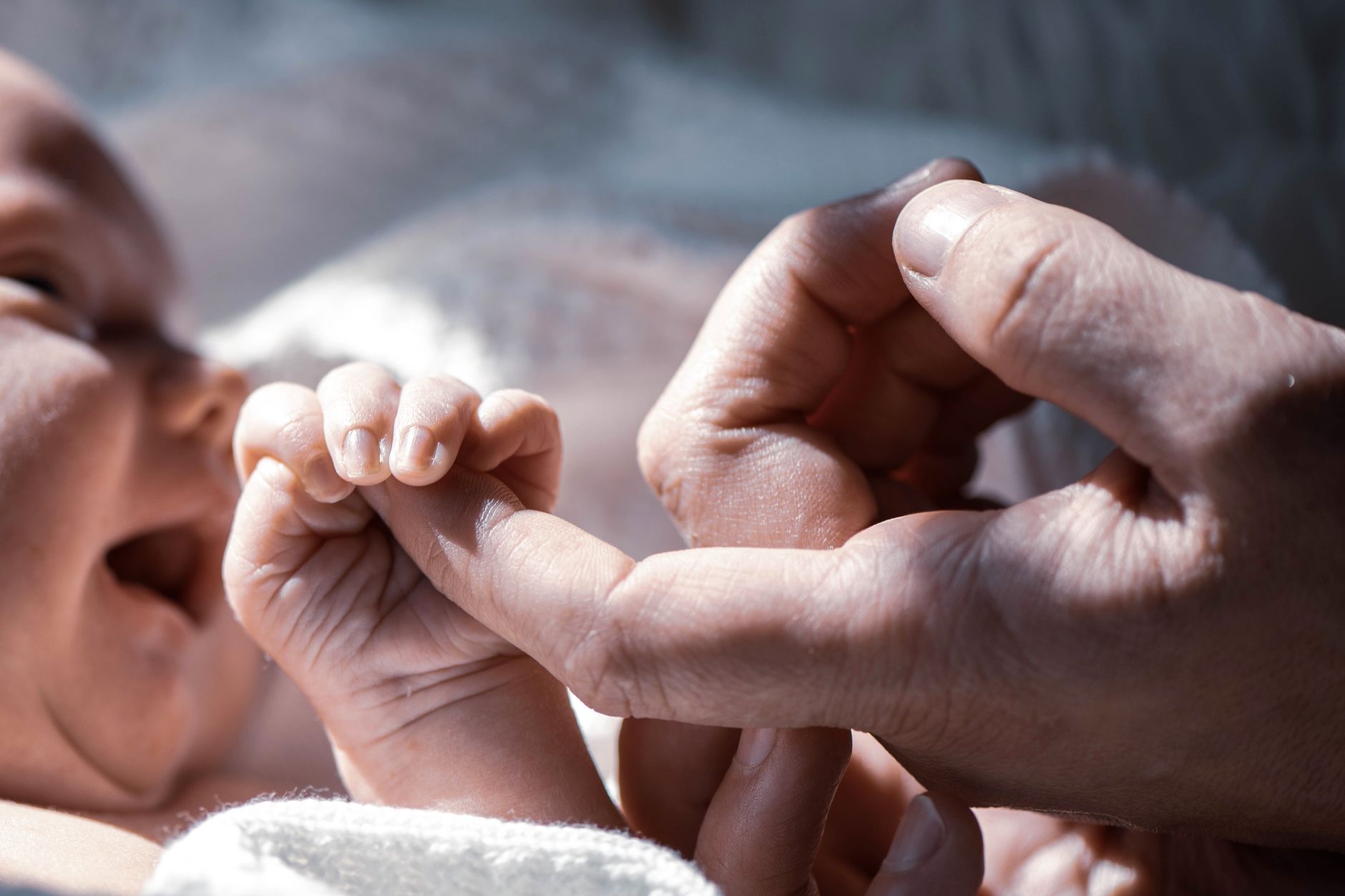
Connection exists on multiple levels, and recognition is only one of them. Your parent can respond to your presence, your touch, your voice, or your calm demeanor even without knowing who you are. Many families discover that non-verbal communication—sitting quietly together, playing soft music, gentle hand-holding, or being present during their favorite activity—creates moments of genuine contact. One daughter reported that her mother didn’t recognize her by name in her final year, but would visibly relax when she held her hand, suggesting some deep brain-level recognition that this person was safe.
These non-verbal connections matter. They’re not a substitute for recognition, but they’re also not nothing. Your parent may not know you’re their child, but they know you’re someone calm, someone reliable, someone who shows up. In the later stages of dementia, this consistency becomes incredibly valuable. Some people find meaning in showing up as the person who is “safe” or “familiar” even if the recognition of relationship is gone.
When to Seek Additional Support and Resources
As non-recognition progresses and becomes part of a larger pattern of decline, it’s worth evaluating what kind of support you actually need. Some families benefit from support groups specifically for adult children of parents with dementia—spaces where you don’t have to explain why it hurts to be unrecognized. Others find individual therapy helpful for processing the grief of losing a parent to a disease that’s still present. Professional support isn’t a sign of weakness; it’s a practical tool for managing an genuinely difficult situation.
Consider also whether you need to adjust your caregiving expectations or arrangements. If you’re a primary caregiver and your parent’s non-recognition is creating dangerous situations or significant stress, it might be time to explore day programs, respite care, or eventual residential care. Staying involved in your parent’s life doesn’t require being their sole caregiver. Sometimes the kindest thing you can do is ensure they’re cared for by people who are emotionally fresh and able to show up consistently, while you maintain your own presence in a way that doesn’t deplete you.
Conclusion
When your parent with dementia doesn’t recognize you, there is no perfect response—only the choice to grieve what’s lost while remaining present for what remains. You cannot restore their recognition through effort or love, and that limitation is worth accepting early rather than fighting it for years. What you can do is adjust your expectations of visits, find meaning in non-verbal connection, and build a relationship with your parent that doesn’t depend on them knowing who you are.
The transition to being unrecognized by your parent is among the hardest parts of dementia caregiving, and it’s normal to struggle with it even while understanding it logically. Consider reaching out to professional support, support groups, or trusted people in your life who understand dementia. Your parent’s disease is not a reflection on the love you shared or the person you are. Some of the most meaningful moments of dementia caregiving happen in the presence of non-recognition—when you show up anyway, not to be remembered, but to provide care and presence to someone who was once the central person in your life.
Frequently Asked Questions
My parent sometimes recognizes me and sometimes doesn’t. Is this normal?
Yes, this is extremely common. Recognition often comes and goes before disappearing entirely. Factors like time of day, stress level, environment, and recent events all influence whether recognition happens on any given day. Some days will feel like a step backward.
Should I correct my parent when they call me by the wrong name or ask if we’ve met?
Gently providing information (“I’m your daughter, Sarah”) is usually better than correcting them directly. Arguing or insisting they should remember typically increases frustration. The goal is to provide context, not to prove they should know you.
Will my parent eventually recognize me again if I keep visiting?
Dementia is progressive, not cyclical. While you might experience moments of clarity or periods where recognition returns temporarily, the overall trend is toward worsening memory loss, not recovery. Keeping this realistic expectation helps prevent repeated disappointment.
Is it okay to visit less often if the non-recognition is too painful?
Your emotional well-being matters. If visits are significantly harming your mental health, exploring different visit patterns—shorter visits, visits at better times of day, or visits focused on specific activities—may be healthier than forcing yourself through visits that feel unbearable. Consistency matters, but so does your survival.
Can I do anything to help my parent remember who I am?
There’s no technique that reliably restores recognition. Photo albums, storytelling, or visiting at certain times might produce momentary clarity, but they won’t reverse the disease process. The real progress comes in accepting non-recognition and building connection in other ways.
What if my parent seems upset or afraid around me when they don’t recognize me?
This is challenging and common. Try lowering your voice, moving slowly, keeping visits shorter, and focusing on activities they enjoy. If non-recognition creates significant behavioral or safety problems, discuss medication or environmental adjustments with their healthcare provider or care team.