
The conversation needs to happen, but you have to approach it as a problem to solve together rather than a decision you’re imposing. Start by acknowledging that driving means independence, freedom, and identity—especially for someone who has spent decades behind the wheel. Then move directly to the specific safety concerns you’ve noticed: slower reaction times, near-misses, difficulty reading road signs at night, or anxiety about highway speeds. Frame it as “I’ve seen some changes that worry me, and I want to talk about how we keep you safe and independent,” not “You’re too old to drive.” The goal is to have a real conversation where your parent feels heard, not attacked. Getting this right requires patience and multiple conversations over weeks or months, not one ultimatum.
Many adult children make the mistake of ambushing their parents with demands to stop driving altogether, which triggers defensiveness and denial. Your parent didn’t spend fifty years behind the wheel to surrender their keys based on one conversation. Instead, you’re looking for gradual agreement—first about getting a driving evaluation, then perhaps restricting driving to familiar routes during daylight, and eventually, if testing shows they shouldn’t be driving, working toward accepting that reality together. The hardest part is that you might be right about the danger, and your parent might still refuse to stop. In that case, you have to be prepared to set boundaries while maintaining the relationship. That means accepting that you cannot force someone to stop driving—you can only control your own response if they continue.
Table of Contents
- Why Is Your Parent So Resistant to Stopping Driving?
- How to Start the Conversation Without Triggering Defensiveness
- The Role of Professional Driving Evaluations
- Negotiating Restrictions and Alternatives Before Stopping Driving Entirely
- What to Do If Your Parent Refuses and You Believe They’re Unsafe
- Addressing the Emotional Impact on Your Parent and Your Relationship
- Building Your Support System and Setting Boundaries
- Conclusion
- Frequently Asked Questions
Why Is Your Parent So Resistant to Stopping Driving?
Most older adults aren’t stubborn about driving to be difficult. Driving represents the last major symbol of independence, and losing it feels like losing control of their own life. For someone who has always been the caregiver, the provider, the person who handles logistics, being dependent on others for transportation is humiliating. They may also not believe the risk is real, especially if they haven’t had an accident. They might say “I’ve been driving for 60 years without a major accident” or “I know my own limits”—and to them, that feels true because they’re not comparing themselves to a 40-year-old driver, they’re comparing themselves to their peers, some of whom have stopped driving or lost cognitive function more obviously.
There’s also fear underneath the resistance. Your parent may know, on some level, that something is changing, but stopping driving means confronting aging, mortality, and dependence all at once. It’s easier to deny the problem than to face it. Additionally, many rural and suburban areas offer no reliable transportation alternative. If your parent lives in a place where you can’t get groceries, attend doctor appointments, or visit friends without a car, asking them to stop driving isn’t just asking them to give up independence—it’s asking them to become isolated.

How to Start the Conversation Without Triggering Defensiveness
Begin by picking the right time and place. Don’t ambush your parent in front of other family members, don’t bring it up when they’re tired or stressed, and don’t do it right after a close call or minor accident when emotions are high. Instead, ask for a private conversation: “I want to talk about something that’s been on my mind. Is now a good time?” This signals respect and gives your parent a chance to brace themselves rather than feeling attacked. Use “I” statements focused on specific observations, not judgments. Instead of “You’re too old to drive” or “Your reflexes are shot,” say something like: “I’ve noticed you seemed frustrated with the glare on the highway last time we drove together” or “I’ve seen you miss some exits lately, and it made me worry about your safety.” These observations invite discussion rather than argument.
Avoid comparisons to other older people or families—that will only make your parent feel singled out and defensive. It’s also important to acknowledge the real loss involved. Say something like “I know driving means everything to you. You’ve been independent your whole life, and I’m not asking you to give that up lightly.” One crucial limitation: this approach assumes your parent is still cognitively able to have a reasonable conversation. If your parent has advanced dementia, mild cognitive impairment, or severe denial, a single conversation won’t work. You may need to involve their doctor, a geriatric care manager, or a professional mediator. Some states also allow adult children to petition for mandatory driving evaluations based on safety concerns.
The Role of Professional Driving Evaluations
A professional driving assessment isn’t just a way to settle the argument—it’s a concrete, objective measure that takes the pressure off you as the bad guy. A certified driving rehabilitation specialist will give your parent a behind-the-wheel evaluation that tests reaction time, vision, spatial awareness, and decision-making in real traffic. These evaluations often reveal specific problems that neither you nor your parent noticed. For example, your parent might learn that they fail the peripheral vision test but pass reaction time, which means they could still drive with modified mirrors or restrictions, or conversely, that they have a cognitive delay that affects highway driving but not local streets. Frame the evaluation as something for both of you: “I want to know what the experts think, not just what I think, because I care about your safety and your independence.” If your parent refuses a professional evaluation, you can ask their doctor to recommend one during a routine appointment.
Many insurance companies offer discounts for seniors who complete a driving course, which is another non-threatening way to introduce the idea. The limitation here is cost and availability. A comprehensive driving evaluation typically costs $300 to $800 and may require travel to a specialized facility. Some areas have waiting lists of several months. If your parent can’t afford it or access it easily, you’ll need an alternative approach—which might include a simpler vision and reaction-time screening at their primary care doctor’s office.
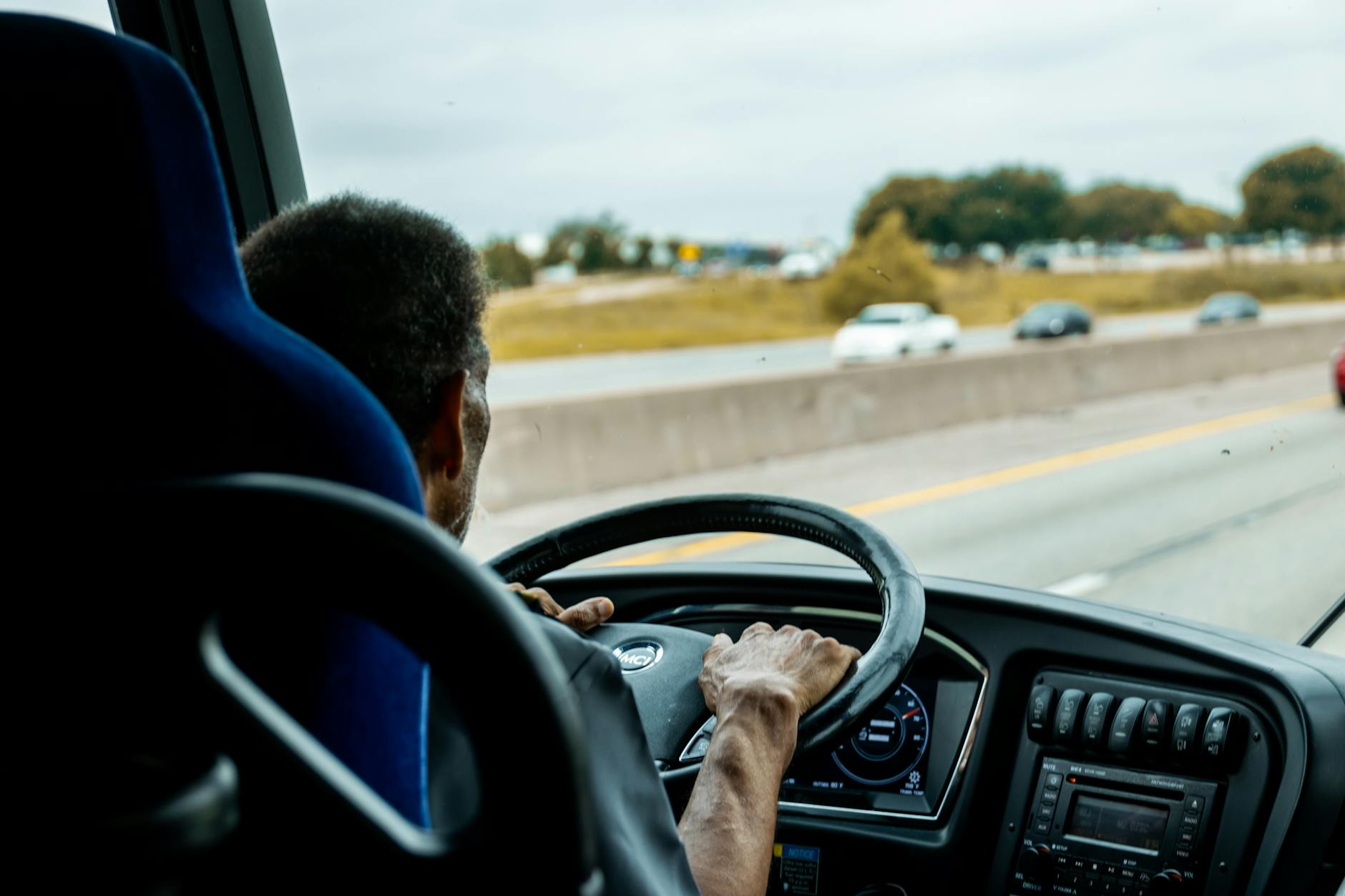
Negotiating Restrictions and Alternatives Before Stopping Driving Entirely
Not every older driver needs to quit driving altogether. Some people can safely drive locally during daylight hours but shouldn’t drive on highways, in heavy traffic, or at night. Your parent might be able to drive to the grocery store or their doctor’s office but shouldn’t make a two-hour road trip. Starting with restrictions instead of a ban is often more acceptable to your parent and may be the realistic middle ground. Work with your parent (or their doctor or driving evaluator) to identify specific limits: “You drive during daylight on routes you know well, but highway driving at night is off-limits” or “You drive for short trips under 15 minutes, but longer routes you let me handle.” Put it in writing so there’s no confusion later, and check in every six months to see if the limits still make sense or need to tighten.
At the same time, actively help your parent build alternatives. This is critical and often overlooked. If you’re asking your parent to stop driving, you have to solve the transportation problem. That might mean arranging regular rides from friends, setting up a volunteer driver service, exploring ride-sharing apps, or taking your parent to appointments yourself. The comparison here is important: if your parent has reliable, dignified transportation alternatives, giving up driving is much less of a loss.
What to Do If Your Parent Refuses and You Believe They’re Unsafe
If your parent fails a driving evaluation, refuses one, or continues driving despite clear safety concerns, you reach a point where you have to decide what you’re willing to accept. You cannot force your parent to stop driving if they refuse and are legally allowed to drive. Some adult children ultimately accept the risk because they’ve reached the limit of what they can reasonably do. Others decide that the risk is too high and they need to take more drastic action. One warning: this is where family conflict often escalates. If you call your parent’s doctor, report them to the DMV, or disable their car without their knowledge, you may solve the immediate safety problem but you will likely damage the relationship significantly. Your parent may feel betrayed, stop confiding in you, or become more isolated and depressed.
These actions should be last resorts, not first steps, and they should be considered only if your parent has a condition like advanced dementia where they cannot make informed decisions. A middle ground is to be transparent: “If I see you driving in unsafe ways, I’m going to talk to your doctor about it” or “I’m going to report my concerns to the DMV.” Then follow through if needed. At least your parent knows what to expect. Another limitation is legal and practical. Many states don’t allow family members to anonymously report drivers to the DMV—your parent will likely learn it was you. Some states have mandatory reporting laws for doctors and certain professionals but not for family members. The laws vary significantly, so research your state’s specific rules.

Addressing the Emotional Impact on Your Parent and Your Relationship
Losing the ability to drive often triggers depression, grief, and a crisis of identity. Your parent may mourn the loss even as they logically understand it’s necessary. Some people respond by withdrawing socially, becoming less interested in activities, or directing anger toward the family member who “forced” them to stop driving. You need to prepare for this emotional fallout and understand that it’s a legitimate grief response, not just stubbornness. Staying connected and involved helps.
Regular visits, maintaining social connections, engaging your parent in activities they enjoy, and making sure they feel valued for who they are—not just what they can do—makes a huge difference. A specific example: one adult daughter arranged for her father to help sort through family photo albums and write memories down after he stopped driving. He went from feeling useless to feeling like he was doing something important for the grandchildren. It didn’t erase his loss, but it gave him a sense of purpose. At the same time, recognize that you cannot fix the loss for your parent. You can only acknowledge it, grieve it alongside them, and help them build a life that still feels meaningful.
Building Your Support System and Setting Boundaries
You can’t have this conversation alone. Before you talk to your parent about driving, talk to your siblings, your parent’s spouse if applicable, and your own partner or therapist. Get on the same page about what you’re observing and what you want to happen. If one sibling thinks Dad should stop driving immediately while another thinks everything is fine, your parent will play you against each other and the conversation will collapse.
You also need support because managing your parent’s resistance and potentially making difficult decisions (like reporting them to the DMV) is emotionally taxing. Look ahead to what happens next. If your parent does stop driving, what does their life look like? Who provides rides? How do they get to medical appointments? Can they access social activities? Where will they live if they can no longer drive to their own home? These aren’t just logistical questions—they shape what stopping driving actually means for your parent’s independence and quality of life. The sooner you start problem-solving these issues, the better prepared you’ll be when the driving conversation reaches a conclusion.
Conclusion
Talking to your parent about driving requires patience, respect, and the understanding that you’re not actually in control of the outcome—you can only control how you approach the conversation and what boundaries you set afterward. Start early, be specific, involve professionals, and negotiate compromises before demanding a complete stop. The goal isn’t to win an argument; it’s to keep your parent safe while preserving as much of their independence and dignity as possible.
If your parent refuses and you believe the risk is genuine, you’ll have to accept that you’ve done what you reasonably can, set clear boundaries about what you will and won’t do, and prepare yourself for the possibility that your parent may continue driving despite your concerns. That’s a hard place to be, but you’re not the first adult child to face it, and it doesn’t mean you’ve failed. What matters is that you tried to address the problem honestly and that you stay connected to your parent through whatever comes next.
Frequently Asked Questions
When should I start this conversation—how do I know it’s time?
Start when you notice specific safety changes: slower reaction times, difficulty with vision (especially at night), anxiety while driving, getting lost on familiar routes, or minor accidents. Don’t wait for a crisis. Most experts recommend raising the conversation before it becomes an emergency.
What if my parent gets angry when I bring this up?
Expect defensiveness. Your parent may deny the problem, blame external factors, or accuse you of being disrespectful. Stay calm, don’t argue, and try again in a few weeks. Sometimes it takes multiple conversations before your parent is ready to listen. You can’t force acceptance.
Can I legally report my parent to the DMV?
It depends on your state. Some states allow any citizen to report safety concerns to the DMV; others require reports to come from doctors or law enforcement. Check your state’s specific rules before deciding to report, because your parent will likely find out it was you and it may damage your relationship.
What if my parent has dementia and can’t make good decisions about driving?
If your parent lacks the cognitive ability to understand the safety risks, you may need to take more direct action. Consult with their doctor, a lawyer, or a geriatric care manager about your legal options. In some cases, you may have the power to restrict their driving or report them without their consent, but this varies by state and by the severity of their condition.
My parent refuses to stop driving and I’m terrified. What do I do?
This is one of the hardest situations adult children face. You can encourage a professional evaluation, involve their doctor, set boundaries about whether you’ll ride with them, and in some cases report your concerns to the DMV. But ultimately, if your parent is legally allowed to drive and refuses to stop, you cannot force them. You can only control your own choices and accept that some risks are beyond your control.
What transportation alternatives actually work?
The best alternatives depend on where your parent lives. In urban areas, ride-sharing apps, public transit, or volunteer driver services may work. In rural areas, rely on family, friends, or paratransit services for seniors. The key is that the alternative has to be reliable, affordable, and accessible—not something that makes your parent feel dependent or diminished.