
The line between independence and unsafe behavior doesn’t exist as a single bright boundary—it’s a gray zone that shifts with each person’s changing abilities and circumstances. When a parent insists on driving despite failing vision or when someone continues living alone after a bad fall, the question isn’t whether independence itself is good or bad. It’s about recognizing when the cost of maintaining autonomy has started to outweigh the benefit. Consider Margaret, 74, who refused to stop cooking after minor burns and cuts became more frequent.
Her daughter didn’t force the issue immediately; instead, she asked a direct question: “What does staying independent in the kitchen actually mean to you?” Margaret’s answer—control over what her family ate—led to a different solution than simply removing her from the kitchen entirely. The emotional reality is that independence isn’t just practical; it’s wrapped up in identity, self-respect, and the fear of becoming a burden. Suggesting that an aging parent or older family member scale back their independence can feel like a rejection, a step toward dependence, or even a slow erasure of who they are. But drawing the line with love means having the honesty to acknowledge unsafe patterns while respecting what that person truly values about autonomy. It’s not about deciding for someone that they’ve lost the right to take risks—it’s about helping them make informed choices about which risks matter most.
Table of Contents
- How Do You Know When Independence Is Becoming Dangerous?
- The Hidden Costs of Avoiding the Conversation
- The Conversation: How to Draw the Line With Actual Love
- Scaling Back Doesn’t Mean Starting Over
- When Good Intentions Collide With Reality
- The Role of Technology and Practical Solutions
- The Relationship Between Independence and Dignity
- Conclusion
- Frequently Asked Questions
How Do You Know When Independence Is Becoming Dangerous?
The signs often appear in small, easy-to-dismiss ways before they become crisis points. Repeated near-misses in the kitchen. Medication bottles with confusing schedules scattered across a bathroom counter. A car with a new dent, followed by a vague explanation. Social withdrawal that might look like preference for solitude but is actually driven by fear of embarrassment or failure. Someone who stops leaving the house because stairs have become frightening.
These aren’t always dramatic moments; they’re the accumulation of small failures that add up to a real safety risk. What makes this especially tricky is that capability isn’t linear. An older adult might manage finances with perfect accuracy but struggle with physical safety. Someone might have sharp memory and solid judgment but have lost the reflexes needed to drive safely. Another person might be physically capable but make increasingly poor decisions due to early cognitive changes. A 79-year-old who recovers well from surgery and wants to go home alone is different from one who has had a recent fall plus a UTI that caused confusion. The real assessment isn’t “Is this person independent?” but “In which specific areas are they safe, and where have things changed?”.

The Hidden Costs of Avoiding the Conversation
Families often delay this conversation because they’re hoping things will stabilize or because they don’t want to hurt feelings. But silence creates its own dangers. When nobody addresses that a parent is forgetting to eat properly, malnutrition slowly weakens them. When adult children don’t ask about driving because they don’t want conflict, they’re gambling with their parent’s life and the lives of strangers. When someone lives alone and nobody checks on their safety systems, a fall that would be recoverable with quick response becomes catastrophic. The delay also means the person facing declining abilities doesn’t get to participate in planning. They don’t get a say in what changes and what stays the same.
They lose the chance to gradually adjust to new realities rather than having independence suddenly stripped away by crisis. An 82-year-old man who voluntarily moves to a community with some built-in support because his family helped him see it was the right choice experiences this very differently than one who’s forced into it after a stroke. The practical outcomes might be similar, but the emotional impact is completely different. There’s also a trap in assuming someone wants to maintain independence in every area equally. Some people would trade cooking freedom for greater safety without a second thought, while others would choose to stay in a risky living situation rather than lose that autonomy. You don’t know which unless you ask. And you can’t ask until you’re willing to have the conversation.
The Conversation: How to Draw the Line With Actual Love
Starting this conversation requires both honesty and respect. The worst approach is to blindside someone with a fully formed plan about how their life will change. Better is to begin with observation and curiosity: “I’ve noticed you’ve mentioned a few close calls in the kitchen. How are you feeling about cooking these days?” or “Your hands seem stiffer lately—is there anything that’s gotten harder to do?” This creates space for someone to share what they’re already aware of without feeling ambushed. The goal in early conversations isn’t to convince someone to give something up. It’s to build shared understanding. Someone might deny that their balance has worsened until they’ve tripped twice in front of you.
They might not connect their confusion about medications to why they’ve felt foggy. Part of drawing the line with love is helping someone see what you’re seeing, not just telling them about it. Once there’s some shared reality about what’s changed, the conversation shifts to values. “You’ve always loved maintaining your own home. What matters most about that to you?” or “You mention wanting to stay in this house. What would make that feel safe enough that we could both stop worrying?” These questions let you find solutions that honor what someone actually cares about rather than just removing risk entirely. That same man who loves his home might accept a medical alert system, a weekly cleaning service, or having someone check in daily if those things mean he gets to stay put.
Scaling Back Doesn’t Mean Starting Over
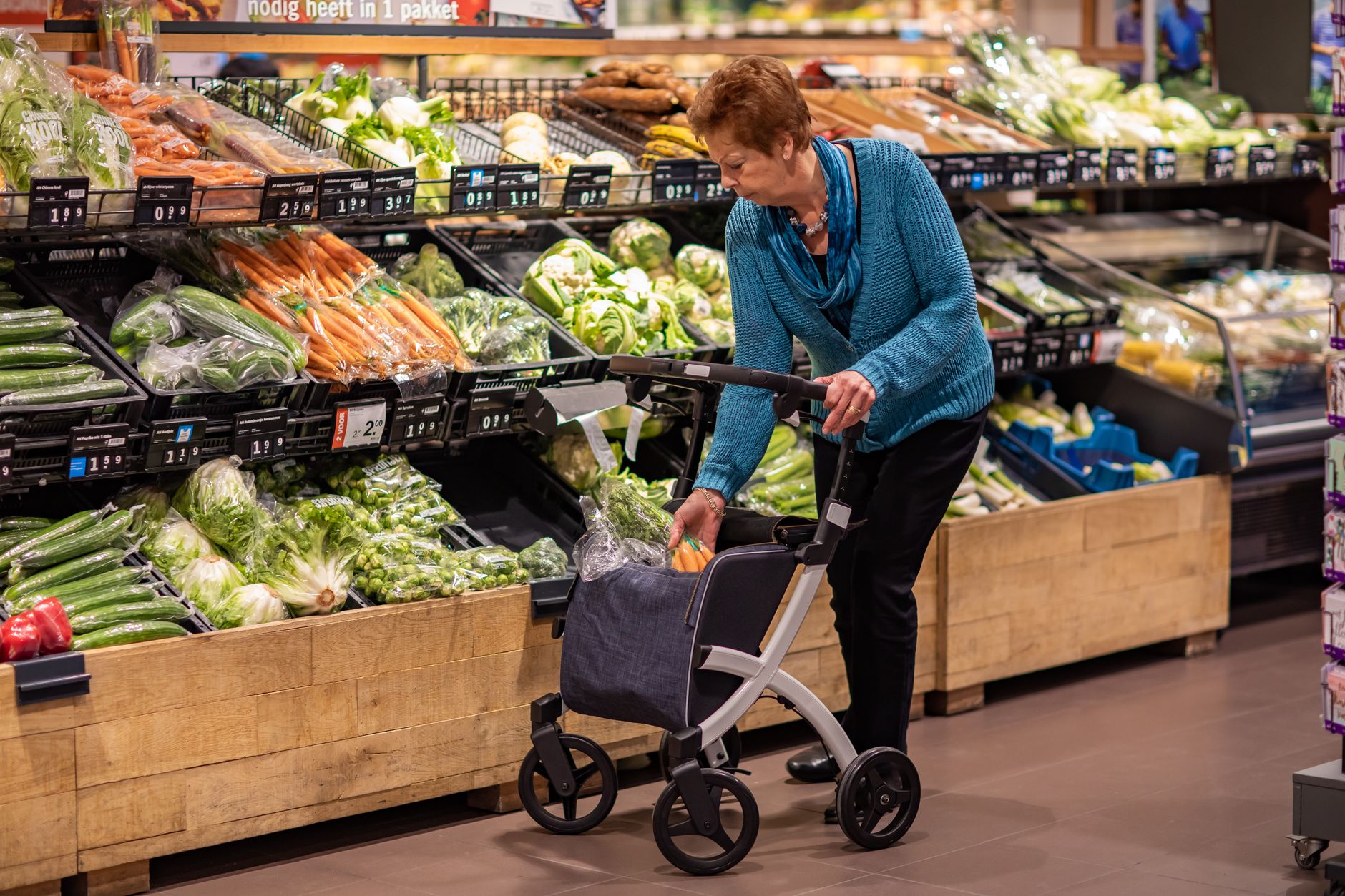
One of the cruelest assumptions families make is that reduced independence must be total independence lost. In reality, there’s almost always a middle ground. An older adult who shouldn’t drive alone might still ride in a car with others, or use volunteer driver services, or make fewer but more purposeful trips. Someone who can’t safely manage a full household alone might maintain independence in meals and daily activities while accepting help with heavy cleaning and yard work. A person who struggles with medical management might take a more active role in tracking their own simpler medications while someone else manages the complex ones.
The challenge is that these partial solutions take more time and creative problem-solving than just removing someone from the situation entirely. It’s easier to say “Mom, you’re not cooking anymore” than to figure out how she can cook simpler, safer meals with better setup and oversight. It’s faster to move someone into full-time care than to assemble the right combination of part-time help, technology, and family support that lets them stay home. But the difference in quality of life and emotional wellbeing is enormous. Someone who maintains some real agency and control tends to cooperate better, stay more engaged, and actually be safer because they’re invested in the plan rather than resisting it.
When Good Intentions Collide With Reality
Even when families do everything right—have the conversation, listen, find compromises—implementation often breaks down. A parent might agree that they need supervision with cooking but then get irritated and resistant when someone actually tries to supervise. Someone might accept that they need help with medications but forget to have the helper come, then feel ashamed and not ask again. A person might intellectually understand that they shouldn’t drive but feel humiliated every time they have to call for a ride, leading them to drive secretly anyway. These breakdowns happen because accepting reduced independence isn’t actually a one-time agreement. It’s a grief process that keeps surfacing. Some days the same person will be angry about the limitation they accepted yesterday. They’ll test boundaries.
They’ll forget agreements because forgetting is easier emotionally than remembering and accepting. If you’re supporting someone through this transition, expect that and plan for it rather than interpreting it as stubborn resistance that proves they can’t be trusted with any autonomy at all. There’s also the real problem of inconsistent support. If one family member enforces limitations while another enables the old behaviors, nothing works. A parent won’t accept driving restrictions if adult children still let them drive. Someone won’t accept help with housework if different family members show up unannounced at different times with different expectations. When stakes are high—safety is genuinely on the line—inconsistent boundaries don’t just feel annoying. They undermine the entire plan and often push people toward the secret behaviors that are most dangerous.
The Role of Technology and Practical Solutions
Before jumping straight to human supervision or placement outside the home, it’s worth asking what problems technology might solve more gracefully. Someone who forgets medications might do better with a simple pill dispenser that alarms and counts out the right doses than with a person who comes by daily. A person worried about falling might gain genuine confidence and independence from a personal medical alert system. A parent anxious about their adult child living alone might feel better after a fall detection system than they would if constant check-ins felt necessary.
But technology works best as a support, not a replacement for human judgment. A medication dispenser helps someone remember to take pills, but it can’t assess whether the pills are still the right ones. A fall detection system gets emergency responders there quickly, but it doesn’t address why the fall happened or whether the living situation needs to change. When evaluating technology solutions, ask whether the problem is memory, capability, awareness, or judgment—different problems need different solutions, and sometimes what seems like an independence issue is actually a technology-access issue.
The Relationship Between Independence and Dignity
Over time, many families realize that the real issue they were trying to solve isn’t independence itself—it’s dignity. A 76-year-old woman might stop caring whether she lives independently in her own home if living elsewhere means she’s still treated as a full person whose preferences matter. An 81-year-old man might accept needing help with personal care if he’s not forced to share a room with a stranger or lose all control over his schedule. The concrete independence—cooking, driving, managing finances—matters partly as a symbol of having a say in one’s own life.
This is why drawing the line with love requires staying focused on the actual person, not just the abstract principle of independence. What makes them feel safe? What makes them feel diminished? What trade-offs matter to them, and what doesn’t? An older adult who never cared about cooking might cheerfully accept meal delivery and home-cooked freezer meals. Another person might feel completely invisible and erased if that same option is imposed on them. The only way to know is to stay curious, keep listening, and make decisions together rather than for someone.
Conclusion
The line between independence and unsafe behavior exists in a specific person’s specific life at a specific moment. It’s not a universal standard that applies equally to everyone. Drawing that line with love means having the hard conversations early, being honest about what you’re observing, listening carefully to what matters most about autonomy to the person involved, and finding creative solutions that honor both safety and dignity. It means accepting that this isn’t a decision you make once—it’s an ongoing conversation that shifts as circumstances change.
What makes the difference between families that navigate this transition well and those that struggle is usually not the specific solution they choose. It’s whether the person losing independence was part of deciding what changed and why. It’s whether the relationship is strong enough to hold both the honesty about danger and the respect for who they are. That foundation of love isn’t guaranteed to make the process easy, but it’s the only thing that makes it bearable.
Frequently Asked Questions
At what age should I start worrying about safety and independence?
There’s no magic age. The question isn’t “Is this person old?” but “Has something changed in their abilities?” Some 95-year-olds live safely alone; some 70-year-olds need support. Look for changes in how they’re managing tasks they used to do easily, not their age.
How do I bring up safety concerns without making someone feel accused or judged?
Lead with specific observations, not character judgments. “I noticed you have burn marks on your hands” is different from “You’re not safe in the kitchen.” Ask questions before making suggestions: “How are you feeling about things?” creates space for them to bring up their own concerns.
What if someone refuses to accept that they need help?
Sometimes acceptance comes later. You can’t force someone to agree, but you can stop enabling unsafe behavior. Stop giving rides for situations you’re uncomfortable with. Don’t help cover up accidents or near-misses. Set clear boundaries about what you will and won’t support, then stick to them.
Is moving to an assisted living facility always the answer?
No. Some people thrive with part-time help at home. Others do better with community living. The right answer depends on what someone actually needs (medical care, socialization, supervision, practical help?) and what trade-offs they’re willing to make.
How do I know if I’m being overprotective versus appropriately cautious?
Ask yourself: Is this about actual risk or about my anxiety? Is the risk real and imminent, or am I planning for worst-case scenarios that probably won’t happen? Am I solving a specific safety problem, or am I trying to prevent any possibility of risk? The biggest warning sign of overprotection is removing choices to manage your own worry.