
Stove shut-off devices are automatic safety systems that cut power to your cooktop or oven after a set period of inactivity, preventing the dangerous fires that start when a burner is left unattended or forgotten. These devices range from simple plug-in timers to advanced smart stove knob covers that detect heat and motion, and they address one of the most common kitchen hazards for people aging in place—the unattended burner that can ignite nearby cloth, paper, or cookware and spread flames in seconds. For someone living alone who may experience memory lapses, medication side effects, or distraction, a forgotten burner can mean the difference between a routine cooking mistake and a life-threatening fire that spreads too quickly to stop.
The reality is that unattended cooking fires send roughly 170,000 Americans to emergency rooms each year, with older adults at higher risk because they’re more likely to live alone and may have slower reaction times if a fire starts. Stove shut-off devices work by removing one critical vulnerability from the cooking process—human forgetfulness—without asking the person to give up cooking or independence. Unlike relying on memory or smoke alarms (which alert you to a problem that’s already started), these devices prevent the problem from escalating in the first place.
Table of Contents
- How Do Stove Shut-Off Devices Actually Prevent Kitchen Fires?
- Types of Stove Shut-Off Devices and Their Limitations
- Real-World Scenarios Where Stove Shut-Off Devices Save Lives
- Choosing the Right Device for Your Living Situation and Cooking Habits
- Common Installation Issues and Safety Warnings
- The Role of Shut-Off Devices in a Broader Safety Plan
- Looking Ahead: Smart Home Technology and Stove Safety
- Conclusion
- Frequently Asked Questions
How Do Stove Shut-Off Devices Actually Prevent Kitchen Fires?
Stove shut-off devices prevent fires by interrupting the power supply to a heating source before an unattended burner can ignite surrounding materials. Most devices use a timer mechanism: you set it for the expected cooking time (15 minutes for simmering pasta, 45 minutes for a roast), and when the timer expires, the device cuts electrical power to the stove. This means the burner goes cold even if you’ve walked into another room, fallen asleep, or become distracted by a phone call. Some models have a manual reset button so the stove won’t accidentally restart, requiring you to consciously turn it back on if you need to continue cooking.
The key advantage is that these devices create a hard stop—not a warning or an alarm, but an actual interruption of power. A forgotten burner simply stops heating. This is different from a stove timer built into the appliance itself, which typically just beeps when time expires but doesn’t stop the burner from heating. Someone with hearing loss or cognitive decline might not hear the beep, and even if they do, they might not understand what it means or respond quickly. An external shut-off device removes that decision-making step entirely.
Types of Stove Shut-Off Devices and Their Limitations
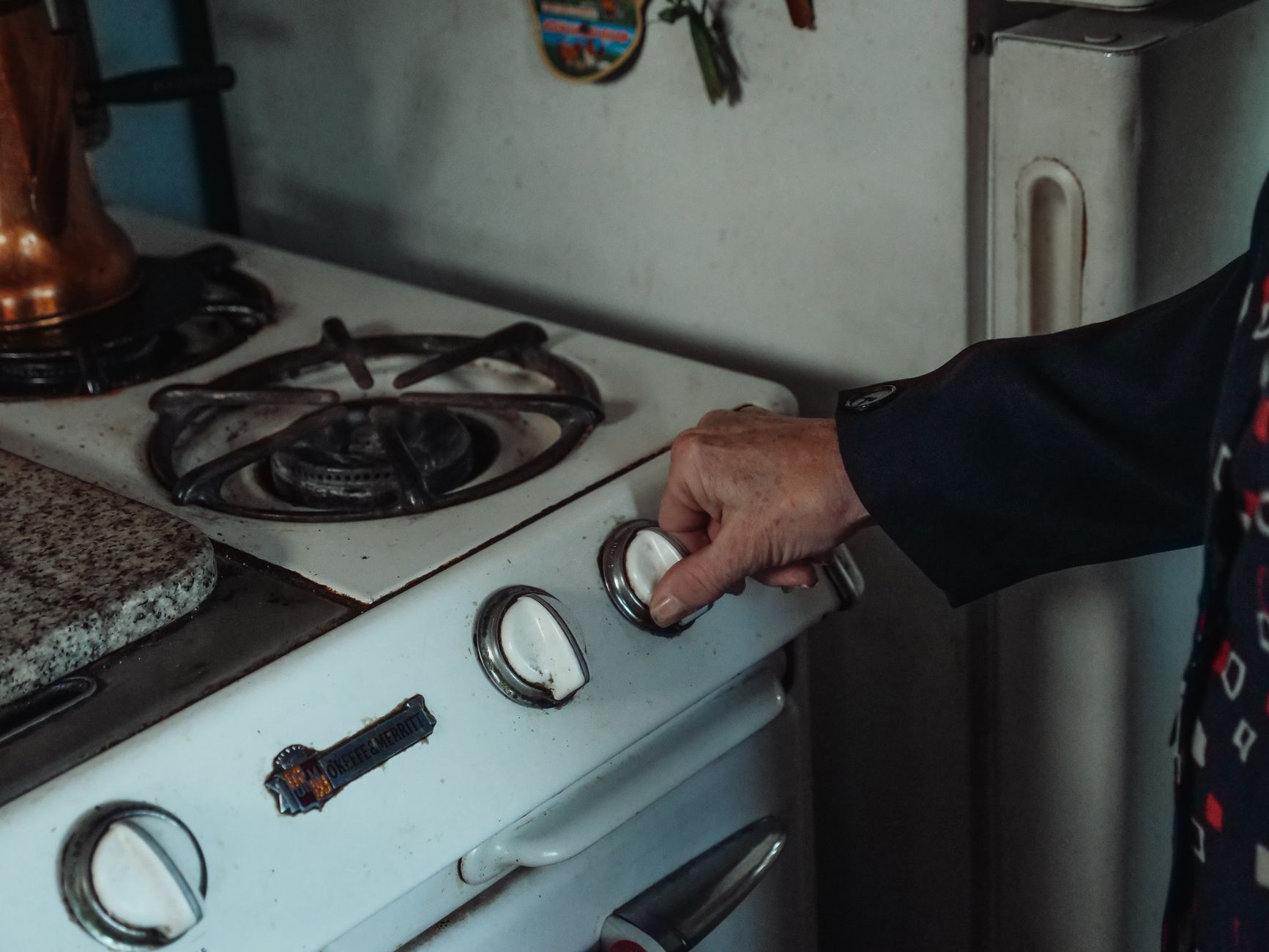
There are several categories of stove shut-off devices, each with different installation requirements and levels of protection. Plug-in outlet timers are the simplest and cheapest option—you plug your stove into the timer, set the time, and the timer cuts power when it expires. These work well for electric stoves and can cost $15 to $40. Knob covers with built-in shut-off mechanisms are slightly more complex; they fit over your existing burner knobs and track how long a burner has been on, automatically turning it off after a preset duration—these range from $30 to $100 per stove.
The main limitation of plug-in timers is that they cut power to the entire stove, not individual burners, so if you’re using multiple burners at once (as in a typical dinner preparation), the timer will shut down all of them simultaneously when it expires. This can be dangerous if you’ve set the timer for the longest-cooking dish but other pans still need heat. Knob covers are more precise but require manual installation and may not fit all knob types, especially on older or high-end ranges. Some covers also add resistance when turning knobs, which can be frustrating for people with arthritis or limited hand strength. Advanced devices that use heat sensors or stovetop monitoring systems can cost $200 to $500 and require professional installation or significant electrical work, which isn’t practical for renters or those with limited budgets.
Real-World Scenarios Where Stove Shut-Off Devices Save Lives
Consider the story of Margaret, a 78-year-old living alone after her husband passed away. She had always been a capable cook, but over the past two years, she’d started to experience mild cognitive changes—nothing that prevented her from managing her household, but enough that she’d occasionally left a burner on while making dinner. One evening, she put a pot of water on to boil for pasta, went to answer the phone, and got absorbed in a conversation with her sister about a family matter. Twenty minutes later, the water had boiled away, the pot was heating dry, and the handle was beginning to blacken. If a knob cover with an automatic shut-off had been in place, the burner would have stopped heating after 15 minutes, preventing the pot from overheating and her kitchen from filling with smoke.
Another common scenario involves medication interactions. Bill, who is 82, takes several medications for blood pressure and anxiety, and one of them makes him drowsy. He puts a skillet on the stove to make breakfast and sits down at the kitchen table to read the newspaper while the pan heats. He dozes off for 45 minutes, and when his wife comes home, she finds the kitchen thick with smoke and the skillet handle smoking on the stovetop. With an automatic shut-off device, the skillet would have cooled long before smoke filled the kitchen. These devices are especially valuable for people whose medical conditions or medications affect alertness, memory, or judgment—which includes a large portion of the aging population.
Choosing the Right Device for Your Living Situation and Cooking Habits
Before buying a stove shut-off device, you need to match the device type to your stove and cooking style. If you have an electric coil stove (the kind with exposed heating elements), a plug-in outlet timer works well and requires no installation. If you have a smooth-top electric stove, some outlet timers work, but knob covers or built-in safety features are more reliable because the smooth surface doesn’t have individual burner controls to cover. Gas stoves are more complicated because they require electrical intervention to shut off the gas valve, and simple outlet timers won’t work—you’ll need a more sophisticated device designed for gas stoves, which are harder to find and more expensive. Your cooking habits also matter.
If you regularly cook dishes that need more than 60 minutes of unattended time (a roasted chicken, a slow simmered sauce), a device with a longer timer or one you can manually reset is essential. If you typically cook multiple dishes at once, a plug-in timer that shuts off the entire stove might create problems, so per-burner controls are worth the extra cost. It’s also worth considering who else uses your stove. If a caregiver or visiting family member needs to cook, make sure they understand how the shut-off device works and that it won’t frustrate them or create safety issues. A device that’s too aggressive in shutting down heat can make cooking difficult and lead people to disable it.
Common Installation Issues and Safety Warnings
One of the biggest obstacles people face with stove shut-off devices is installation. Plug-in outlet timers are simple—you plug them in—but many homes have stoves hardwired directly into the electrical system rather than plugged into an outlet, which makes this option impossible. If your stove is hardwired, you’ll need either a professional electrician to install a dedicated outlet or a different type of device altogether. This adds to the cost and time required to implement the safety measure.
Another warning: knob covers and some mechanical shut-off devices can be disabled or worked around, either intentionally (by someone impatient with the time limit) or accidentally (by someone not realizing how to use the device properly). It’s crucial that whoever uses the stove understands the device and accepts it as a safety feature, not a hindrance. If someone regularly overrides or bypasses the device, it loses all protective value. Additionally, some shut-off devices can fail silently—they might stop working due to electrical issues or mechanical wear—so it’s important to test them periodically and replace batteries or components as needed. A device that looks functional but doesn’t actually cut power in an emergency is worse than no device at all, because it creates a false sense of security.

The Role of Shut-Off Devices in a Broader Safety Plan
Stove shut-off devices are one layer of kitchen safety, but they shouldn’t be the only layer. They work best as part of a comprehensive approach that also includes working smoke alarms in and near the kitchen (not in storage mode or with dead batteries), a fire extinguisher rated for cooking fires within arm’s reach of the stove, and clear pathways so someone can leave the kitchen quickly if a fire starts. For people with significant memory loss or cognitive decline, additional measures like removing combustible items from near the stove, using microwave-safe cookware, or having a caregiver monitor cooking may be necessary.
The device also needs to match the person’s overall capabilities. If someone has the physical ability and mental awareness to cook but occasionally forgets a burner, a shut-off device is highly effective. If someone has advanced dementia or frequently forgets that they’ve started cooking altogether, a device alone won’t solve the problem—supervised cooking or pre-prepared meals may be safer options. The goal is to remove one specific hazard while keeping the person as independent as possible.
Looking Ahead: Smart Home Technology and Stove Safety
Newer stove safety devices are beginning to integrate with smart home systems, allowing family members to monitor stove activity remotely or receive alerts if a burner is left on. Some Wi-Fi-enabled devices can notify your phone if the stove is still on after a certain time, giving you a chance to turn it off before a fire starts. Others can be controlled remotely, though this raises questions about overriding someone’s independence and cooking decisions.
These smart devices typically cost more ($150 to $400) and require setup and WiFi connectivity, but they offer additional peace of mind for families who are concerned about a loved one’s safety while respecting their autonomy. As stove technology evolves, more manufacturers are building safety features directly into appliances—induction cooktops with automatic power-off after inactivity, for example, or gas ranges with electronic ignition that shuts down if burners aren’t actively monitored. These built-in features are becoming more common in new appliances, but they’re not available to everyone, especially those with older stoves or those who rent their homes. For now, aftermarket devices remain the most practical solution for most people aging in place.
Conclusion
Stove shut-off devices prevent the most common and dangerous type of cooking-related fire by automatically cutting power to burners after a set time, removing the need to rely on memory or alertness. They are most effective when matched to your specific stove type and cooking habits, installed correctly, and used as part of a broader kitchen safety plan that includes smoke alarms, fire extinguishers, and clear pathways. For many people aging in place, a simple $20 to $40 device can eliminate one of the biggest kitchen hazards they face daily.
If you or a loved one has experienced memory lapses, medication-related drowsiness, or near-miss kitchen incidents, exploring stove shut-off devices is a practical step toward safer, more independent cooking. Consult with an electrician if you have questions about installation, test any device before relying on it regularly, and involve the person who cooks in choosing a device that feels manageable rather than frustrating. The goal is to remove a specific hazard while maintaining the dignity and capability that comes with preparing your own meals.
Frequently Asked Questions
Will a stove shut-off device work on a gas stove?
Simple plug-in outlet timers won’t work on gas stoves because they only interrupt electrical power, not gas flow. You’ll need a specialized device designed for gas stoves that can close the gas valve electronically, which are less common and more expensive ($200 to $500). Some gas stove knob covers exist but are limited in effectiveness. If you have a gas stove and are concerned about safety, consult with a professional about your options.
What if I’m in the middle of cooking and the shut-off device cuts power?
This is a real limitation of timed devices. If you set a timer for 30 minutes but your cooking takes 45, the power will cut at 30 minutes, stopping all heat. Some devices have manual reset buttons or require you to physically turn the knob back on, adding a deliberate step. It’s crucial to either set timers accurately based on your cooking time or choose a device with long, adjustable duration settings.
Can I install a stove shut-off device myself?
If your stove plugs into an outlet, a plug-in timer is a true DIY installation—just plug it in. Knob covers typically snap on with no tools required. If your stove is hardwired into your electrical system, you’ll need a licensed electrician to add an outlet or install a more complex device, which adds cost and time. Check your stove type before purchasing a device.
How do I know if the device is working?
Test it regularly by turning on a burner, setting the timer, and confirming that the burner actually shuts off when the timer expires. Don’t assume it’s working just because it looks intact. Mechanical and electrical components can fail silently, so monthly testing is a good habit.
Is a stove shut-off device enough on its own to keep someone safe?
No. These devices are one layer of safety but should be part of a broader plan including working smoke alarms, a fire extinguisher, clear pathways out of the kitchen, and honest assessment of the person’s overall ability to cook safely. If someone has advanced memory loss or cognitive decline, a device alone may not be sufficient.
Can I use a stove shut-off device if I rent my home?
Yes. Plug-in timers and knob covers are non-permanent and don’t require installation by a landlord, so they’re ideal for renters. Just make sure any device you use can be removed without damaging the stove or countertop.