
When seniors lose their appetite, getting enough protein becomes unexpectedly challenging—especially because maintaining muscle mass becomes even more critical as we age. The good news is that high-protein meals don’t need to be large, complicated, or unappetizing. Small portions of nutrient-dense foods, protein-fortified smoothies, soft finger foods, and strategic use of frozen meals can meet protein needs without overwhelming someone who simply doesn’t feel like eating. For example, a senior with appetite loss can get 25 to 31 grams of protein in a single frozen meal that takes five minutes to microwave, paired with a Greek yogurt snack later—making daily protein targets achievable without forcing themselves through large portions. Appetite loss in older adults, known as anorexia of aging, is far more common than many realize.
Between 15 and 30 percent of older adults experience this age-related reduction in appetite and food intake, even when illness isn’t present and food is readily available. This matters because inadequate protein intake accelerates muscle loss, increases fall risk, and weakens the body’s ability to recover from illness or injury. The challenge isn’t about willpower or “eating more”—it’s about understanding why appetite changes and then adapting meal strategies accordingly. The solution lies in prioritizing protein density over portion size, choosing foods that are easy to eat, and removing barriers like meal prep complexity or social pressure. This article walks through the science of appetite loss in seniors, practical protein sources that work when appetite is low, and meal strategies that help meet nutritional needs without struggle.
Table of Contents
- Why Do Seniors Lose Their Appetite and How Does This Affect Protein Intake?
- How Much Protein Do Seniors Actually Need?
- The Best Protein Sources When Appetite Is Low
- Building Meals Around Small Portions and Multiple Small Eating Occasions
- Medication Effects and Other Barriers to Adequate Protein Intake
- The Role of Meal Timing, Temperature, and Presentation
- Making the Transition Sustainable Over Months and Years
- Conclusion
- Frequently Asked Questions
Why Do Seniors Lose Their Appetite and How Does This Affect Protein Intake?
Appetite loss in older adults stems from multiple physiological changes happening simultaneously. As the stomach ages, it loses its ability to relax and expand to accommodate food, causing early fullness even when only small amounts have been eaten. At the same time, the body produces more cholecystokinin—a gut hormone that signals satiety to the brain—which suppresses appetite further. Combined with age-related changes in taste, smell, and vision, meals simply become less appealing and satisfying than they once were. A meal that a 70-year-old finds underwhelming may have been delicious at 40, not because of attitude but because of measurable shifts in sensory perception.
The real danger emerges when appetite loss meets protein requirements. Sarcopenia, the age-related loss of muscle strength and mass, affects 11 percent of older adults and is directly linked to low protein intake. This creates a vicious cycle: reduced appetite leads to lower protein consumption, which accelerates muscle loss, which increases weakness and fall risk, which can then trigger hospitalization and further decline. A senior who once walked independently and prepared meals might find themselves unable to do either after losing muscle mass from months of inadequate protein intake. The stakes are not trivial—appetite loss increases risk of falls, frailty, disability, hospitalization, and mortality.

How Much Protein Do Seniors Actually Need?
Current research is clear about protein requirements for older adults. Healthy seniors need between 1.0 and 1.2 grams of protein per kilogram of body weight each day. For someone who weighs 150 pounds (about 68 kilograms), this translates to approximately 68 to 82 grams of protein daily. However, seniors who already have sarcopenia or frailty need even more—research now recommends more than 1.2 grams per kilogram for these groups. This is higher than the old standard of 0.8 grams per kilogram that was established decades ago, reflecting newer evidence about how much protein older bodies actually require to preserve muscle.
One critical finding changes how we should approach senior meals: older adults who consumed two or more meals containing 30 to 45 grams of protein per meal had significantly greater muscle strength and mass compared to those with zero or one such meal. This means the pattern of eating matters as much as the total. Someone eating 80 grams spread across the day in small snacks may not preserve muscle as effectively as someone eating 40 grams at lunch and 40 grams at dinner. The limitation here is practical: achieving this pattern becomes even harder when appetite is already suppressed. This is why meal composition and food choices become strategic tools rather than optional preferences.
The Best Protein Sources When Appetite Is Low
Not all protein sources work equally well for someone with reduced appetite. Foods that are soft, require minimal chewing, and pack protein into small volumes become essential. Greek yogurt delivers 15 to 20 grams of protein in a single-serve container that takes two minutes to eat. Cottage cheese offers similar protein density but with a different texture that some seniors find easier to manage. Eggs—whether scrambled soft, in an omelet, or hard-boiled and chopped into salads—provide 6 grams of protein per egg with a texture most seniors tolerate well.
Canned or poached fish like salmon and tuna add 20 to 25 grams of protein per can or serving and can be mixed into soft foods like mashed potatoes or spread on soft bread. High-protein frozen meals have emerged as a practical solution for seniors managing appetite loss. The best options deliver 25 to 31 grams of protein per serving while staying under 400 calories—meaning the meal is nutritionally complete without being overwhelming in size. These meals eliminate meal prep, which reduces barriers for seniors living alone or those with caregivers managing multiple people’s nutrition. However, a limitation worth noting: frozen meals vary dramatically in sodium content, and seniors with heart disease or high blood pressure need to read labels carefully. Additionally, relying entirely on frozen meals can become monotonous and may not address the emotional and social aspects of eating that matter for overall quality of life.
Building Meals Around Small Portions and Multiple Small Eating Occasions
The traditional three-meals-a-day pattern often fails for seniors with appetite loss. Instead, the strategy becomes eating five to six smaller eating occasions throughout the day, with at least two of them containing substantial protein. A senior might have a small bowl of oatmeal with Greek yogurt and berries at breakfast (15 grams protein), a hard-boiled egg and cheese as a mid-morning snack (10 grams), a cup of tuna salad at lunch (25 grams), another snack of cottage cheese in the afternoon (15 grams), and a small portion of grilled chicken with soft vegetables at dinner (30 grams). This approach allows them to hit protein targets without any single meal feeling overwhelming. Protein-fortified liquids bridge gaps when solid food feels unappetizing.
A high-protein smoothie made with Greek yogurt, milk, fruit, and optional protein powder can deliver 30 to 40 grams of protein in drinkable form. Some seniors find drinking easier than eating when appetite is suppressed. Bone broth, which contains 10 to 15 grams of protein per cup, offers another liquid option with a savory profile. The tradeoff is that liquid nutrition alone cannot fully replace solid food—the body needs the mechanical act of chewing for digestive signaling, satiety, and oral health. But strategically used, liquids complement whole foods rather than replace them entirely.
Medication Effects and Other Barriers to Adequate Protein Intake
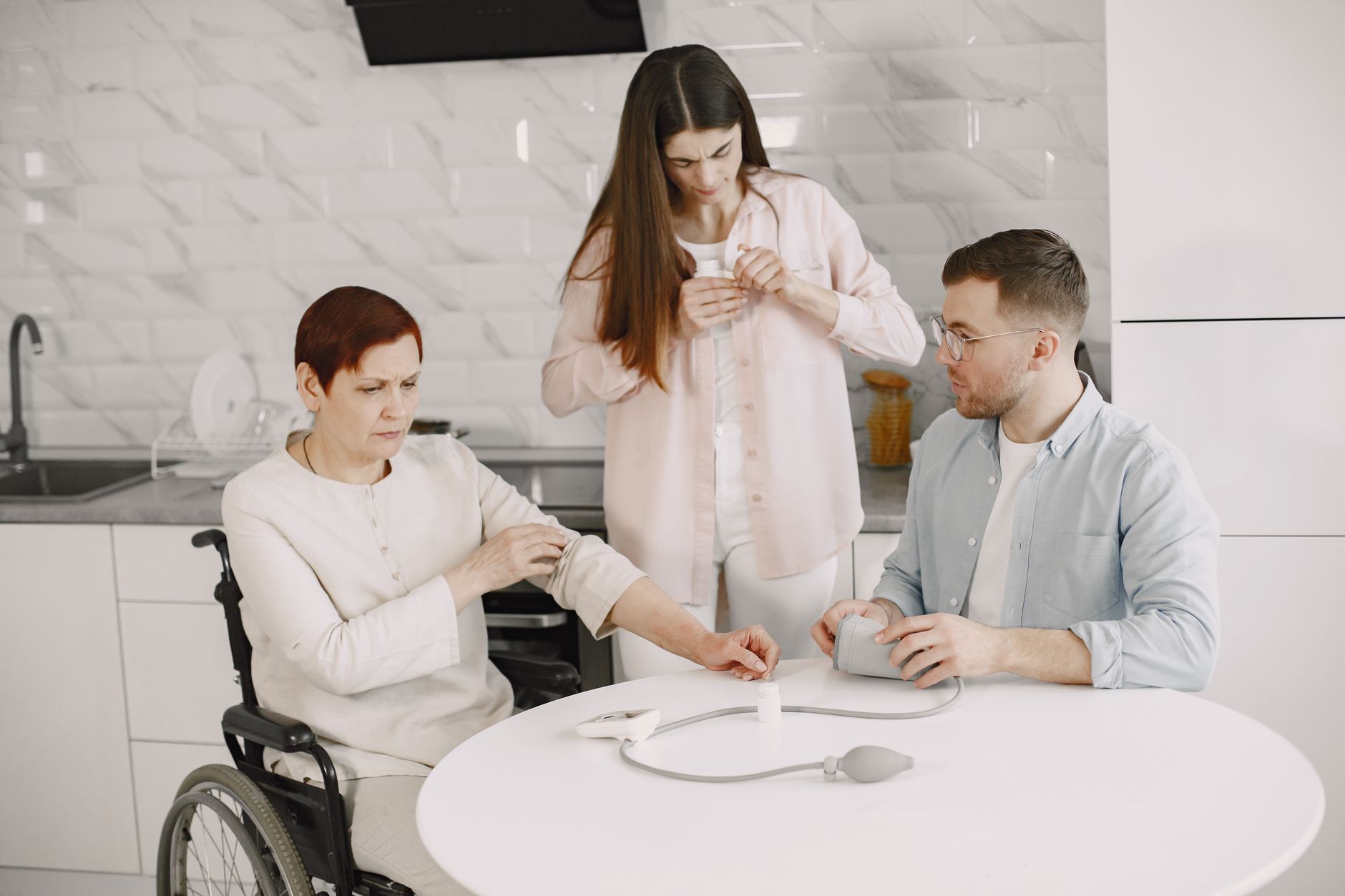
Many seniors take multiple medications daily, and numerous common medications directly suppress appetite or interfere with protein absorption. Major medication users experience higher rates of malabsorption and appetite suppression. Chemotherapy drugs, certain antibiotics, and blood pressure medications frequently reduce appetite as a side effect. Some seniors don’t connect their reduced appetite to their medication list, continuing to blame themselves or assume appetite loss is simply inevitable. A conversation with their primary care provider or pharmacist can sometimes identify whether medication timing could be adjusted—taking appetite-suppressing medications with food, for example, or timing them differently relative to meals.
Depression and social isolation compound the appetite problem significantly. Loneliness is a psychological factor commonly linked to appetite loss in older adults, creating a secondary barrier beyond the physiological changes of aging. A senior living alone may lose motivation to prepare meals even if their appetite returned. Poor dentition or ill-fitting dentures create a third barrier—people naturally avoid foods that cause pain, limiting options to softer items that may be less protein-dense. A warning: sometimes severe appetite loss signals an underlying condition like thyroid dysfunction, depression, or cancer rather than simple aging. Any sudden or significant appetite change warrants medical evaluation rather than assumption that nothing can be done.
The Role of Meal Timing, Temperature, and Presentation
Appetite is not purely physiological—environment and presentation matter. Some seniors eat better when meals are served warm rather than cold, while others prefer cool foods. A warm bowl of soup with soft beans and chicken may appeal more than cold leftovers from the refrigerator. Meals served at regular times help establish eating routines that can stimulate appetite through habit, even when the physiological signals aren’t present. One practical example: a senior who eats a small protein snack at 10 a.m.
every morning may find themselves genuinely hungry by that time within a week, simply because their body adapts to the schedule. The presentation and social context of eating often matter more than seniors realize. A plate with a small, protein-rich portion plated attractively with color and texture appeal can feel more inviting than a large portion piled on a plate. Eating with others, even occasionally, triggers better appetite and more complete meals than eating alone. Some senior centers and community programs offer subsidized group meals specifically because eating in social settings improves both nutritional intake and mental health outcomes.
Making the Transition Sustainable Over Months and Years
The goal isn’t to follow a perfect high-protein meal plan for two weeks—it’s to build sustainable eating patterns that work with reduced appetite for years. This requires honest assessment of what each senior will actually eat consistently. Someone who dislikes fish won’t maintain fish-based meals long-term, even if fish is theoretically ideal. Building around preferred foods—whether that’s chicken, eggs, beef, or plant-based proteins like beans and tofu—creates sustainability.
Starting with small changes, like adding a Greek yogurt snack to an existing routine, feels manageable in ways that overhauling eating patterns does not. Looking forward, emerging evidence continues to refine our understanding of protein timing and muscle preservation in aging. As research evolves, the focus increasingly shifts from simply “eating enough protein” to eating protein in patterns that maximize muscle synthesis. For families and caregivers managing a senior’s nutrition, the path forward combines practical food strategies with attention to the psychological, social, and medical factors that influence appetite. This holistic approach—addressing both what and how seniors eat—creates the foundation for maintaining strength, independence, and quality of life.
Conclusion
Easy high-protein meals for seniors who’ve lost their appetite aren’t about complicated recipes or forcing down large portions. They’re about understanding why appetite changes with age, recognizing that protein needs actually increase rather than decrease, and then strategically using foods that are nutrient-dense, easy to eat, and genuinely appealing. Meeting the target of 68 to 82 grams of protein daily becomes achievable through small portions spaced throughout the day, with at least two meals containing 30 to 45 grams each. High-protein frozen meals, Greek yogurt, eggs, soft fish, and protein-fortified liquids become the practical tools that make this possible.
Beyond the food itself, addressing the barriers—medication side effects, depression, social isolation, dental issues, and medical conditions—matters as much as the meals themselves. A senior who eats alone in front of the television faces different challenges than one eating meals with family. Someone whose appetite-suppressing medication timing could be adjusted deserves that conversation with their doctor. The combination of practical meal strategies and attention to underlying causes creates the best chance of maintaining muscle, strength, and the independence that seniors value most.
Frequently Asked Questions
How quickly will adding more protein improve muscle strength in a senior?
Protein doesn’t instantly restore muscle. It takes consistent adequate protein intake combined with some form of activity (even walking or light resistance) for several weeks to show measurable improvement in strength. However, the opposite happens quickly—muscle loss accelerates within days of inadequate protein intake, which is why consistency matters.
Are protein supplements and shakes necessary, or can seniors get enough protein from food alone?
Many seniors can meet protein needs through whole foods like eggs, fish, yogurt, and chicken. Supplements and shakes are tools when whole foods don’t appeal, not requirements. They work best as additions to solid food, not replacements for it.
What if a senior refuses to eat and nothing seems appetizing?
This warrants a medical evaluation. Severe appetite loss that doesn’t respond to environmental changes, medication adjustments, or addressing depression should prompt testing for thyroid problems, cancer, or other conditions. Sometimes the answer requires medical treatment, not just better meal planning.
Is it okay for seniors to rely on frozen meals regularly?
Yes, high-quality frozen meals with adequate protein are a legitimate part of a senior’s diet, especially if they live alone or have limited energy for cooking. The limitation is that they shouldn’t be the only source of nutrition long-term—whole foods and variety provide nutrients and satisfaction that frozen meals alone cannot fully replace.
How can a caregiver encourage eating without forcing or shaming a senior with appetite loss?
Offer frequent small options rather than pressure. Present eating as something enjoyable and social rather than obligatory. Track protein intake without making it obvious. Work with their doctor to address underlying causes. Sometimes simply removing the pressure paradoxically improves appetite.
Should seniors take appetite-stimulating medications?
Some medications can stimulate appetite, but they’re typically considered only when appetite loss significantly impacts nutrition and underlying causes have been ruled out. Any medication decision involves discussing risks and benefits with a doctor, particularly given that older adults often already take multiple medications.