
Caregiver stress—also called caregiver burden or caregiver burnout—is the physical, emotional, and mental exhaustion that comes from providing unpaid care to an aging loved one, a family member with a chronic illness, or someone with disability. It happens when the demands of caregiving exceed a person’s coping resources, leaving the caregiver depleted, anxious, and overwhelmed. Consider Sarah, a 52-year-old daughter who left her part-time job to care for her 78-year-old mother with early Alzheimer’s disease. Within six months, Sarah developed high blood pressure, stopped seeing friends, and felt constant guilt about not doing enough.
This is caregiver stress in real life—a silent crisis affecting millions of unpaid family caregivers. Caregiver stress is not a character flaw or a sign of weakness. It is a predictable consequence of round-the-clock responsibility, financial strain, disrupted routines, and the emotional weight of watching someone you love decline. The stress accumulates slowly, often unnoticed, until a caregiver realizes they have sacrificed their own health and relationships. Understanding caregiver stress, recognizing its warning signs, and taking concrete steps to manage it can mean the difference between burning out completely and maintaining enough resilience to provide sustainable care.
Table of Contents
- Who Experiences Caregiver Stress and Why?
- The Hidden Physical and Mental Health Costs
- How Caregiver Stress Affects the Quality of Care
- Strategies for Managing and Reducing Caregiver Stress
- Caregiver Burnout and the Risk of Permanent Health Damage
- Building a Caregiver Support Network
- The Future of Caregiver Support and Systemic Change
- Conclusion
- Frequently Asked Questions
Who Experiences Caregiver Stress and Why?
caregiver stress affects anyone who provides unpaid care: adult children caring for aging parents, spouses caring for partners, grandparents raising grandchildren, and siblings sharing care responsibilities. According to national surveys, approximately one in four American adults are currently serving as caregivers. The stress hits differently depending on the care situation. A caregiver managing a parent’s post-surgical recovery for three months experiences acute stress with a defined endpoint. A caregiver managing a parent’s dementia or Parkinson’s disease for a decade experiences chronic, progressive stress that keeps intensifying as the condition worsens.
The stress stems from several overlapping sources. There is the physical toll of assisting with personal care, transferring, bathing, toileting, and often managing medications or medical equipment. There is the emotional toll of facing a loved one’s decline, grief, or behavioral changes caused by cognitive impairment. There is the social isolation that comes from being homebound, missing family gatherings, or not having time for friendships. And there is the financial strain—lost income, out-of-pocket medical costs, and the opportunity cost of not advancing a career. A spouse providing full-time care to a partner with late-stage dementia faces all of these simultaneously, which explains why spousal caregivers have the highest rates of depression and health problems.

The Hidden Physical and Mental Health Costs
Caregiver stress produces measurable harm to the caregiver’s own health. Research shows that caregivers have higher rates of depression, anxiety, hypertension, weakened immune function, and cardiovascular disease than non-caregivers of similar age. Some studies suggest that caregivers under high stress for prolonged periods age biologically faster than their chronological age. One significant limitation of caregiver support is that the harm often accumulates invisibly: a caregiver might ignore chest pain, skip meals, neglect medication, or push through exhaustion for years before seeking help.
The mental health impact is particularly severe. Caregiver depression is not sadness—it is a clinical condition marked by hopelessness, loss of interest in activities, sleep disruption, and difficulty concentrating. A caregiver might feel guilty for feeling resentful toward the care recipient, leading to shame and isolation. Some caregivers develop anxiety disorders triggered by worry about whether they are providing adequate care, whether the care recipient will fall, or what will happen if they themselves become ill. Warning: caregiver depression and burnout carry an increased risk of suicidal ideation that is often overlooked because society portrays caregiving as noble and selfless.
How Caregiver Stress Affects the Quality of Care
When a caregiver is burned out, the quality of care suffers even though the caregiver is trying their best. A stressed, sleep-deprived caregiver is more likely to make medication errors, miss subtle changes in the care recipient’s condition, or become frustrated and impatient during care tasks. In extreme cases, caregiver burnout has been linked to neglect or even abuse, not because the caregiver is cruel, but because they have reached a breaking point where they simply cannot cope. Consider Michael, a 58-year-old son caring for his father with advanced ALS (amyotrophic lateral sclerosis).
Michael handled all medical appointments, feeding, catheter care, and communication support for two years without respite. When he finally became ill himself, he was too exhausted to recognize that his father had developed a urinary tract infection, which went untreated and resulted in sepsis. Michael’s burnout did not cause the infection, but his depleted state meant he missed warning signs he would have caught at full capacity. This illustrates a painful paradox: caregivers who do not address their own stress end up delivering worse care to the people they love most.

Strategies for Managing and Reducing Caregiver Stress
Managing caregiver stress requires a combination of practical changes and mental health support. Simple strategies include scheduling regular respite care—a few hours each week where a paid caregiver or trusted family member takes over so the primary caregiver can rest, exercise, see a doctor, or simply leave the house. This is not selfish; respite care is a proven way to prevent burnout and actually improves the care recipient’s outcomes. Another strategy is joining a caregiver support group, either in-person or online, where caregivers can speak openly about their frustrations without judgment and learn coping strategies from others in similar situations. The tradeoff with respite care is that it costs money, which not all families can afford, and finding reliable respite—whether paid help, family backup, or adult day programs—requires time and effort when caregivers already feel stretched.
Some caregivers resist asking for help due to guilt or pride, believing they should handle everything alone. Individual counseling or therapy tailored to caregiver stress can address these beliefs and develop practical coping skills. Medication management, if depression or anxiety develops, is sometimes necessary and appropriate. Physical activity, even a 20-minute walk, improves mood and resilience. And explicit boundary-setting—deciding what care tasks the caregiver will and will not do themselves—helps prevent total consumption by the caregiving role.
Caregiver Burnout and the Risk of Permanent Health Damage
Burnout—the most severe stage of caregiver stress—is a state of emotional exhaustion so complete that a person feels they have nothing left to give. Symptoms include cynicism about the care recipient or the caregiving situation, a sense of ineffectiveness despite working harder, and detachment from emotions. A burned-out caregiver might feel numb rather than sad, which can actually be more alarming because it signals the nervous system has shut down. One significant warning about caregiver burnout is that the health damage is not always reversible.
Prolonged stress elevates cortisol and activates the sympathetic nervous system (fight-or-flight), which over time contributes to chronic inflammation, metabolic changes, and accelerated aging of the immune system. A caregiver who spends five years in a state of chronic stress might not recover their baseline health even after caregiving ends. Another limitation of caregiver support systems is that they often emerge too late—most resources only become available after a crisis occurs, such as a caregiver hospitalization or the care recipient being admitted to a facility. Ideally, support and stress management should begin early, when the caregiver first recognizes they are struggling.
Building a Caregiver Support Network
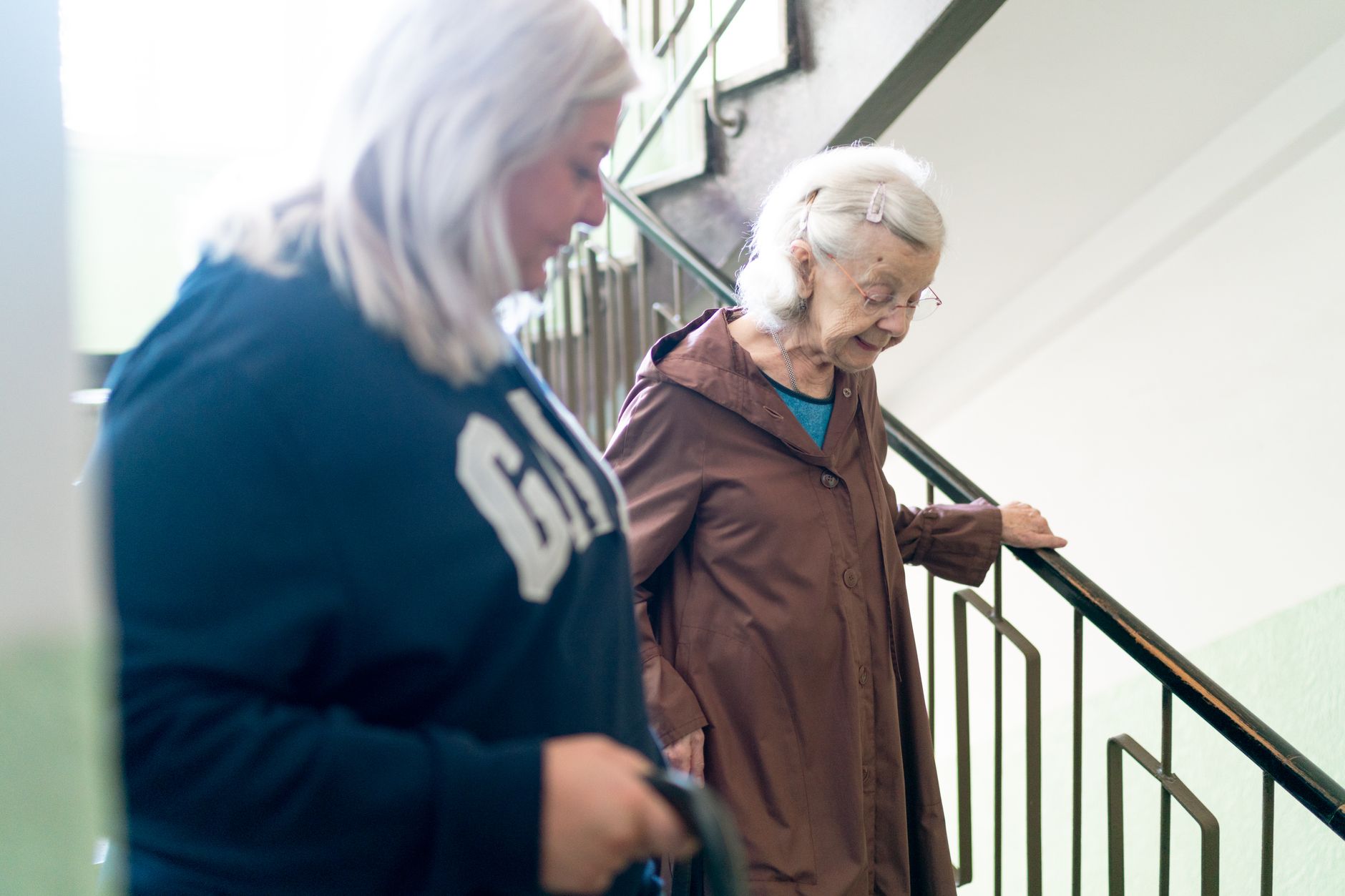
No single person should provide all the care for a dependent adult. Building a support network involves identifying people who can help with specific tasks—a sibling who handles medical appointments, a friend who provides companionship to the care recipient so the caregiver can work, a neighbor who helps with yard work or errands, a counselor or therapist who listens to the caregiver’s struggles, and paid professionals like home health aides if finances allow. The most resilient caregiving situations are those where responsibility is shared and the primary caregiver has permission to step back on difficult days. Many families discover that caregiving unearths unresolved conflicts or creates new tensions. Siblings may disagree on care decisions.
A spouse may feel resentful about lost freedom. These conflicts are normal and do not mean the family is failing. Family counseling can help clarify roles, set realistic expectations, and rebuild connection. One example is the Johnson family, where three adult children share care for their mother: one handles finances and medical decisions, one manages daily caregiving and transportation, and one provides emotional support and runs errands. This division of labor means no single person is overwhelmed, and they rotate taking a monthly weekend off.
The Future of Caregiver Support and Systemic Change
The caregiver stress crisis is accelerating due to aging populations, longer life spans with chronic diseases, the rising cost of professional care, and geographic dispersion of families. Without systemic change, more families will face the impossible choice between providing care themselves (at great personal cost) or accepting they cannot afford professional care. Some promising developments include more flexible workplace policies that allow caregiving leaves or reduced hours, expansion of adult day programs and respite care services, and increased recognition of caregiver stress in healthcare systems.
A few states and countries have begun offering tax credits, paid family leave for caregiving, or subsidized respite care, but these programs remain limited. Moving forward, caregivers themselves must become advocates for their own health and boundaries, while society must recognize that family caregiving is essential public health infrastructure that cannot be left entirely to individual families to manage. Addressing caregiver stress is not a luxury; it is a necessity for maintaining a functional and humane system of care for aging and disabled adults.
Conclusion
Caregiver stress is a profound and often invisible challenge that affects millions of unpaid family caregivers. It manifests as physical illness, depression, anxiety, social isolation, and eventually burnout if left unaddressed. The stress is real, quantifiable, and harmful—not a character weakness or an inevitable price of love.
The path forward involves recognizing caregiver stress early, seeking support without shame, building a network of help, and making concrete changes to reduce the unsustainable burden of solo caregiving. If you are a caregiver struggling with stress, start with one small step today: schedule a respite session, call a caregiver hotline, join a support group, or talk to your doctor. You cannot pour from an empty cup, and taking care of yourself is part of taking care of your loved one.
Frequently Asked Questions
Is caregiver stress the same as depression?
Caregiver stress is a state of being overwhelmed by demands and depleted of resources. Depression is a clinical mental health condition. A caregiver can experience both simultaneously—stress can trigger depression, or a caregiver with depression may experience their stress as more severe. Not all stressed caregivers are depressed, and not all depressed caregivers developed depression solely from caregiving.
How do I know if I am experiencing caregiver burnout versus normal stress?
Normal caregiver stress feels like being stretched thin but still managing. Burnout feels like complete exhaustion, detachment from the care recipient or the caregiving tasks, cynicism, and a sense that nothing you do matters. If you have stopped enjoying activities you once loved, have persistent thoughts about giving up, or feel numb rather than tired, these suggest burnout rather than temporary stress.
Is it okay to use paid respite care if money is tight?
Yes. Even a few hours monthly of professional respite care can prevent caregiver burnout and improve care quality. If cost is prohibitive, explore community resources such as Area Agencies on Aging, volunteer caregiver programs, or support groups that offer free or low-cost alternatives.
Can caregiver stress cause permanent health problems?
Prolonged, unmanaged caregiver stress can contribute to lasting changes in immune function, blood pressure, metabolism, and cognitive health. Early intervention and stress management reduce this risk significantly. It is never too late to seek support and prioritize your own health.
What should I do if I am having thoughts of harming myself or the care recipient?
Contact the National Suicide Prevention Lifeline at 988 or text HOME to 741741 to reach the Crisis Text Line. Tell a doctor or mental health professional immediately. These thoughts are a sign that you need urgent professional help and support, not that you are a bad person.
How can I talk to family about sharing caregiving responsibilities?
Start with honesty about what is unsustainable. Use specific examples rather than complaints. Focus on the care recipient’s needs and what kind of care will be best for them. Suggest concrete tasks each family member can take on, and frame shared caregiving as benefiting everyone, including the care recipient who will have more people involved in their life.