
How to Stay Safe Living Alone in Bad Weather

You can stay safe living alone in bad weather by preparing essential supplies in advance, knowing where to shelter when storms arrive, and maintaining...

You can stay safe living alone in bad weather by preparing essential supplies in advance, knowing where to shelter when storms arrive, and maintaining...
Independent seniors maintain a plan B because life after 65 rarely follows a straight line. Health surprises happen—a fall, a hospitalization, a...

The most confident solo agers aren't those who believe they'll never need help—they're the ones who have meticulously planned for when they will.
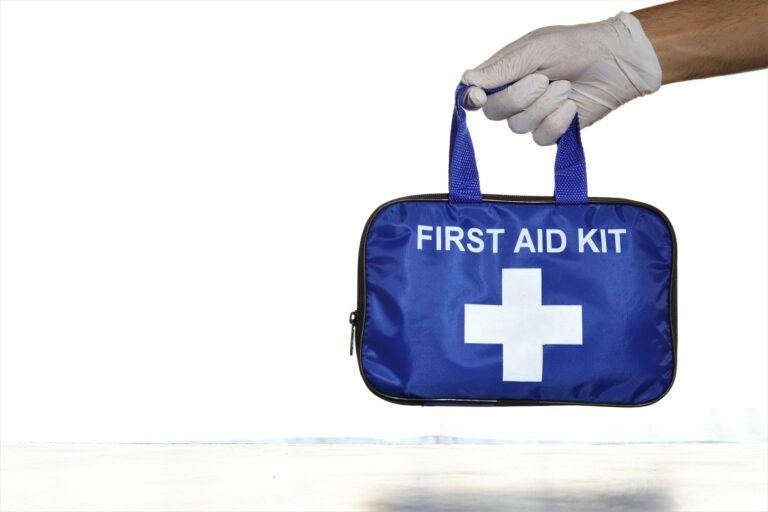
Margaret Chen never thought she'd need the emergency kit tucked in her hall closet. At 78, living alone in the house where she'd raised her family in...

A daily check-in call can literally be the difference between life and death for an older adult living independently.

Medical alert systems are designed to connect older adults and people with chronic conditions to emergency responders or trusted contacts within seconds...
Preparing to live alone safely after 80 requires a combination of practical home modifications, fitness maintenance, financial planning, and a realistic...
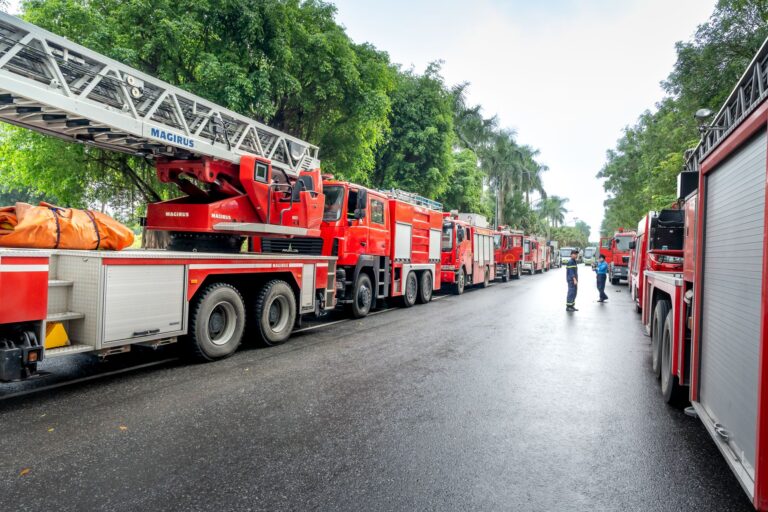
An emergency plan for independent seniors is a documented system that identifies your medical history, emergency contacts, financial accounts, critical...

When the town of Marysville in Michigan faced declining population as young families moved away, city officials made a bold decision: stop chasing youth...

Older Americans Month celebrates independent living because it honors the core mission of the Older Americans Act—legislation born from a specific crisis...